Whether you’re repotting a houseplant or digging in the vegetable bed, your hands take the brunt of the work. A good pair of gardening gloves does more than keep dirt from under your nails—it prevents blisters, protects against thorns and chemicals, and gives you the grip you need to handle tools and soil. But not all gloves are created equal, and the wrong pair can make a simple task frustrating.
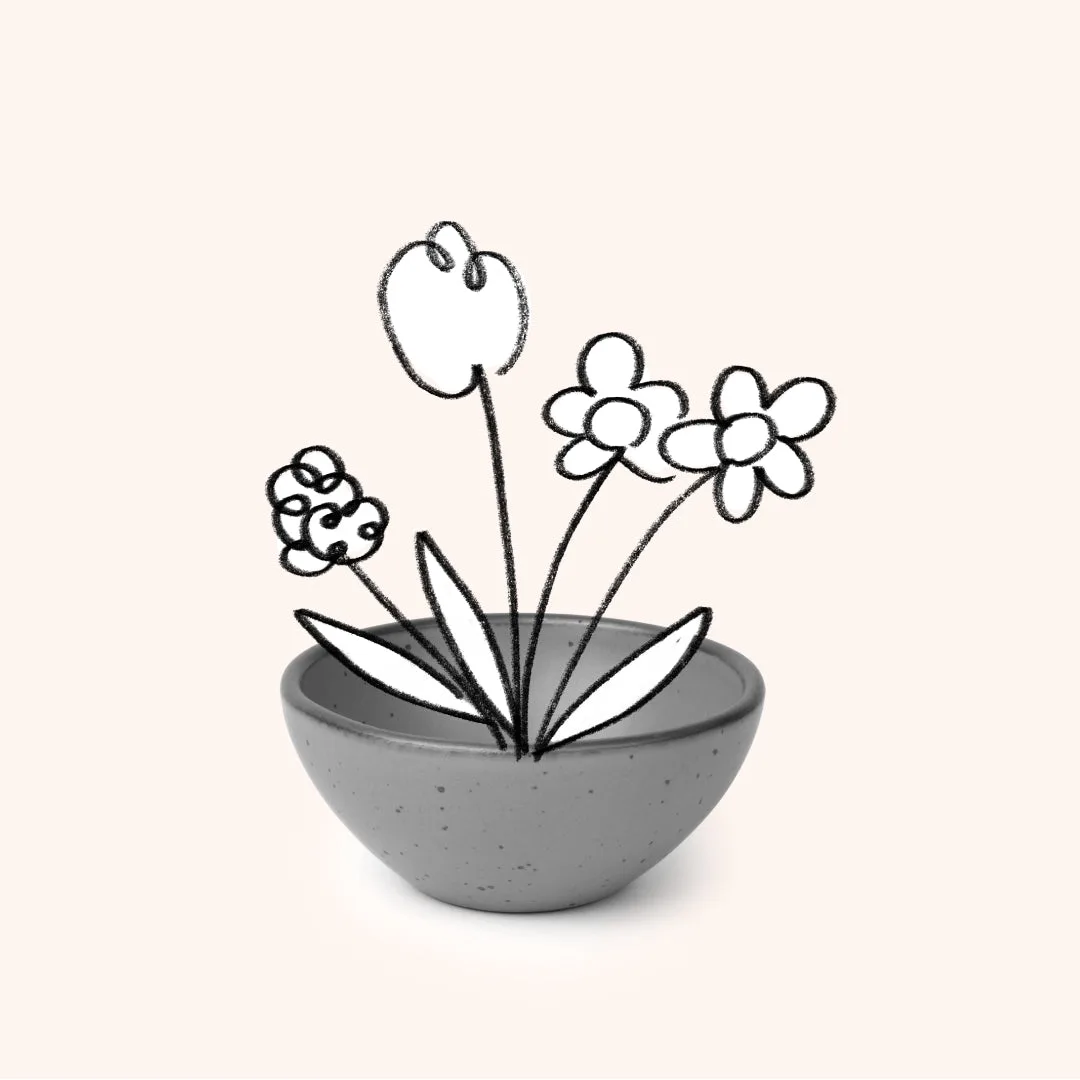
This guide breaks down what to look for in planting gloves and potting gloves so you can pick the pair that fits your routine. And once your hands are clean and your garden is tidy, you might find yourself reaching for a cold drink in a Luisa Carafe or arranging a few blooms in a Loop Vase—because good gardening deserves a moment to enjoy the results.
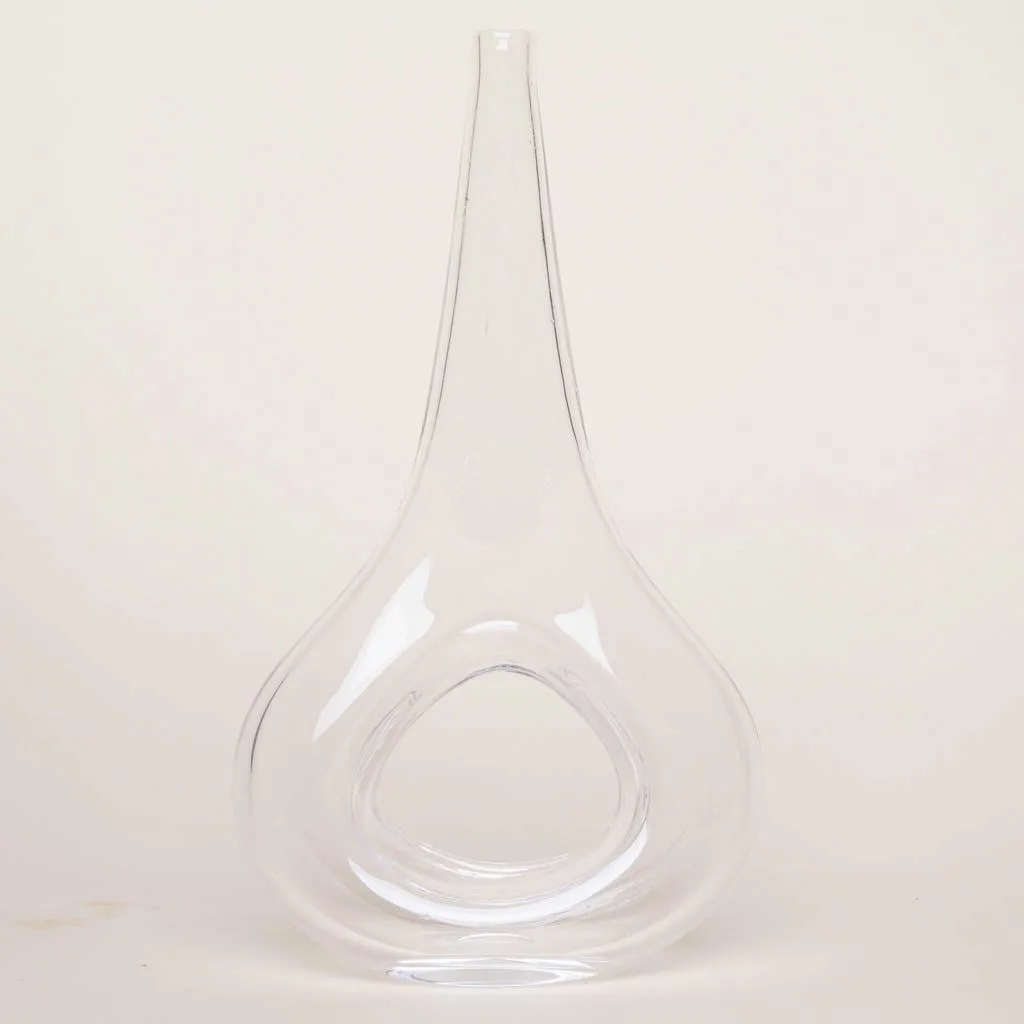
Loop Vase
Why Quality Gardening Gloves Matter
Gardening gloves are often treated as an afterthought, but they’re one of the most used tools in the shed. Cheap gloves tear after a few uses, leaving you with blisters or worse—a direct encounter with a rose thorn. High-quality durable garden gloves save you time and money by lasting through multiple seasons. They also improve your grip on wet handles and reduce hand fatigue during long planting sessions.
The right pair lets you work confidently with soil, compost, and even small stones without worrying about abrasions. For frequent tasks like potting up seedlings or pulling weeds, gloves with good breathability and a snug fit keep your hands comfortable hour after hour.
- Look for gloves that balance protection and dexterity—too thick and you lose control, too thin and you risk injury.
Key Features to Look For
Material matters most. Leather gloves offer excellent durability and puncture resistance for heavy-duty tasks like pruning or moving rocks, but they can be stiff and hot in summer. Synthetic materials like nitrile-coated or rubber-palmed gloves provide good grip and water resistance, making them ideal for wet soil and planting. Cotton or bamboo blends are breathable and lightweight for light weeding or seed starting, though they wear out faster.
Fit is equally important. Gloves that are too loose cause blisters and reduce your sense of touch; gloves that are too tight restrict circulation and make your hands cramp. Look for sizes that follow your hand measurements, and check for adjustable wrist closures that keep out dirt. Breathable backs or mesh panels help prevent sweaty palms in warm weather.
- For potting mix and fine work, choose close-fitting nitrile-coated gloves with a snug cuff.
- For rose pruning or brush clearing, go with goat leather gloves that extend past the wrist.
Matching Gloves to Your Gardening Tasks
Not every gardening chore calls for the same glove. Planting and potting require dexterity to handle small seeds and delicate roots—thin, flexible gloves with good grip work best here. Digging and raking involve more friction against handles, so padded palms or reinforced fingertips add comfort. Weeding in damp soil means you need waterproof or water-resistant materials to keep your hands dry.
If you regularly handle thorny plants or sharp tools, invest in a pair of heavy-duty leather or synthetic gloves with gauntlet cuffs that protect your forearms. For general maintenance and light planting, a pair of breathable cotton gloves with latex or nitrile dots on the palm and fingers can be a practical, affordable choice. Keeping two or three pairs for different tasks extends the life of each.
- Consider a glove caddy or bucket near your potting bench so you always grab the right pair.
Caring for Your Gardening Gloves
Even the most durable garden gloves need some upkeep. After each use, knock off excess dirt and let them air dry out of direct sunlight. For leather gloves, occasional conditioning with a mild soap keeps them supple. Wash synthetic gloves on a gentle cycle in cold water or by hand, then reshape them while damp. Avoid leaving them in a damp pile—they’ll develop odors and break down faster.
Inspect gloves regularly for holes or worn spots, especially at the fingertips and between thumb and index finger. Reinforcing small tears early can extend their life significantly. When they finally give out, recycle the materials if possible or repurpose them as cleaning rags.
- Store gloves in a dry, shaded spot—heat and moisture degrade rubber and leather quickly.
Choosing the right gardening gloves is a small decision that makes a big difference in your comfort and efficiency outdoors. Once your hands are protected, you can focus on the joy of planting, pruning, and harvesting. And when the work is done, treat yourself to a cool drink poured from a Luisa Carafe or display a garden bouquet in a Loop Vase—because the best part of gardening is savoring the results.