A good nonstick pan is a kitchen essential. Whether you're flipping eggs, searing fish, or stir-frying vegetables, a reliable nonstick surface makes cooking easier and cleanup faster. But with so many options on the market, how do you choose the best nonstick pan for your needs?
This guide will walk you through the key factors to consider: coating type, material, size, handle design, and more. By the end, you'll know exactly what to look for when buying nonstick cookware.
1. Coating Type: Ceramic vs Traditional Nonstick
The coating is the heart of any nonstick pan. Traditional nonstick pans use PTFE (Teflon) coatings, which offer excellent release but have raised health and environmental concerns. Ceramic nonstick coatings, on the other hand, are made from silica and are free of PTFE and PFOA. They provide a smooth, slick surface that is naturally nonstick and can withstand higher temperatures without releasing harmful fumes.
Ceramic pans are also more eco-friendly to produce. However, they may not be as durable as PTFE over many years. For most home cooks, a high-quality ceramic nonstick pan strikes the perfect balance between performance, safety, and ease of use. Brands like Caraway offer ceramic-coated pans that are oven-safe and designed to last.
- Ceramic nonstick: PTFE- and PFOA-free, heat-safe up to 450°F, eco-friendly.
- Traditional PTFE: excellent release, but may degrade at high heat; potential health concerns.
2. Material and Construction
The base material of the pan affects heat distribution and durability. Common options include aluminum, stainless steel, and hard-anodized aluminum. Aluminum heats quickly and evenly, but pure aluminum can warp. Hard-anodized aluminum is treated to be harder and more resistant to warping, making it a popular choice for nonstick pans.
Some pans, like Caraway's Fry Pan, feature a ceramic coating over an aluminum core with a magnetic stainless steel base for induction compatibility. This construction ensures even heating and long-lasting performance. When choosing a pan, look for a thick, heavy base that won't develop hot spots.
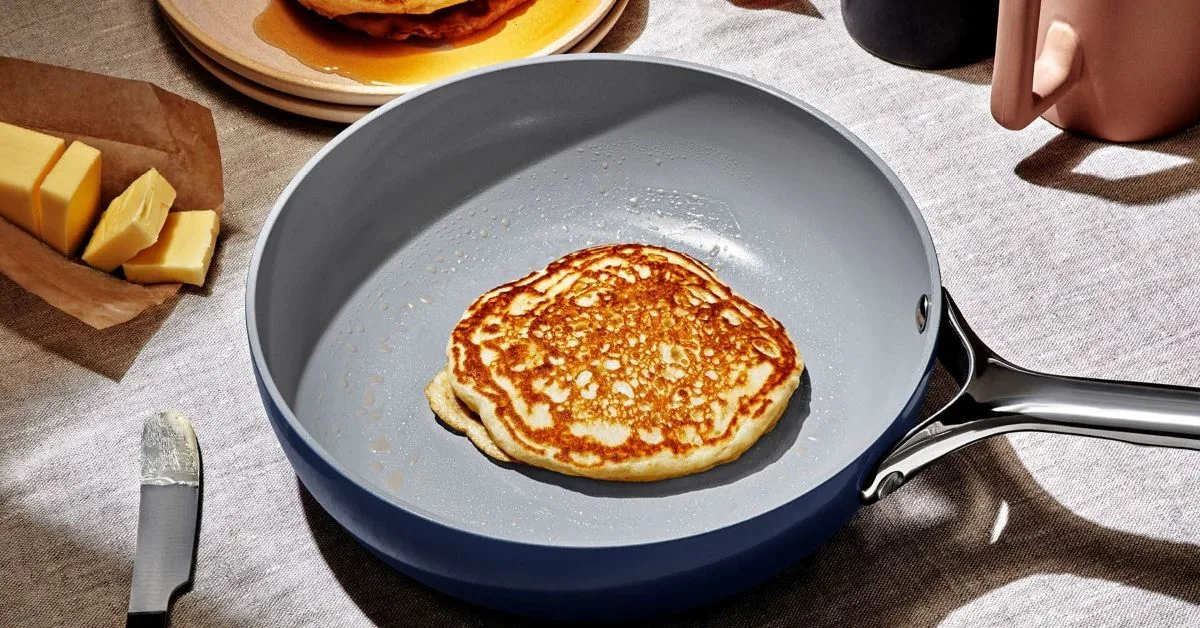
Fry Pan
- Hard-anodized aluminum: durable, even heat, warp-resistant.
- Induction-compatible base: essential if you have an induction cooktop.
3. Size and Shape: Which Pan Do You Need?
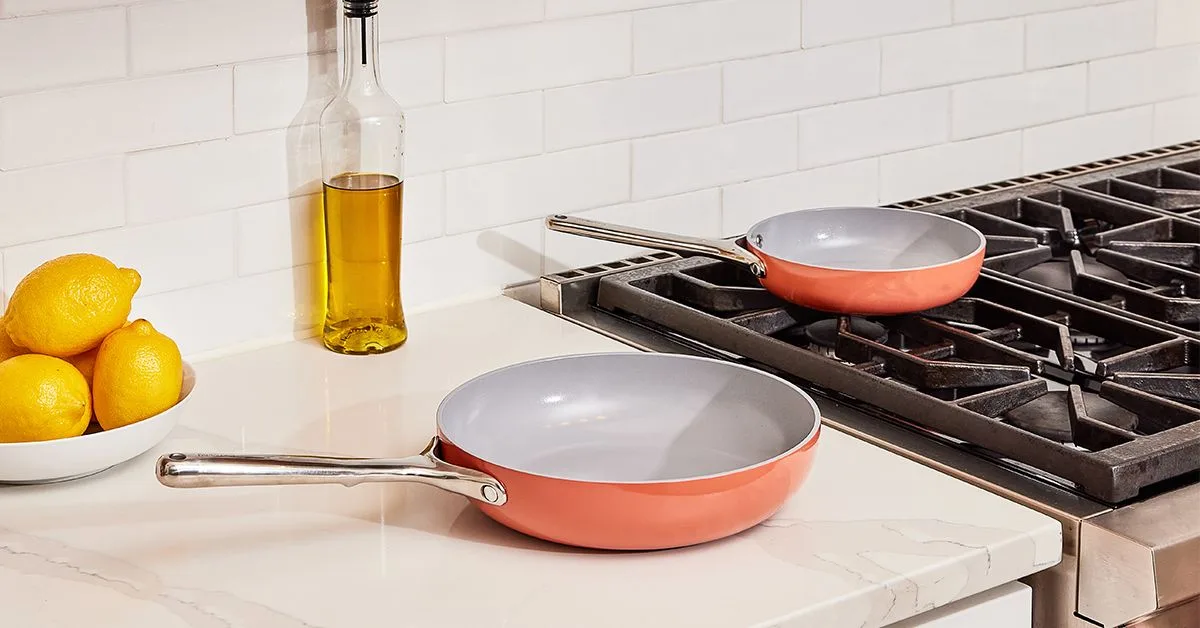
Nonstick pans come in various sizes and shapes, each suited for different tasks. A 10-inch or 12-inch fry pan is the most versatile, perfect for eggs, pancakes, and sautéing. A smaller 8-inch pan is great for single servings or melting butter. For stir-fries and larger batches, a stir fry pan with higher sides offers more capacity.
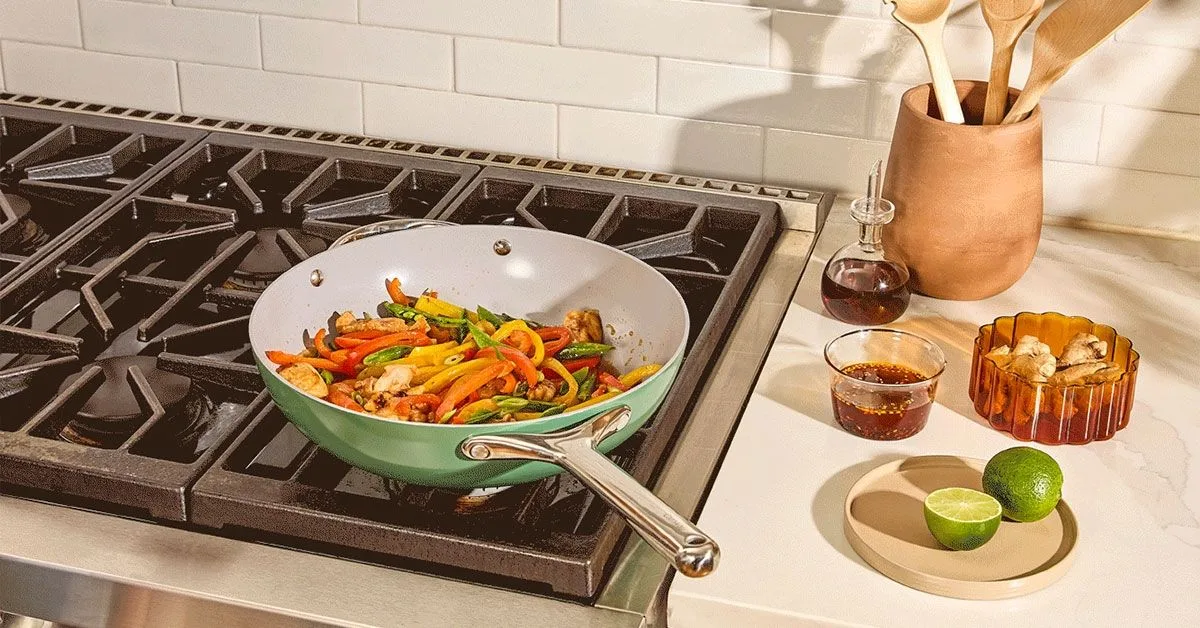
stir fry pan
Consider your typical cooking needs. If you often cook for one or two, a Mini Fry Pan might be ideal. For family meals, a larger pan like the Stir Fry Pan provides ample space. Many sets, such as the 7pc Fry & Sauté Set, include multiple sizes to cover all your bases.
- 8-inch: eggs, small portions, melting.
- 10-12 inch: everyday cooking, versatile.
- Stir fry pan: higher sides for tossing and larger volumes.
4. Handle and Lid Features
A comfortable, stay-cool handle is crucial for safe and comfortable cooking. Look for handles that are ergonomically shaped and made of materials that resist heat, such as silicone or stainless steel. Some pans have riveted handles that are securely attached and oven-safe.
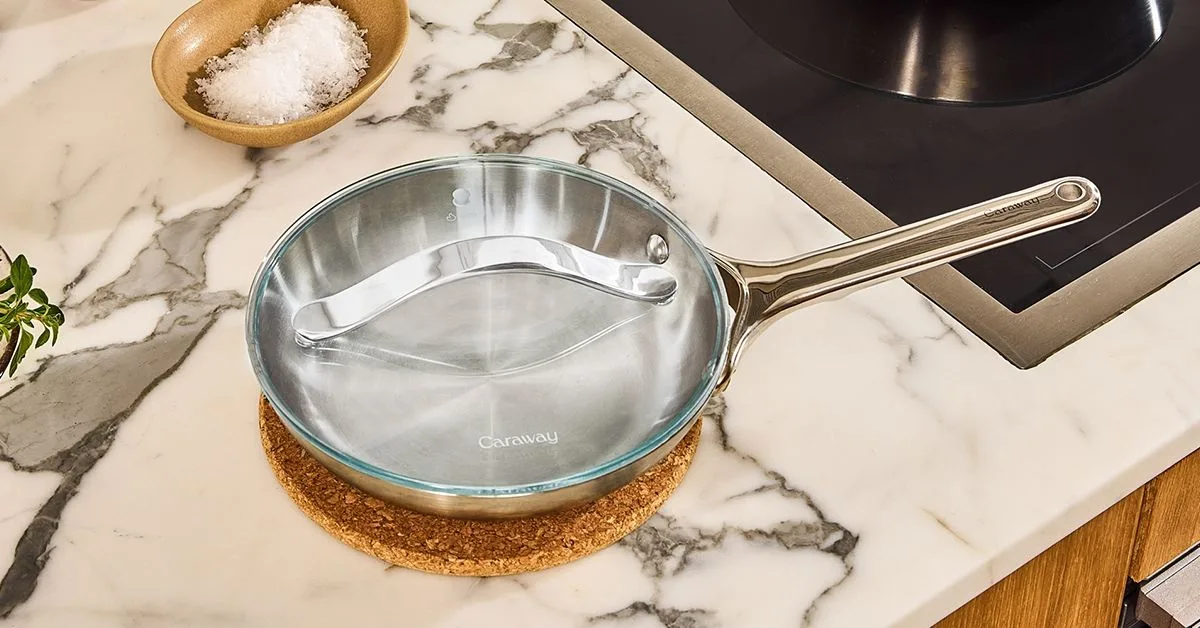
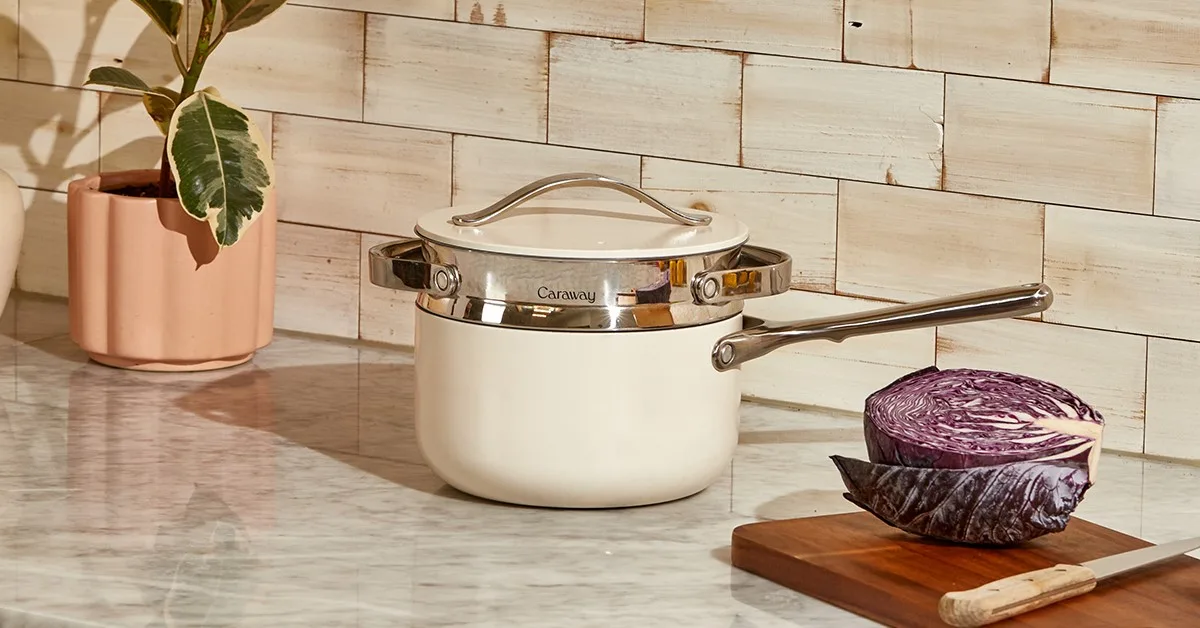
Lids are another consideration. A glass lid lets you monitor cooking without lifting the lid, while a metal lid is more durable. Some pans come with lids that fit snugly to trap steam. For example, the Steamer Duo includes a lid that doubles as a steamer basket, adding versatility.
- Stay-cool handle: reduces risk of burns.
- Oven-safe handle: allows finishing dishes in the oven.
- Glass lid: convenient for monitoring; metal lid: more durable.
5. Durability and Maintenance
Nonstick pans require some care to last. Avoid using metal utensils, which can scratch the coating. Instead, opt for silicone, wood, or nylon tools. Hand washing with a soft sponge is recommended, as dishwashers can degrade the coating over time.
High-quality ceramic nonstick pans, like those from Caraway, are designed to be more durable and resistant to chipping. Proper maintenance can extend the life of your pan significantly. Always let the pan cool before washing to prevent warping.
- Use silicone or wooden utensils to protect the coating.
- Hand wash with mild detergent and a non-abrasive sponge.
- Avoid high heat; medium heat is usually sufficient for nonstick.
6. Oven Safety and Versatility
Many nonstick pans are oven-safe up to a certain temperature, which adds versatility for recipes that start on the stovetop and finish in the oven. Check the manufacturer's specifications. Ceramic nonstick pans often have higher heat tolerances than PTFE pans.
For example, Caraway's pans are oven-safe up to 450°F, allowing you to sear meat on the stove and then transfer the pan to the oven. This feature is especially useful for one-pan meals.
- Oven-safe up to 450°F: allows stovetop-to-oven cooking.
- Check handle material: some handles are not oven-safe.
Choosing the best nonstick pan comes down to your cooking style, priorities, and budget. Focus on a ceramic coating for safety and eco-friendliness, a sturdy construction for even heating, and the right size for your meals. With proper care, a quality nonstick pan will serve you for years. Ready to upgrade your cookware? Explore the Caraway Fry Pan and other options to find your perfect match.