Taking your dog for a car ride is a joy, but it comes with serious safety responsibilities. An unrestrained dog can be a dangerous projectile in a crash, risking injury to both themselves and passengers. Using a dog harness in the car is one of the most effective ways to keep your furry friend safe, but it's not as simple as clipping any harness to the seatbelt. This guide covers the best practices for using a dog harness for car travel, ensuring comfort and security on every journey.
From choosing the right harness to proper installation and acclimation, we'll walk you through everything you need to know. Whether you're heading to the park or on a long road trip, these tips will help you make smart, safe choices for your canine companion.
Why a Dog Harness is Essential for Car Safety
Many pet owners let their dogs roam freely in the car, but this is extremely risky. In a sudden stop or collision, an unrestrained dog can be thrown forward with tremendous force, potentially hitting the windshield or injuring passengers. Even in a minor accident, a panicked dog might bolt out of the car and into traffic. A properly used dog harness in the car keeps your pet secured in place, reducing the risk of injury and escape.
Additionally, a harness prevents distractions. A dog that's free to move around can interfere with the driver's ability to focus, leading to accidents. By using a car restraint for dogs, you promote safer driving and a calmer pet. Unlike collars, which can cause neck injuries if attached to a seatbelt, a harness distributes force across the chest and back, making it a safer choice for car rides.
- Prevents injury in case of sudden stops or collisions
- Reduces driver distraction and keeps your dog calm
- Distributes crash forces evenly, unlike collars
Choosing the Right Harness for Car Travel
Not all harnesses are designed for car use. Look for a harness that is specifically marketed as crash-tested or suitable for vehicle travel. A good car harness should have sturdy buckles, reinforced stitching, and a seatbelt pass-through loop. The FORMFIT® Mesh Harness is a popular choice for everyday walks, but for car rides, you might consider a harness that offers more robust construction and a secure attachment point.
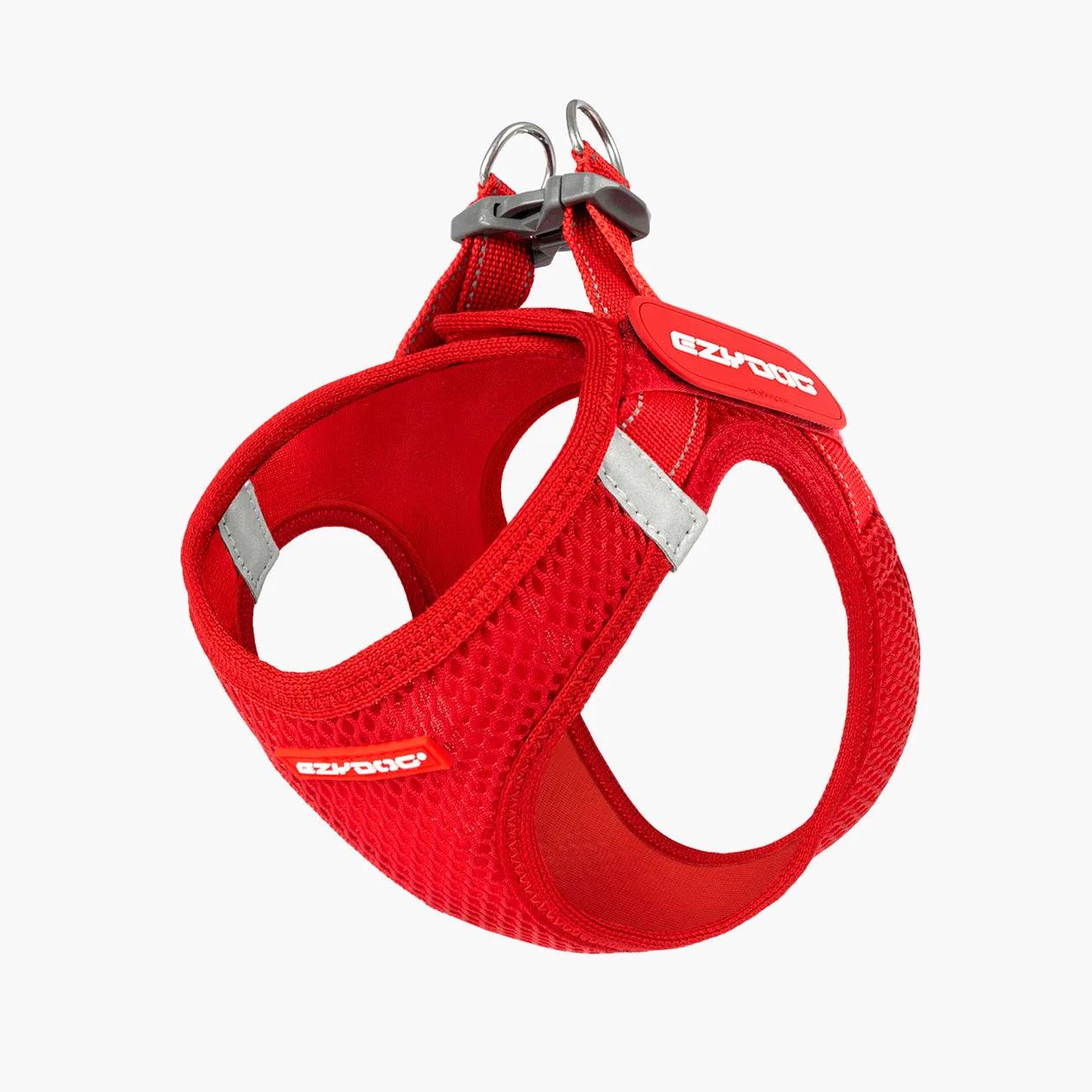
FORMFIT® Mesh Harness
When selecting a harness for car rides, consider your dog's size and comfort. The harness should fit snugly but not restrict movement. For smaller dogs, a lightweight option like the Micro DFDTM Life Jacket is not suitable for car travel, but a well-fitting harness like the Neo MongrelTM Web can be used with a seatbelt adapter. Always check the manufacturer's guidelines to ensure the harness is compatible with car restraints.
- Look for crash-tested harnesses with seatbelt loops
- Ensure a snug but comfortable fit
- Check compatibility with your vehicle's seatbelt system
How to Properly Use a Harness with a Seatbelt
Once you have a suitable harness, it's crucial to use it correctly. Most harnesses designed for car travel have a loop or strap that you can thread the seatbelt through. Start by buckling the seatbelt, then pass it through the harness loop and buckle it again. The harness should be positioned on your dog's chest, with the seatbelt across their body, not their neck. Ensure there is minimal slack so your dog can sit or lie down but not move around excessively.
For optimal safety, your dog should be in the back seat, preferably in the middle, away from airbags. Airbags can deploy with great force and cause serious injury to a dog in the front seat. Never attach a harness to a headrest or any other part of the car that isn't designed for restraint. The seatbelt should be the only attachment point. If you're unsure about the setup, consult your harness's manual or seek professional advice.
- Thread the seatbelt through the harness loop and buckle
- Position the harness on the chest, not the neck
- Keep your dog in the back seat, away from airbags
Acclimating Your Dog to the Harness in the Car
Some dogs may resist wearing a harness or being restrained in the car. To make the experience positive, start by letting your dog wear the harness around the house for short periods. Pair it with treats and praise to create a positive association. Then, practice sitting in the car with the harness on but not buckled in. Gradually progress to short trips around the block, rewarding calm behavior.
During longer journeys, take regular breaks to let your dog stretch and relieve themselves. Keep the car well-ventilated and never leave your dog alone in a hot car. If your dog experiences motion sickness, consult your vet about remedies. Remember, a calm and comfortable dog is more likely to accept the harness and enjoy the ride.
- Introduce the harness gradually with positive reinforcement
- Start with short trips and increase duration slowly
- Take breaks on long journeys for exercise and bathroom needs
Additional Tips for Safe and Comfortable Car Rides
In addition to using a harness, consider other safety measures. Use a pet barrier or a crate if your dog is particularly anxious. Ensure your dog's ID tags are up to date in case of an accident. For extra comfort, bring along a favorite toy or blanket. The DogstarTM Flying Disc is a great toy to keep your dog entertained during breaks, but avoid giving toys while the car is moving to prevent choking hazards.
When traveling with a dog, always plan ahead. Make sure your harness is in good condition—check for wear and tear regularly. If you're using a harness that also serves for walking, like the ClickTM Zero Shock, ensure it's compatible with car use. Some harnesses have a special car mode or come with a seatbelt attachment. Investing in a dedicated car harness or a bundle like the Hiking Bundle can provide both outdoor and travel safety.
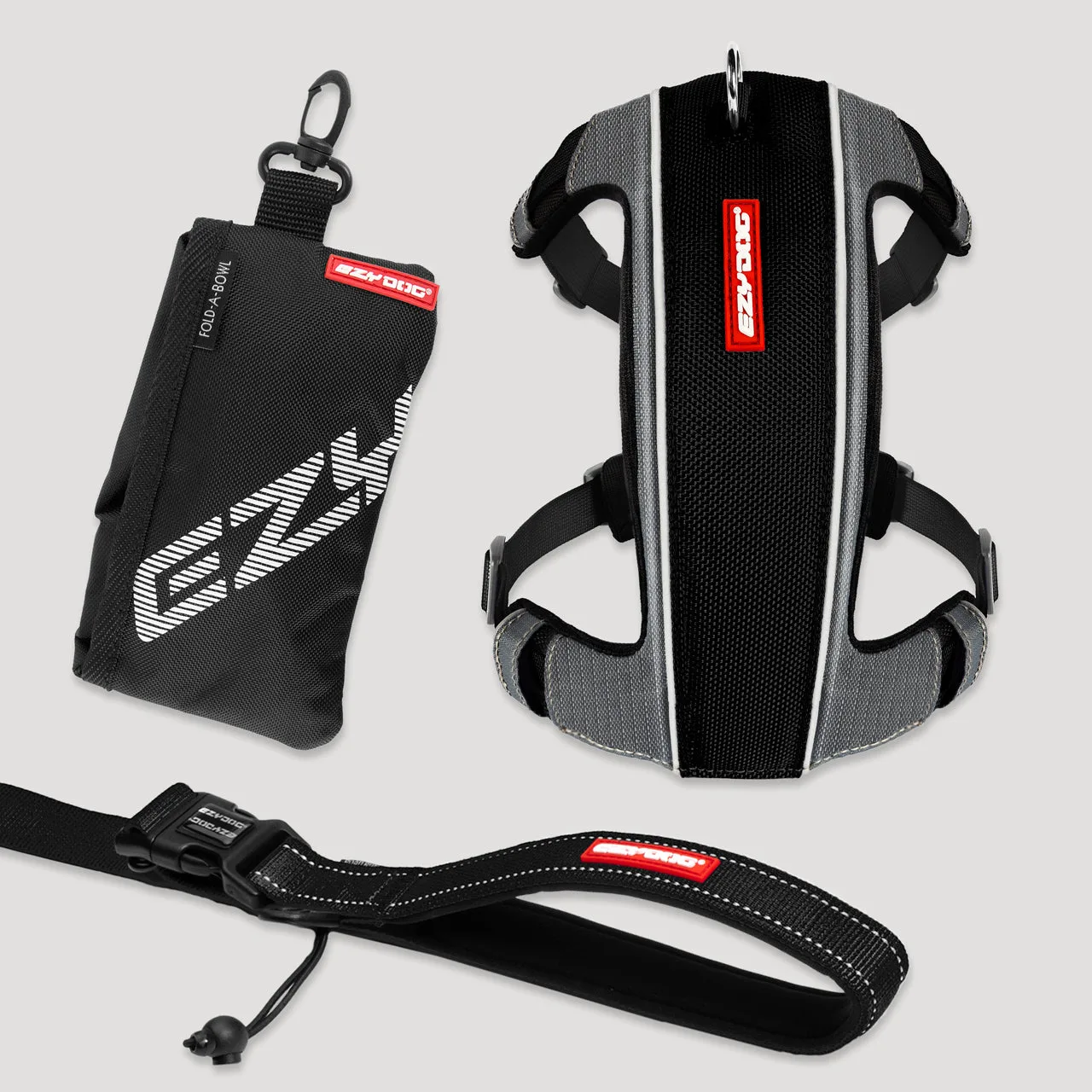
Hiking Bundle
- Check harness condition regularly for fraying or damage
- Use a pet barrier or crate if needed
- Keep ID tags updated and pack essentials for breaks
Using a dog harness in the car is a simple yet vital practice for every pet owner. By choosing the right harness, installing it correctly, and acclimating your dog, you ensure a safe and enjoyable travel experience for both of you. Remember, safety comes first—so invest in a quality harness that meets your needs. For a reliable and comfortable option, explore the FORMFIT® Mesh Harness and make every car ride a secure adventure.