When you start a supplement routine, one of the most common questions is: what is the best time to take supplements? The answer isn't one-size-fits-all. Some nutrients absorb better on an empty stomach, while others need food to avoid stomach upset. Some energize you, so they're best in the morning; others promote relaxation and are ideal at night.
This practical guide breaks down the best times to take common supplements, explains how to build a supplement schedule for women, and shares tips to help you stay consistent. Whether you're new to supplements or looking to optimize your current routine, understanding timing can make a real difference in how you feel.
Why Timing Matters for Supplements
Your body processes different nutrients in different ways. Some vitamins are water-soluble, meaning they are excreted in urine if you take too much, so taking them with meals can help absorption. Others are fat-soluble, so they need dietary fat to be absorbed properly. Taking them on an empty stomach may reduce their effectiveness.
Additionally, some supplements can interfere with sleep or energy levels. For example, B vitamins and certain greens powders can be stimulating, while magnesium and some herbal blends promote calmness. Timing them appropriately can help you feel their benefits without unwanted side effects.
Consistency is also key. Taking your supplements at the same time each day helps you remember them and maintains steady levels in your body. Building a routine that fits your lifestyle is more important than following a rigid schedule.
- Water-soluble vitamins (like B-complex and vitamin C) are best taken with food to reduce stomach upset.
- Fat-soluble vitamins (A, D, E, K) need dietary fat for absorption, so take them with a meal containing healthy fats.
- Some minerals, like calcium and magnesium, can compete for absorption, so it's wise to space them out.
Morning vs. Evening: What to Take When
The morning is ideal for supplements that boost energy, support metabolism, or need to be taken with breakfast. For example, a multivitamin or B-complex can help kick-start your day. If you take a greens powder or a collagen supplement, morning is a great time to mix it into your smoothie or coffee.
Evening is better for supplements that promote relaxation, support sleep, or aid overnight repair. Magnesium is a popular choice for winding down, and certain hormone-balancing supplements are often recommended at night to align with your body's natural rhythms.
However, some supplements can be taken at any time of day, as long as you're consistent. The key is to listen to your body and adjust based on how you feel. For instance, if a supplement gives you energy, avoid taking it too late in the day.
- Morning: B vitamins, vitamin C, greens powders, collagen, and energy-supporting blends.
- Evening: magnesium, calming herbal blends, and supplements that support overnight recovery.
- If a supplement causes insomnia, move it to the morning; if it makes you sleepy, take it at night.
Timing with Meals: Empty Stomach vs. With Food
Some supplements are best taken on an empty stomach for maximum absorption. For example, certain probiotics and digestive enzymes are often recommended 20-30 minutes before a meal. On the other hand, supplements that can irritate the stomach, like iron or some herbal extracts, should be taken with food.
Fat-soluble vitamins (A, D, E, K) need dietary fat to be absorbed, so they should be taken with a meal that contains healthy fats like avocado, nuts, or olive oil. Similarly, some antioxidants, like curcumin, are better absorbed when taken with fat.
If you're unsure, a good rule of thumb is to take most supplements with a meal. This not only helps absorption but also reduces the risk of stomach upset. For those that are specifically formulated to be taken on an empty stomach, the label will usually say so.
- Probiotics: take 20-30 minutes before breakfast or before a meal.
- Fat-soluble vitamins: take with a meal containing healthy fats.
- Iron: take with food to avoid stomach upset, but avoid calcium at the same time.
Building Your Personal Supplement Schedule
Creating a supplement schedule for women involves considering your daily routine, your health goals, and the specific supplements you take. A simple way to start is to group your supplements into morning, midday, and evening categories.
For example, you might take a women's multivitamin and a greens powder in the morning, a probiotic with lunch, and a magnesium supplement in the evening. If you're taking a hormone-balancing supplement like Her Cycle Hormone Balance Supplement, follow the label's instructions, but many women find it works well in the evening.
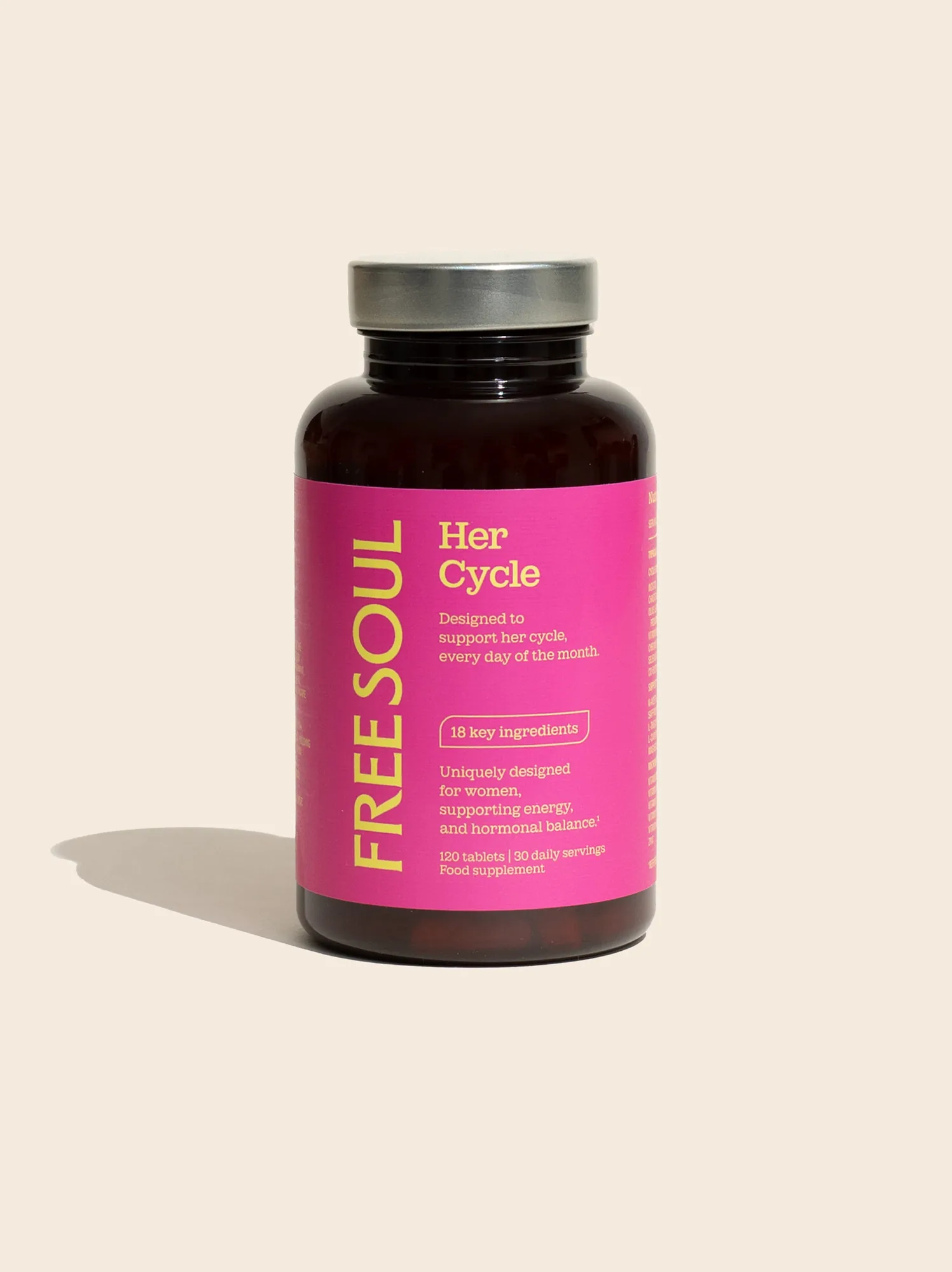
Her Cycle Hormone Balance Supplement
Remember to check each supplement's label for specific timing instructions. Some supplements are best taken at certain times of day to avoid interactions with food or other supplements. If you're ever in doubt, consult a healthcare professional.
- Use a pill organizer to keep your supplements organized by time of day.
- Set a daily alarm or pair supplement-taking with an existing habit like brushing your teeth.
- Keep a journal to track how you feel and adjust timing as needed.
Special Considerations for Women's Supplements
Women have unique nutritional needs that can influence supplement timing. For example, iron is often needed during menstruation, and calcium is important for bone health, especially after menopause. Taking these at the right time can enhance their benefits.
Hormone-balancing supplements, like those containing chasteberry or maca, are often recommended to be taken at the same time each day. Some women prefer taking them at night to minimize any potential daytime side effects. Similarly, supplements that support intimate flora are often taken with meals to ensure they reach the gut.
When choosing supplements, look for products that are formulated with women's needs in mind. For example, Intimate Flora for Women is designed to support vaginal health, and taking it consistently with meals can help maintain a healthy balance.

Intimate Flora for Women
- Iron: take with vitamin C to enhance absorption, and avoid calcium at the same time.
- Calcium: take in divided doses (e.g., 500 mg at a time) for better absorption.
- Hormone-balancing supplements: take at the same time daily, often in the evening.
Common Mistakes to Avoid
One common mistake is taking all your supplements at once. This can lead to nutrient interactions or reduced absorption. For example, calcium can interfere with iron absorption, so it's best to take them at different times of day.
Another mistake is taking supplements that are meant to be taken with food on an empty stomach, which can cause nausea. Conversely, taking those meant for empty stomach with food may reduce their effectiveness.
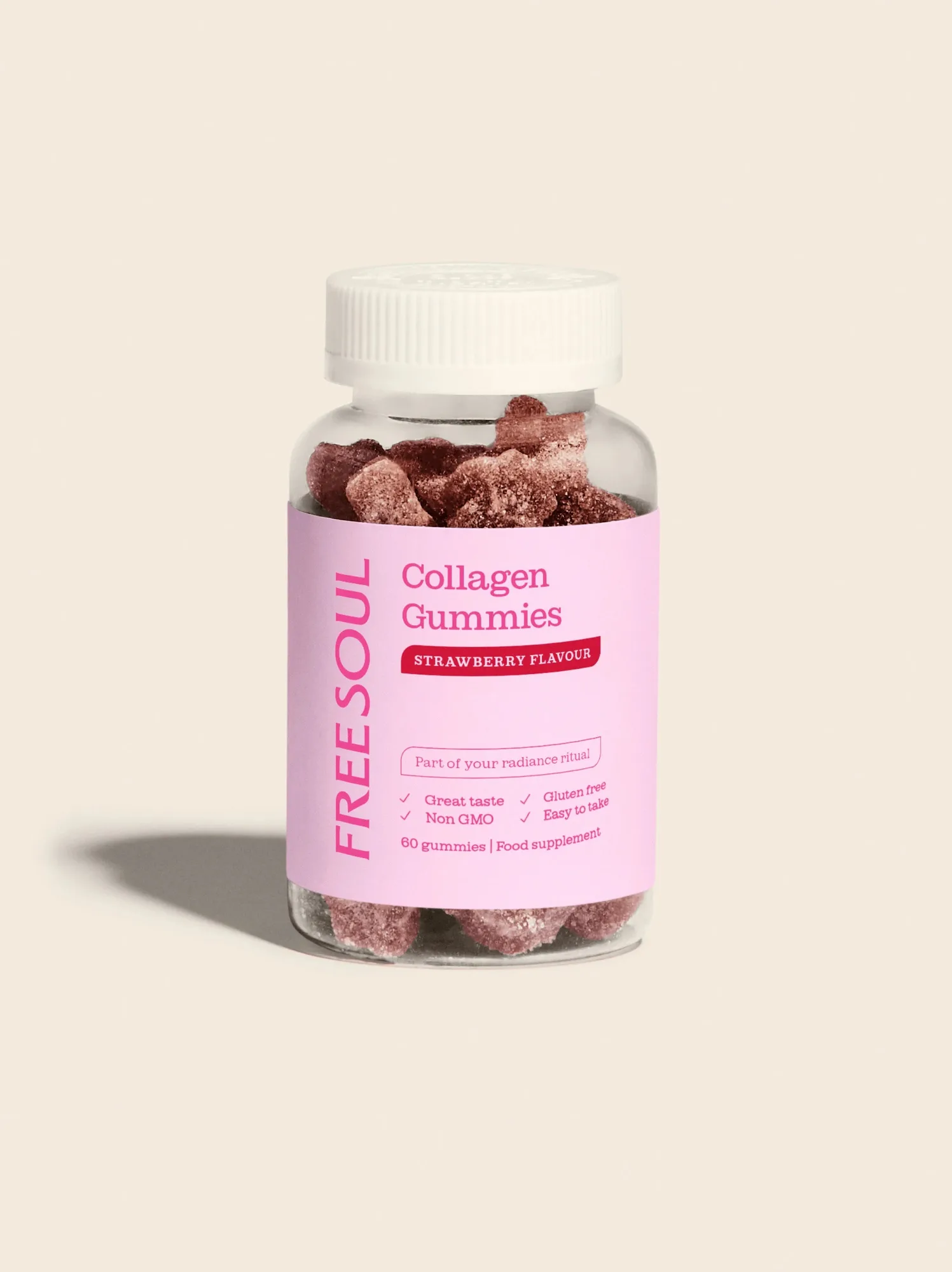
Finally, don't ignore the label instructions. Supplements like Collagen Gummies may be designed to be taken at any time, but others have specific timing requirements. Always read the label and follow the manufacturer's recommendations.
- Avoid taking calcium and iron together.
- Don't take fat-soluble vitamins without any fat in your meal.
- Don't double up on supplements if you miss a dose; just resume your normal schedule.
Finding the best time to take supplements is about understanding your body and your routine. By following these timing guidelines and building a consistent supplement schedule for women, you can maximize the benefits of your supplements. Remember to listen to your body and adjust as needed. For high-quality supplements designed with women in mind, explore our range, including the Her Cycle Hormone Balance Supplement and Collagen Gummies, to support your wellness journey.