When it comes to watercolor painting, the brush you choose can make or break your ability to capture fine details. Whether you're painting delicate flower petals, tiny eyes on a portrait, or intricate architectural lines, having the right detail brush is essential. In this buyer's guide, we'll explore what makes a great watercolor brush for detail work, the key features to look for, and how to choose the best brush for your style in 2026.
Detail brushes are typically small, with fine points that hold a sharp tip even when loaded with paint. They allow you to paint with precision, control, and confidence. From synthetic to natural hair, round to liner, we'll break down the options so you can find the perfect tool for your next masterpiece.
Why Brush Shape Matters for Detail Work
The shape of the brush tip is the most important factor for detail painting. Round brushes are the most versatile for details because they come to a fine point and can hold a good amount of water and pigment. A high-quality round brush will keep its point even after many strokes, allowing you to paint everything from thin lines to small washes.
Liner or rigger brushes have long, thin bristles that hold a lot of liquid and are perfect for continuous lines, such as stems, wires, or hair. They are excellent for calligraphic strokes and flowing details. For extremely fine work, a spotter brush with very short bristles gives you maximum control for tiny dots and precise touches.
- Round: Best all-around detail brush, holds a point well.
- Liner/Rigger: Long bristles for long, flowing lines.
- Spotter: Short bristles for maximum control and tiny details.
- Dagger/Striper: Angled tip for decorative strokes and lettering.
Natural Hair vs. Synthetic: Which Is Better for Details?
Natural hair brushes, such as sable, are prized for their ability to hold a sharp point and release paint evenly. Kolinsky sable is the gold standard for detail work because the bristles are naturally tapered and resilient. However, they come with a high price tag and require careful maintenance.
Synthetic brushes have improved dramatically in recent years. High-quality synthetics can mimic the snap and point of natural hair at a fraction of the cost. They are also more durable and easier to clean, making them a great choice for beginners or artists who paint with acrylics or gouache. For watercolor, a blend of synthetic and natural hair can offer the best of both worlds.
- Natural hair (sable): Superior point and paint release, expensive.
- Synthetic: Affordable, durable, good point retention, vegan-friendly.
- Blend: Combines snap of synthetic with softness of natural hair.
Key Features to Look for in a Detail Brush
When shopping for a detail brush, pay attention to the ferrule (the metal band that holds the bristles). A seamless ferrule prevents water and paint from seeping into the handle, which can cause rust and loosen the bristles. Look for brushes with crimped ferrules that are securely attached.
The handle should be comfortable to hold for extended periods. Some artists prefer short handles for close-up work, while others like long handles for more freedom of movement. Balance is key – the brush should feel natural in your hand. Also, consider the size: for most watercolor details, sizes 0 to 3 are ideal, but some artists use size 00 or even 000 for ultra-fine work.
- Seamless, rust-proof ferrule for longevity.
- Comfortable, well-balanced handle.
- Sharp, resilient point that holds after multiple strokes.
- Size range: 0 to 3 for most detail work.
Top Brush Recommendations for Detail Painting
Princeton watercolor brushes are a favorite among artists for their quality and value. Their Princeton Neptune series features synthetic bristles that hold a sharp point and have excellent snap, making them ideal for fine details. The Princeton Velvetouch line offers a blend of synthetic and natural hair for a softer feel and superior paint capacity.
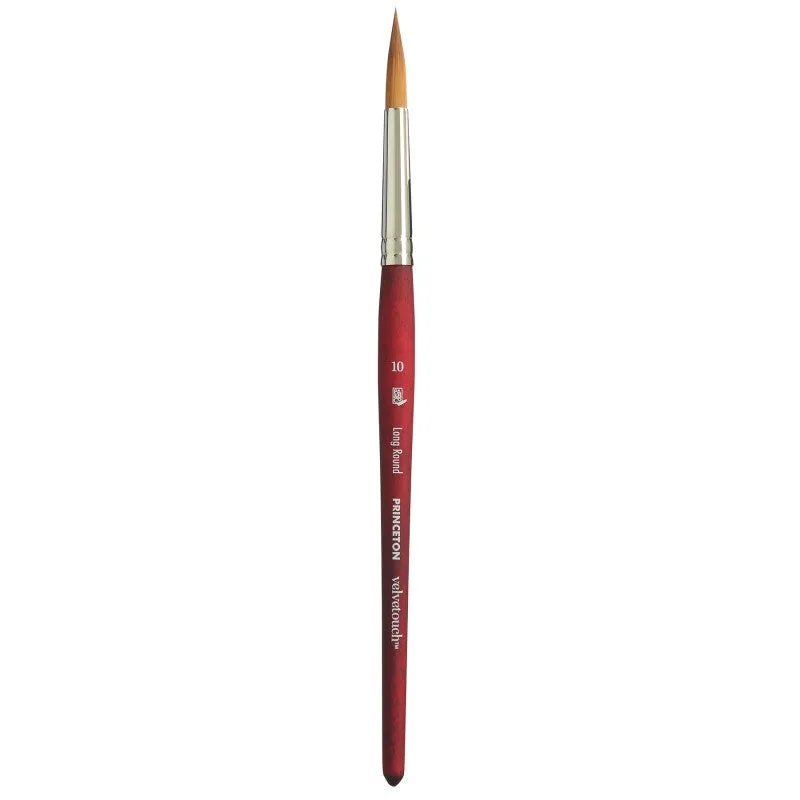
Princeton watercolor brushes
For those who prefer natural hair, the Da Vinci Maestro series offers top-tier Kolinsky sable brushes with unbeatable points. However, if you're on a budget, the Royal & Langnickel Zen series provides good synthetic options that perform well for detail work. When choosing, consider the type of detail you paint most often and match the brush shape to your needs.
- Princeton Neptune: Synthetic, great point and snap, affordable.
- Princeton Velvetouch: Blend, soft yet resilient, good for washes and details.
- Da Vinci Maestro: Kolinsky sable, premium for fine details.
- Royal & Langnickel Zen: Budget-friendly synthetic, decent point.
How to Care for Your Detail Brushes
To keep your detail brushes in top condition, always rinse them thoroughly after each use with clean water. Avoid letting paint dry in the bristles, as this can ruin the point. Use a gentle brush soap occasionally to remove stubborn pigment and reshape the tip.
Store your brushes upright or flat, never resting on the bristles. For travel, use a brush case to protect the tips. With proper care, a good detail brush can last for years, making it a worthwhile investment for your art practice.
- Rinse immediately after use with lukewarm water.
- Use brush soap weekly to maintain shape and cleanliness.
- Store upright or flat in a brush holder or case.
- Never leave brushes soaking in water for long periods.
Finding the best watercolor brush for detail work is a personal journey that depends on your painting style and budget. Whether you choose a natural sable for its unmatched point or a high-quality synthetic for durability, the right brush will elevate your art. Start with a reliable round brush in size 0 or 1, and expand your collection as you discover your preferences. For a great starting point, check out the Princeton watercolor brushes available at our store – they offer excellent performance for detail work without breaking the bank. Happy painting!