Your skincare tools are an investment in your skin's health, but they only work well if they're clean. Dirty tools can harbor bacteria, oil, and dead skin cells, which can lead to breakouts and irritation. Whether you use a facial roller, an oil control roller, or any other beauty gadget, proper cleaning is essential.
In this guide, we'll walk you through the best ways to clean and care for your skincare tools. You'll learn why hygiene matters, how to clean different types of tools, and how to maintain them for long-lasting use. Plus, we'll share tips on incorporating these tools into your routine for the best results.
Why Skincare Tool Hygiene Matters
Skincare tools come into direct contact with your skin, and if they're not cleaned regularly, they can transfer dirt, oil, and bacteria back onto your face. This can clog pores, trigger acne, and even cause infections. For people with acne-prone skin, using a dirty tool is like rubbing bacteria into your pores.
Regular cleaning also extends the life of your tools. Residue from skincare products can build up and affect the tool's performance. For example, a face roller that isn't cleaned properly may glide less smoothly, and an oil control roller may not pick up excess oil as effectively. Keeping your tools clean ensures they work as intended.
- Clean tools prevent breakouts and skin irritation
- Proper maintenance keeps tools effective and long-lasting
- Hygiene is especially important for acne-prone skin
How to Clean Different Types of Skincare Tools
The cleaning method depends on the material and design of your tool. Here are some general guidelines for common tools:
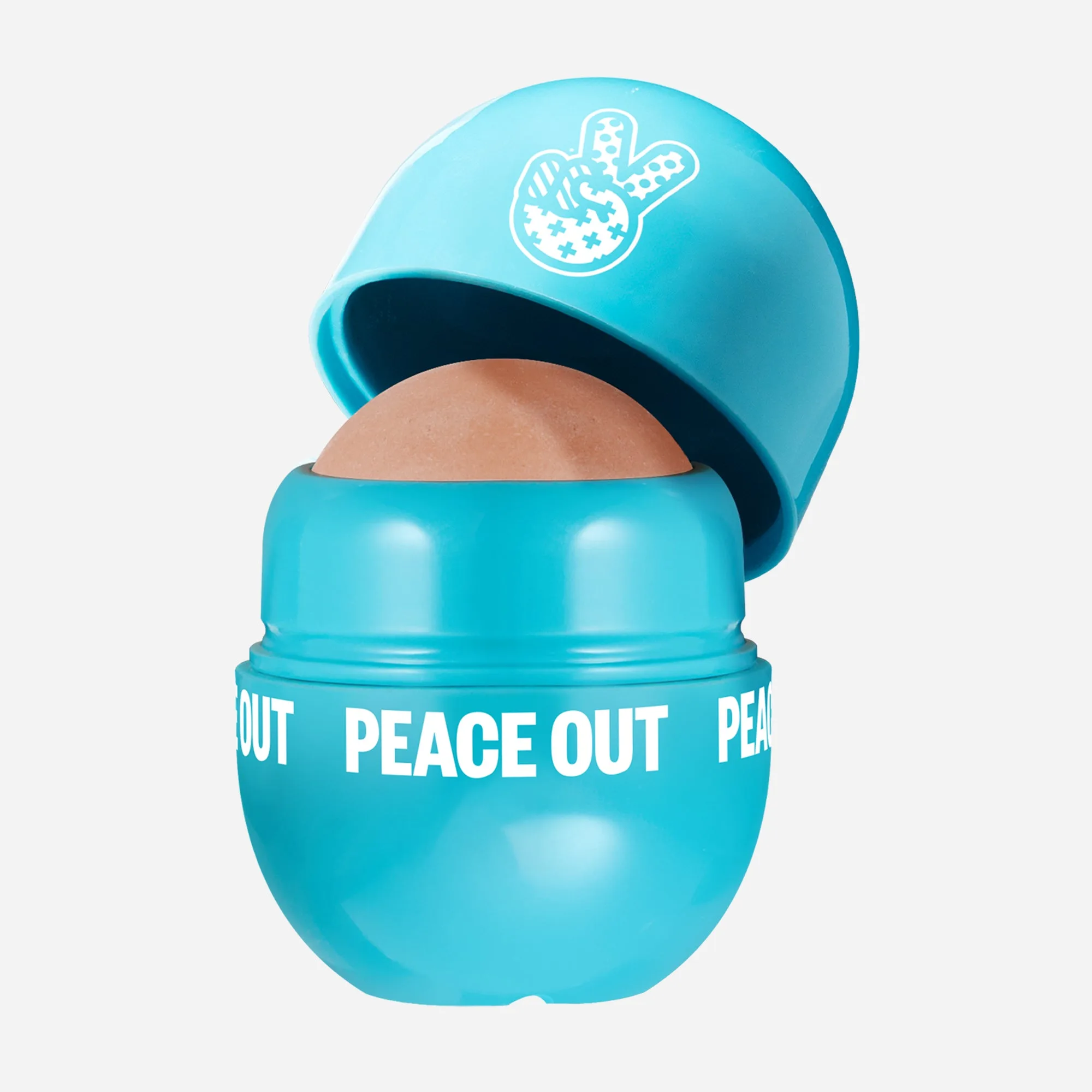
For face rollers (like jade or quartz rollers), use a gentle soap or a mild cleanser with warm water. Avoid harsh chemicals that can damage the stone. Rinse thoroughly and dry with a soft cloth. For oil control rollers, which often have a metal or plastic head, you can use a cotton pad soaked in rubbing alcohol to disinfect the roller ball. Make sure to dry it completely before storing.
If you use tools like the Oil Control Roller (note: this is a placeholder link, but in the actual output we will only mention product names as plain text), you should clean it after each use to remove the oil and debris it picks up. For tools with porous surfaces, like some sponges or brushes, you may need to soak them in a cleaning solution periodically.
- Face rollers: mild soap and warm water
- Oil control rollers: rubbing alcohol on a cotton pad
- Always dry tools completely before storing
Step-by-Step Cleaning Routine for Your Skincare Tools
To make cleaning a habit, follow this simple routine: First, gather your tools and a cleaning solution. For most tools, a gentle cleanser or a mixture of warm water and a few drops of dish soap works well. For metal tools, you can also use a 70% isopropyl alcohol solution.
Second, clean each tool thoroughly, paying attention to any crevices or textured areas. Use a soft brush or cloth to remove any residue. Third, rinse with clean water to remove any soap or alcohol. Finally, dry with a lint-free towel and store in a clean, dry place. Avoid leaving tools in damp environments, as this can promote mold growth.
For tools like the Oil Control Roller (again, placeholder), you may want to clean it more frequently, especially if you use it daily. Similarly, if you use a facial roller with your skincare products, clean it at least once a week to prevent product buildup.
- Clean after each use for tools that come into contact with oil or acne
- Use a gentle cleanser or alcohol for disinfection
- Dry thoroughly to prevent bacteria growth
Maintaining Your Tools for Longevity
Proper maintenance goes beyond cleaning. Store your tools in a cool, dry place away from direct sunlight. Extreme temperatures can damage some materials, like certain stones or plastics. Also, check your tools regularly for signs of wear and tear, such as cracks or loose parts. Replace them if they become damaged to avoid injuring your skin.
For tools that use batteries or have electronic components, make sure to remove batteries if you won't use them for a while. Wipe down handles and buttons with a damp cloth, but avoid submerging them in water. Following the manufacturer's instructions is always the best approach.
- Store tools in a dry, cool place
- Inspect tools regularly for damage
- Follow manufacturer's care instructions
Integrating Clean Tools into Your Skincare Routine
Now that your tools are sparkling clean, you can use them to enhance your skincare routine. For example, using a clean Oil Control Roller on your T-zone can help manage excess oil throughout the day. Pair it with a good skincare regimen that includes a gentle cleanser like the Pore Perfecting Cleanser to keep your pores clear.
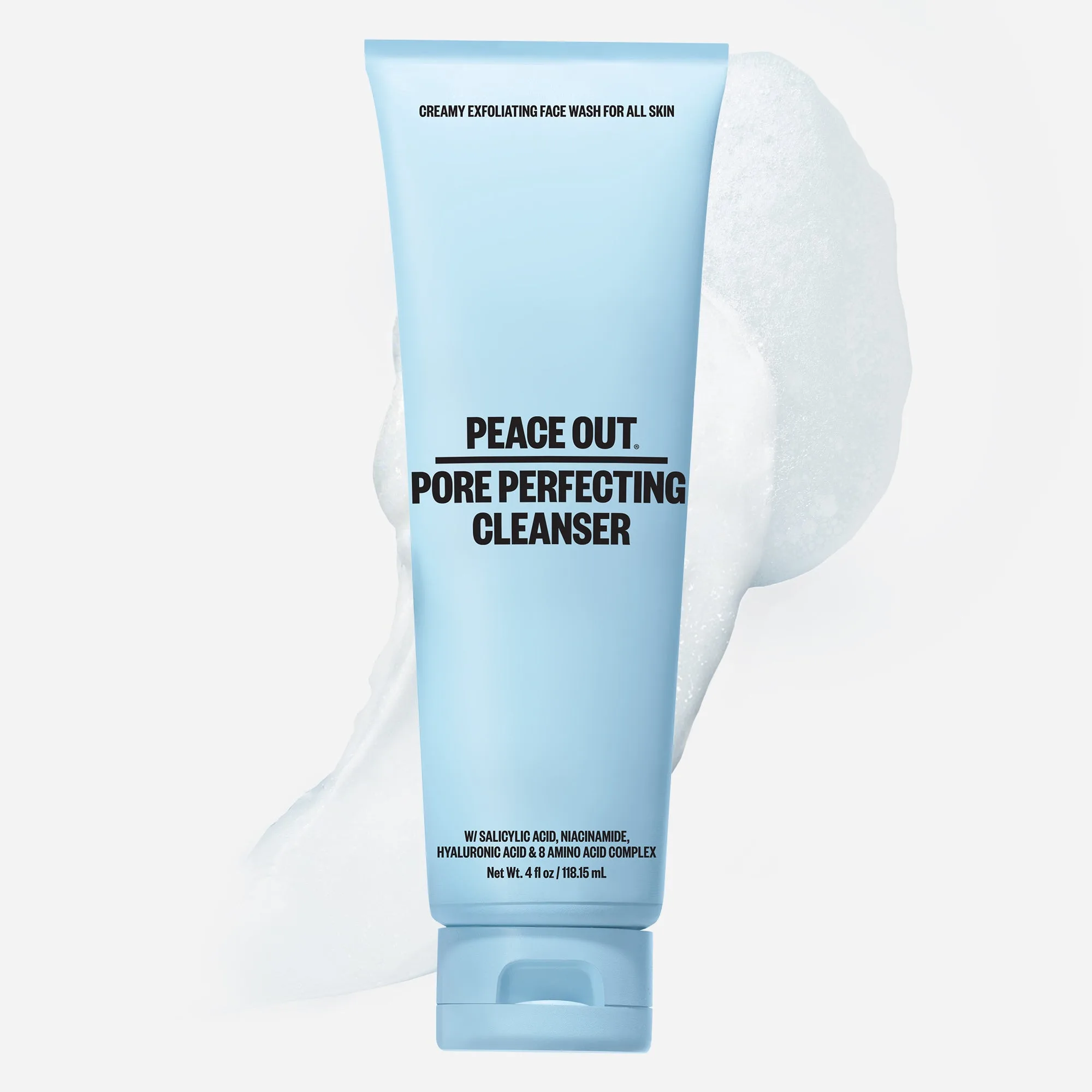
Pore Perfecting Cleanser
Remember, tools are meant to complement your skincare products, not replace them. Always apply your skincare products to clean skin, and use tools as directed. If you have acne, consider using tools that are easy to disinfect, like metal rollers, and avoid sharing them with others.
- Use clean tools to apply skincare products more effectively
- Combine tools with a consistent skincare routine
- Avoid sharing tools to prevent cross-contamination
Keeping your skincare tools clean is a small but crucial step in maintaining healthy skin. By following these cleaning and care tips, you'll ensure your tools remain effective and hygienic for years to come. Ready to upgrade your routine? Explore our range of skincare tools and find the perfect addition to your daily regimen.