Vinyl records have made a remarkable comeback, and for good reason. The warm analog sound and tangible artwork create a listening experience that digital formats simply can't replicate. But owning a record collection comes with responsibility: proper storage and care are essential to preserve both the audio quality and the visual appeal of your albums.
Whether you're a seasoned collector or just starting out, understanding the best practices for vinyl record storage can save you from heartbreak (and expensive replacements). In this guide, we'll cover everything from the ideal environment to the right sleeves and shelving, ensuring your records stay in pristine condition for decades.
Why Proper Vinyl Storage Matters
Vinyl records are delicate. The grooves that hold your music are incredibly fine, and even microscopic dust or scratches can cause pops, crackles, and skips. Improper storage can lead to warping, which permanently distorts the sound and can even make the record unplayable. Heat, humidity, and pressure are your vinyl's worst enemies.
By investing a little time and effort into proper storage, you not only protect your collection's monetary value but also ensure that your favorite albums sound as good as they did the day you bought them. Plus, a well-organized collection is a joy to browse and display.
- Always store records vertically, never stacked flat.
- Keep them away from heat sources and direct sunlight.
- Maintain a consistent temperature and humidity level.
Choosing the Right Sleeves and Inner Sleeves
The first line of defense for your records is the sleeve. The original paper inner sleeves can cause scuffs and static over time, so consider upgrading to anti-static inner sleeves made of polyethylene or polypropylene. These reduce friction and dust buildup, keeping your vinyl clean and static-free.
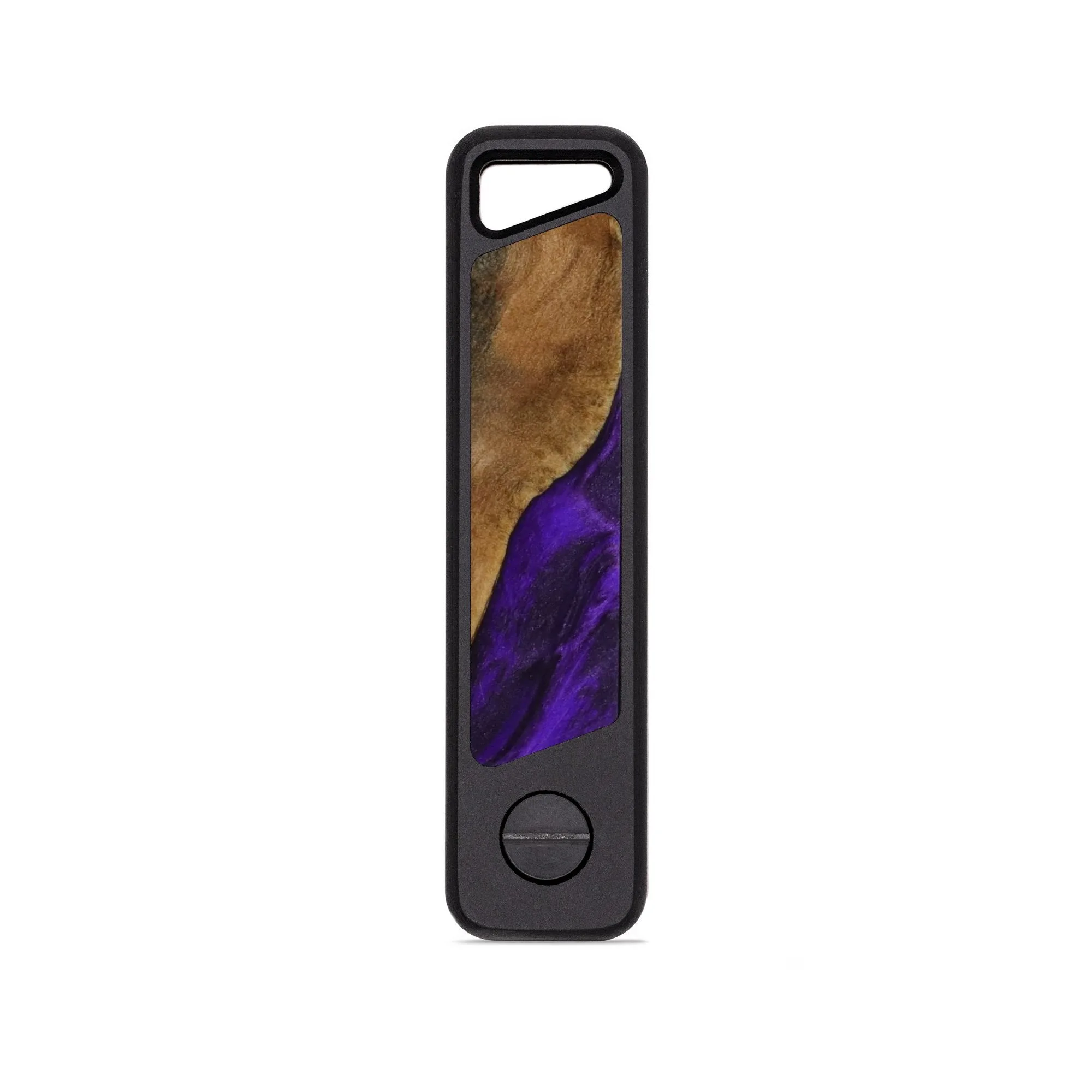
For the outer sleeve, you have two main options: standard paper/cardboard jackets (which provide some protection but are susceptible to wear) or plastic outer sleeves. Plastic sleeves offer superior protection against dust, moisture, and handling damage. They're especially useful for valuable or rare editions, like the Terror Of Mechagodzilla (Variant) Screenprinted Poster or other limited releases, where the cover art is as important as the music.

Terror Of Mechagodzilla (Variant) Screenprinted Poster
- Replace paper inner sleeves with anti-static polyethylene or polypropylene sleeves.
- Use plastic outer sleeves to protect the jacket from shelf wear and dust.
- Handle records by the edges and label to avoid fingerprints.
Optimal Storage Conditions: Temperature, Humidity, and Light
Vinyl records are sensitive to their environment. The ideal storage temperature is between 65-70°F (18-21°C), and the relative humidity should be around 40-50%. Excessive heat can cause warping, while high humidity can lead to mold and mildew on the sleeves and record surfaces. Conversely, too little humidity can cause static electricity, attracting dust.
Keep your collection away from radiators, heaters, and direct sunlight. UV rays can fade cover art and cause the vinyl to degrade over time. If you display records on a wall, consider using frames with UV-protective glass, like those used for the Ebirah, Horror of the Deep Linocut Poster, to protect them from light damage.
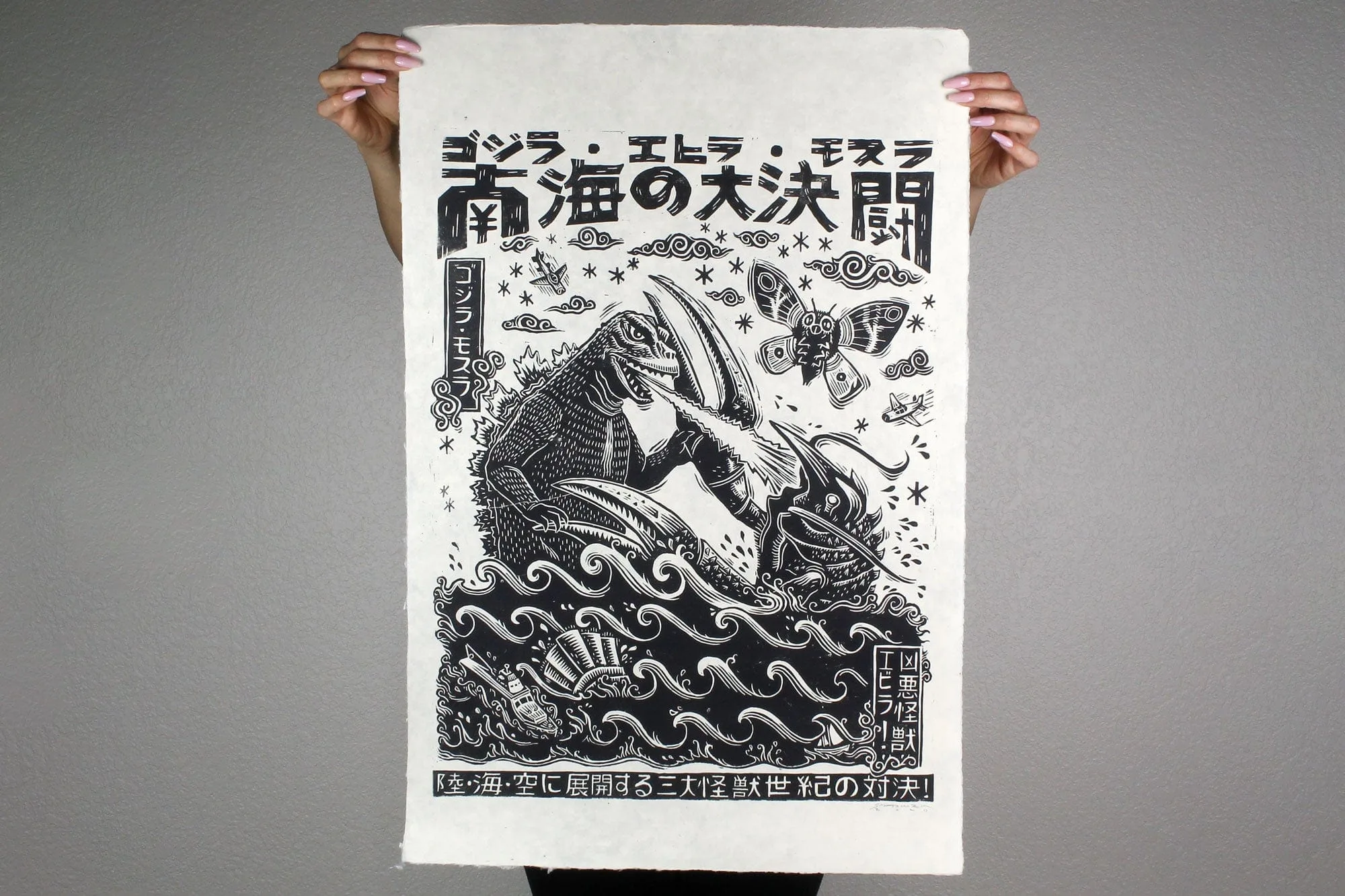
Ebirah, Horror of the Deep Linocut Poster
- Invest in a hygrometer to monitor humidity levels in your storage area.
- Avoid storing records in attics, basements, or garages where temperature fluctuations are common.
- If you must store records in a room with windows, use curtains or blinds to block sunlight.
Shelving and Organization: How to Store Your Collection
The way you shelve your records is crucial. Always store records vertically, like books on a shelf. Never stack them flat, as the weight of the records on top can warp those below. If you have a large collection, invest in sturdy, purpose-built record shelving that can support the weight. Standard bookshelves may sag under the load.
When organizing, leave a little room at the end of each row to prevent the records from leaning, which can cause warping over time. You can use bookends or dedicated record dividers. For a visually appealing display, consider grouping by genre, artist, or color of the vinyl. Some collectors even display their favorite albums on the wall, using frames that are designed to hold records without damaging them. For example, the https://mondoghc.com/products/beauty-and-the-beast-405778Beauty and the Beast soundtrack or the Batman score would look great on a wall display.
- Store records vertically, tightly packed but not crammed.
- Use sturdy shelving that can handle the weight of your collection.
- Consider using record dividers to keep genres or artists organized.
Handling and Cleaning: Routine Maintenance
Even with perfect storage, records will accumulate dust and static over time. Regular cleaning is essential to maintain sound quality. Use a carbon fiber brush to remove surface dust before each play. For deeper cleaning, consider a record cleaning machine or a manual cleaning kit with a solution of distilled water and isopropyl alcohol.
Always handle records by the edges and the label. Avoid touching the grooves with your fingers, as the oils from your skin can attract dust and cause damage. When playing a record, ensure your turntable's stylus is clean and in good condition to prevent unnecessary wear.
- Use a carbon fiber brush before every playback to remove dust.
- Deep clean records every few months with a proper cleaning solution.
- Replace your turntable stylus regularly to avoid groove wear.
Special Considerations for Picture Discs and Colored Vinyl
Picture discs and colored vinyl require a bit more care. Picture discs have a laminated surface that can be more prone to surface noise, so they should be handled and cleaned with extra caution. Colored vinyl is often pressed with different materials that can be more susceptible to static, so using anti-static sleeves is especially important.
If you own any special edition figures or collectibles, like the All Monsters Attack Soft Vinyl Figure Set - Cherry Blossom Glow in the Dark Variant, you might be interested in displaying them alongside your records. Just make sure they are positioned away from the vinyl to avoid any pressure or dust issues.
- Store picture discs in protective sleeves and avoid touching the surface.
- Use anti-static inner sleeves for colored vinyl to reduce static.
- Keep collectibles and figures away from your records to prevent dust accumulation.
Proper storage and care are the keys to a long-lasting vinyl collection. By following these tips, you'll ensure that your records remain in excellent condition, providing you with years of listening pleasure. Remember to invest in quality sleeves, maintain a stable environment, and handle your records with care. For more collectible inspiration, check out our selection of unique items like the SpongeBob SquarePants in "Graveyard Shift" (Variant) to add a fun twist to your collection.