What a “Beware of the Dog” Sign Is Really Saying
A “Beware of the Dog” sign is often read as a threat, but its practical meaning is simpler: a dog is present here, and visitors should adjust their behavior before entering. The sign doesn’t tell you whether the dog is friendly, fearful, or territorial—it tells you to pause and pay attention. That pause is the first step in preventing a bite.
Signs like this are common on homes, yards, and properties where a dog lives. They are not a substitute for supervision or secure fencing, but they do create a moment of awareness. If you see one, assume the dog may be protective of its space and act accordingly.
Dog Warning Signs to Respect
Dogs communicate discomfort long before they snap. The problem is that many of their signals are subtle or easily misread. Watch for these clusters of behavior, especially when they appear together:
- Stiff body and closed mouth: A dog that suddenly goes still, with a tight jaw and forward-leaning posture, is often tense rather than relaxed. A wagging tail alone doesn’t mean friendliness—look at the whole body.
- Whale eye: When a dog turns its head away but keeps its eyes on you, showing the whites, it may be uncomfortable with the interaction. Give space.
- Lip licking and yawning: These can be signs of stress in context—especially if the dog isn’t tired or hungry. They often appear when a dog is uncertain about a person approaching.
- Growling or snapping: These are late-stage warnings. Punishing a growl can remove the warning without addressing the underlying discomfort, which is why aggression experts advise against it.
Approaching a Dog That May Bite
If a dog is loose behind a “Beware of the Dog” sign, do not enter the property without the owner’s permission. Even if the dog looks calm, its behavior can change quickly when a stranger crosses an invisible boundary. Call ahead or wait for the owner to bring the dog inside.
If you are already near a dog that seems tense, avoid direct eye contact, turn your body slightly sideways, and back away slowly. Do not run, scream, or reach out to pet the dog. Running can trigger a chase response, and reaching over a dog’s head is threatening to many dogs.
When Not to Pet a Dog
The safest rule is simple: if a dog is behind a barrier, on a leash with a handler who hasn’t invited you, or showing any of the warning signs above, don’t pet it. Always ask the owner first—every time. And if the owner says no, respect that without arguing. Some dogs are in training, recovering from injury, or simply not comfortable with strangers.
Children are especially at risk because they often approach dogs face-to-face and miss subtle signals. Teach kids to ask before petting, to let the dog approach them, and to never hug or kiss a dog on the head. A dog that tolerates petting from an adult may still feel threatened by a child’s direct gaze and quick movements.
Teaching Kids to Read Dog Warnings
Kids can learn to recognize a few key signals with practice. Keep the lessons short and concrete:
- Practice “be a tree”: If an off-leash dog runs toward them, teach children to stand still, fold their arms, and look away—not run or scream.
- Point out stress signs in everyday life: When you see a dog yawning or licking its lips at the park, name it: “That dog looks uncomfortable. Let’s give it space.”
- Role-play asking permission: Have your child practice saying, “May I pet your dog?” and accepting “no” politely.
A Resource for Understanding Aggression
-
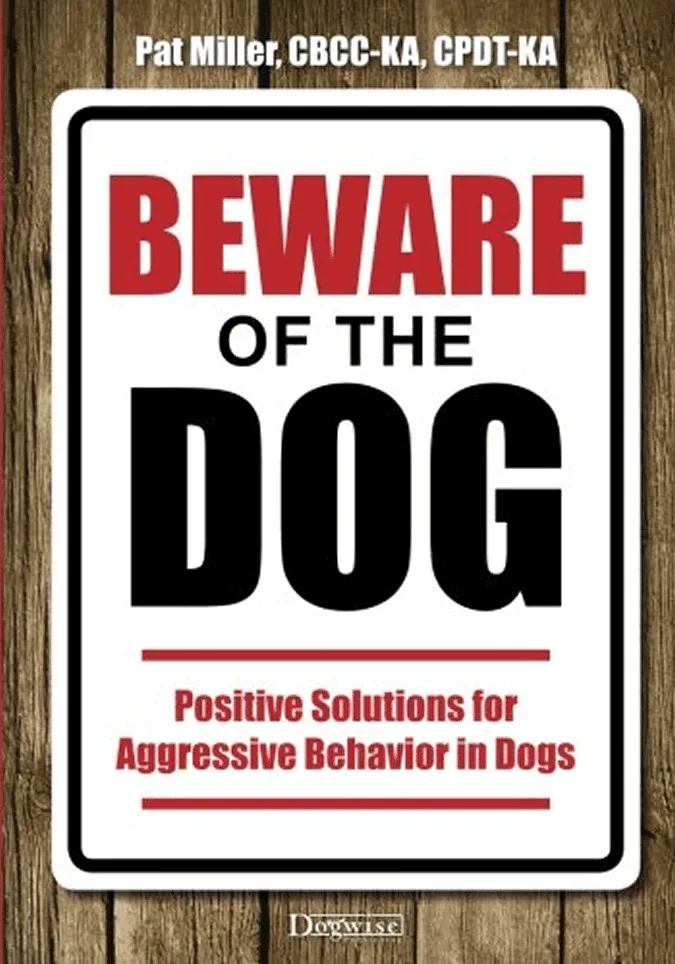
Beware of the Dog: Beware of the Dog: Positive Solutions for Aggressive Behavior in Dogs is written by acclaimed dog trainer Pat Miller and covers up-to-date, dog-friendly methods to manage and modify aggressive behavior, as well as ways to prevent it. If you live with a dog that shows warning signs, this book offers a positive approach that avoids outdated dominance theory and punishment—methods that can make aggression worse.
Beware of the Dog
-
Beware of the Dog: The book moves on from dominance theory, alpha rolls, and punishment to focus on positive solutions. That aligns with the advice to respect growls and other warnings rather than suppress them, giving owners a constructive path forward.
Why Respecting Warnings Matters
A dog that growls or snaps is often trying to avoid a fight, not start one. When people ignore or punish those signals, the dog may learn that warnings don’t work—and skip straight to biting. Respecting the warning is the first step in preventing a bite, whether you’re a visitor or the owner.
If you’re dealing with aggression in your own dog, seek qualified help. The methods in Beware of the Dog emphasize positive, dog-friendly solutions, but behavior change takes time and consistency. Meanwhile, manage the environment: use barriers, leash your dog, and be honest with visitors about your dog’s comfort level.