Quick answer
Choose bib shorts for mild to warm rides where breathability and freedom of movement matter most. Choose bib tights when you need full-leg coverage and warmth without adding separate leg warmers. If your winters are transitional rather than deep, thermal bib shorts with a DWR-treated leg can cover more of your calendar than either extreme.
leg warmers
The real difference is coverage, not just warmth
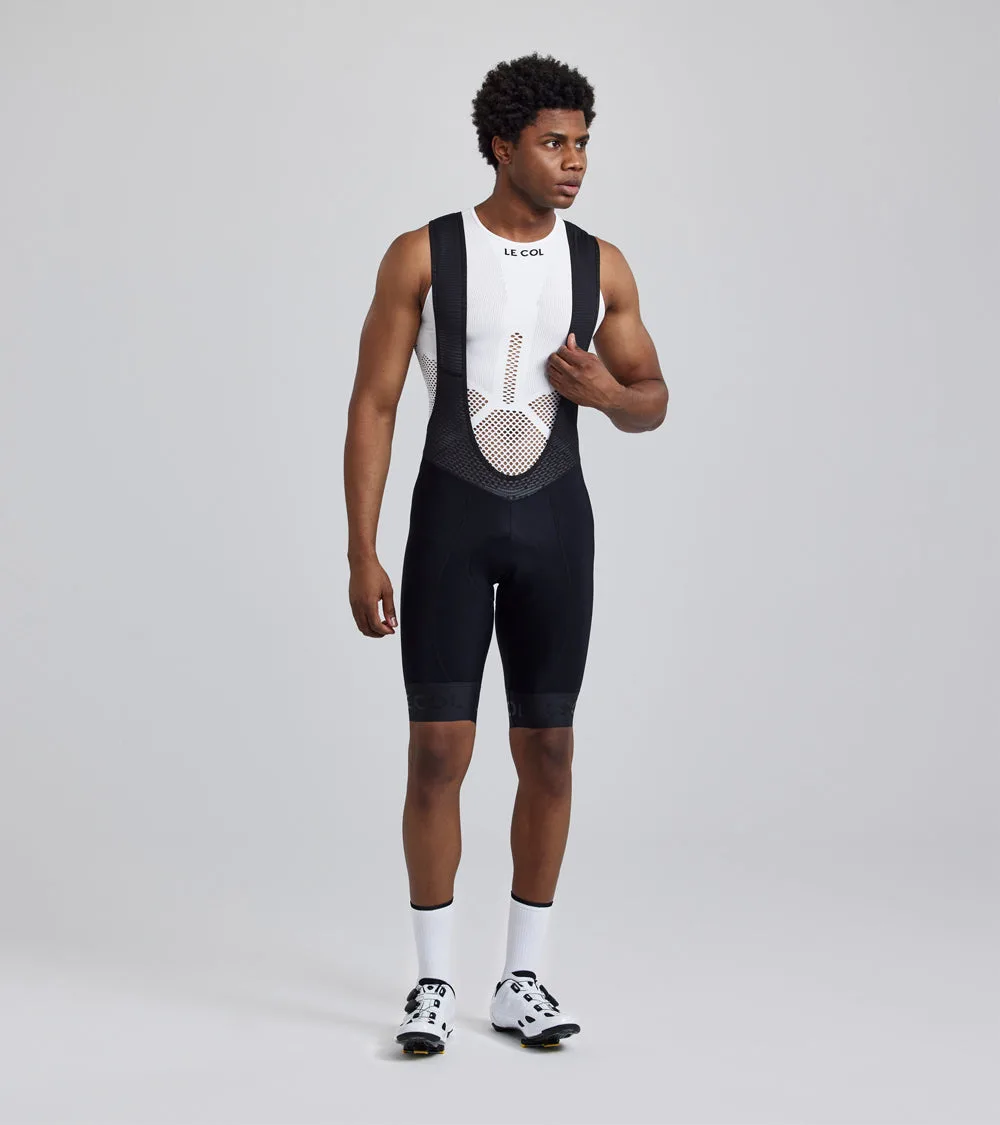
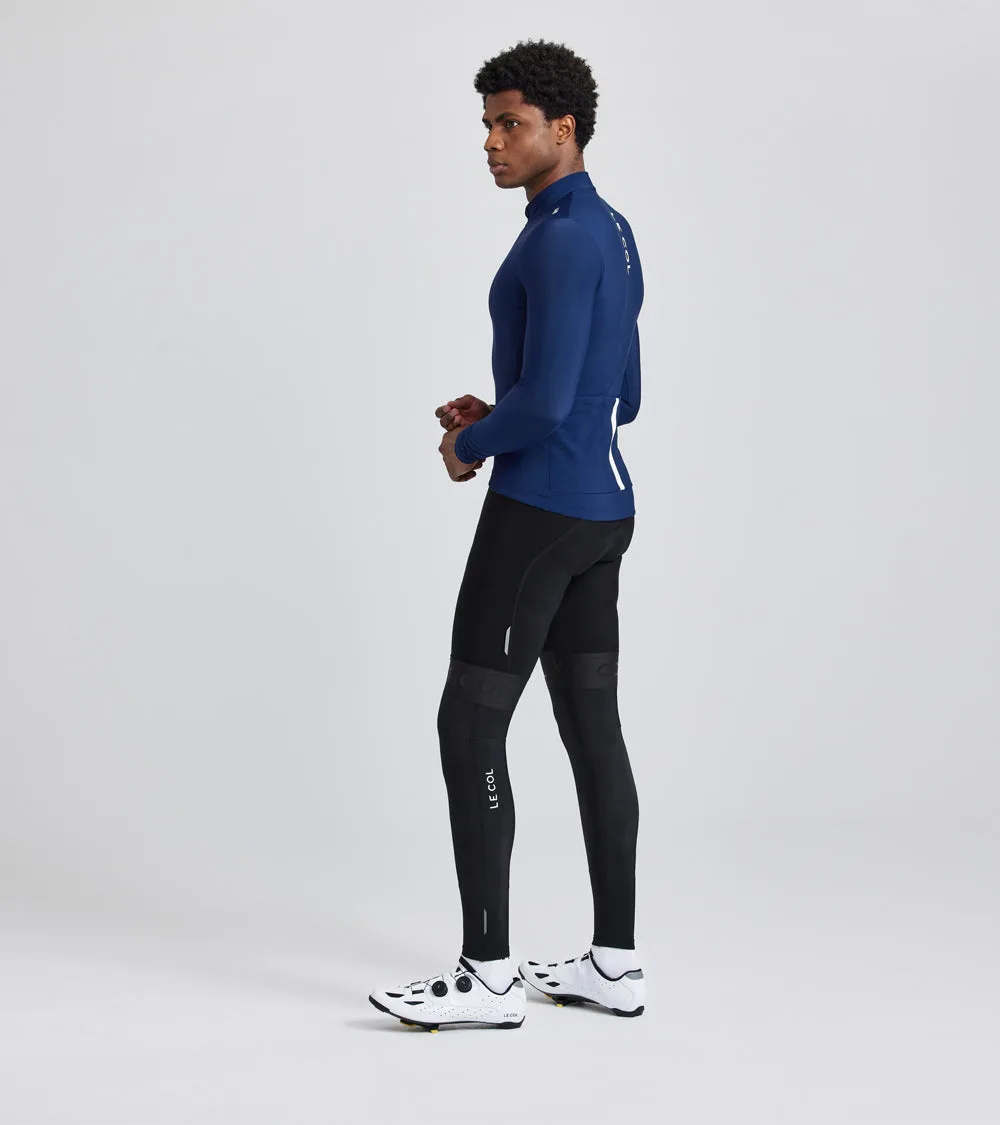
Bib shorts stop at the thigh. Bib tights continue to the ankle. That single design difference changes how much wind and spray reach your skin, how easily you can adjust layers mid-ride, and how the chamois sits when you're pedaling. A thermal bib short adds fabric weight and a water-repellent treatment on the legs, but it still leaves your knees and shins exposed. Bib tights remove that exposure entirely, which matters most on long descents and in steady rain.
Match your legwear to temperature, not the calendar
A common mistake is switching to tights on a fixed date. Instead, decide by the coldest temperature you expect during the ride, not the temperature at your front door. If the forecast drops below your comfort threshold for bare legs, tights earn their place. If it stays mild but showery, a thermal bib short with DWR treatment handles spray without the bulk of full-length tights. Because manufacturers don't publish a universal temperature rating, treat any guide as a starting point and adjust based on your own cold tolerance and ride speed.
Fit and chamois: what changes when you go longer
Bib tights usually use a closer, race-oriented fit so the fabric doesn't bunch behind the knee. That fit is efficient but less forgiving if your sizing is between two sizes. Bib shorts, especially a pull-on waist design, can feel more relaxed and easier to layer under other clothing. The chamois is the other variable: a high-quality pad matters more as ride duration increases, regardless of leg length. If you already have a bib short whose pad works for you, adding tights over it is a valid strategy, but check that the tights don't compress the pad or create seams that rub.
Layering and practicality on real rides
Full-length tights are simplest when you know the whole ride will be cold. They remove the need to carry or adjust leg warmers. Bib shorts plus warmers are more flexible: you can start cold and strip layers as it warms up. That flexibility comes with a tradeoff—warmers can slip, and you have to manage them when you stop. Neither option is universally better; pick based on whether your ride temperature is stable or likely to swing. Also consider bathroom breaks: a pull-on waist short is quicker to manage than a bib tight with shoulder straps.
Tradeoffs at a glance
- Bib shorts: breathability vs. exposure: Bib shorts keep you cooler and let you add or remove warmers as conditions change. The tradeoff is that knees and shins stay exposed to wind and rain. Best when the ride starts cool but warms up, or when you run hot on the legs.
- Bib tights: coverage vs. flexibility: Bib tights provide full-leg protection and a consistent fit with no gaps. The tradeoff is less adjustability if the day turns warmer than expected, and a closer fit that leaves less room for layering. Best for steady cold, long descents, or wet rides where you want one layer and no fuss.
- Thermal bib shorts: a middle path with limits: A thermal bib short with DWR legs handles transitional weather and spray better than a standard short, but it still doesn't cover the knee or shin. Choose this if your cold rides are short or if you prefer to add knee or leg warmers only when needed.
Two grounded options that show the tradeoff
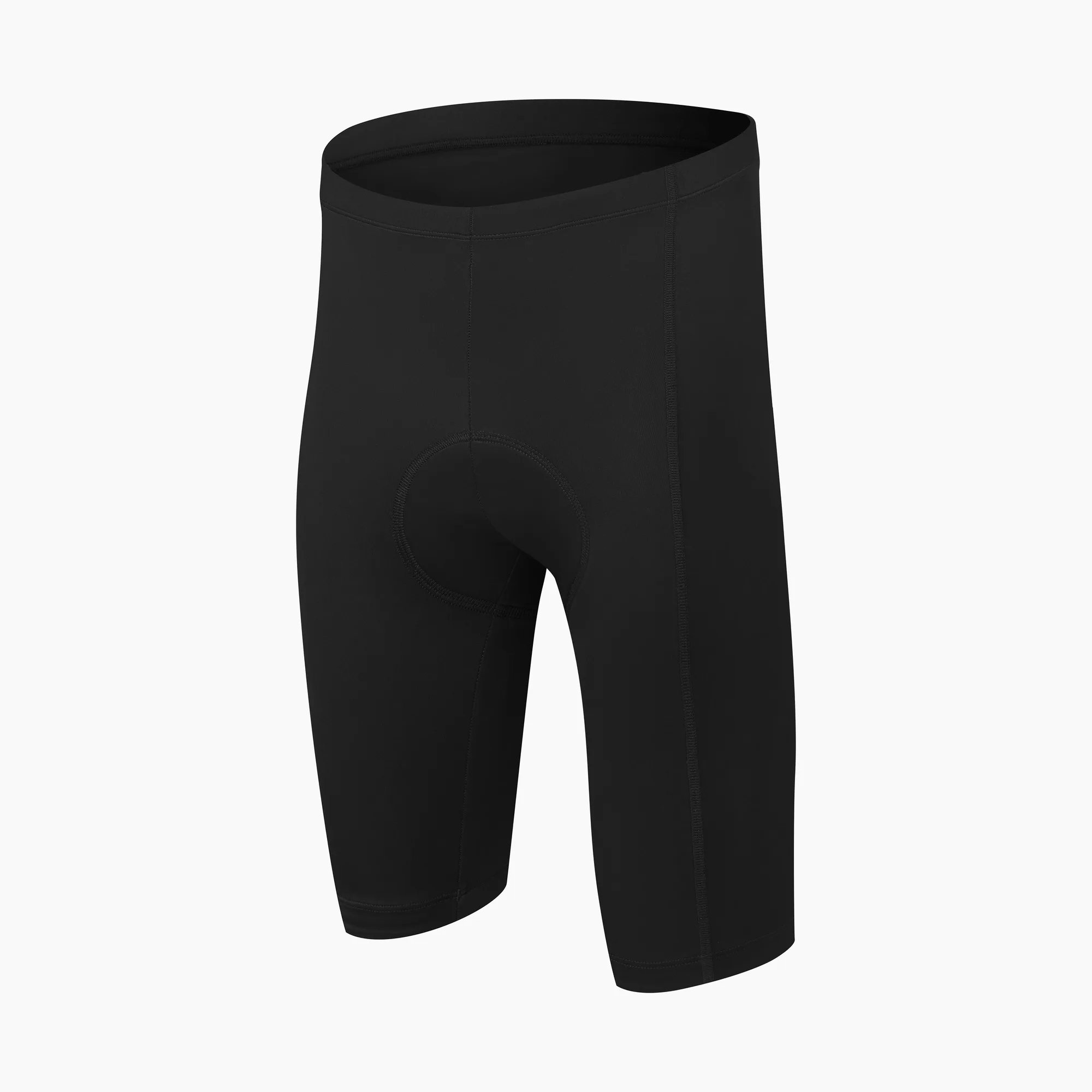
- Le Col Ride Waist Shorts: The Ride Waist Shorts use a supportive stretch fabric and a high-quality chamois pad, with a pull-on design and a wide comfortable waistband that sits smoothly against the skin. A practical choice for mild rides or as a base layer under tights, and the waistband design makes mid-ride breaks easier than a bib strap system.
- Pro Thermal Bib Shorts: Pro Thermal Bib Shorts are lined with an industry-leading thermal fabric and DWR treatment on the legs, with soft thermal uppers and a close race fit. These cover transitional weather—showers and spray—without full-length coverage, so they suit riders who want warmth but still run hot on the legs or prefer to add warmers only when needed.
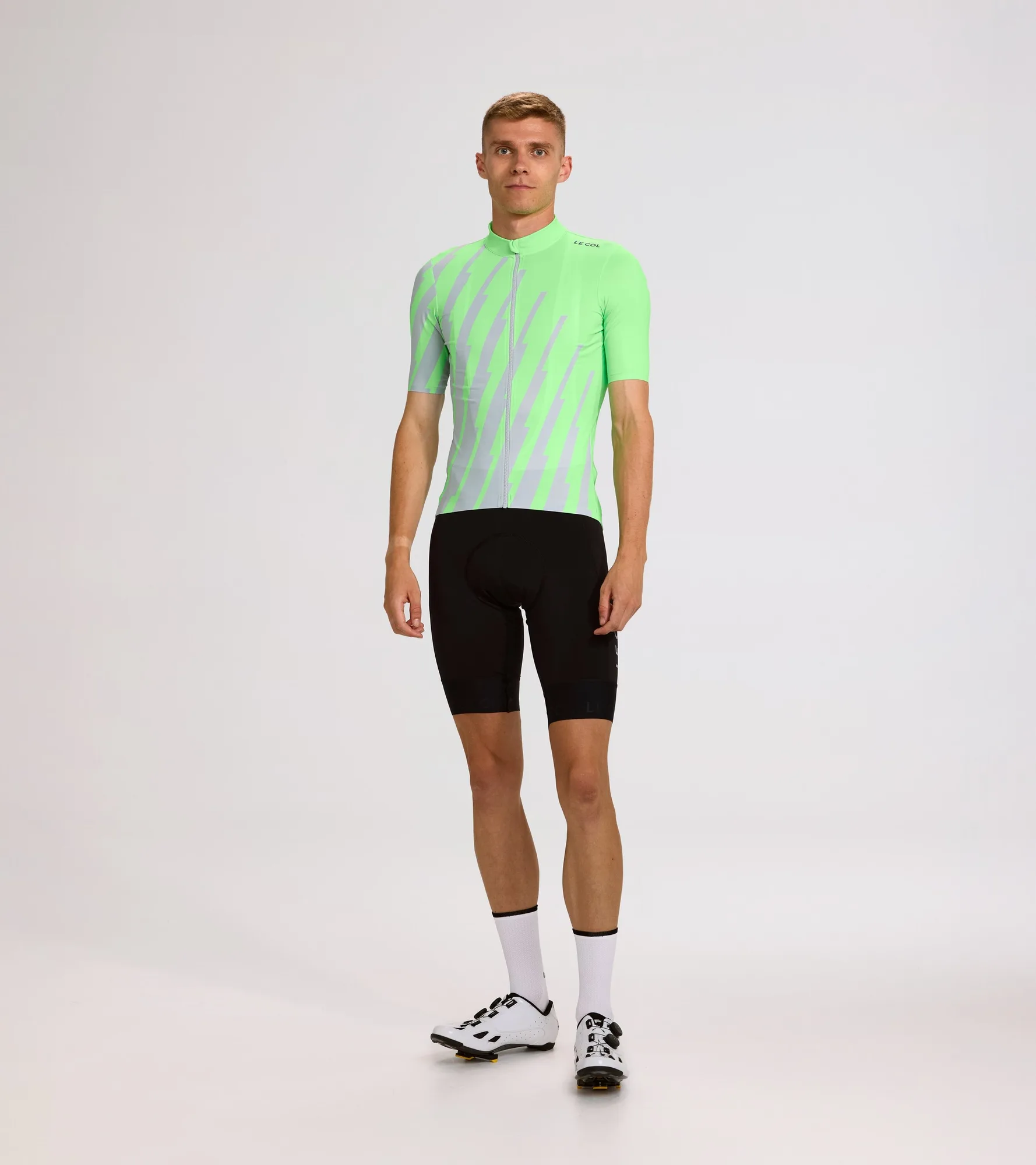
- Womens Pro Jersey: The Women's https://lecols.com/products/pro-jersey-cfc68a7ca9c5b4252587457d-760567Pro Jersey uses a fast-wicking fabric and a form-fitting, four-way stretch design for aggressive race positions. If you ride in a race position, pairing a close-fitting jersey with bib tights or thermal shorts keeps the whole system aerodynamic and avoids loose fabric that flaps or catches wind.
Which should you ride in?
Choose bib shorts if you...
- Ride in mild to warm conditions and want maximum breathability
- Prefer to adjust warmth with knee or leg warmers during the ride
- Want a pull-on waist design that's easier to manage on bathroom breaks
Choose bib tights instead if you...
- Ride in steady cold, rain, or long descents where full-leg coverage matters
- Don't want to carry or adjust separate leg warmers
- Prefer a single close-fitting layer for race-paced winter training