Know the tent before you pitch it
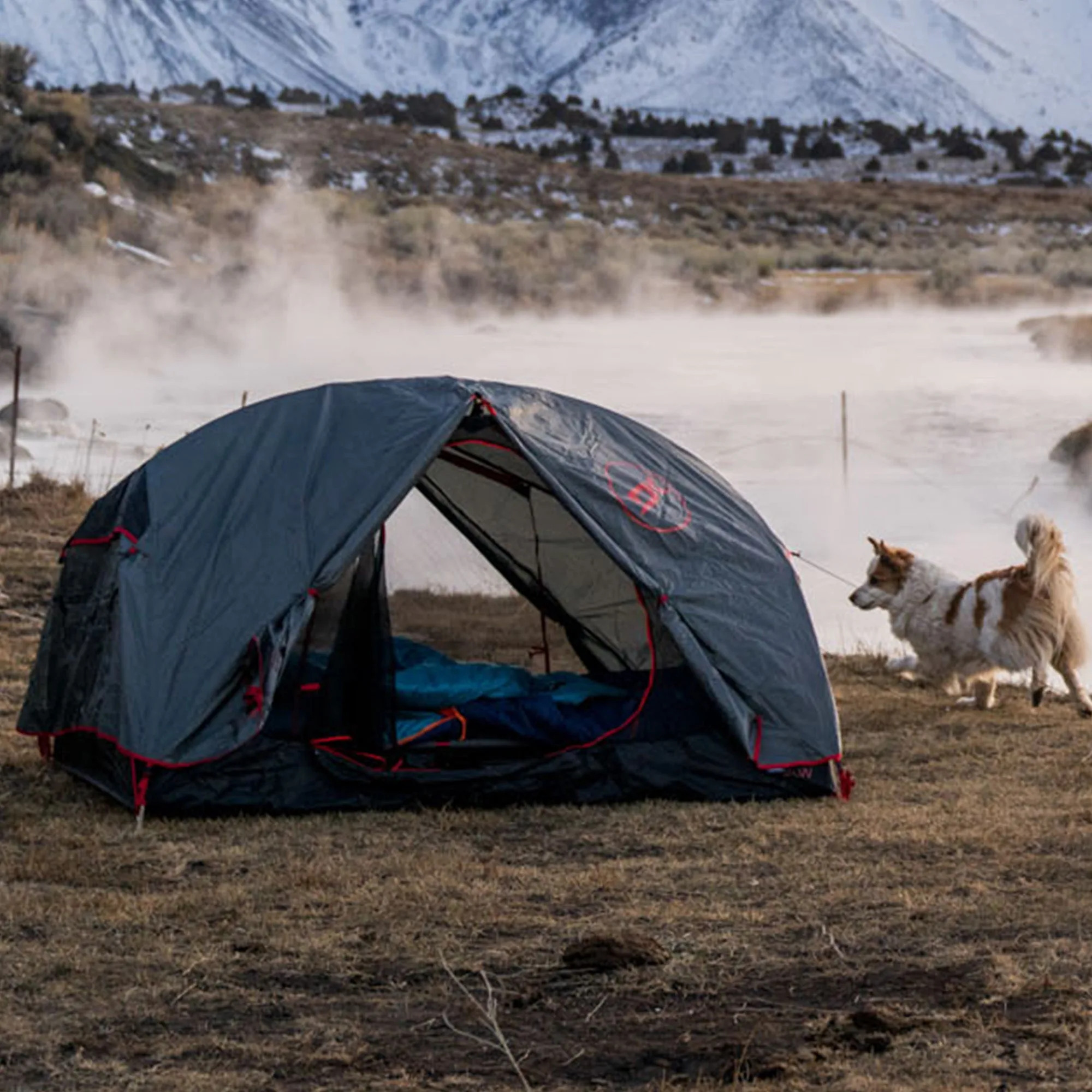
The Big Bear 3-Person Tent is a three-season tent with a single-hubbed aluminum pole set and attached guylines. The supplied catalog describes it as easy to set up and notes that the waterproof rain fly protects you when the weather turns. That combination suits car camping, where you can carry a little more and take your time at the site.
Before you leave, check the footprint. The tent measures 73 x 87 x 47in (185.42 x 220.98 x 119.38cm) and weighs 6.4lbs (2.9kgs). Those numbers tell you two things: it is light enough for one person to carry from the car to the site, and it needs a clear patch of ground large enough for the full footprint plus room to stake the guylines.
Specs that shape your setup plan
-
Big Bear 3-Person Tent - Mojave Desert/Dark Olive: 73 x 87 x 47in (185.42 x 220.98 x 119.38cm) Use these dimensions to choose a flat, clear pitch area before you unpack.
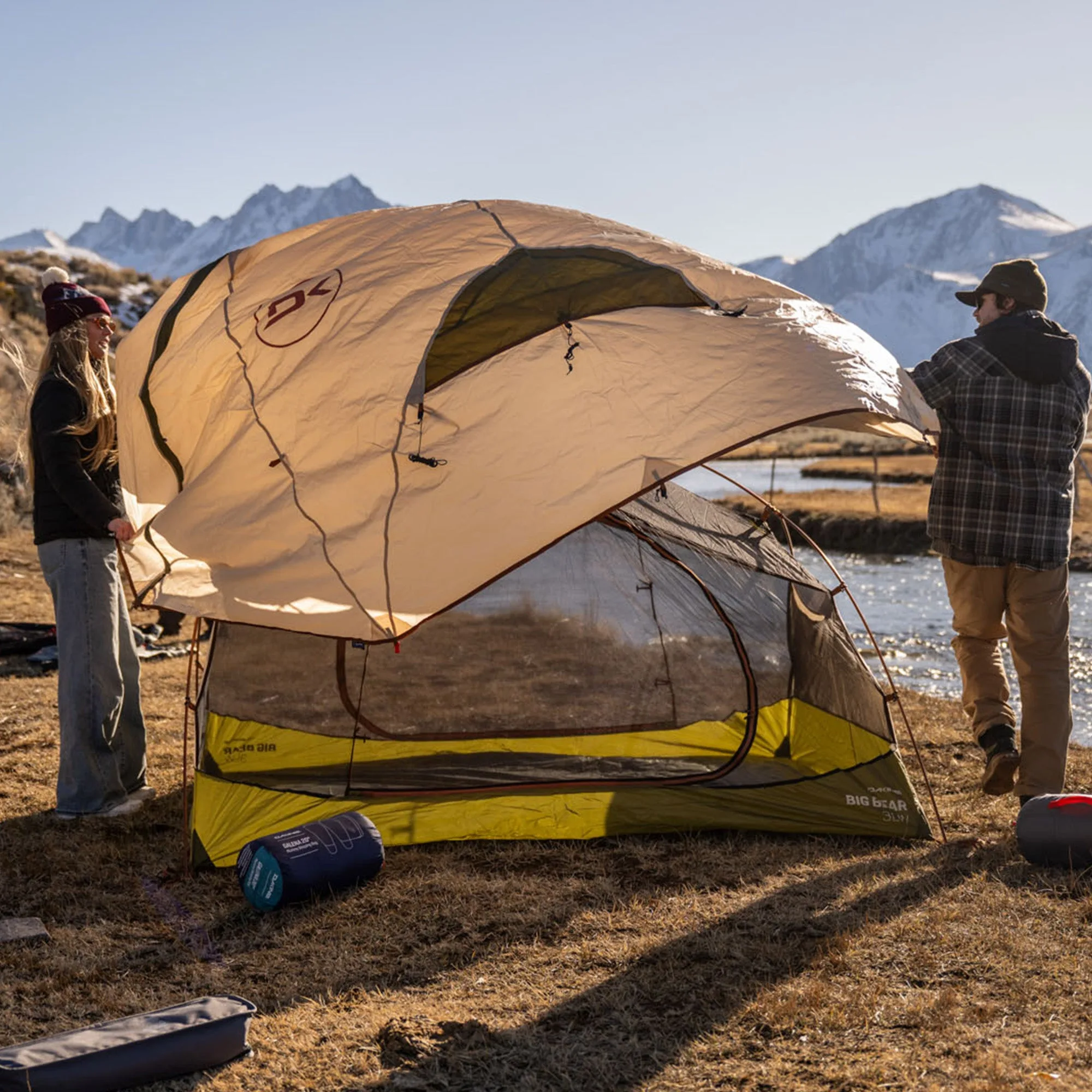
Big Bear 3-Person Tent - Mojave Desert/Dark Olive
-
Big Bear 3-Person Tent - Mojave Desert/Dark Olive: 6.4lbs (2.9kgs) A manageable carry from the car, but still worth dividing between two people on a longer walk.
-
Big Bear 3-Person Tent - Mojave Desert/Dark Olive: 7075 aluminum frame with a single-hubbed pole set and attached guylines The pole set and guylines are the main structure you will handle during setup.
-
Big Bear 3-Person Tent - Mojave Desert/Dark Olive: 210T polyester ripstop PU3000mm flysheet and polyester ripstop PU5000mm floor The fly and floor are the parts to keep clean and dry so they stay ready for the next trip.
A supported pitch sequence
The supplied information confirms the pole set, attached guylines and rain fly but does not include a step-by-step manufacturer setup sheet. The sequence below is a practical order based on those confirmed parts; follow any printed instructions that come with the tent if they differ.
- Clear and inspect the site: Choose a flat area large enough for the 73 x 87in footprint and free of sharp debris. Lay out the tent body and check that the pole set and guylines are present.
- Assemble the hubbed pole set: The 7075 aluminum frame uses a single-hubbed pole set. Join the pole sections and route the frame through the tent body's pole sleeves or clips as designed.
- Raise the body and stake the corners: Stand the tent body up and secure the corners so the floor sits flat. Keep the attached guylines slack until the fly is on.
- Fit the rain fly: Drape the PU3000mm flysheet over the body and connect it at the corners and pole points. The fly is the weather-facing layer, so check that it covers the body evenly.
- Tension the guylines: Pull the attached guylines out and stake them so the fly stays clear of the inner mesh. Adjust tension evenly rather than over-pulling one side.
Packing tips for a three-person car-camping tent
The Big Bear's 6.4lbs (2.9kgs) weight and 73 x 87in footprint make it a car-camping tent rather than a backpacking tent. Pack around those realities.
- Keep the fly and floor separate from the body: The flysheet and floor are the waterproof layers. Stowing them apart from the inner mesh makes it easier to check them for moisture before the next trip.
- Coil the pole set, do not force it: The 7075 aluminum frame and single hub are the most rigid part of the package. Store the poles in their sleeve or alongside the tent rather than bending them into a tight bundle.
- Leave room for the footprint: A 73 x 87in floor needs a clear patch of ground. Pack a small brush or cloth to clear debris before you lay the tent out.
- Plan for the walk from the car: At 6.4lbs (2.9kgs), one person can carry the tent, but splitting the body, fly and poles between two packs makes the walk to the site easier.
Care and storage between trips
The supplied information does not include a manufacturer care routine, so treat the following as general good practice for a tent with a PU-coated flysheet and floor. Set the tent up or hang it in a dry, shaded space after a trip and let the fly and floor dry completely before storage. Brush off dirt and grit rather than scrubbing the coated fabrics. Store the tent loosely in a dry place, and avoid compressing the pole set or leaving the tent packed wet for long periods.
What the supplied information does not settle
The catalog confirms the Big Bear is a three-season tent with a waterproof rain fly, but it does not provide a hydrostatic head rating beyond the fabric specs, a packed size, a stated setup time, or a manufacturer care and repair procedure. If you need those details for a specific trip or a warranty question, check the tent's printed documentation or contact the retailer before you rely on them.