Quick answer
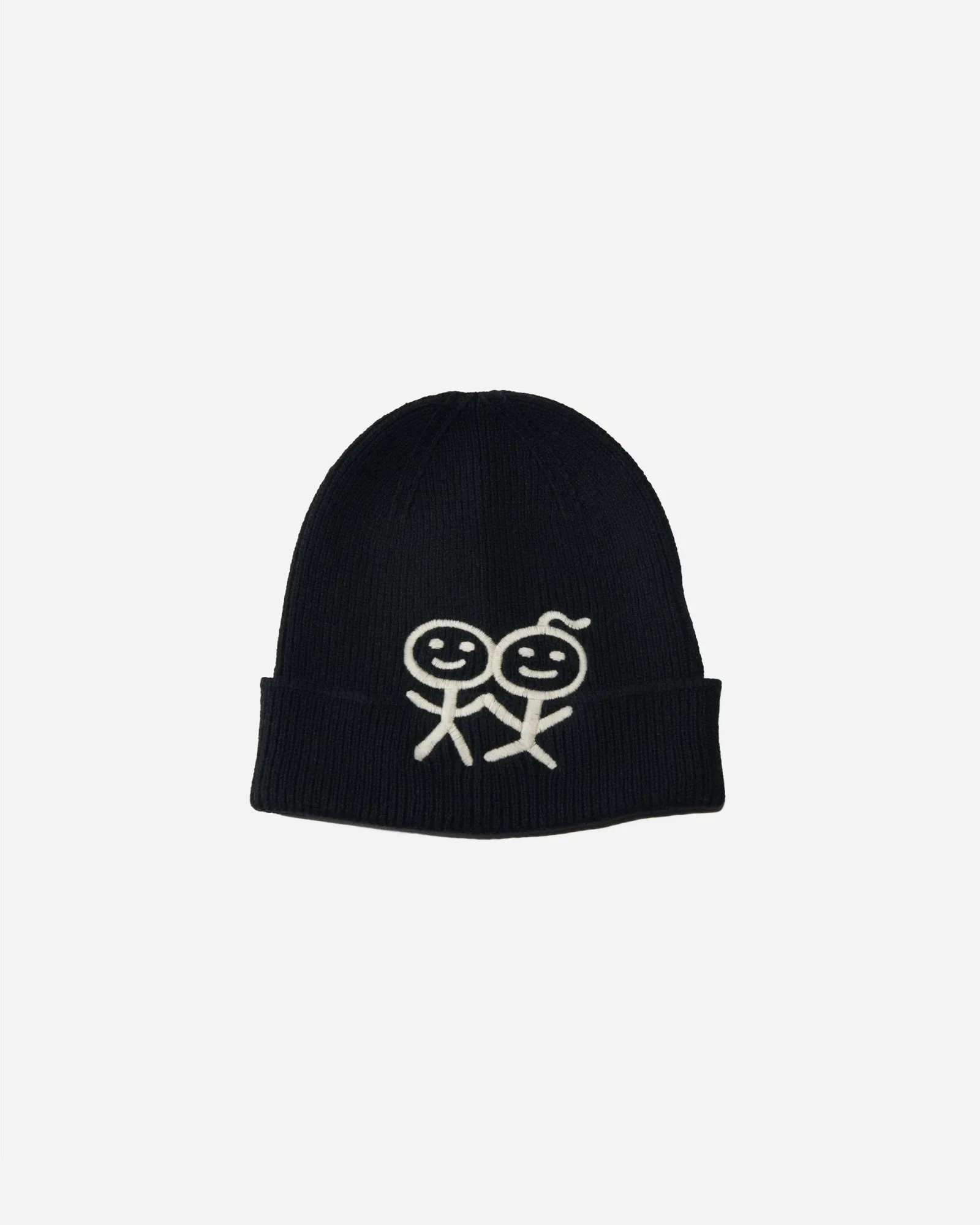
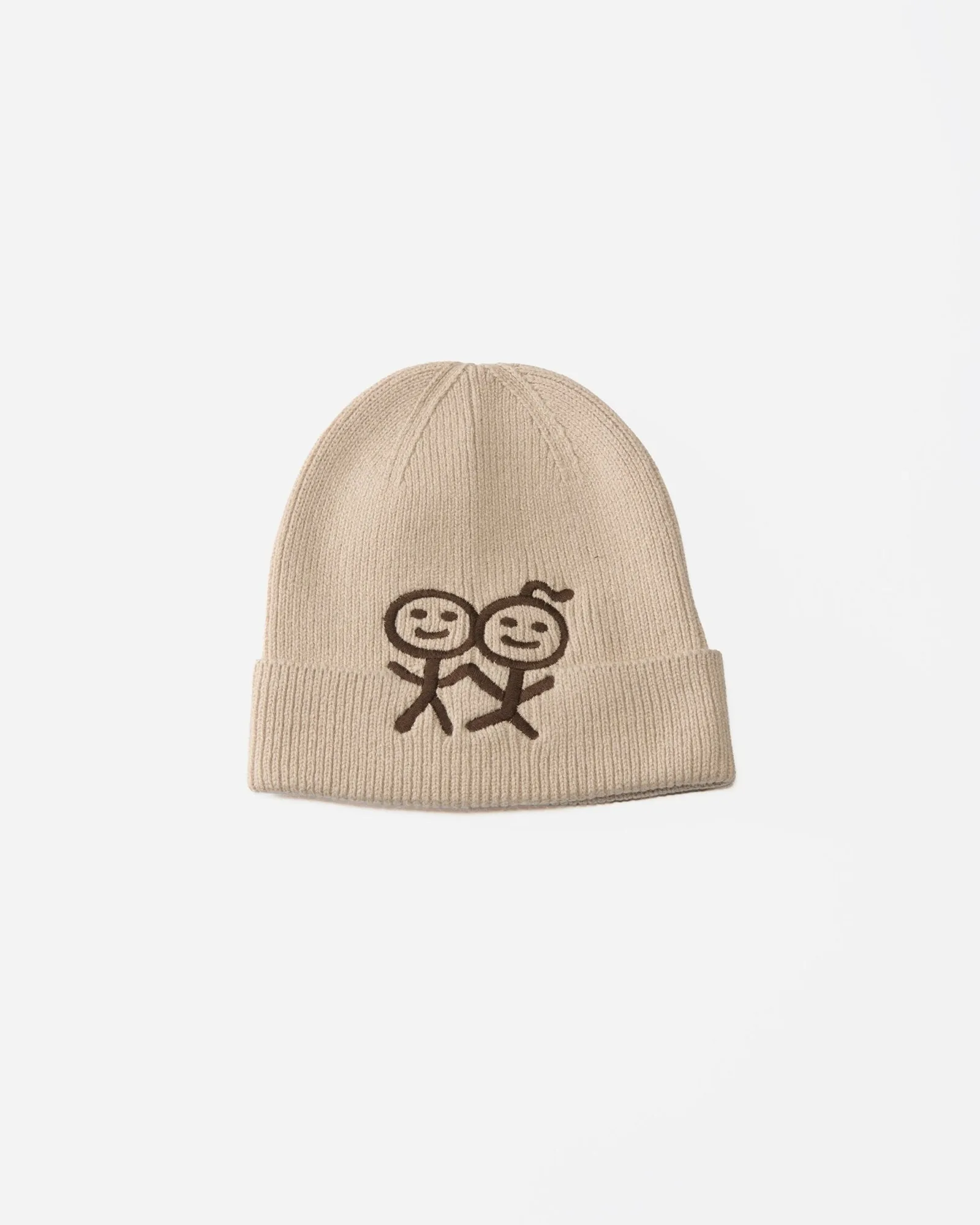
Buy a big kids beanie by fit first, color second. A ribbed knit with a folded cuff gives you the most control: the ribbing flexes over the head, and the cuff lets you shorten the depth instead of buying a second hat when your child grows. Crayon Blue is the practical pick if you want one hat that works with most winter outerwear and is easy to spot in a school bag.
Why the folded cuff matters more than the size label
Most childrens hat sizing advice treats head circumference as the only number that counts, but depth is what decides whether a beanie looks right. A hat that fits the head but sits too deep swallows the ears and eyebrows; one that is too shallow rides up and lets cold air in at the temples. A folded cuff solves this because you can roll it once for a snug, above-the-eyebrow fit or twice for a shorter, more casual look.
This is also why a ribbed knit beats a flat knit for kids. Ribbing stretches horizontally and then returns to shape, so the same hat covers a range of head sizes without sagging by February. A structured yet flexible knit with a close fit holds its shape through repeated pulling on and off, which is the real test for a hat worn five days a week.
Fabric and warmth: what to look for in a kids winter hat
For everyday winter wear, the priority is a knit that blocks wind at the surface and stays comfortable indoors during the walk between the car and the classroom. Dense ribbing does more for warmth than thickness alone, because trapped air between the ribs insulates while the fabric still breathes. If your child runs hot or wears the beanie under a hood, a lighter ribbed knit is more versatile than a heavy double-layer hat.
Check the inside finish before you commit. A folded cuff should feel smooth where it touches the forehead, and the embroidery at the front should sit flat rather than bunching, since raised stitching can itch against skin. If a product page does not list the fiber content or the lining, treat that as a missing detail rather than assuming it is fleece-lined or wool-rich.
Crayon Blue and other color decisions
Color is not purely cosmetic with kids' hats. A bright, saturated shade like Crayon Blue is easier to find at the bottom of a backpack, on a coat hook, or in a lost-and-found bin, which matters more than most parents expect in January. It also reads as a deliberate accent against navy, gray, and black winter coats instead of competing with them.
If your child already owns a loud patterned jacket, a solid beanie is the calmer choice; if the coat is plain, the hat can carry the color. One practical rule: pick a beanie that appears somewhere else in the outfit, whether that is a logo cap, a top, or a bag, so the hat looks chosen rather than borrowed.
How to check fit before and after buying
Measure head circumference just above the ears and across the forehead, then compare it with the size options on the product page. Because a ribbed beanie stretches, you want the knit to sit close without leaving a red mark after twenty minutes. Test the cuff: folded once, the bottom edge should cover the tops of the ears; folded twice, it should sit at mid-forehead for a shorter look.
After a few wears, check whether the hat still returns to shape when you stretch it gently across your hands. If it stays stretched, the knit is losing recovery and the fit will loosen. Hand washing in cool water and laying flat to dry keeps ribbing and embroidery in better condition than a hot dryer cycle.
Decision rules for buying a big kids beanie
- If the hat must survive daily school wear: Choose a ribbed knit with a folded cuff and a close, structured fit rather than a loose slouchy knit. Ribbing flexes over the head and returns to shape, so the hat still fits in March. Checkpoint: stretch the hat gently and confirm it springs back before you keep it.
- If you are unsure between two sizes: Size down when the knit is ribbed and the cuff is foldable, because you can shorten the depth. Size up only if the child wears the beanie over thick headphones or a hood. A folded cuff gives roughly one size of adjustment in either direction.
- If color is the deciding factor: Pick Crayon Blue when the winter coat is neutral and you want a visible, easy-to-find hat. Choose a quieter shade when the outerwear already has a strong pattern. Match the beanie to one other item in the outfit so it reads as intentional.
- If your child pulls hats off: A close-fitting ribbed beanie stays put better than a loose knit, but a cotton cap with Velcro fastening may be the better compromise on mild days when a knit feels too warm. Buy for the weather you actually have, not the coldest day of the year.
Product facts to compare
- Big Kids Beanie in Crayon Blue: A classic ribbed knit beanie designed with a folded cuff and finished with signature stick figure embroidery at the front, structured yet flexible with a close fit that holds its shape. The ribbing and cuff give you two fit adjustments without changing sizes, and the structured knit is the reason it keeps its shape through daily wear.
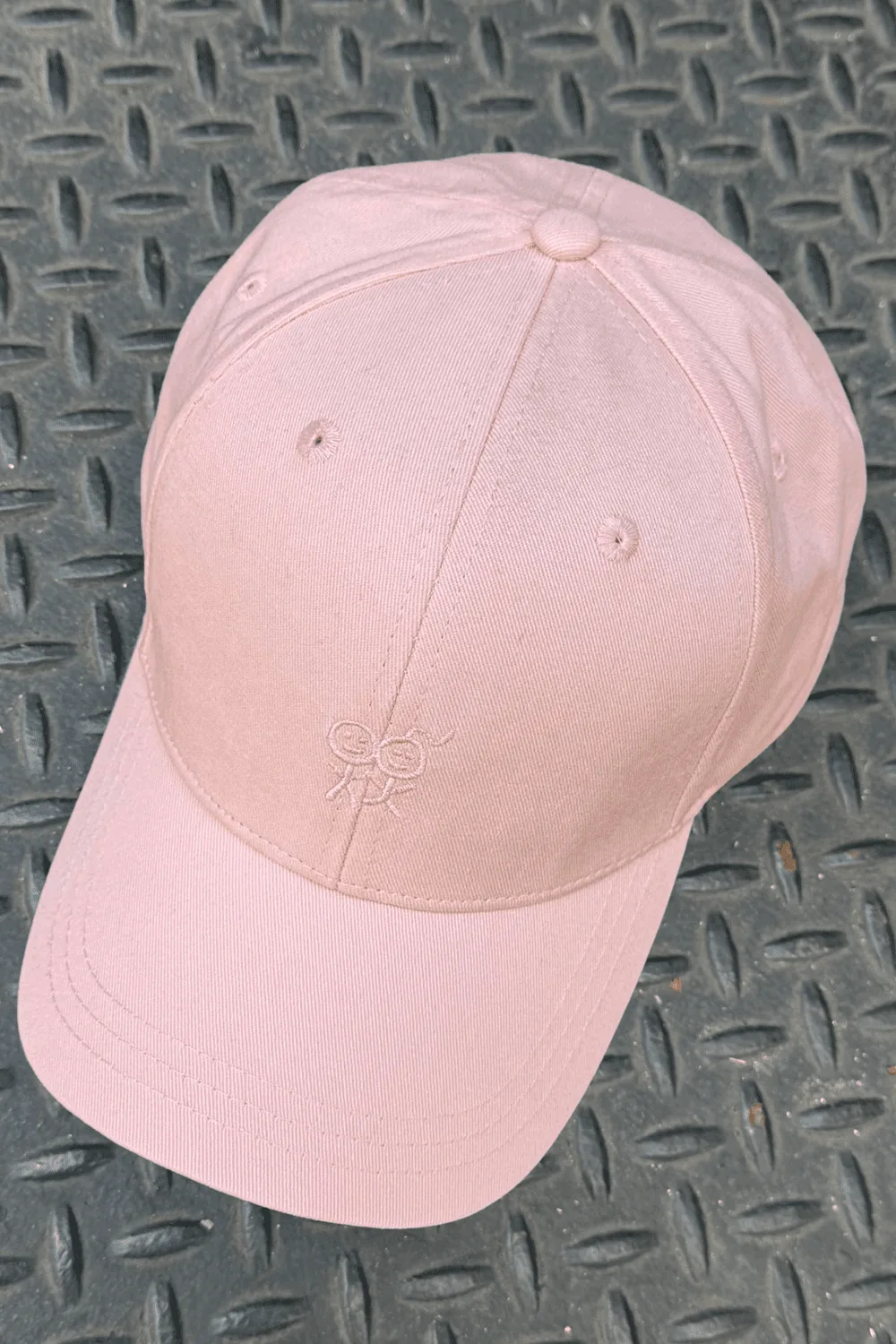
- Urban Sophistication Logo Cap in Baby Pink: A 100% cotton twill cap with a washed effect, embroidered logos on the back and front, a curved brim, embroidered eyelets at the crown, and Velcro fastening. If your child refuses a knit beanie, a cotton cap with Velcro adjustment covers milder days and gives you a second, adjustable fit option.
Who this beanie approach is for
Best for
- Kids who wear a hat daily to school and need one that keeps its shape
- Parents who want a single beanie that adapts as a child grows
- Buyers who want a visible color like Crayon Blue for easy spotting
Not for
- Children who need a fully waterproof or insulated hat for extreme cold
- Kids who refuse knit textures and prefer a structured cap with a brim
- Buyers who need a specific fiber content listed before purchasing