Quick answer
Start with what touches your child every ride: a helmet that fits, gloves, and grips sized to their hands. Add a jersey and a rider ID for motivation, then use a trade-up program to protect resale value as they grow. Skip anything that adds weight or complexity before your kid actually asks for it.
grips
Most parents buy bike accessories in the wrong order. They grab a bell, a basket, and a kickstand first, then discover their kid can barely reach the brake lever. The accessories that matter most are the ones your child physically touches on every ride, because those are the ones that decide whether the bike feels fun or frustrating.
kickstand
This checklist walks through essential bike accessories for kids in priority order, with clear rules for when to buy, when to wait, and when a specific product is the right call. It is written for parents of riders roughly ages three through early teens, and it assumes you already have a bike that fits.
Start with contact points, not extras
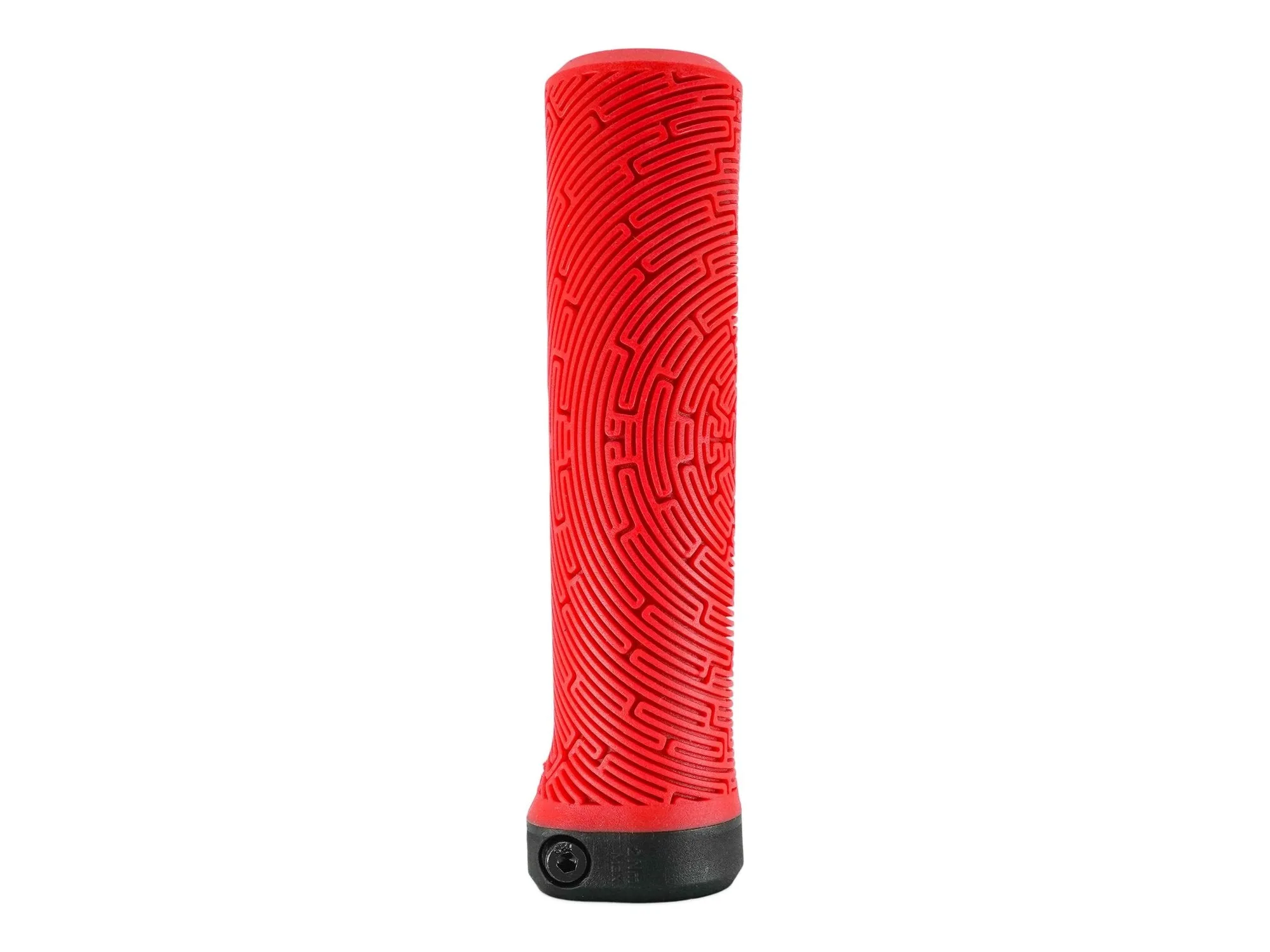
Contact points are the three places your child's body meets the bike: hands, feet, and seat. If any of those are wrong, no accessory will fix the ride. Grips are the cheapest upgrade with the biggest effect, because small hands need a smaller diameter to wrap fully around the bar. A grip that is too thick means less control and more fatigue on longer rides.
Gloves come next. They reduce blisters on hot days, keep hands warmer on cold mornings, and add a layer of protection during the inevitable low-speed tip-over. For younger riders, thin gloves are usually better than padded ones because padding can make it harder to feel the bar.
- Check grip diameter before buying: your child's fingers should wrap the grip with a slight overlap, not stretch.
- Replace grips when they spin on the bar or feel slick, not just when they look worn.
- Buy gloves that fit snugly now, not ones to grow into.
Safety gear that earns its place
A helmet is non-negotiable and should be replaced after any real impact, even if it looks fine. Beyond that, the useful child bike safety gear depends on how and where your kid rides. Knee pads make sense for kids learning on gravel, pump tracks, or anywhere they are likely to put a foot down at speed. They are overkill for a flat driveway.
The honest tradeoff: more gear means more time getting ready, and some kids resist that friction. If your rider fights the routine, pick the single piece of protection that matches their riskiest riding and let the rest go. Consistency beats a full kit that stays in the garage.
- Match pads to terrain, not to ambition: light trail riding rarely needs full knee and shin coverage.
- Teach your child to put gear on themselves; it builds the habit faster than doing it for them.
- Inspect straps and shells monthly for cracks or stretched elastic.
Clothing and small items that keep kids riding
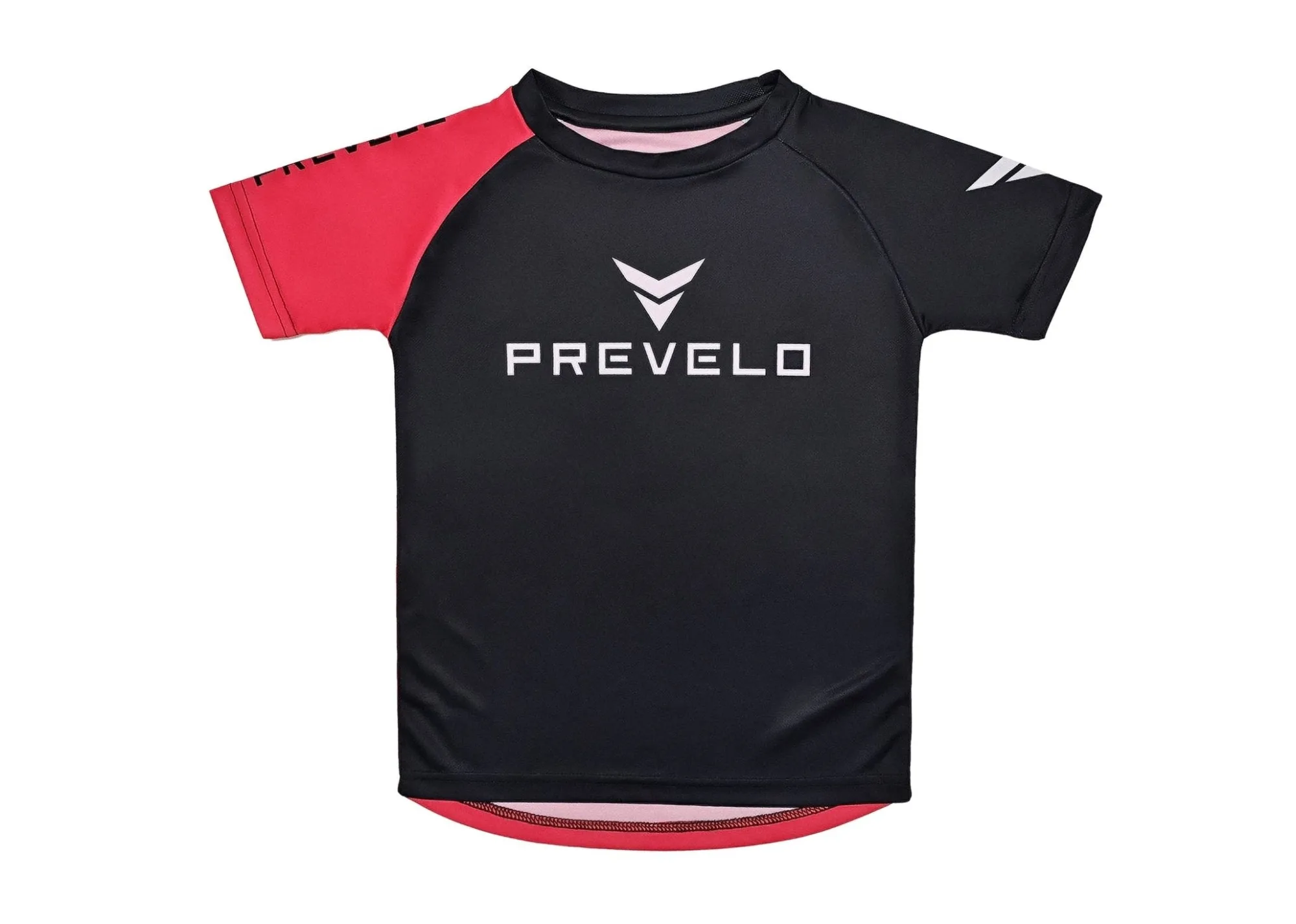
A dedicated riding jersey is not just for looks. Technical fabric dries fast, which matters when a kid sweats through a cotton t-shirt and then gets cold on the ride home. Look for a cut designed for young riders, since adult jerseys hang too long in the sleeves and bunch at the waist. A curved lower back tail adds coverage when they lean forward.
Small motivational items do real work too. A rider's license with their name and photo turns riding into something official, and it costs less than most toys. These are the accessories that get kids to the driveway without an argument, which is ultimately what builds skill.
- Choose machine-washable fabrics; kids' riding clothes get dirty fast.
- Skip cotton for anything worn on longer rides.
- Personalized items work best for riders ages four to eight.
Plan for growth before you buy anything else
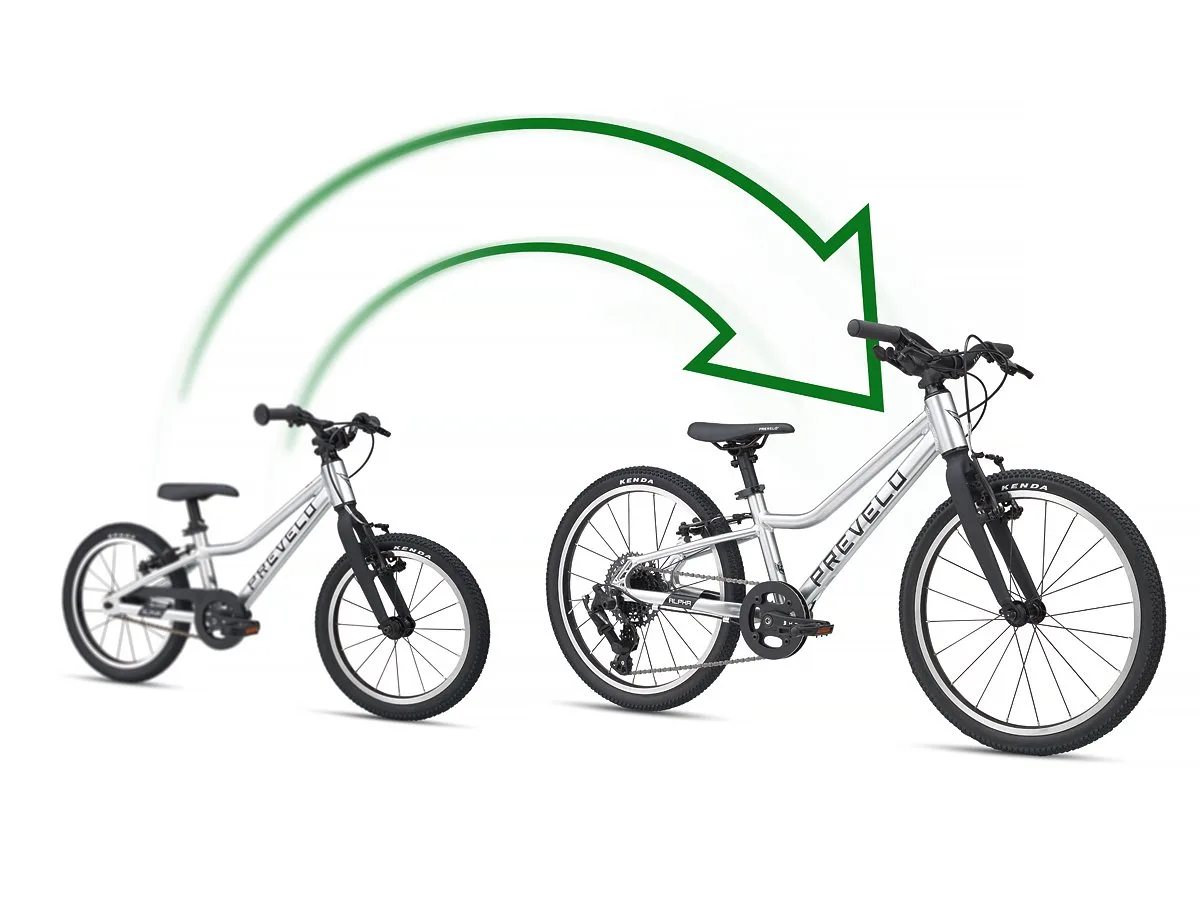
The single biggest cost in kids cycling is outgrowing bikes, not accessories. Before you spend on upgrades, check whether your brand offers a trade-up or buyback program. Programs that return a percentage of the original purchase price when you send back a previous bike change the math on buying quality in the first place.
If you are shopping an outlet or clearance bike, confirm the condition notes and generation before you commit. A previous-generation model in good condition can be the smartest purchase in the store, as long as you know what you are getting and that the trade-up rules still apply to your purchase.
- Read the trade-up terms before buying, not after your kid grows.
- Outlet bikes are worth checking for generation and condition notes.
- Budget for the next size up before you buy accessories for the current one.
Decision rules: what to buy, what to wait on
- Buy grips now if your child's hands slip or the grips spin: Worn or oversized grips are a control problem, not a cosmetic one. A fresh pair in the right inside diameter restores grip and costs far less than a new bike. Check diameter before ordering, and remember grips are sold as a pair.
- Buy a jersey when rides get long enough to sweat through cotton: Fast-drying technical fabric and a youth-specific cut matter most on rides over about 30 minutes or in warm weather. Below that, any comfortable shirt works. Machine washable matters more than style for most families.
- Add knee pads only for the terrain that justifies them: Paved paths and driveways rarely need pads. Gravel, pump tracks, and light trails do. Match the protection to where your kid actually rides this month, not where you hope they will ride next year. One well-fitting pad set beats a full kit that never gets worn.
- Join a trade-up program before you buy the next size: If the brand offers a percentage back on your previous bike plus return shipping, that changes the total cost of ownership across every future bike. Read the terms first so you know what qualifies. Lifetime membership only pays off if you plan to buy again.
- Consider an outlet bike when condition and generation check out: An outlet listing in Good condition from a known generation can be the best value in the store, provided the size fits your rider today and you are comfortable with cosmetic wear. Confirm size and generation before you commit.
Product facts worth knowing
- Grips: These colored grips use the same high-quality Kraton rubber surface as the grips that come standard on Prevelo bikes, and black versions are direct replacements. All grips are sold as a pair. You can refresh worn grips or add color without changing the feel your child is already used to, and buying a pair means no mismatched leftovers.
- Official Prevelo Jersey: Made of fast-drying technical fabric with a curved lower back tail for extra coverage, 100% lightweight polyester, machine washable, and designed, proportioned, and tested for young riders. The youth-specific cut and quick-dry fabric solve the two most common complaints about kids' riding clothes: sleeves that hang too long and shirts that stay damp after a ride.
- Prevelo Rider's License: A full-color, dual-sided card customized with your rider's name and picture, dye-sub printed on plastic and Prevelo security marked, measuring 3.375 by 2.125 inches. It is a low-cost way to mark a milestone and give a young rider a sense of ownership, which helps with the motivation side of learning to ride.
- Prevelo Factory Trade-Up Club: When you are ready to move up to your next Prevelo bike, send back your previous bike and Prevelo gives back 40% of the original purchase price of the previous bike, and pays the return shipping. Membership is a lifetime membership. This is the accessory that pays for itself, because it lowers the real cost of every future bike and makes buying a better first bike a more reasonable decision.
Who this checklist fits
Best for
- Parents of riders roughly ages 3 to 13 who want a priority order instead of a random shopping list
- Families buying their first quality kids bike and trying to avoid outgrowing it in a year
- Parents whose kids already ride but complain about sore hands, damp shirts, or slipping grips
Not for
- Parents looking for performance upgrades like drivetrain or brake changes, which are bike-specific decisions rather than accessory purchases
- Riders on adult-sized bikes, since youth-specific sizing and cuts are the whole point here
- Anyone shopping purely on lowest price, because a trade-up program and quality contact points cost more up front
Buy the accessories your child touches first, add safety gear that matches their real terrain, and protect your budget with a trade-up program before you need it. Everything else can wait until your rider asks.