Quick answer
Pack for the ride you actually have, not the one you imagine: a small saddle bag carries repair essentials, a musette or handlebar bag carries the day's clothes and food, and a cycling commuter backpack is the right call only when you need to carry a laptop or a heavy, awkward load. If your commute mixes train, bike and office, split the load across two bags rather than forcing everything into one.
Start with what must arrive dry and undamaged
Before you compare bags, list the items that fail if they get wet or crushed: a laptop, a change of clothes, documents, a phone. These decide your bag type, not your personal preference. Everything else — tools, tubes, snacks, a lock — can live in a bag that stays on the bike.
A useful split is three tiers. Tier one is on-bike essentials you never remove: spare tube, tyre levers, multi-tool, a small pump or CO2. Tier two is the day's cargo: clothes, lunch, laptop. Tier three is weather and temperature backup: a windproof layer, arm warmers, gloves. Tier one belongs in a small saddle bag, tier two in a musette, handlebar bag or backpack, and tier three in whichever bag has room left.
- Tier 1, always on the bike: tube, levers, multi-tool, pump or CO2, ID.
- Tier 2, changes daily: clothes, lunch, laptop, documents.
- Tier 3, weather-dependent: windproof gilet, arm warmers, gloves, cap.
Small saddle bag essentials: the kit that never leaves the bike
A small saddle bag is the least disruptive way to carry repair kit because it does not touch your back, your shoulders or your steering. Keep it loaded and you remove one decision from every morning. The limit is volume: a saddle bag holds repair items and a phone, not a shirt and shoes.
If your saddle bag is already full, do not upgrade to a bigger one by default. Move the daily cargo to a musette or handlebar bag instead and leave the saddle bag dedicated to repair kit. That keeps the weight low and central, which matters more on a commuter bike than on a weekend road bike.
Handlebar bag vs backpack: how to choose
A handlebar bag keeps weight on the bike, keeps your back dry and leaves your shoulders free. It suits flat-bar commuters, bikes with rack or basket mounts, and anyone riding in warm weather or wearing a work shirt they do not want creased. The trade-off is steering feel: a heavily loaded bar bag makes slow-speed handling heavier and can interfere with cables or a front light.
A cycling commuter backpack is faster to live with off the bike — you park, walk in, and you are done. It also handles a laptop better than most bar bags because the load sits against your back rather than bouncing on the bars. The cost is sweat and pressure points on longer rides, and a heavier feel when you stand out of the saddle.
A simple rule: if your ride is under about 30 minutes and you carry a laptop, a backpack is usually the better answer. If your ride is longer, hillier or hotter, move the weight onto the bike with a handlebar bag or a musette carried across the back.
Where a musette fits, and where it does not
A musette is a single-strap cotton or technical-fabric bag that sits across your back. It is the lightest way to carry a change of clothes, a lunch and a light layer, and it folds flat when empty. It is also the wrong bag for a laptop, for heavy shopping or for a ride where you will stand and sprint — the load swings unless you keep it light and close.
The best musette for commuting is one with a wide strap, a secure closure and a fabric that tolerates rain or dries fast. Treat it as a tier-two bag for soft cargo, and keep hard or heavy items elsewhere.
Weather layers belong in the bag, not on your back
The most common packing mistake is dressing for the start of the ride and ignoring the end. A windproof gilet packs small enough to live in a musette or bar bag all year and covers the two situations that ruin a commute: cold early starts and long descents or shaded riverside paths. A windproof core with a breathable rear section lets heat escape when you climb, which matters more on a commute than on a steady training ride.
Arm warmers are the other high-value item because they extend the temperature range of a short-sleeve jersey without a second jersey. Look for light, four-way stretch fabric with silicone grippers so they stay put when you take a layer off mid-ride, and check that they pack down small enough to sit in a musette pocket.
What to leave at work
The cheapest way to lighten a commute is to stop carrying things. If you have a desk or locker, keep shoes, a towel, toiletries and a spare charger there permanently, and carry only clothes and a laptop. On a five-day commute, that alone can remove several kilos from your back or bars.
If you have no storage at work, plan around a two-bag system: a small saddle bag for repair kit that never comes off the bike, plus one carry bag for the day. Choose that carry bag by your heaviest regular load, not your lightest.
Decision rules for your commute
- If you carry a laptop every day: Choose a cycling commuter backpack with a padded sleeve. Bar bags rarely protect a laptop from vibration and rain as well, and a musette offers no structure at all. Backpack wins on laptop days, even if you sweat more.
- If your ride is over 45 minutes or hilly: Move weight onto the bike with a handlebar bag or a musette, and keep the backpack for short, flat days. Shoulder pressure and a sweaty back get worse with distance, not better. Long or hilly: get the load off your back.
- If you need repair kit and nothing else: Use a small saddle bag and keep it permanently loaded. Do not size up to a bigger bag to absorb daily cargo — that adds weight and bulk to the bike for no benefit. One bag, one job.
- If you mix bike with train, bus or car: Pick a bag you can carry comfortably off the bike for ten minutes. A musette with a wide strap or a backpack with a decent harness beats a rigid bar bag here. Test the off-bike carry before you buy.
- If you ride in changeable weather: Reserve permanent space for a packable windproof gilet and arm warmers in whichever bag you use. These two items cover most cold starts, descents and sudden showers. Pack the layers first, then fit everything else around them.
Products that solve specific commute problems
- Lina Gilet: Lina Gilet is built from a 100% recycled 57gsm Pertex Quantum fabric with a fully windproof, DWR-coated core and a breathable rear section, plus a YKK two-way zip, and it stashes into its own pocket. It is the layer to keep permanently in your musette or handlebar bag: windproof where you need it, breathable at the back on climbs, and small enough to disappear when the ride warms up.
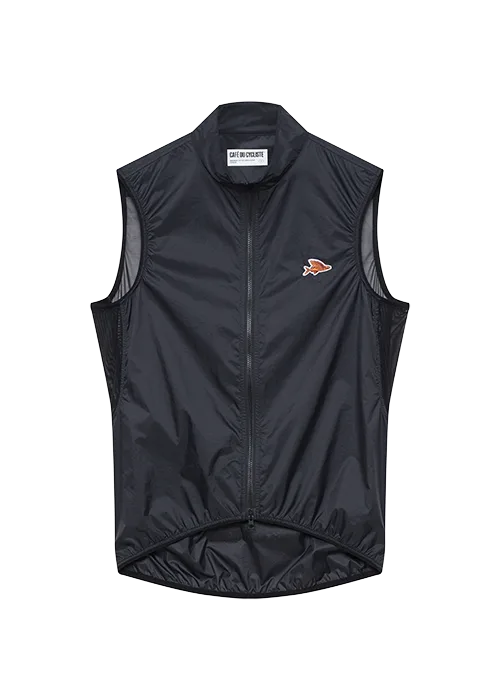
Lina Gilet
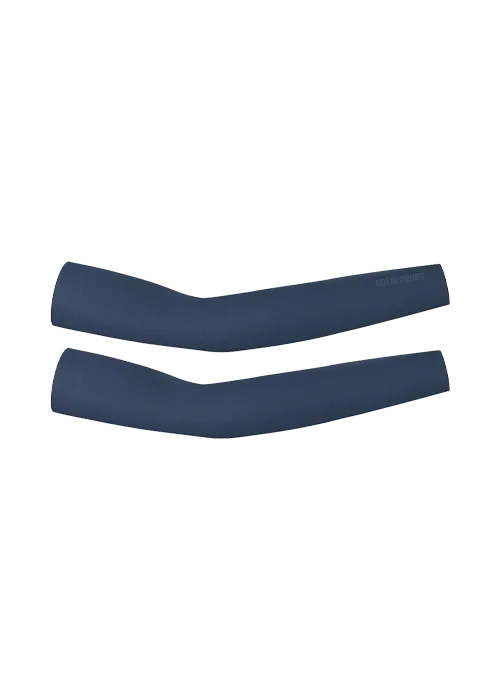
- Teodora: Teodora arm warmers use a lighter, four-way stretch fabric that is breathable, protects against sudden showers, wind and cold snaps, and uses silicone bands for reliable grip. They let one short-sleeve jersey cover a wider temperature range, and the silicone grippers mean they stay in place when you pull a gilet off mid-commute.
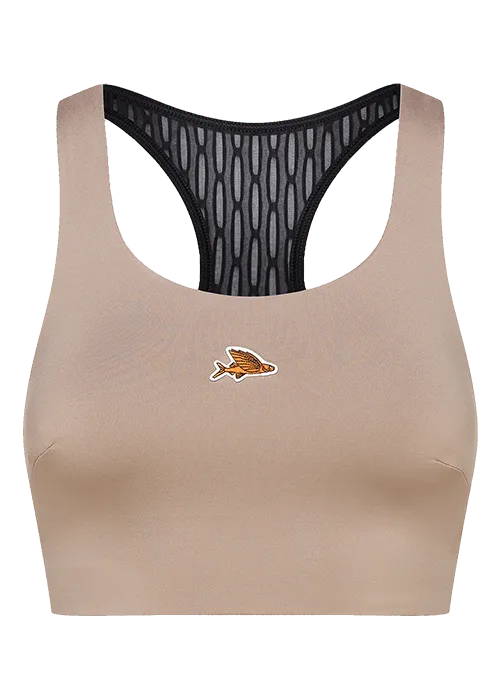
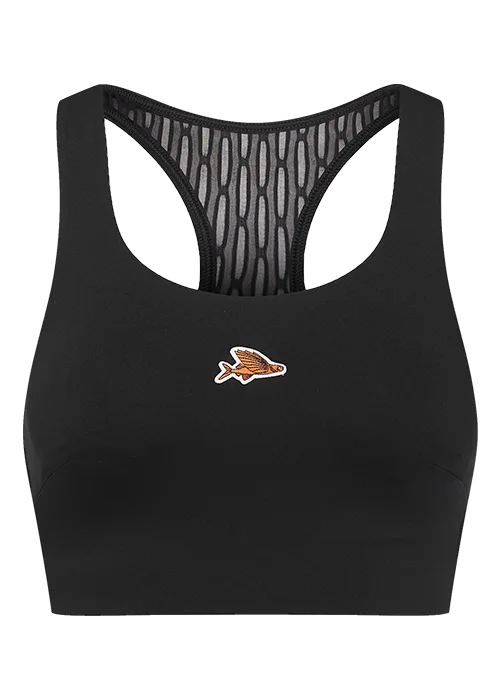
- Cesarine: Cesarine is a sports bra designed for cycling and a wide range of activities, with a mesh back built to distribute pressure evenly and a main fabric that wicks moisture. If you carry a change of clothes, this is the piece to wear on the bike rather than pack — a moisture-wicking, pressure-distributing layer reduces what you need to fold into a musette.
Who this packing approach suits
Best for
- Commuters with a fixed route and a predictable daily load
- Riders who can leave shoes, toiletries or a charger at work
- Cyclists who want one small saddle bag plus one carry bag rather than a single large pack
Not for
- Riders who need to carry bulky or heavy equipment such as tools or a full change of clothes plus a laptop in one bag
- Commuters on very short rides who prefer to carry everything in a single backpack and accept a sweaty back
- Riders who need a fully waterproof, fully sealed bag for heavy rain — check the specific bag's weather protection before buying