Choosing the right corkscrew can transform your wine-opening experience, especially if you often deal with delicate or older bottles. Two popular styles dominate the market: the bilame (two-blade) corkscrew and the classic waiter's corkscrew. Both have loyal fans, but they serve different purposes and excel in different situations.
In this comparison, we'll break down the mechanics, pros, and cons of each tool, helping you decide which one deserves a place in your wine kit. Whether you're a casual enthusiast or a seasoned sommelier, understanding these differences will elevate your wine service.
Understanding the Bilame Corkscrew
The bilame corkscrew, also known as a two-blade or twin-prong corkscrew, is a specialized tool designed to extract corks with minimal damage. Instead of piercing the cork, it slides two thin blades between the cork and the bottle neck, gripping the cork from the sides. This method is particularly effective for old, fragile corks that might crumble under the pressure of a traditional screw.
One of the standout features of a bilame is its gentle extraction. Because it doesn't penetrate the cork, it preserves the integrity of both the cork and the wine. This makes it a favorite among collectors and sommeliers who handle vintage bottles. However, mastering the technique requires practice, as you need to work the blades carefully to avoid pushing the cork into the bottle.
- Ideal for old or fragile corks that may break
- Preserves cork integrity and prevents cork taint
- Requires practice to use efficiently
- Not as quick as a waiter's corkscrew for everyday use
The Waiter's Corkscrew: A Timeless Classic
The waiter's corkscrew, also known as a sommelier knife, is the go-to tool for most wine professionals. It features a spiral screw (worm), a lever (fulcrum), and a small blade for cutting foil. Its design allows for quick, efficient opening with minimal effort, making it perfect for restaurants, events, and everyday use.
The key advantage of a waiter's corkscrew is its speed and convenience. With a few simple motions, you can open a bottle in seconds. It's also compact and easy to carry, fitting neatly into a pocket or a leather case. However, the screw pierces the cork, which can be problematic for very old or brittle corks that may break apart.
- Fast and efficient for everyday opening
- Compact and portable design
- Includes a foil cutter, ideal for professional service
- Not recommended for very old or fragile corks
Bilame vs Waiter's Corkscrew: Key Differences
The main difference lies in how they interact with the cork. A bilame grips the cork without piercing it, while a waiter's corkscrew penetrates the cork. This fundamental distinction affects their performance on different types of bottles. For modern corks with synthetic or composite materials, a waiter's corkscrew works perfectly. For natural corks that have aged and become brittle, a bilame is the safer choice.
Another difference is the learning curve. A waiter's corkscrew is intuitive and easy to master, even for beginners. In contrast, the bilame requires a steady hand and some practice to insert the blades correctly. Once you get the hang of it, though, it can be just as quick and highly rewarding.
- Bilame: no piercing, gentle on old corks, requires practice
- Waiter's: piercing, fast, easy to use, suitable for most bottles
Pros and Cons: Bilame Corkscrew
The bilame's primary strength is its ability to extract old, fragile corks without breaking them. This is a huge advantage when you're opening a vintage bottle that's been aging for decades. It also avoids any risk of cork pieces falling into the wine, ensuring a clean pour. Additionally, because it doesn't damage the cork, you can even reinsert it for short-term storage if needed.
On the downside, the bilame is not as versatile as a waiter's corkscrew. It doesn't include a foil cutter, so you'll need a separate tool to remove the capsule. It's also slower for multiple bottles, as each extraction takes more time and concentration. For casual drinkers who open a bottle a few times a week, a bilame might feel overly complex.
- Perfect for old and delicate corks
- No cork breakage risk
- Requires separate foil cutter
- Slower than a waiter's corkscrew
Pros and Cons: Waiter's Corkscrew
The waiter's corkscrew excels in speed and convenience. Its built-in foil cutter and lever mechanism allow for a smooth, one-handed operation once you're practiced. It's the standard tool in the hospitality industry, and many models feature ergonomic handles and durable construction. For most wine enthusiasts, a high-quality waiter's corkscrew is all they need.
The main drawback is its interaction with old corks. If a cork is dry or brittle, the screw can cause it to crumble, leading to pieces in your wine. While this isn't a disaster, it's not ideal. Additionally, some purists argue that piercing the cork can alter the wine's flavor, though this is largely debated.
- Fast and efficient, ideal for daily use
- Includes foil cutter, convenient for service
- May damage fragile corks
- Not suitable for very old bottles
Which One Should You Choose?
Your choice ultimately depends on your wine-drinking habits. If you frequently open young, everyday wines, a waiter's corkscrew is the practical choice. It's quick, reliable, and easy to use. Consider a model like the Sommelier Corkscrew in Rosewood – Soft Machine from L’Atelier du Vin, which combines classic design with modern ergonomics.
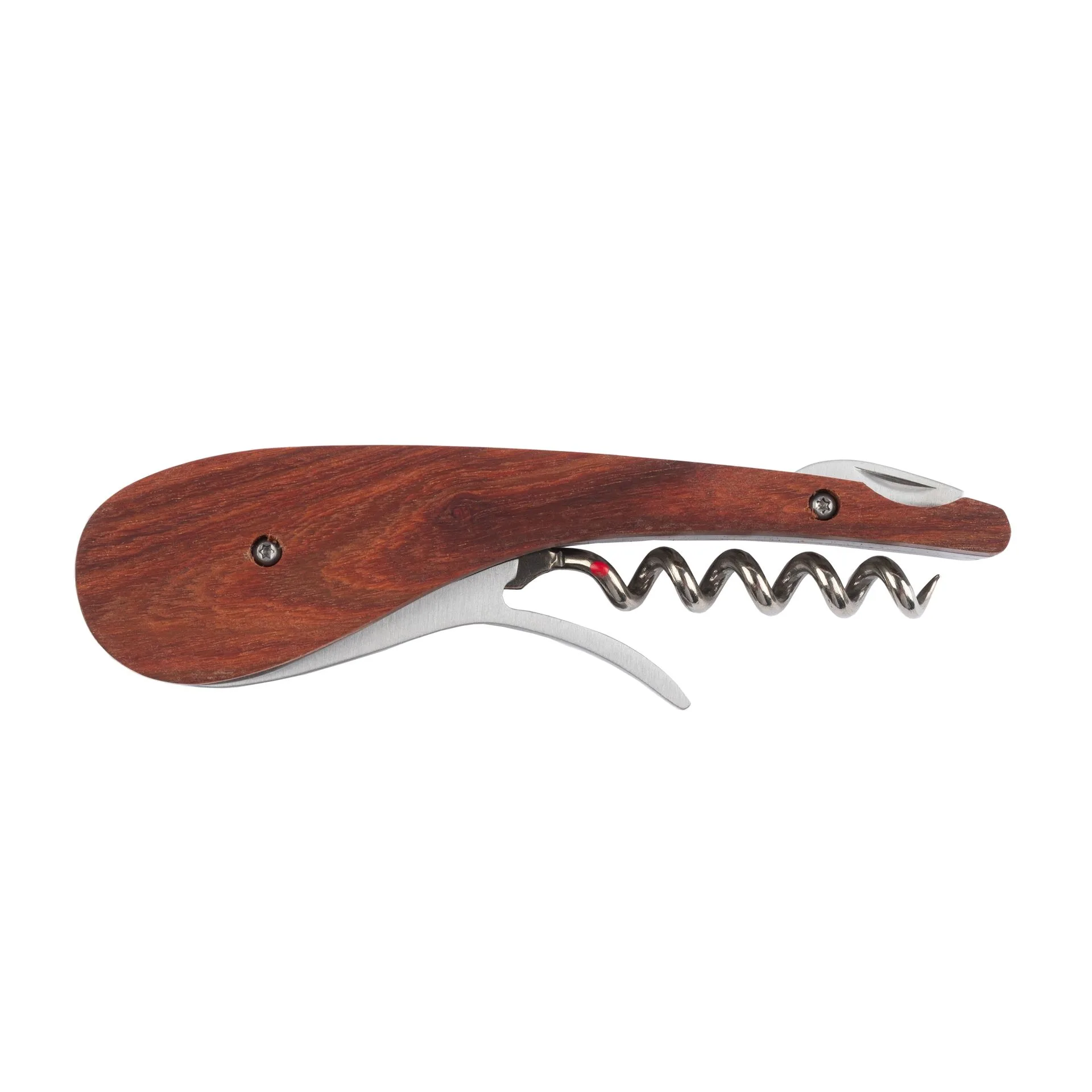
Sommelier Corkscrew in Rosewood – Soft Machine
If you collect aged wines or enjoy the ritual of careful extraction, a bilame is a worthwhile investment. It's also a great conversation starter and a mark of a true connoisseur. For those who want the best of both worlds, you can own both tools—use the waiter's corkscrew for casual nights and the bilame for special occasions.
- Choose a waiter's corkscrew for everyday use and professional service
- Choose a bilame for old, fragile corks and a more delicate approach
Top Picks from L’Atelier du Vin
L’Atelier du Vin offers a range of high-quality corkscrews to suit every preference. For a reliable waiter's corkscrew, the Le Vigneron - Black is a popular choice, featuring a sturdy construction and smooth operation. If you're interested in exploring the bilame style, you'll find expert guidance and premium options in their collection.
Both tools are essential for any wine lover, and investing in quality ensures longevity and performance. Pair your corkscrew with complementary accessories like a wine aerator or decanter to enhance your tasting experience.
- Le Vigneron - Black: a classic waiter's corkscrew with a modern touch
- Sommelier Corkscrew in Rosewood – Soft Machine: ergonomic and elegant
In the end, the best corkscrew is the one that fits your needs and feels comfortable in your hand. Whether you opt for the precision of a bilame or the speed of a waiter's corkscrew, both are valuable tools for any wine enthusiast. Explore L’Atelier du Vin's selection to find the perfect companion for your next bottle.