Quick answer
For most birdwatching, a 10x42 like the Nikon MONARCH M7 offers the best balance of magnification and brightness. Choose an 8x32 for close-range forest viewing, and a 16x50 only for open fields or tripod use.
Why magnification and objective lens size matter for birdwatching
The two numbers on binoculars—magnification and objective lens diameter—directly affect what you see. Higher magnification brings distant birds closer but narrows your field of view and makes hand shake more noticeable. A larger objective lens gathers more light, which helps in dawn or dusk conditions, but adds weight and bulk. Choosing the right combination depends on where and how you watch birds.
The trade-off in field of view and brightness
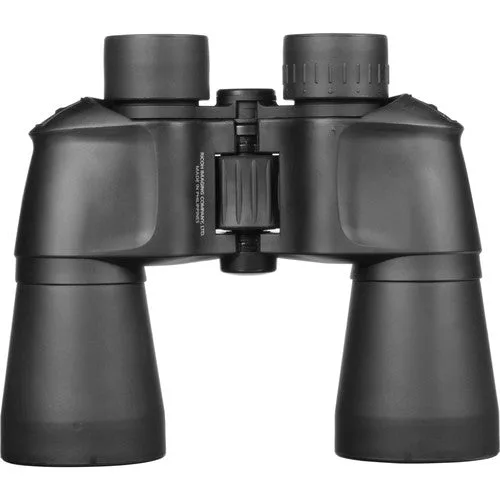
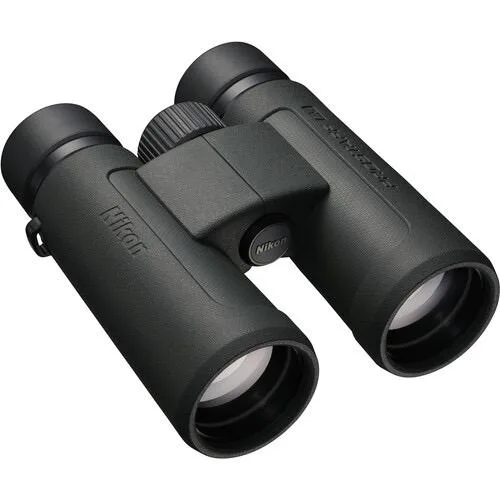
An 8x32 binocular like the Leica 8x32 Trinovid HD offers a wider field of view, making it easier to track birds in dense foliage. The 32mm objective is sufficient for daylight but limits performance in low light. A 10x42, such as the Nikon MONARCH M7, provides a brighter image with its larger 42mm objective, while still being handheld-friendly. The Ricoh Pentax 16x50 S-Series SP has the highest magnification and largest objective, but its 16x magnification makes it difficult to hold steady without a tripod, and the 50mm objectives add significant weight.
Trade-offs at a glance
- 8x32 (Leica Trinovid HD): Wide field of view, compact, and lightweight. Ideal for close-range birding in forests or gardens. Less effective in low light.
- 10x42 (Nikon MONARCH M7 or PROSTAFF P3): Balanced magnification and brightness. Good for most habitats and handheld use. The MONARCH M7 offers extra-low dispersion glass for sharper images. This is the most versatile choice for general birdwatching.
- 16x50 (Ricoh Pentax S-Series SP): High magnification for distant birds or stargazing. Requires a tripod for steady viewing. Heavy and bulky for field use.
Product facts
-
Leica 8x32 Trinovid HD Binoculars: The Leica 8x32 Trinovid HD Binoculars are offered by B&C Camera under the Leica brand. Leica is known for premium optics, and the 8x32 configuration prioritizes a wide field of view and compact size over maximum magnification.
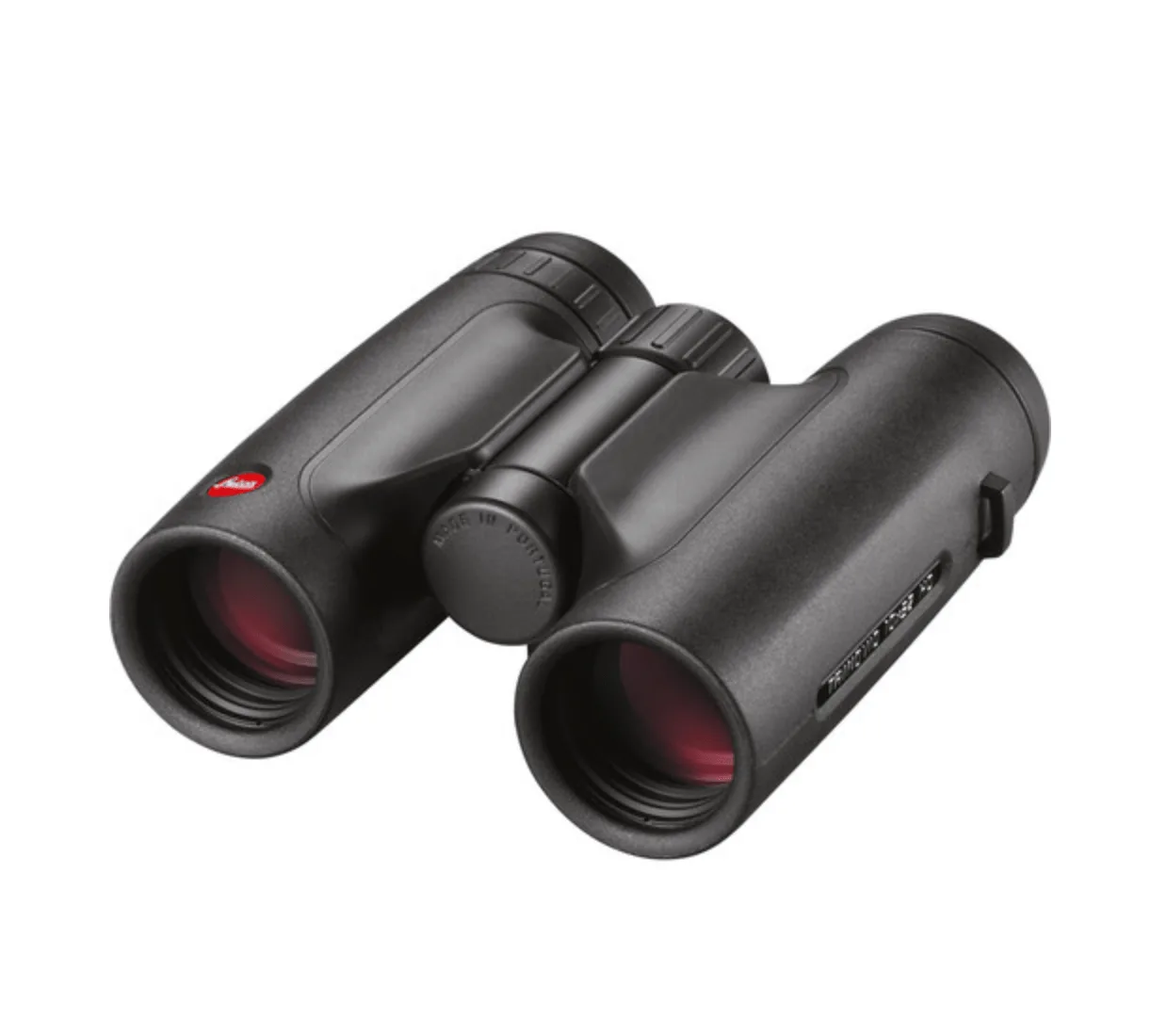
Leica 8x32 Trinovid HD Binoculars
-
Nikon MONARCH M7 10X42 Binoculars: With their wide viewing angle and bright, clear optics, Nikon's 10x42 Monarch M7 Binoculars are perfect for anyone looking for an immersive viewing experience. The 10x42 format provides a bright, steady image suitable for most birdwatching scenarios, from backyard feeders to open marshes.
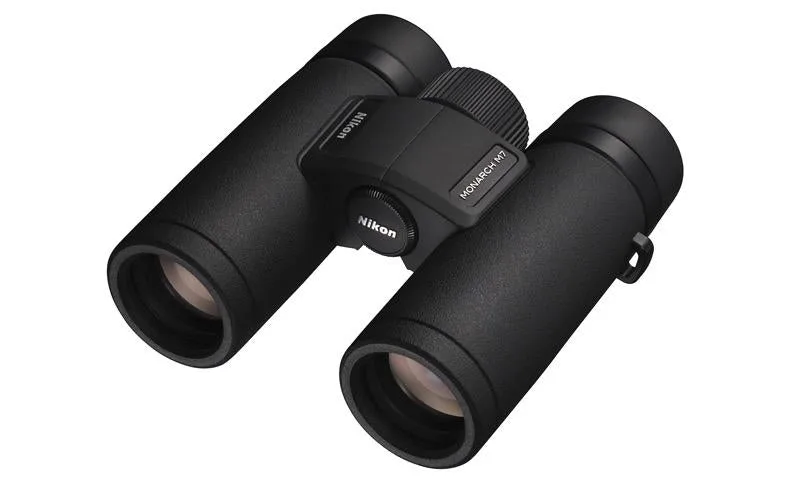
Nikon MONARCH M7 10X42 Binoculars
-
Nikon PROSTAFF P3 10x42 Binoculars: The Nikon PROSTAFF P3 10x42 Binoculars are offered by B&C Camera in the Binoculars category. This listing is for the Standard option, item code 16777, and is marked as new. The PROSTAFF P3 is a more budget-friendly 10x42 option, making it accessible for beginners who want a versatile birdwatching binocular.
-
Ricoh Pentax 16x50 S-Series SP Binoculars: Featuring large oversized fully multicoated 50mm objectives that reduce reflection and… The 16x50 format is best for stationary viewing of distant birds or celestial objects, but its weight and narrow field limit its use for general birding.
Which binocular fits your style?
Best for
- Birders who prioritize portability and a wide field of view in daylight
- General birdwatchers who want a versatile, handheld binocular for most habitats
- Budget-conscious beginners looking for a capable 10x42
Not for
- Birders who need a compact binocular for quick, close-range tracking (choose 8x32 instead)
- Those who want a lightweight, all-purpose binocular (16x50 is too heavy and requires a tripod)