Quick answer
Biofinity XR is the extended-range version of standard Biofinity, designed for people with severe nearsightedness or farsightedness who may not have been able to wear contacts before. Both use the same comfilcon A material and are monthly disposables, but the XR offers a wider prescription range. If your prescription is moderate, standard Biofinity is more affordable and widely available.
What makes Biofinity XR different
The core difference is the prescription range. Standard Biofinity covers typical nearsightedness and farsightedness, while Biofinity XR extends into higher powers. This makes it a practical option for people who previously had limited contact lens choices due to their prescription strength.
Both lenses share the same 52% comfilcon A material, which is a silicone hydrogel known for high oxygen permeability. They also have the same monthly replacement schedule and 6-lens pack size. The tradeoff is that the XR version may cost more per box and is less commonly stocked by retailers, so you may need to special order it.
Who should consider standard Biofinity instead
If your prescription falls within the standard range, you don't need the extended range of the XR. Standard Biofinity is typically easier to find, often priced lower, and offers the same material and wearing experience. It's also available in larger pack sizes, which can reduce the per-lens cost over a year.
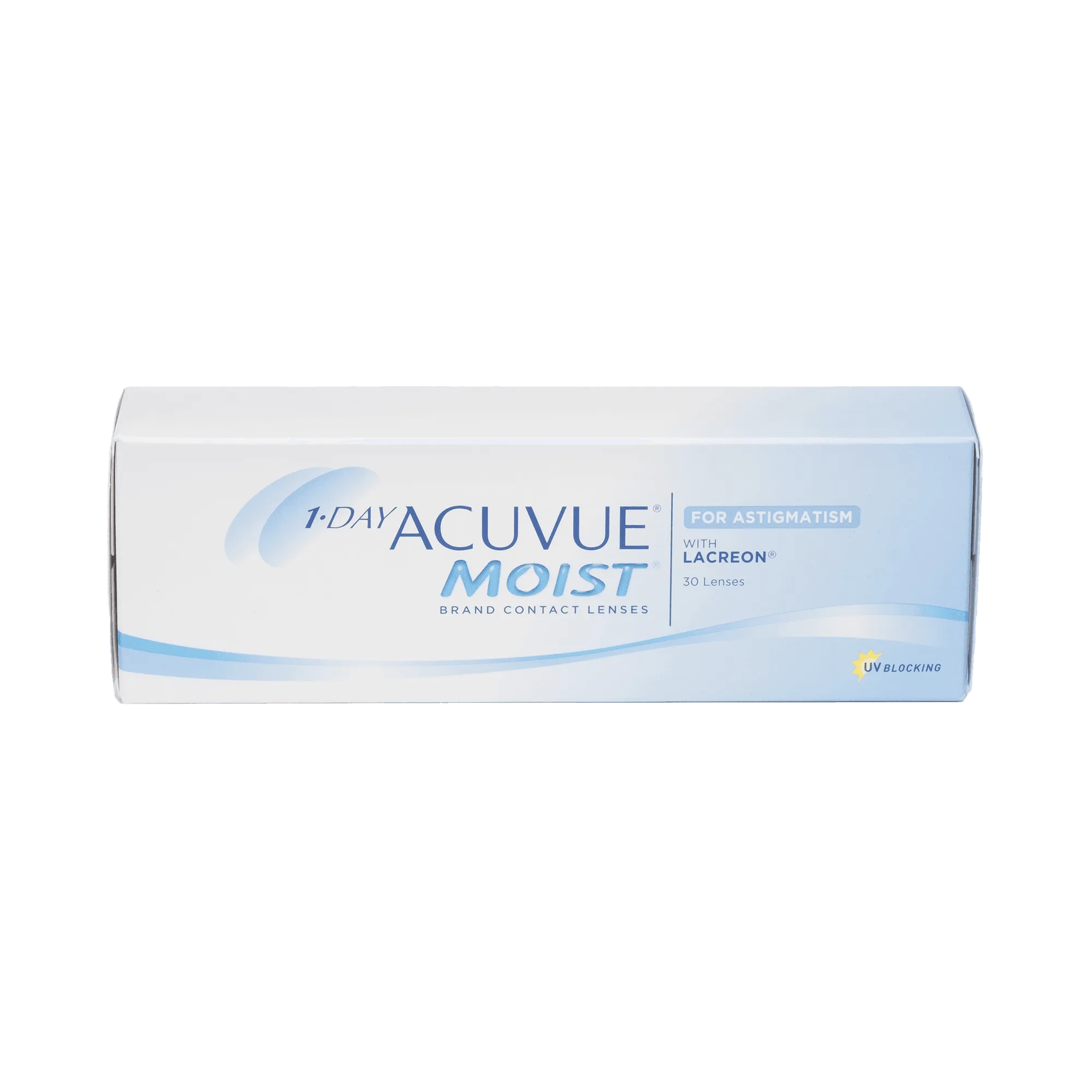
For astigmatism or presbyopia, neither the standard Biofinity nor the XR is designed for those conditions. You would need a toric or multifocal lens instead, such as the 1-Day Acuvue Moist for Astigmatism or DAILIES TOTAL1 Multifocal.
Tradeoffs to consider
- Prescription range vs availability: Biofinity XR covers severe prescriptions that standard Biofinity cannot. However, it may be harder to find in stock and may need to be ordered specially. Check your prescription first. If it's within standard limits, choose standard Biofinity for easier access.
- Same material, different cost: Both lenses use the same comfilcon A material, so comfort and oxygen transmission are similar. The XR typically costs more per box due to the extended range. Don't pay extra for the XR if your prescription doesn't require it.
- Monthly vs daily options: Biofinity XR is a monthly lens, which means you clean and store it each night. If you prefer daily disposables for convenience or hygiene, look at daily lenses like DAILIES TOTAL1 instead. Consider your lifestyle. Monthly lenses need care; daily lenses are throwaway.
Product facts at a glance
- Biofinity XR - 6 Pack: Biofinity XR - 6 Pack: Monthly disposable soft contact lenses, 52% comfilcon A, 6 lenses per box, made by CooperVision. The XR extends the prescription range for severe nearsightedness or farsightedness, giving more people access to monthly contacts. The 6-pack means you need 4 boxes for a full year supply.
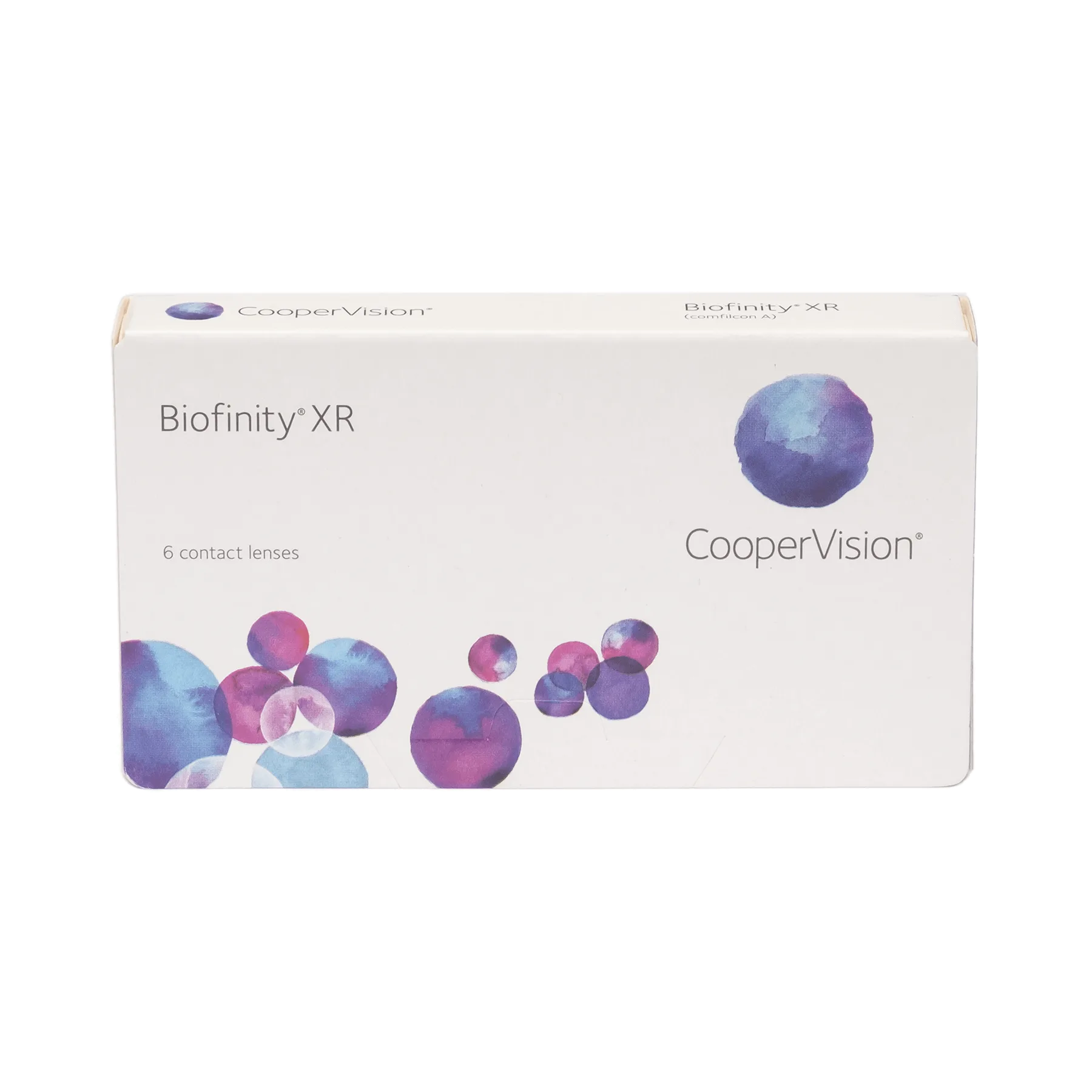
Biofinity XR - 6 Pack
- 1-Day Acuvue Moist for Astigmatism - 30 Pack: 1-Day Acuvue Moist for Astigmatism - 30 Pack: Daily disposable soft contact lenses for astigmatism, 42% etafilcon A, 30 lenses per box, made by Johnson & Johnson. If you have astigmatism, this daily lens offers a convenient no-solution option. It's a different category than monthly lenses, so it's an alternative if the Biofinity XR doesn't fit your eye shape or condition.
Which lens fits your needs?
Best for
- People with severe nearsightedness or farsightedness who need an extended prescription range
- Monthly lens wearers who want a high-oxygen silicone hydrogel material
Not for
- Anyone with a moderate prescription that standard Biofinity covers
- People with astigmatism, presbyopia, or who prefer daily disposable lenses