Quick Answer
Biotin can support healthy hair, skin, and nails, especially if you have a deficiency, but results vary. For most people, a daily dose around 2,500 mcg is a reasonable starting point.
Why biotin matters for hair, skin, and nails
Biotin, also known as vitamin B7, is a water-soluble B vitamin that plays a key role in metabolizing fats, carbohydrates, and proteins. These nutrients are the building blocks of keratin, the protein that makes up your hair, skin, and nails. Without enough biotin, your body may not produce keratin efficiently, which can lead to brittle nails or hair thinning.
However, true biotin deficiency is rare in healthy adults who eat a varied diet. Most people get adequate biotin from food, and extra supplementation may not produce dramatic changes unless you have a deficiency or an underlying condition that affects absorption.
What to look for in a biotin supplement
Not all biotin supplements are created equal. The source and purity matter, especially if you prefer vegan or organic options. For example, biotin derived from organic Sesbania—a plant known for its nutrient density—offers a sustainable, plant-based source that aligns with a vegan lifestyle.
Also consider the dosage per serving. Many supplements provide 2,500 mcg, which is well above the recommended dietary allowance but within safe limits. Always check the label for additional ingredients that may not suit your dietary needs.
Biotin FAQ
What are the main biotin benefits?
Biotin supports the production of keratin, which is essential for healthy hair, skin, and nails. It also helps your body convert food into energy and supports metabolic function.
How much biotin should I take?
The recommended daily allowance for adults is 30 mcg, but supplements often contain much more—like 2,500 mcg—because higher doses are considered safe and may be helpful for hair and nail concerns. Start with a lower dose if you're new to biotin and consult your healthcare provider if you have any medical conditions. Check the label for the mcg per serving and adjust based on your needs.
Are there any biotin side effects?
Biotin is water-soluble, so excess amounts are usually excreted in urine. Side effects are rare, but very high doses may cause digestive upset or skin rashes in some people. Biotin can also interfere with certain lab tests, so tell your doctor if you take biotin before blood work. Mention biotin use to your healthcare provider before any lab tests.
Product Spotlight
-
Biotin - S&S: This biotin supplement provides 2,500 mcg per serving and is extracted from organic Sesbania, a plant known for its nutrient profile and sustainability. If you follow a vegan or organic lifestyle, this gives you a plant-based biotin source with a dosage that supports hair, skin, and nail health.
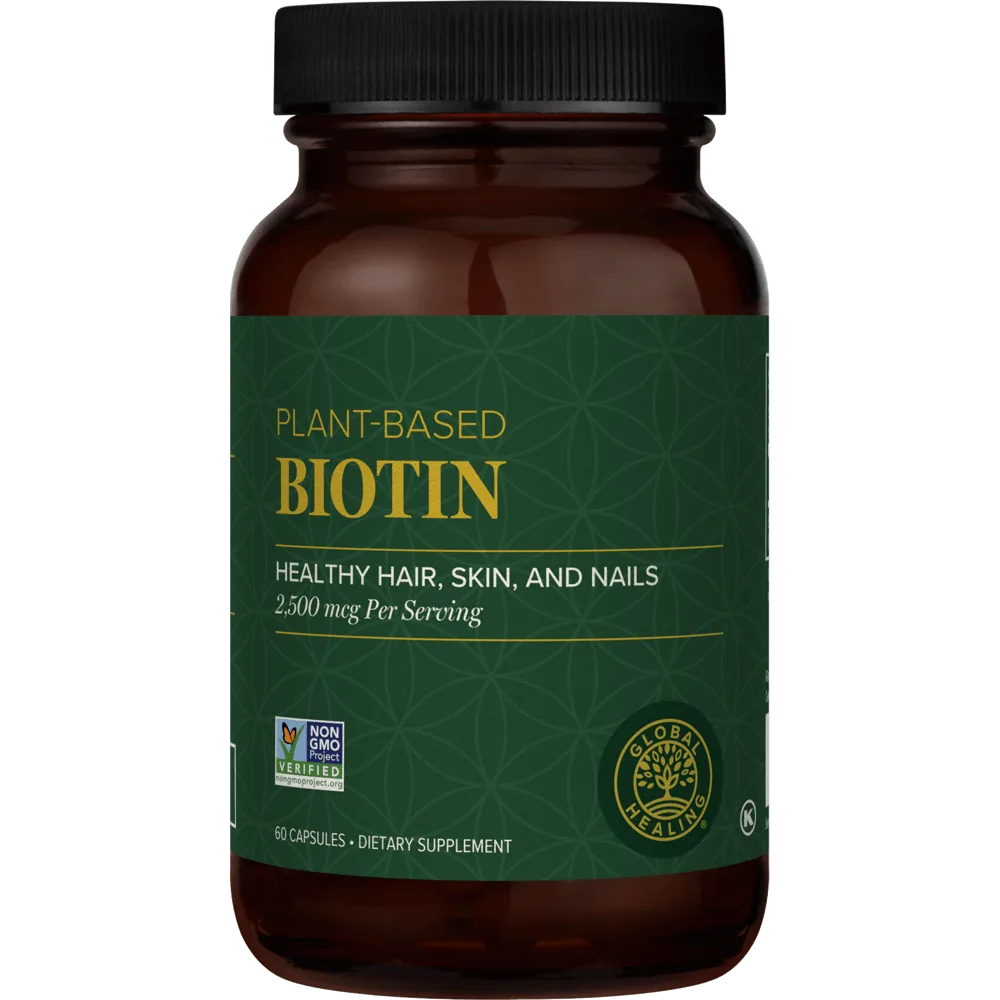
Biotin - S&S