Quick Answer
For most birds, a mix of sand and wood perches is ideal: sand perches help trim nails and beaks, while wood perches offer a natural, comfortable grip. Choose sand if your bird's nails are overgrown; choose wood if your bird spends most of its time on one perch.
Why Perch Material Matters for Bird Foot Health
Birds' feet are designed to grip a variety of surfaces. Using only one perch material can lead to pressure sores, muscle fatigue, or overgrown nails. Sand perches provide a rough texture that naturally files nails and beaks, but they can be abrasive if used exclusively. Wood perches offer a more forgiving surface that mimics natural branches, promoting foot exercise and comfort.
Sand Perches: Benefits and Trade-offs
Sand perches, like the JW Sand Bird T-Perch, have a natural sand coating that helps keep nails and beak trimmed. The varying grip widths exercise foot muscles. However, because they are rough, they can irritate sensitive feet if the bird stands on them all day. Use them as an accent perch, not the only perch in the cage.
Wood Perches: Natural Grip and Comfort
Wood perches are a classic choice because they resemble natural branches, offering a comfortable and secure grip. They are gentler on feet than sand, making them suitable for birds that perch for long periods. However, they do not help trim nails, so you may need to supplement with a sand perch or regular nail trims.
Sand vs Wood: How to Choose
- If your bird has overgrown nails: Choose a sand perch like the JW Sand Bird T-Perch and place it where your bird spends time, but not as the only perch. The rough surface will help file nails naturally. Monitor nail length weekly; if no improvement, consider a vet trim.
- If your bird perches for hours: Opt for a wood perch for the main resting spot to avoid irritation from sand. Use a sand perch as a secondary perch for grooming. Provide multiple perch types to vary foot pressure.
- If you want to minimize cage mess: The JW Sand Bird Perch's shape encourages perching away from the cage wall, helping keep droppings inside the cage. Use it alongside wood perches for balance. Position it away from food and water dishes to reduce contamination.
Sand Perch Options to Consider
-
JW Sand Bird T-Perch: The JW Sand Bird T-Perch has a natural sand coating that helps keep nails and beak trimmed, and different grip widths exercise foot muscles. This perch is ideal for parakeets and other small birds that need regular nail maintenance without frequent trims.
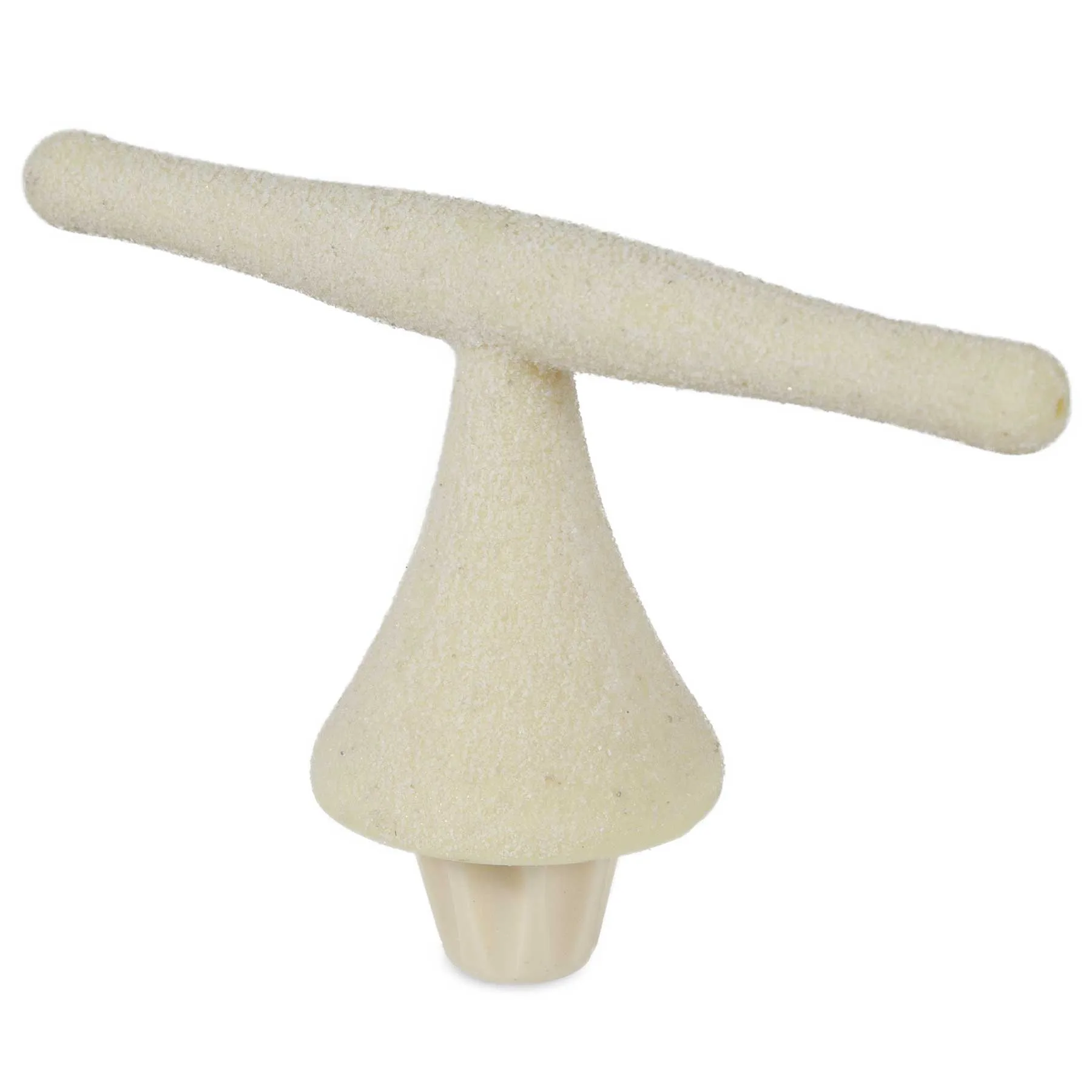
JW Sand Bird T-Perch
-
JW Sand Bird Perch: The JW Sand Bird Perch is wider at the base and more slender toward the tip, giving feet a workout and encouraging the bird to perch away from the cage wall. This shape helps reduce mess inside the cage and promotes natural perching behavior, making it a practical choice for active birds.
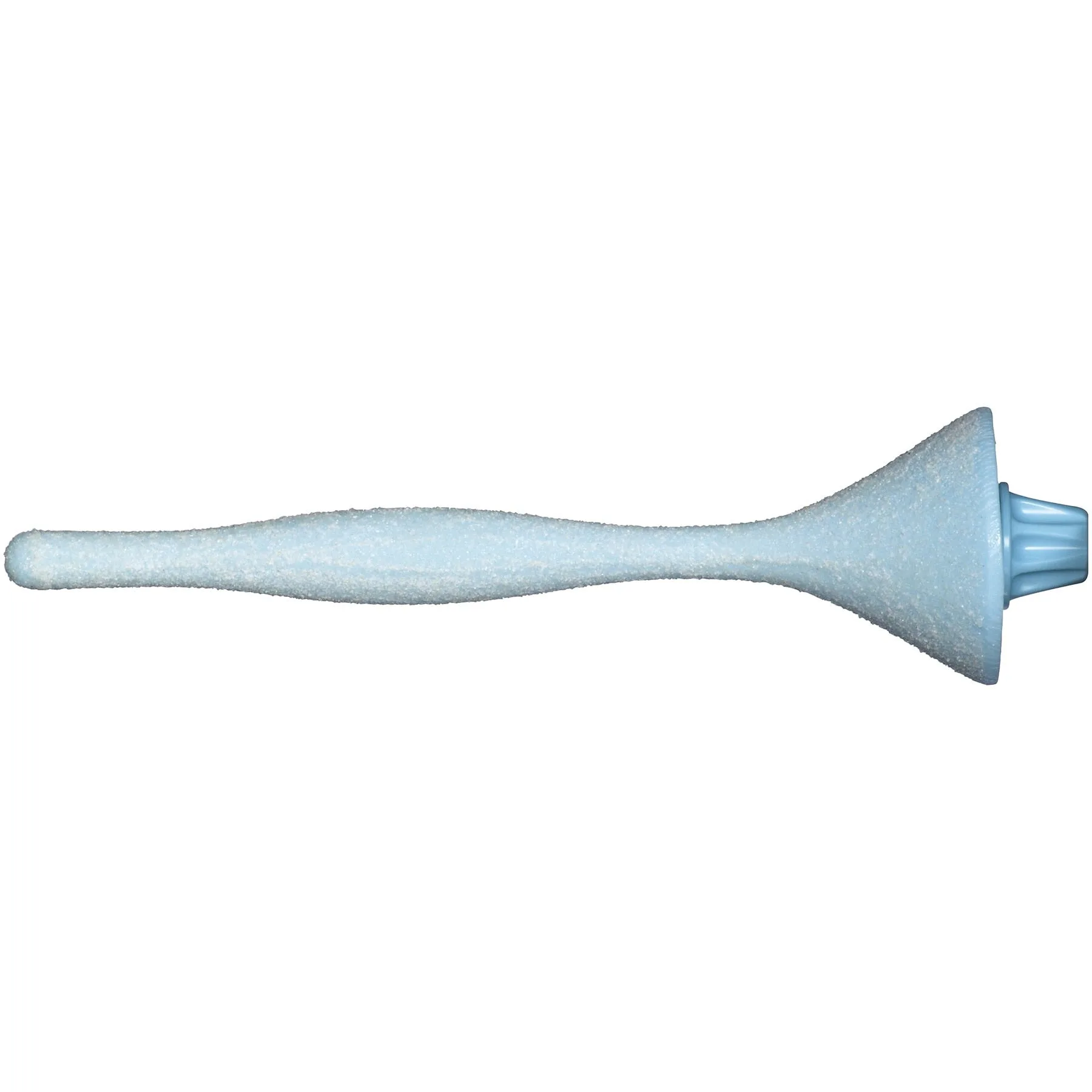
JW Sand Bird Perch
Which Perch Fits Your Bird?
Best for
- Birds needing natural nail and beak maintenance
- Owners who want a low-maintenance grooming solution
Not for
- Birds with sensitive or injured feet
- Birds that spend most of their time on one perch without variety