Quick Answer
Start with a dark, tannin-rich base: add a botanical starter pack and a layer of leaf litter, then let the water stabilize for a week before adding fish. Use magnolia leaves and seed pods to build structure, and test pH and hardness so you can adjust with water changes rather than guessing.
A blackwater biotope aquarium mimics the slow, leaf-stained rivers of the Amazon basin, where fallen leaves and seed pods release tannins that tint the water like weak tea. The goal is not just dark water; it is a stable, layered habitat where fish and shrimp can hide, graze, and breed.
This guide walks through the setup in order, from choosing botanicals to managing tannins in aquarium water. Each step includes a common mistake so you can avoid the usual pitfalls of a blackwater fish tank setup.
Choose Botanicals That Match Your Biotope
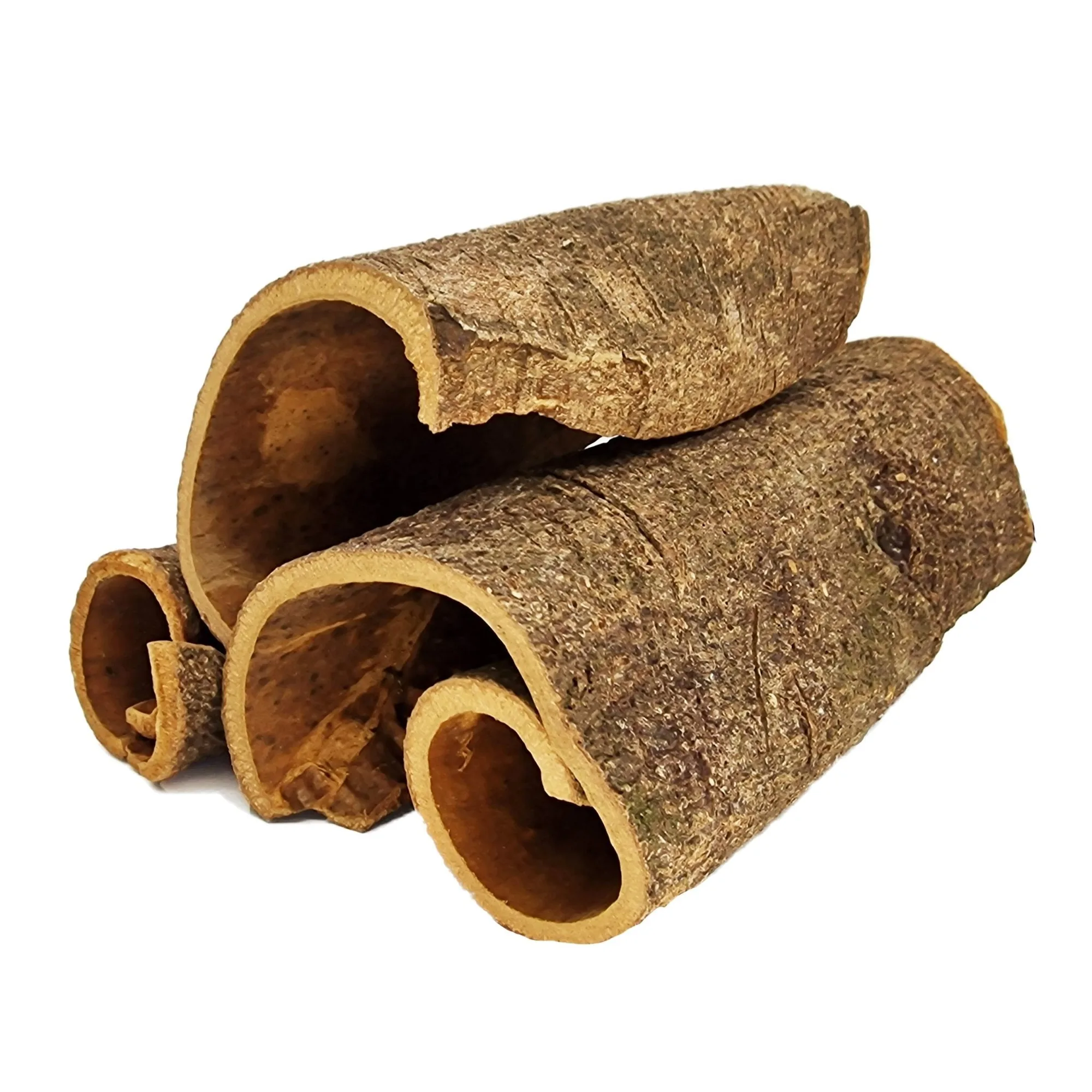
Not all botanicals behave the same. Leaves break down quickly and feed microfauna, while seed pods and acorn cups last longer and create caves. A botanical starter pack gives you a balanced mix so you are not guessing which items to combine. For a South American look, look for packs curated for dwarf cichlids and other blackwater species.
If you want a forest-floor effect, add small items like Turkey Oak Acorns alongside larger pods. The mix of textures matters more than the total volume. Start with less than you think you need; you can always add more, but removing tannins takes water changes.
- Check that botanicals are sold for aquarium use and have no pesticides or additives.
- Rinse botanicals in warm water before adding them to remove dust.
Layer Leaf Litter for Structure and Foraging
Leaf litter aquarium setups work best when leaves are added in layers rather than dumped in one spot. Scatter a thin base across the substrate, then place a few leaves near filter outflow so they move gently. Magnolia leaves are a popular choice because they are broad, slow to decompose, and give shrimp and small fish a place to graze.
Avoid burying leaves completely. They should sit on top of the substrate or wedge between hardscape pieces. If leaves mat down too thickly, they can create dead spots with low oxygen. A loose, patchy layer looks more natural and functions better.
- Leave open swimming space at the front of the tank.
- Replace leaves only when they become skeletal and fall apart.
Set Up Filtration and Water Flow Gently
Blackwater habitats are often slow-moving, so strong current is not necessary. A sponge filter or a canister filter with a spray bar works well. The key is to keep water moving through the botanicals without blowing leaves into a corner. If you use a hang-on-back filter, aim the outflow at the tank wall to diffuse it.
Do not skip mechanical filtration. As leaves break down, fine particles enter the water. Rinse filter media in tank water during water changes to preserve beneficial bacteria. If the water stays cloudy after a week, you may have too many botanicals for your filter to handle.
- Keep the filter intake covered so small fish and shrimp are not pulled in.
- Test flow by dropping a leaf; it should drift slowly, not race.
Manage Tannins and Water Chemistry
Tannins in aquarium water lower pH and soften hardness, but the effect depends on your source water. If your tap water is hard and alkaline, tannins may only tint the water without shifting pH much. That is not a failure; it just means you need to test rather than assume. Use a liquid test kit for pH and carbonate hardness before adding sensitive fish.
Water changes are your main tool. A 20 percent change every week keeps tannins from becoming too concentrated and prevents pH from crashing. If you want darker water, add more botanicals or a botanical starter pack rather than skipping water changes.
- Do not use pH adjusters to chase a number; stability matters more.
- Keep a log of pH and hardness after each water change.
Add Fish After the Water Stabilizes
Wait at least one week after adding botanicals before introducing fish. This gives tannins time to release and the filter time to catch up. Start with a small group of hardy fish, then observe. Blackwater species often prefer dim lighting and plenty of cover, so keep the light low and leave the leaf litter undisturbed.
If you plan to breed dwarf cichlids, add caves or pods before the fish arrive. They will claim territories quickly. Do not add all your fish at once; a gradual increase lets the biological filter adjust and prevents ammonia spikes.
- Quarantine new fish before adding them to the display tank.
- Feed lightly for the first week to avoid waste buildup.
Blackwater Setup Steps at a Glance
- Rinse and add botanicals: Rinse your chosen leaves and pods in warm water, then scatter a thin layer across the substrate. Start with less than you think you need. Checkpoint: water should tint within 24 to 48 hours. If it stays clear, add more botanicals gradually.
- Layer leaf litter: Place broad leaves like magnolia on top of the substrate and near gentle flow. Leave open areas for swimming. Mistake to avoid: burying leaves completely, which can create low-oxygen pockets.
- Set up gentle filtration: Use a sponge or canister filter with diffused outflow. Keep the intake covered for small fish and shrimp. Checkpoint: a dropped leaf should drift slowly, not race to the filter.
- Test and adjust water: Measure pH and carbonate hardness before adding fish. Do a 20 percent water change weekly to keep tannins in check. Mistake to avoid: using pH adjusters instead of stable water changes.
- Add fish gradually: Wait one week after adding botanicals, then introduce a small group of hardy fish. Quarantine new arrivals first. Checkpoint: no ammonia or nitrite spike within the first week after adding fish.
Botanical Options That Fit a Blackwater Setup
- Forest Floor Leaf Litter Blackwater Aquarium Starter Pack: Contains over 10 different species of leaves, plus natural botanicals such as acorns, magnolia stems, and fine roots. This mix gives you instant variety in texture and shape, so you can build a layered forest-floor look without sourcing each item separately.
- South American Amazon Blackwater Aquarium Apistogramma Botanical Starter Pack: Curated for dwarf cichlids and other South American blackwater species, with seed pods, leaves, and bark to recreate flooded forest structure. If you keep Apistogramma or similar fish, this pack provides shelter and breeding areas that match their wild habitat.
- Turkey Oak Acorns (40 Pack): Small acorn cups release tannins and develop biofilm quickly, mimicking fine details of a natural riverbed. These are useful for adding detail around the front of the tank and providing grazing surfaces for shrimp and microfauna.
- Medium Urchin Pods (6 Pack): Naturally fallen seed pods from the Cochlospermum regium tree, they release tannins and create hiding places for small fish and shrimp. Their textured shape adds visual interest and practical caves without taking up much space.
A blackwater biotope aquarium rewards patience more than expensive equipment. Start with a balanced botanical mix, layer your leaf litter, and let the water tell you when it is ready. Test regularly, change water consistently, and the tannin-stained habitat will settle into a stable, natural-looking home for your fish.