Quick answer
Match the blade's mounting style to your handle first, then pick the blade shape for your material. Most hobby blades use a standard slotted shank that fits medium-duty handles, but saw blades and heavy-duty carving blades often need a specific handle size or a 4-jaw chuck. When in doubt, check the handle's blade compatibility list before buying a replacement.
A blade that wobbles, sits too shallow, or refuses to seat is not a sharpness problem. It is a fit problem. Craft knife blade fit depends on the shank shape, the handle's chuck or collet, and how much blade exposure the task needs.
This guide gives you concrete decision rules for blade compatibility, so you can buy replacement blades with confidence and stop wasting money on packs that never leave the drawer.
The three fit points that decide compatibility
Every hobby blade meets the handle at three points: the shank profile, the handle opening, and the locking mechanism. A standard slotted shank slides into most medium-duty craft knives. A saw blade with a keyhole profile needs a handle that accepts that shape and holds it against side load. A heavy-duty carving blade may need a 4-jaw aluminum chuck for secure positioning.
If any one of those three points is wrong, the blade will not cut accurately. Check the handle's stated blade compatibility before you buy a replacement pack.
- Compare the shank shape to the handle opening before ordering.
- A blade that seats but rocks side to side is the wrong fit, not a dull blade.
- Keep one handle per blade family to avoid mid-project swaps.
Match blade shape to material, not just to the handle
Once the blade fits, shape decides performance. Micro stencil blades with a fine point suit paper, vinyl, film, and foam board because they let you steer tight curves without tearing. Concave carving blades remove material in shallow scoops for shaping wood or soft media. Narrow saw blades cut wood, plastic, and soft metals where a straight knife edge would bind.
Buying a blade that fits but is shaped for the wrong material is the most common compatibility mistake. A saw blade in a stencil project will chatter; a micro blade on a hardwood dowel will snap.
- Fine-point blades for thin, flexible sheet goods.
- Concave blades for carving and shaping.
- Saw blades for crosscuts in wood, plastic, and soft metal.
Handle types and what they accept
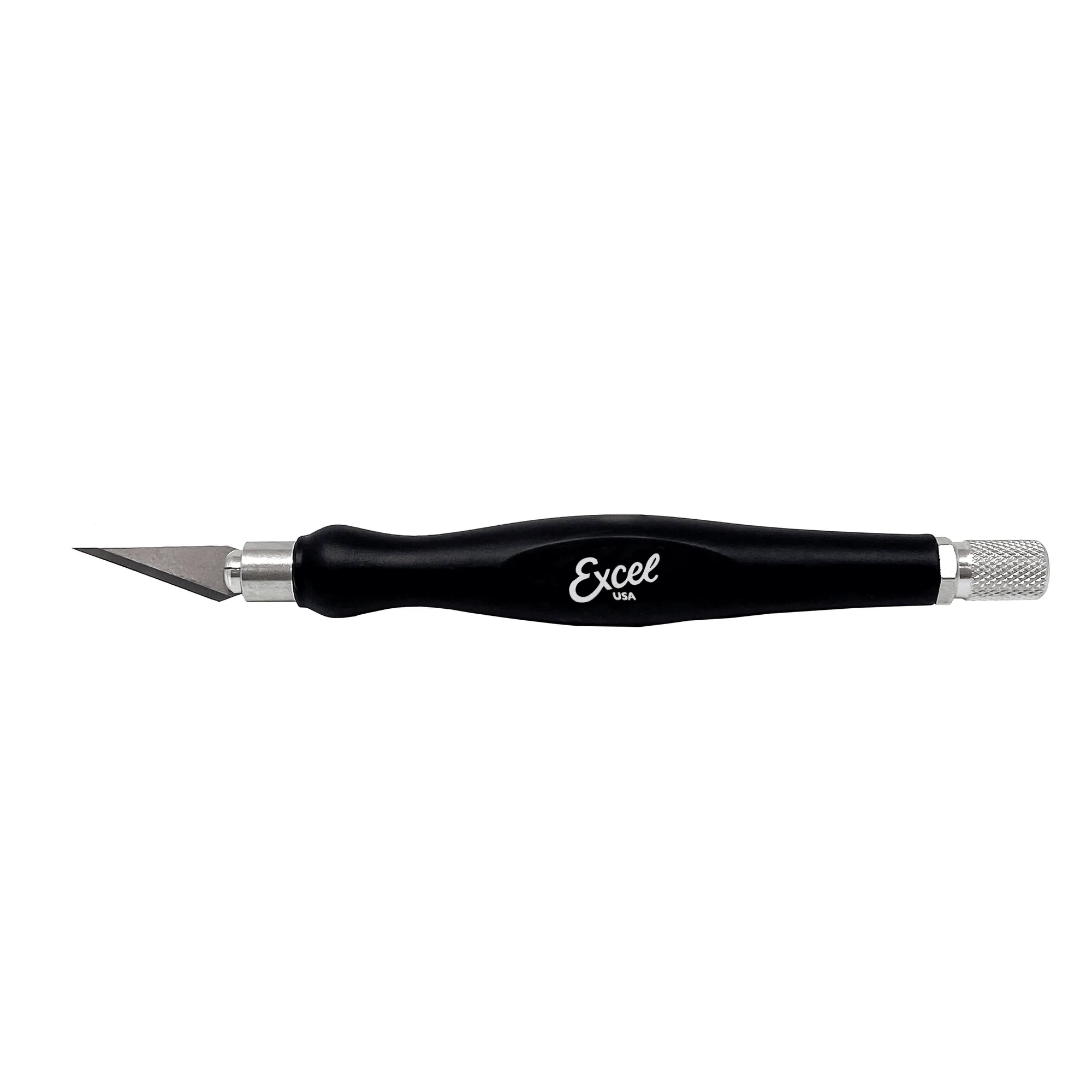
Most craft knife handles fall into three fit families. Light-duty handles take slim snap blades and small hobby blades. Medium-duty handles accept standard slotted hobby blades, including micro stencil and concave carving shapes. Heavy-duty handles with a 4-jaw chuck hold larger blades more securely and resist twisting under load.
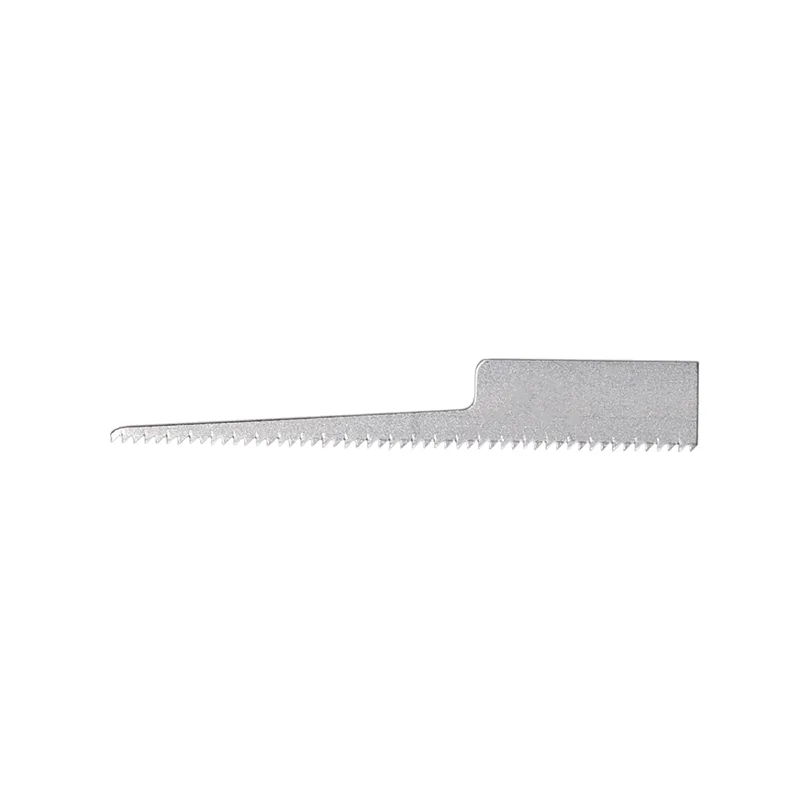
The Excel Blades No. 15 Narrow Saw Blade fits #2, #5, and #7 handles, so if you own one of those, you already have a compatible saw platform. If your handle is not on that list, the saw blade is not a safe fit.
- Light-duty: snap blades and small hobby blades.
- Medium-duty: standard slotted hobby blades.
- Heavy-duty: 4-jaw chuck handles for larger blades.
How to test fit before you commit to a project
Seat the blade fully, tighten the handle, and press the tip against a scrap of your actual material. If the blade shifts in the handle or the cut wanders, stop and check compatibility. A correct fit feels solid with no rocking and no need to over-tighten.
Also check blade exposure. A blade that protrudes too far flexes; too little and the handle drags on your work. Adjust the handle, not the blade, to set the right depth.
- Test on scrap before cutting your final piece.
- No rocking means the shank and chuck match.
- Set exposure so only the cutting edge clears the handle.
Decision rules for buying replacement blades
- Rule 1: Identify your handle family first: Look at the handle number or chuck type. If it is a #2, #5, or #7, you can use the No. 15 Narrow Saw Blade. If it is a standard medium-duty handle, most slotted hobby blades fit. Write your handle number on a label inside your tool drawer.
- Rule 2: Buy blades shaped for your material: Micro stencil blades for paper, vinyl, film, and foam board. Concave carving blades for shaping. Saw blades for wood, plastic, and soft metal. Match the blade to the material before you match it to the project.
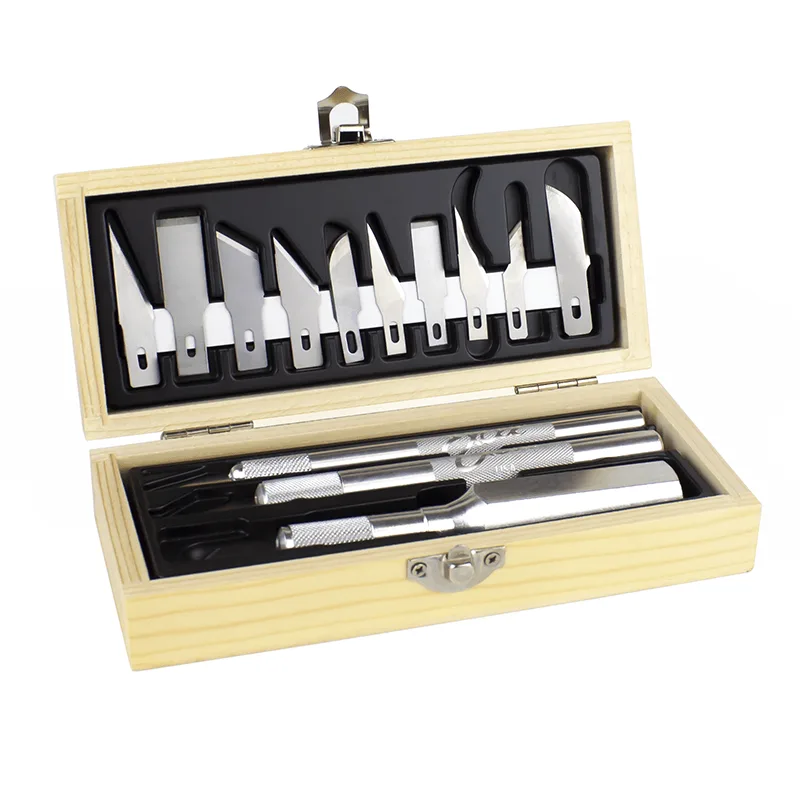
- Rule 3: Upgrade the handle if you swap blades often: A 4-jaw aluminum chuck, as found in the Craftsman Set, holds blades more securely than a standard handle and reduces fit issues during repeated changes. One secure handle can be cheaper than replacing blades that never fit right.
Compatibility examples from the catalog
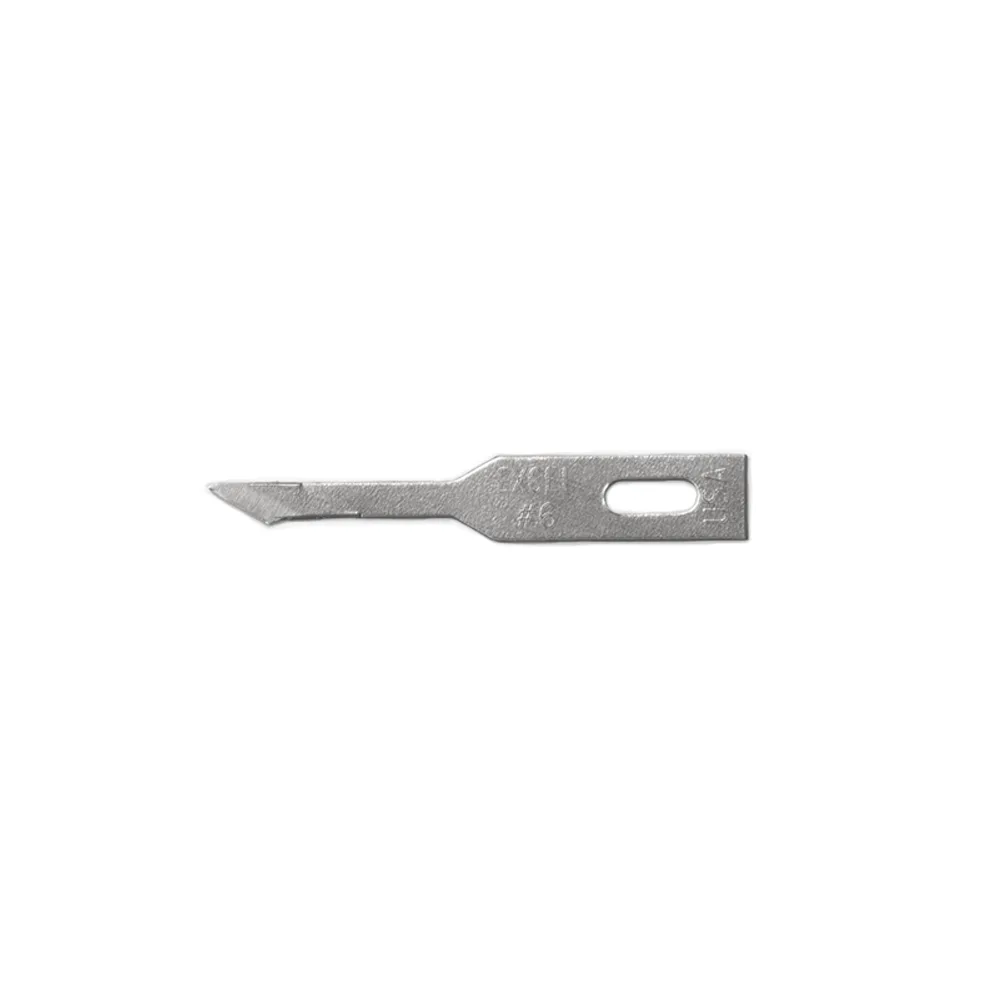
- #6 Micro Stencil Blade: Excel Blades #6 Micro Stencil Carbon Steel Hobby Blades, Pack of 5, are ultra-sharp blades for clean, accurate cuts on lightweight materials like paper, vinyl, film, and foam board. A good fit for standard hobby handles when your work is thin sheet goods and tight curves.
- #15 Narrow Saw Blade: Excel Blades No. 15 Narrow Saw Blade, 5 Pack, fits #2, #5, and #7 handles and measures 2-3/8 inches overall with about 2 inches of usable cutting surface. Check your handle number first; if it is #2, #5, or #7, this saw blade is a direct fit for wood, plastic, and soft metal.
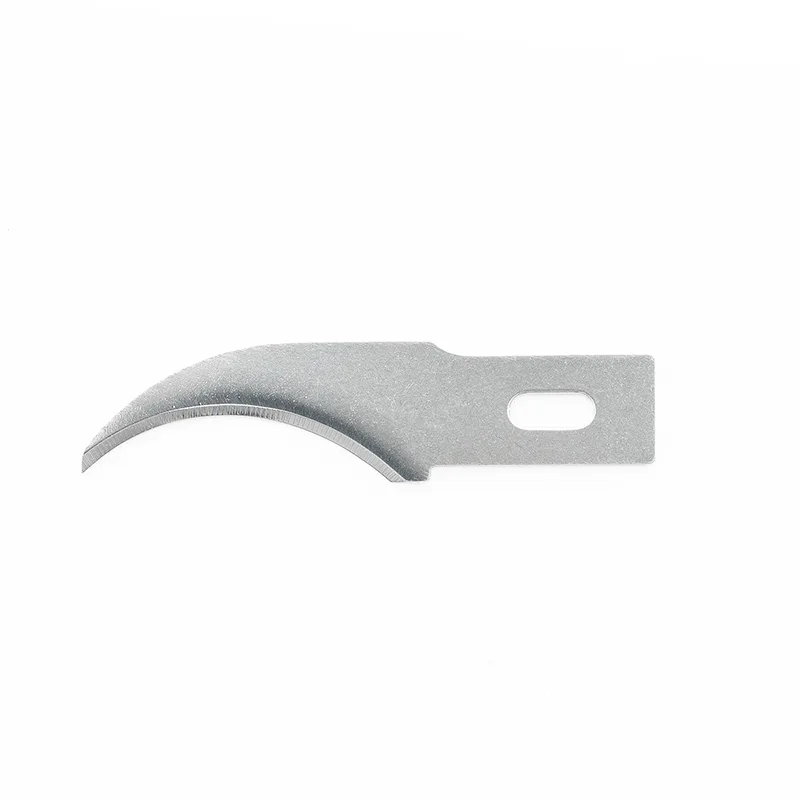
- #28 Concave Carving Blades, USA Made: Excel Blades #28 Concave Carving Blades are carbon steel, medium-duty blades designed to fit all standard medium to heavy-duty craft knife handles. A fit-safe choice for carving and shaping if your handle is medium or heavy duty.
- Craftsman Set in Wooden Box, Carded: The Craftsman Set includes knife handles that house a 4-jaw aluminum chuck for more secure blade positioning and hold than a standard handle. If you regularly swap between blade shapes, a 4-jaw chuck handle reduces the fit frustration that comes with lighter handles.
Who this fit guidance is for
Best for
- Crafters who already own a hobby knife and want to buy replacement blades that actually fit
- Model makers and hobbyists who switch between cutting, carving, and sawing tasks
- Buyers choosing a first handle and blade combination
Not for
- Anyone using industrial cutting equipment with proprietary blade mounts
- Crafters who only use snap-off utility knives and never change blade shape
Blade compatibility comes down to three checks: shank shape, handle opening, and locking mechanism. Match those first, then choose the blade shape for your material. With the right fit, your replacement blades will cut cleaner and last longer.