Quick answer
Keep both, but weight your stash toward blank cards if you write often and occasion cards if you send for specific holidays. Blank cards cover thank-yous, thinking-of-you notes, and quick hellos, while occasion cards deliver the right message without writing from scratch. A practical split is roughly 60 percent blank and 40 percent occasion, adjusted for how many birthdays and holidays you actually send for.
A card stash only works if it matches your habits. Buy a box of occasion cards and you may never touch the anniversary design; buy only blank cards and you may stall when a birthday sneaks up. The real question is not which type is better, but which type earns its shelf space in your home.
This comparison looks at blank cards, occasion cards, and note cards using practical criteria: writing effort, flexibility, storage, and how often you send mail. The goal is a stash you can pull from without digging or guilt.
How blank cards and occasion cards differ in practice
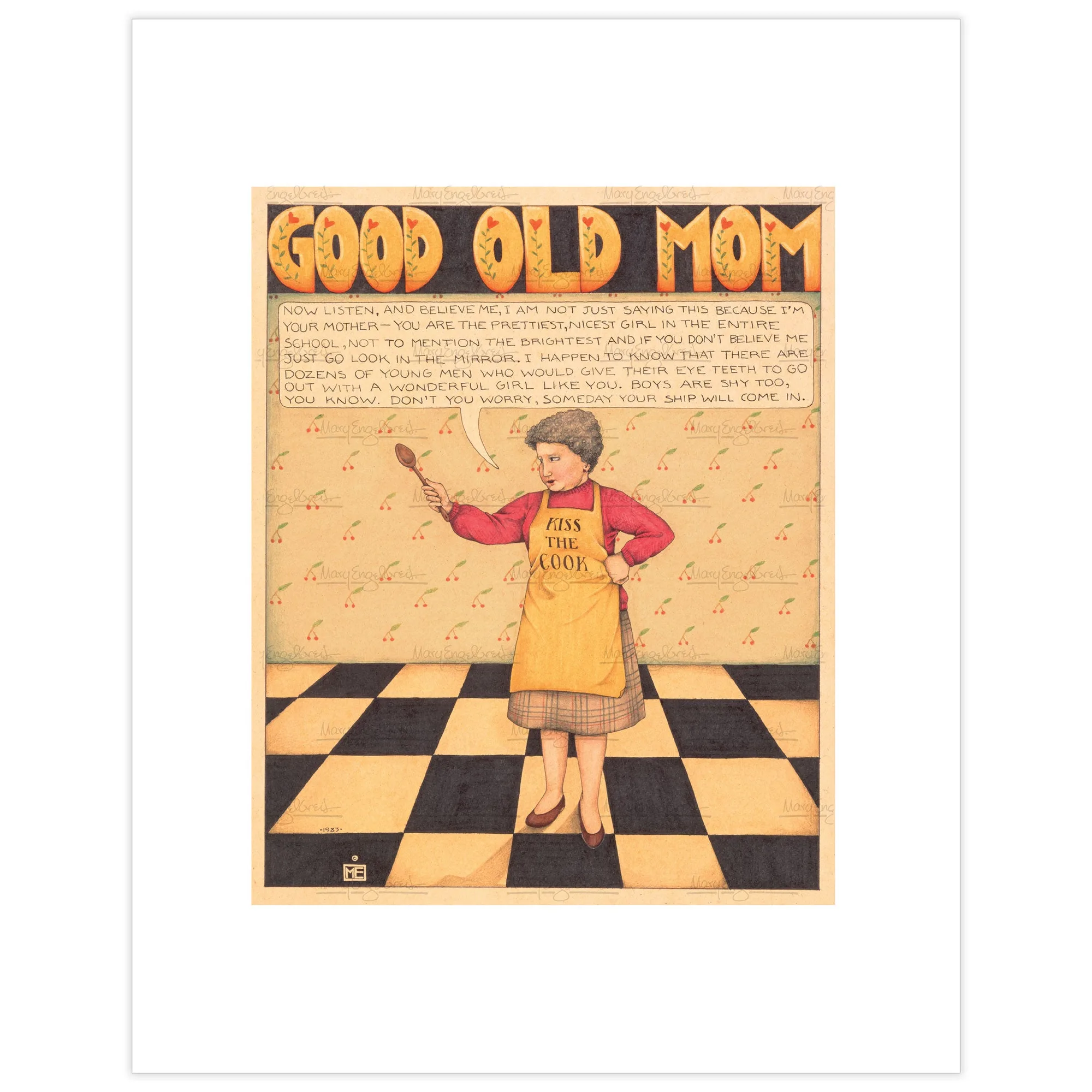
Blank cards carry no printed message, so you decide the tone and purpose. That makes them useful for thank-yous, condolences, congratulations, and casual notes. Occasion cards come with a printed message and artwork tied to a specific event, such as a birthday or holiday. They save decision time because the sentiment is already there.
The trade-off is flexibility versus speed. Blank cards adapt to almost any situation, but you supply the words. Occasion cards fit one event well, but you may not have the right one when a different event arrives. Note cards sit in the middle: they are often blank inside with a decorative front, and they work for short messages and enclosure notes.
- Blank cards: one design, many uses, but you write the message.
- Occasion cards: event-specific message, less writing, less reuse.
- Note cards: small format for quick notes, often blank inside.
When to use blank cards and when to reach for occasion cards
Use blank cards when the message matters more than the occasion, or when the occasion is not served by a standard design. A handwritten note on a blank card feels personal for a thank-you, a get-well wish, or a simple hello. Use occasion cards for birthdays, holidays, and milestones where the recipient expects a themed card and you want the message handled.
If you send mail regularly, blank cards reduce the risk of running out of the right design. If you send mainly for holidays, an occasion card set keeps you organized and ready. The practical move is to track what you actually send for a month, then stock accordingly.
- Keep blank cards near your desk for spontaneous notes.
- Store occasion cards by month or holiday so you can find them fast.
- Add a few note cards for gift enclosures and lunchbox notes.
Storage and card stash essentials
A card stash fails when it is disorganized. Group blank cards together, then sort occasion cards by event or month. Keep envelopes with their cards so you are not hunting for a matching size. A small box or drawer divider works better than a loose pile because you can see what you have before you buy more.
Card stash essentials include blank cards, a few occasion cards, note cards, stamps, and a pen that writes well on matte paper. If you craft, add a sheet of stickers or a roll of washi tape to customize a plain envelope. The goal is a stash you can use in under a minute.
- Store envelopes with cards to avoid size mismatches.
- Keep postage stamps in the same box as your cards.
- Restock after each holiday so you start the next season ready.
Trade-offs to weigh before you stock up
- Flexibility vs. specificity: Blank cards fit many situations but require you to write the message. Occasion cards fit one event but save time and wording. Choose based on whether you want to write or want the card to speak for you.
- Storage space vs. readiness: A large occasion card set takes more space but covers holidays without a last-minute store run. A small blank card stack takes less space but may not fit a themed event. Match your storage to the number of events you actually send for.
- Cost per card vs. cost per use: Occasion cards can sit unused if the event passes. Blank cards get used across many events, so fewer designs go further. Track what you use for three months, then buy more of that type.
Mary Engelbreit products that fit a card stash
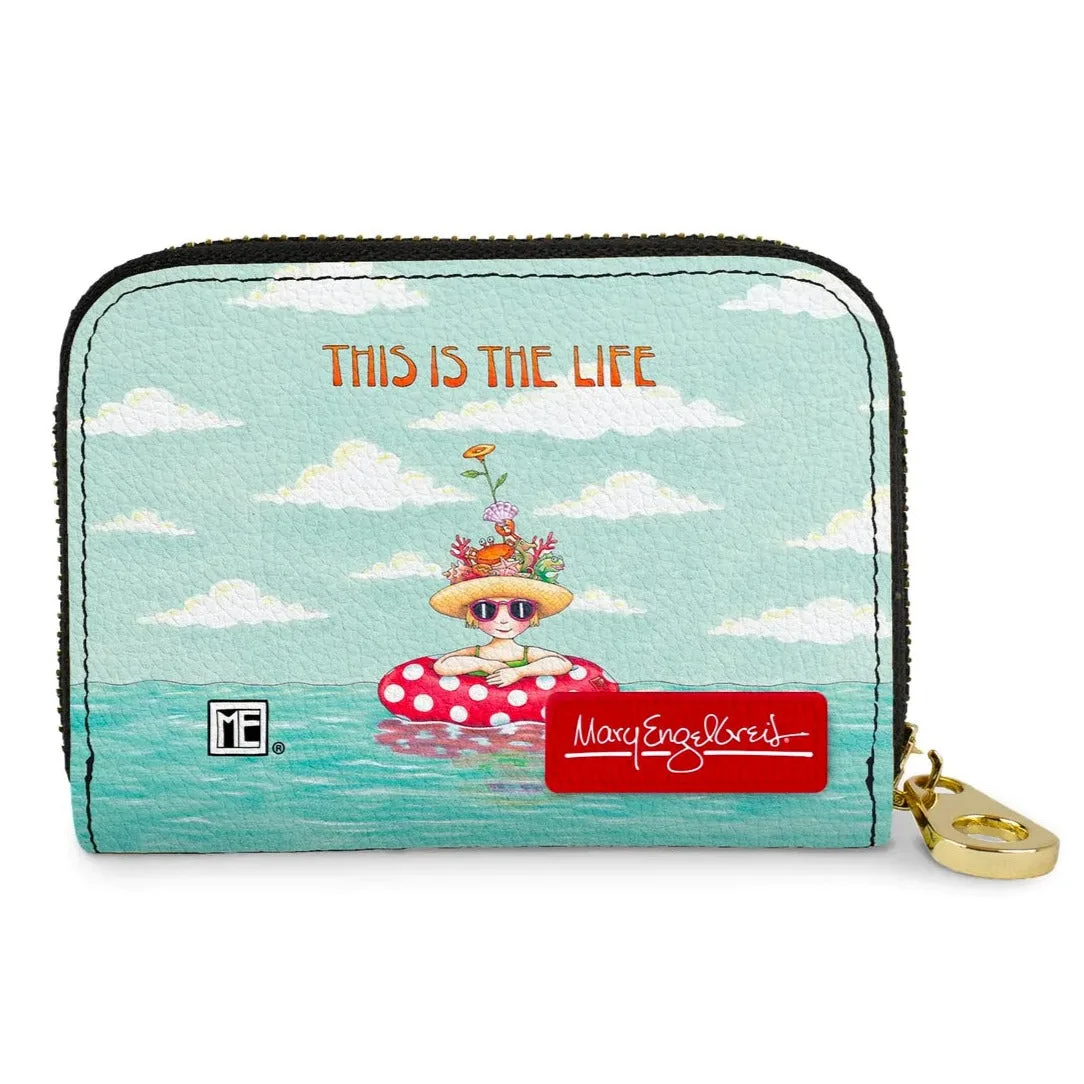
- This Is The Life Zipper Wallet: This zipper wallet has 11 card slots in a fabric accordion fold interior and features Mary's "This Is The Life" art. It is made of vegan leather and measures 4 1/4" x 3 1/8" x 1". Use it to carry note cards, stamps, and a pen so you can write and send from anywhere.
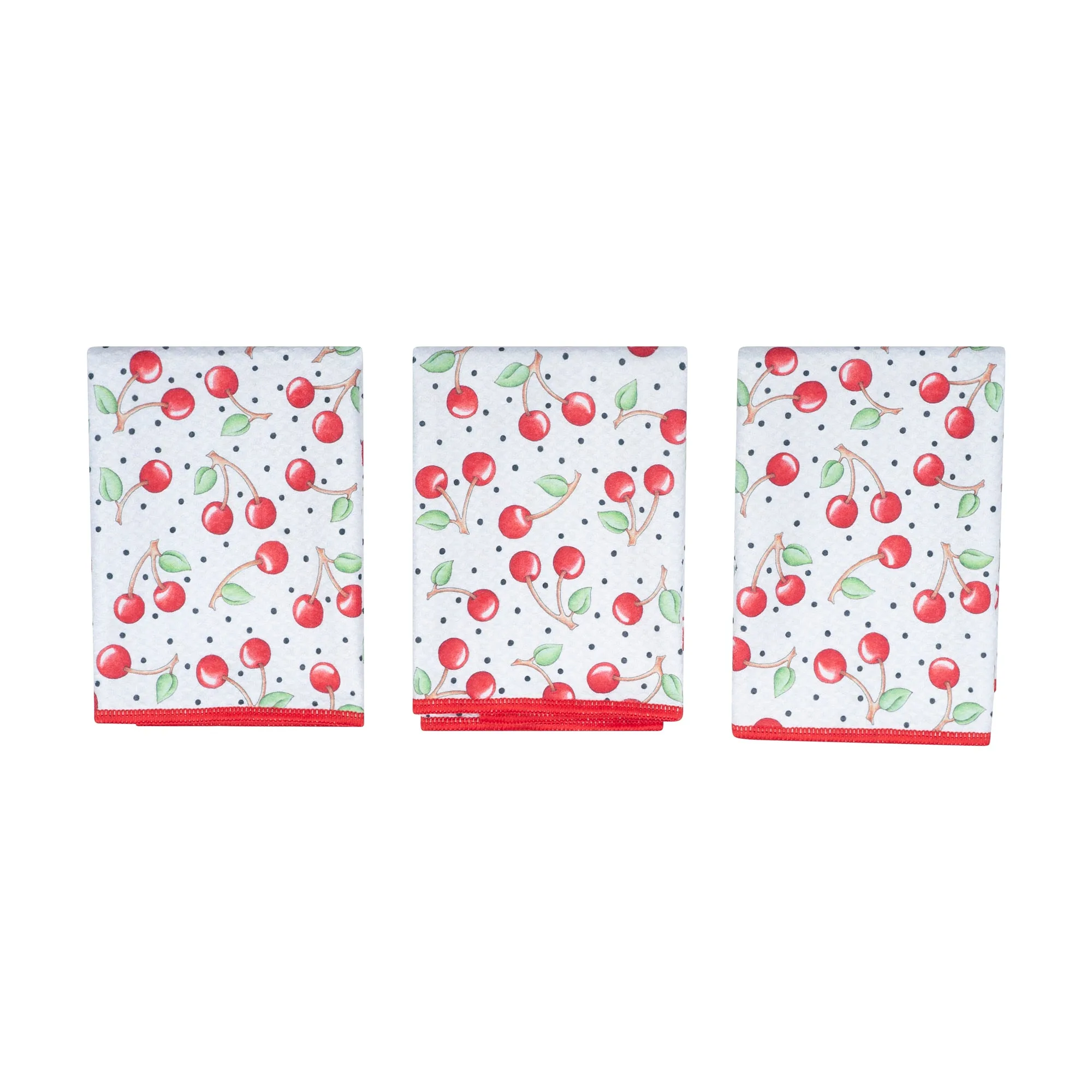
- Cherry Harvest Mighty Mini Towel Set: These Mighty Mini Towels are ultra-absorbent and space-saving, sized for quick cleanups, drying hands, or wiping counters without the bulk. A small towel set keeps your writing desk or kitchen counter dry and tidy while you work on cards.
Which should you keep on hand?
Best for
- People who write thank-yous, thinking-of-you notes, and quick hellos regularly
- Households that send for many different occasions and want one flexible stack
- Crafters who like to add stickers, washi tape, or a personal drawing to a card
Not for
- Shoppers who only send birthday and holiday cards and want the message pre-written
- Anyone who prefers a themed design for every event and does not want to write from scratch
- Buyers who want a single card for a specific milestone and will not use the rest of a set
Build your card stash around your sending habits, not an ideal version of them. Start with a small set of blank cards and one occasion card set, then adjust after a month of real use. The right mix is the one you actually reach for.