Quick answer
A blemish balm is an all-over daily moisturizer that prevents and treats breakouts, while a spot treatment is a concentrated formula applied only to active pimples. Choose a blemish balm for ongoing prevention and light coverage; use a spot treatment for fast, targeted healing on existing blemishes.
How they differ in application and purpose
A blemish balm works as a daily clarifying moisturizer. You apply it to your entire face or affected areas to maintain clear skin and prevent new breakouts. It often includes ingredients like salicylic acid in a lower concentration, making it safe for everyday use without over-drying.
A spot treatment is a high-concentration product designed to be dabbed directly onto individual pimples. It delivers active ingredients more intensely to reduce inflammation and speed healing, but it's not meant for all-over application.
Ingredient and formulation trade-offs
Blemish balms typically blend acne-fighting actives with moisturizing and soothing ingredients. The Osea Malibu Blemish Balm, for example, uses plant-based salicylic acid from wintergreen alongside five types of seaweed to keep skin balanced and shine-free. This makes it gentle enough for daily use but slower to treat existing breakouts.
Spot treatments often contain higher concentrations of salicylic acid, benzoyl peroxide, or sulfur. They work faster but can cause irritation, redness, or peeling if used over large areas. They also lack the moisturizing and preventive benefits of a blemish balm.
Travel and portability considerations
For travel skincare, a mini blemish balm can double as both a moisturizer and acne treatment, saving space in your bag. The Osea Malibu Blemish Balm comes in a 0.6 fl oz size, making it TSA-friendly and convenient for trips. A separate spot treatment adds another product, which may not be ideal for minimalist packing.
If you only get occasional breakouts, a multi-use blemish balm may be enough. If you frequently deal with stubborn pimples, carrying both a blemish balm for prevention and a spot treatment for emergencies gives you the best coverage.
How to choose between blemish balm and spot treatment
- Use a blemish balm when: You want daily prevention and light coverage. Apply it all over your face after cleansing to maintain clear skin and treat minor breakouts before they become inflamed. Best for ongoing care, not for healing existing angry pimples fast.
- Use a spot treatment when: You have a visible pimple that needs quick attention. Dab a small amount directly on the blemish after cleansing and leave it on (or follow product instructions). Do not spread it over healthy skin. Works fast but can be drying; avoid overuse.
- Combine both when: You want prevention and targeted treatment. Apply blemish balm to your whole face daily, then add spot treatment on active pimples as needed. This covers both maintenance and acute care without conflict.
Product facts
-
Blemish Balm with Plant Based Salicylic Acid - 0.6 fl oz: This clarifying moisturizer uses plant-based salicylic acid from wintergreen to clear new acne, blackheads, and whiteheads, and prevent them from returning. It combines five types of nutrient-rich seaweed to keep skin balanced, healthy, and shine-free. It works as a daily all-over treatment that prevents breakouts while moisturizing, so you don't need a separate spot treatment for maintenance—only for active flare-ups.
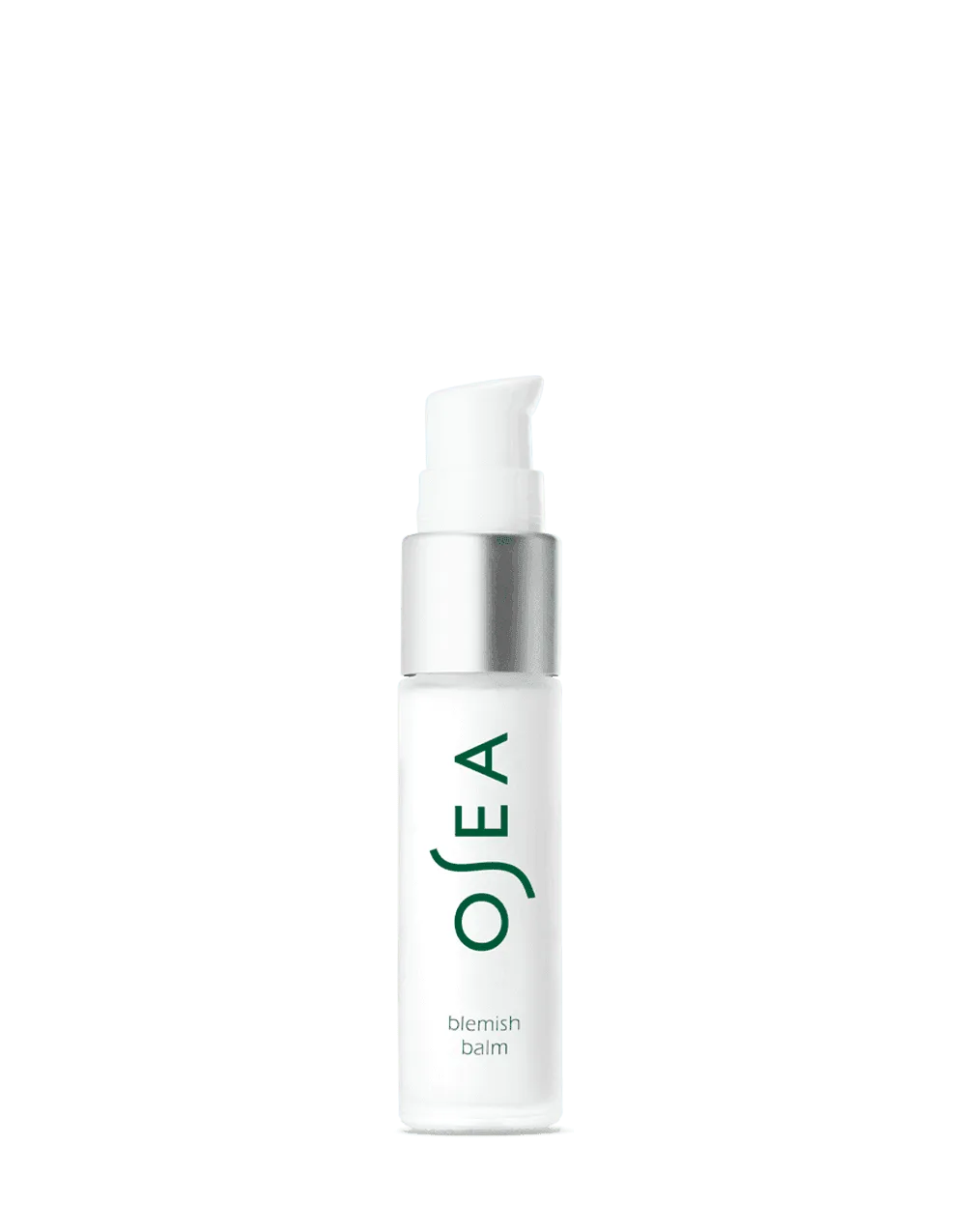
Blemish Balm with Plant Based Salicylic Acid - 0.6 fl oz
Which one fits your routine?
Best for
- Anyone who wants a simple, all-in-one daily moisturizer that also prevents acne
- Travelers who need to pack light and prefer a multi-use product
- People with mild to moderate acne who want to avoid drying out their skin
Not for
- Those who need immediate, aggressive treatment on stubborn cystic acne—here a dedicated spot treatment is more effective
- Anyone who prefers to keep prevention and treatment completely separate products