When it comes to applying makeup, the tools you choose can make or break your final look. Two of the most popular application methods are the blending sponge and the classic makeup brush. Each has its own set of benefits, but how do you know which one is right for you? In this guide, we’ll break down the differences between a blending sponge vs brush, covering coverage, finish, hygiene, and ease of use. Whether you’re a makeup novice or a seasoned pro, understanding these tools will help you achieve a flawless complexion every time.
At Patrick Ta Beauty, we believe that great makeup starts with the right tools. That’s why we’ve designed products like the Major Skin 5-In-1 Blending Sponge and the Dual-Ended Transition Blush Brush to give you professional-level results at home. Let’s dive into the pros and cons of each so you can decide which method suits your routine best.
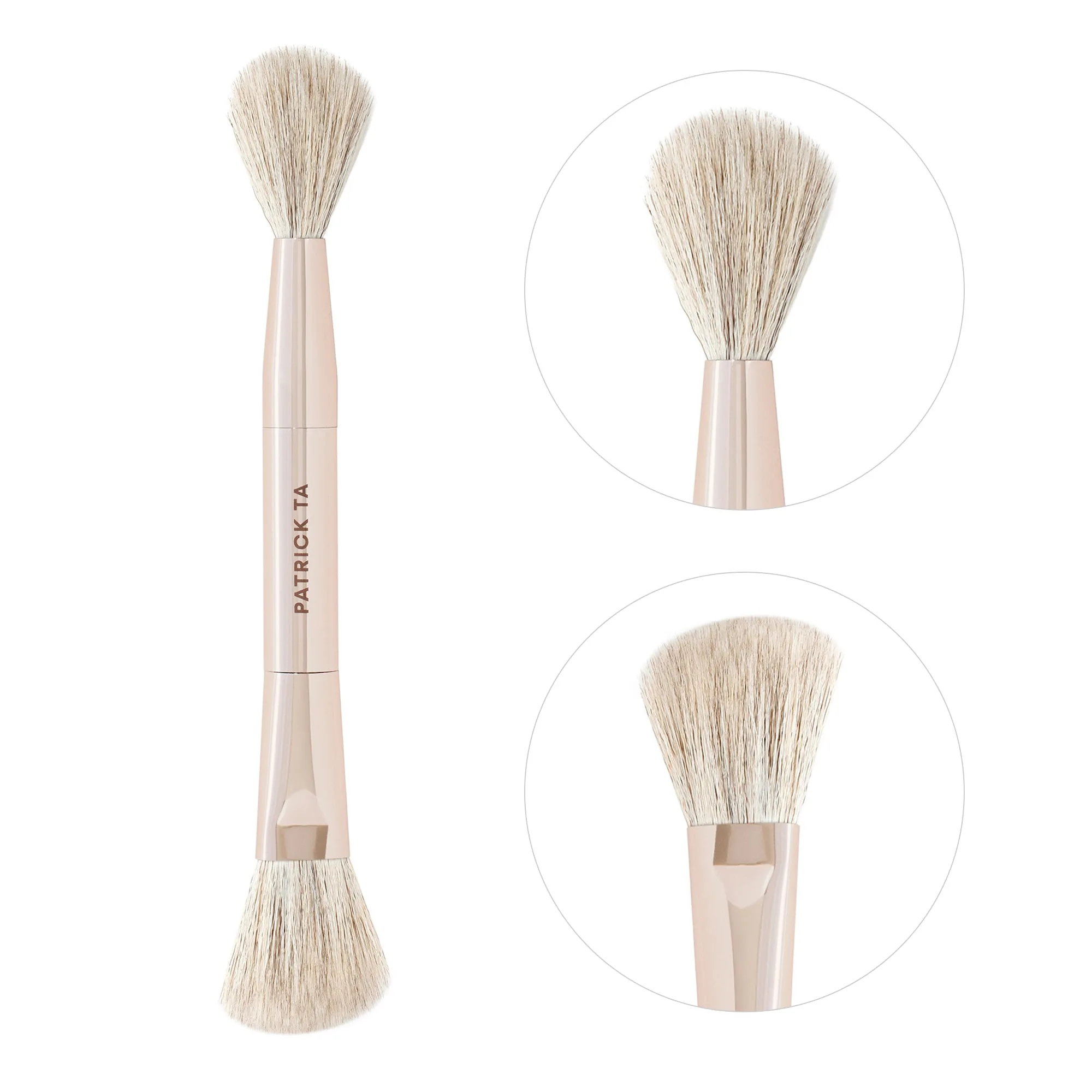
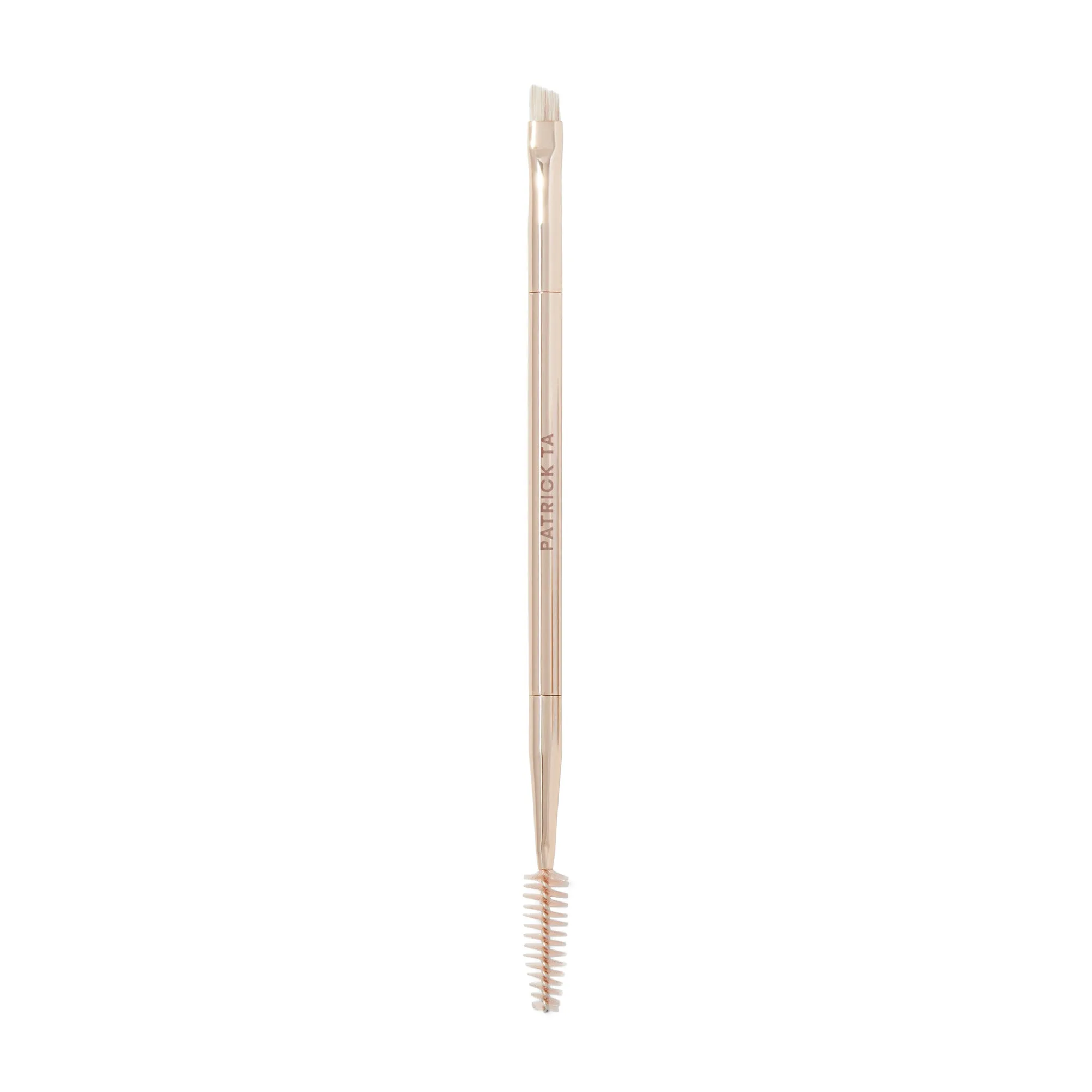
Dual-Ended Transition Blush Brush
What Is a Blending Sponge and How Does It Work?
A blending sponge is a porous, egg-shaped tool that is typically used damp to apply liquid or cream products. When wet, the sponge expands and becomes softer, allowing for a sheer, buildable application. The key benefit of a sponge is its ability to bounce product onto the skin rather than dragging it, which can help avoid streaks and create a more natural, airbrushed finish. Many makeup artists swear by sponges for achieving a seamless blend, especially around the eyes and nose.
The Major Skin 5-In-1 Blending Sponge is a versatile option that can be used for foundation, concealer, setting powder, and even contour. Its unique shape features a flat edge for broad coverage, a rounded tip for precision, and a pointed end for detailing. This multifunctional design makes it a staple in any makeup bag.
- Use damp for a dewy, sheer finish; use dry for fuller coverage.
- Great for cream and liquid products like foundation and blush.
- Less product waste compared to fingers or brushes.
What Are the Advantages of Using a Makeup Brush?
Makeup brushes come in countless shapes and sizes, each designed for a specific purpose. Brushes are typically made with synthetic or natural bristles and are ideal for both powder and liquid products. One of the biggest advantages of using a brush is the control it offers. You can easily adjust the pressure and angle to achieve precise placement, whether you’re sweeping on a bronzer or buffing in foundation.
For blush application, a brush like the Dual-Ended Transition Blush Brush gives you two tools in one. One end is angled for precise application on the apples of the cheeks, while the other is fluffy for blending outward. This dual design helps you build color gradually and blend seamlessly, making it a favorite for achieving a natural flush.
- Ideal for powder products like blush, bronzer, and setting powder.
- Easier to clean and dry quickly between uses.
- Allows for more targeted application and layering.
Blending Sponge vs Brush: Key Differences at a Glance
To help you decide which tool to reach for, here’s a quick comparison of the most important factors: coverage, finish, and application time. A blending sponge typically gives a lighter, more natural coverage that can be built up gradually. It’s perfect for achieving a “your skin but better” look. Brushes, on the other hand, can deliver both sheer and full coverage depending on the bristle density and technique. They often provide a more polished, airbrushed finish when used with a buffing motion.
Another difference is hygiene. Sponges need to be dampened before use and should be washed after every few applications to prevent bacterial growth. Brushes also require regular cleaning, but they dry faster and are less likely to harbor moisture. If you’re short on time, brushes may be more convenient. However, sponges excel at blending cream and liquid products into the skin without leaving streaks.
- Sponges: sheer to medium coverage, dewy finish, best for liquids and creams.
- Brushes: sheer to full coverage, satin or matte finish, versatile for all product types.
- Sponges require dampening; brushes are ready to use dry.
How to Choose the Right Tool for Your Skin Type and Routine
Your skin type can also influence which tool works best. If you have oily skin, a brush might be your go-to because it allows you to apply powder products more precisely and can help control shine. For dry or dehydrated skin, a damp sponge can add a boost of hydration and prevent foundation from clinging to dry patches. Combination skin types often benefit from using both: a sponge for the cheeks and a brush for the T-zone.
Your daily routine matters too. If you prefer a quick, one-tool application, a sponge like the Major Skin 5-In-1 Blending Sponge can handle everything from foundation to concealer. If you enjoy a more methodical approach with multiple steps, a set of brushes gives you the flexibility to switch between products easily. Many beauty lovers keep both in their kit to adapt to different looks and occasions.
- Dry skin: use a damp sponge for a dewy, hydrating finish.
- Oily skin: use a brush for precise powder application and oil control.
- Combination skin: combine both tools for targeted coverage.
Tips for Getting the Most Out of Your Tools
No matter which tool you choose, proper technique and care are essential. Always start with a clean face and clean tools to avoid breakouts and uneven application. For sponges, wet them until they double in size, then squeeze out excess water. Use a bouncing motion rather than a sweeping one to push product into the skin. For brushes, use light, circular motions to buff product for a seamless finish.
Cleaning your tools regularly will extend their life and keep your makeup looking fresh. Wash sponges with a gentle soap after every 3-4 uses, and deep-clean brushes weekly. Store them in a dry, ventilated area to prevent mold or bacteria. With proper care, tools like the Dual-Ended Transition Blush Brush can last for years and continue to perform beautifully.
- Clean sponges after every 3-4 uses to prevent bacteria buildup.
- Wash brushes weekly with a mild shampoo or brush cleanser.
- Store tools upright or in a breathable bag to maintain shape.
Ultimately, the choice between a blending sponge and a brush comes down to your personal preference, skin type, and the look you want to achieve. Both tools have their strengths, and many makeup enthusiasts find that using a combination yields the best results. If you’re ready to upgrade your routine, explore the Major Skin 5-In-1 Blending Sponge for a versatile, streak-free application that works with all your favorite products. Your perfect finish is just a bounce away.