Quick answer
The best foundation brush depends on your foundation's formula and your desired finish. For liquid foundations, a dense, flat-top brush gives even, buildable coverage. For cream formulas, a stippling brush blends without streaks. For powder, a fluffy brush offers a soft, diffused look.
Choosing the right foundation brush can feel overwhelming with so many shapes, bristles, and finishes on the market. But the right brush makes application faster, more even, and more natural-looking. This guide breaks down the key factors—bristle type, brush shape, and formula compatibility—so you can pick a brush that works for your routine.
Whether you're new to makeup or refining your kit, understanding how each brush performs helps you avoid streaks, waste, and frustration. We'll cover the main brush types, how to match them to liquid, cream, and powder foundations, and what to look for in clean beauty brushes.
Understand Brush Bristles: Synthetic vs. Natural
Bristle material matters more than you might think. Synthetic bristles (usually nylon or polyester) are non-porous, so they don't absorb liquid or cream foundation. That means less product waste and easier cleaning. They also work well with both liquid and cream formulas, making them a versatile choice for most routines.
Natural bristles (often from animal hair) are better suited for powder products because their porous texture picks up and distributes powder evenly. However, they can absorb liquid foundation and become clumpy. If you prefer a vegan or clean beauty routine, synthetic brushes are the way to go—they're cruelty-free and often more affordable.
- For liquid or cream foundation, choose synthetic bristles to avoid absorption and streaks.
- For powder foundation, natural or synthetic fluffy brushes both work—just ensure they're soft and dense enough.
Match Brush Shape to Your Foundation Formula
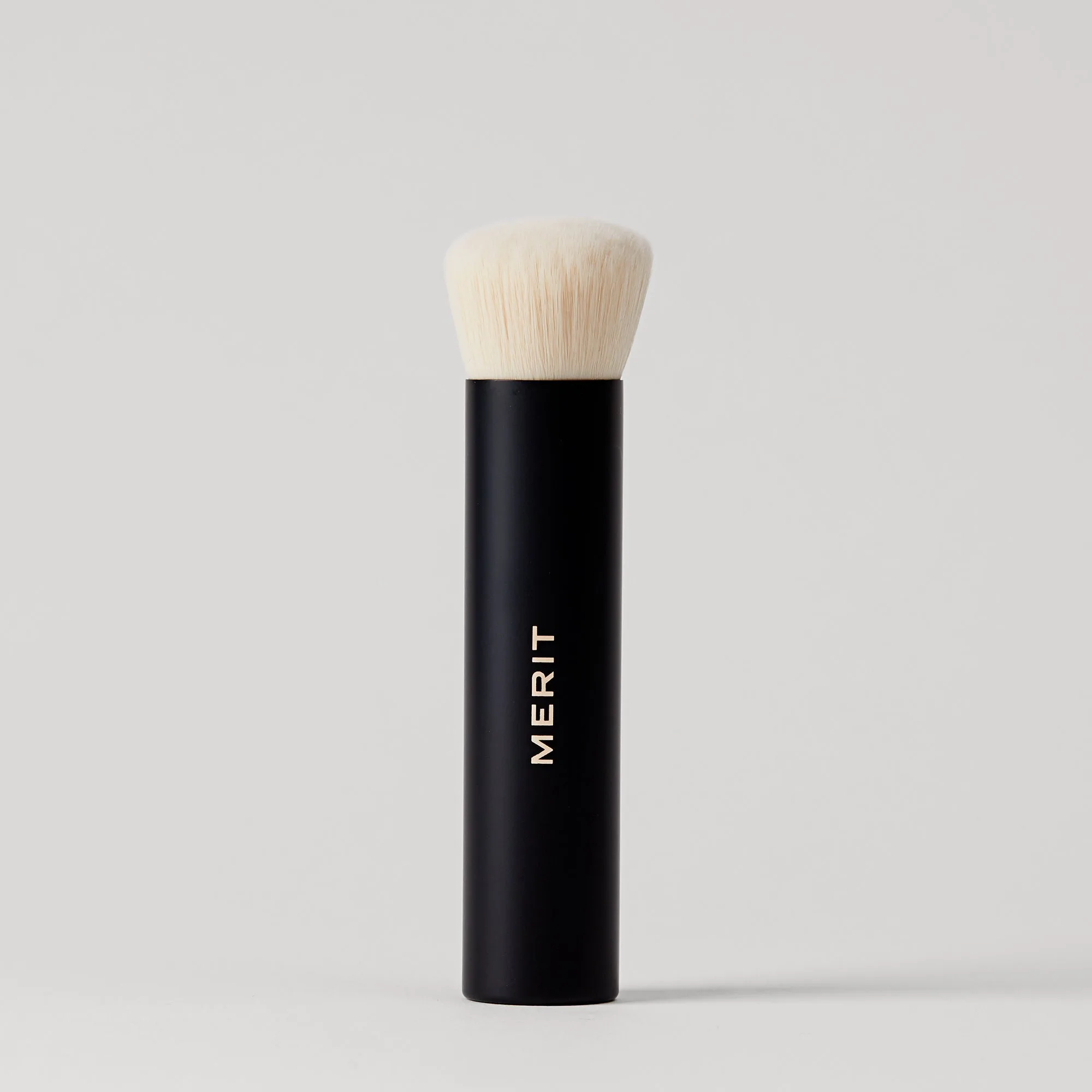
Liquid foundations are the most common, and a flat-top or kabuki brush is a reliable choice. The dense, flat surface allows you to buff product into the skin in circular motions, which helps achieve an airbrushed finish. A flat-top brush also works well with cream foundations, though you may need to blend a bit more.
For cream foundations, a stippling brush (with two layers of bristles) is ideal. The longer, sparser bristles pick up product, while the shorter, denser ones blend it in. This creates a sheer, even layer without disturbing the foundation underneath. For powder foundation, a fluffy, dome-shaped brush gives a soft, diffused application that doesn't look cakey.
- Liquid: flat-top or kabuki brush for buffing.
- Cream: stippling brush for a sheer, even layer.
- Powder: fluffy dome brush for a soft finish.
Consider Brush Size and Handle
Brush size should match the area you're covering. A larger brush (around 1.5 inches in diameter) covers the face quickly, making it great for all-over foundation. A smaller brush (around 0.75 inches) is better for precise areas like the under-eye or around the nose. If you often use foundation for spot-concealing, a smaller brush gives you control.
Handle length and weight also affect comfort. A longer handle offers more control for detailed work, while a shorter handle is easier to store and travel with. If you have arthritis or grip issues, look for a thicker, ergonomic handle that's comfortable to hold for a few minutes.
- Large brushes speed up all-over application; small brushes are for precision.
- Test the handle grip—if it feels awkward, it will be harder to use daily.
How to Test a Brush Before Buying
If you're shopping in person, test the brush on your hand or cheek. The bristles should feel soft, not scratchy. Press the brush against your skin—it should flex slightly but spring back. Run it over your foundation to see if it leaves streaks or blends smoothly. If it feels rough or sheds, it's not a good sign.
When shopping online, read reviews and look for close-up photos of the bristles. Check the product description for bristle type and density. If a brush is advertised as 'multi-use' or 'all-in-one,' it might not excel at any one task. Decide what you need most—coverage, speed, or precision—and prioritize that.
- Always check for shedding by gently tugging on the bristles.
- If a brush claims to work for all formulas, test it with your primary foundation type.
Decision Rules for Choosing a Foundation Brush
- Formula first: Identify your foundation's base: liquid, cream, or powder. This determines the bristle type and brush shape you need. Liquid and cream: synthetic bristles. Powder: fluffy brush.
- Bristle density: Dense bristles give fuller coverage; sparse bristles give lighter coverage. Choose based on how much you want to apply. For buildable coverage, pick a medium-density brush.
- Brush shape: Flat-top for buffing, stippling for airbrushing, dome for powder. Match the shape to your application style. Flat-top is the most versatile for liquid.
- Test for comfort: The brush should feel soft and comfortable in your hand. If it scratches or sheds, it's not worth it. Always test on your skin before buying.
Brushes and Tools in the MERIT Collection
- https://meritbeautyou.com/products/clean-lash-286897https://meritbeautyou.com/products/clean-lash-286899Clean Lash: Clean Lash tints, lengthens, and lifts lashes, with no smudging—ever. Available in Brown for a soft, natural look. While not a foundation brush, Clean Lash shows how MERIT focuses on easy, everyday tools. Its smudge-resistant formula means you don't need a precise brush to apply it perfectly.
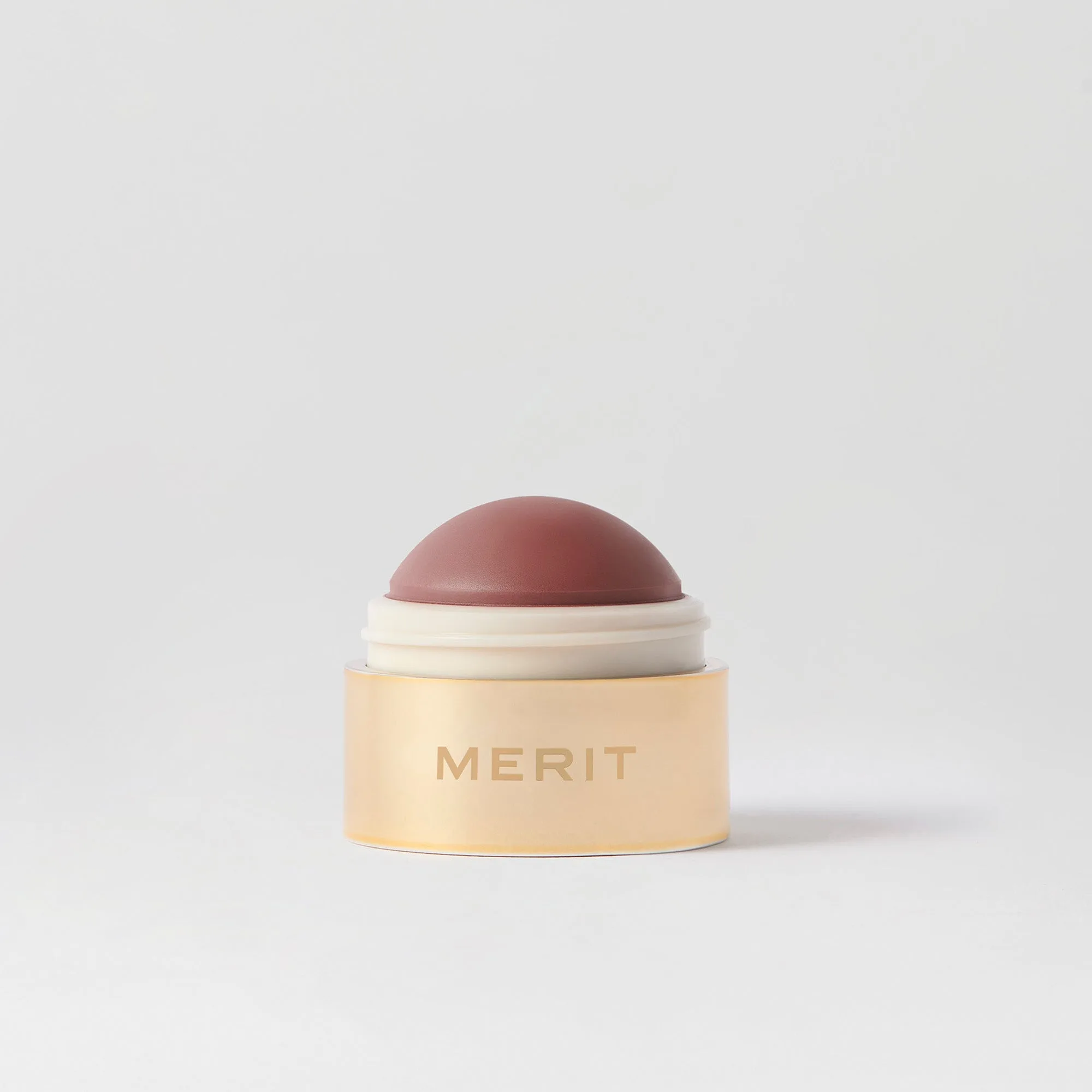
- https://meritbeautyou.com/products/flush-balm-286740Flush Balm: Flush Balm is a cream tint that melts into skin for lit-from-within color that stays flush all day. Easy to apply and blend for a seamless, buildable flush. Cream blushes like Flush Balm can be applied with fingers or a stippling brush. If you already own a stippling brush for foundation, you can use it for blush too, saving space in your kit.
Which Brush Is Right for You?
Best for
- Liquid foundation users who want a quick, even, airbrushed finish—choose a flat-top synthetic brush.
- Cream foundation fans who prefer a sheer, blendable layer—opt for a stippling brush.
Not for
- Those who prefer powder foundation—a dense flat-top brush may pick up too much product; a fluffy dome brush is better.
- Minimalist routines—if you only use foundation occasionally, a multi-use sponge or fingers might be more practical than a dedicated brush.
Choosing the right foundation brush comes down to your foundation formula, desired coverage, and comfort. Start with a synthetic flat-top brush for liquid or cream foundations—it's versatile and easy to use. Test different shapes to see what feels best, and remember that a good brush, cleaned regularly, will last for years.