Quick answer
A blind bag is a sealed pouch, a blind box is a sealed cardboard box, and a blind capsule is a rigid plastic sphere, usually sold from a gumball-style machine. All three hide which figure you get, but the packaging changes how easy it is to store, display, and trade the toy inside. If you are buying for a young child, choose a format with no small loose parts and a container they can reopen.
What is the real difference between a blind bag and a blind box?
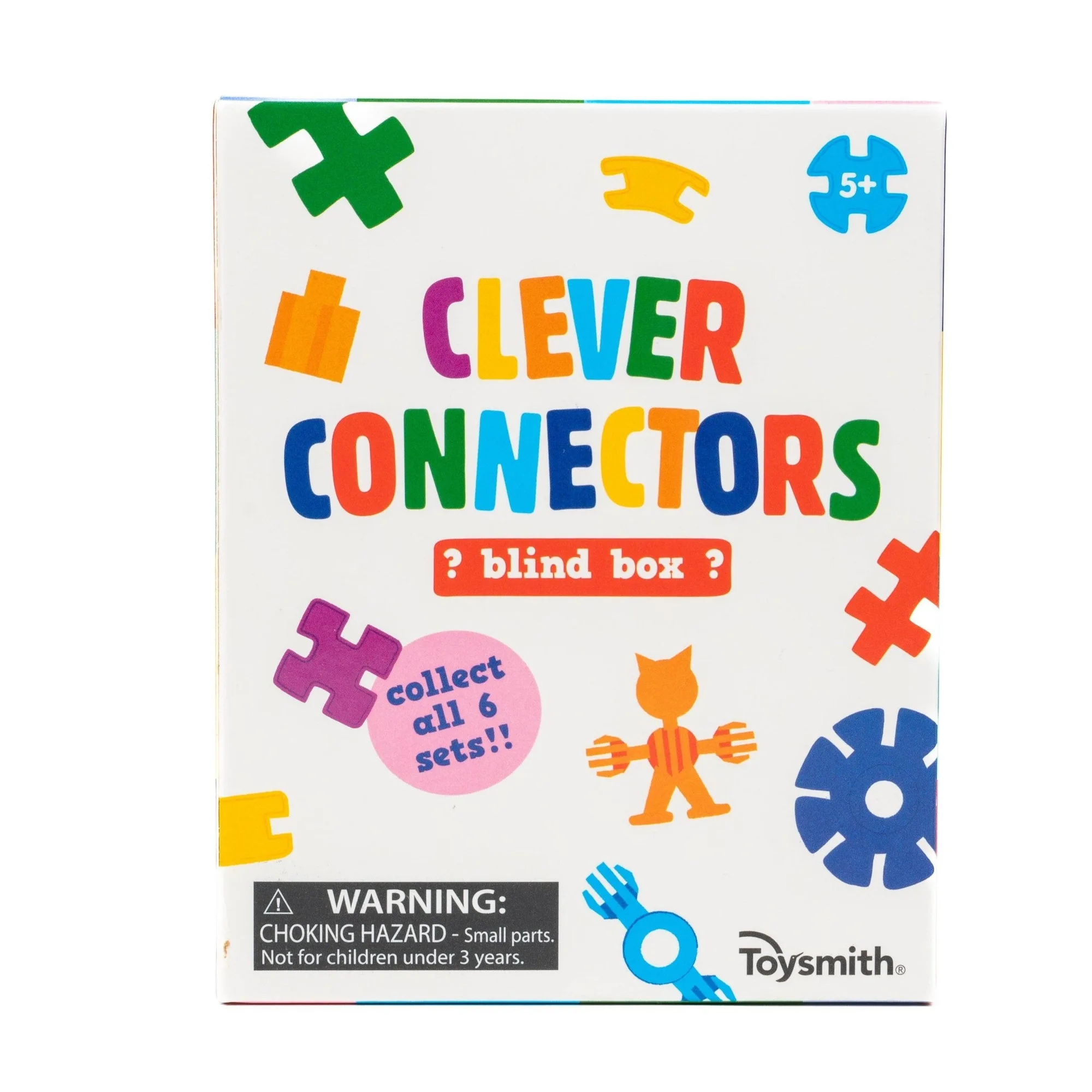
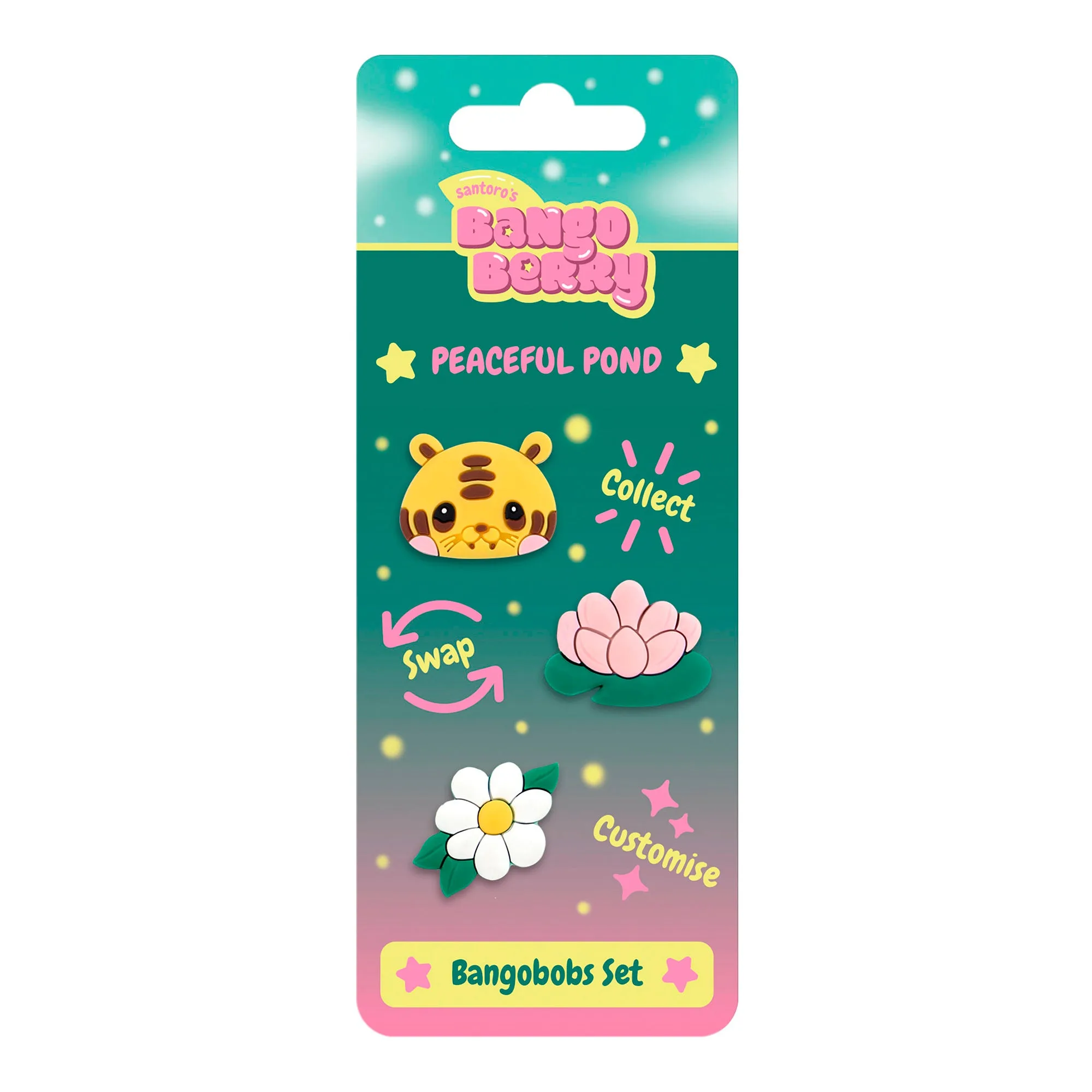
The difference is the container, not the surprise. A blind bag is a soft, sealed foil or plastic pouch, so it flexes, packs flat, and takes up almost no shelf space. A blind box is a rigid cardboard carton, which protects the figure better and often prints a checklist or character art on the side. Blind bags are usually the cheaper entry point; blind boxes tend to cost more because of the printed packaging and the sturdier toy inside. Neither format lets you see the figure before opening, and both rely on the same odds system: a case is packed with a set ratio of common and rare figures.
What is a blind capsule, and where do you find them?
A blind capsule is a two-piece plastic sphere that snaps shut around the toy. You most often see them in capsule vending machines, where you insert coins and turn a knob, but they are also sold in countertop display tubs. The capsule itself is reusable, which is the main practical advantage: kids can store small pieces in it, trade the empty shell, or use it as a bath toy. The tradeoff is waste. Capsules are bulky, and the plastic shell is often discarded within minutes of opening.
Which format is easiest to store and trade?
Blind bags win on storage because they flatten, so a collection of twenty takes up the space of a paperback. Blind boxes stack neatly and protect paint from rubbing, which matters if you keep figures on a shelf. Capsules are the hardest to store empty because they do not nest. For trading, the format that shows a printed checklist, usually a blind box, is easiest because both kids can confirm which figure is missing. If your child trades at school, a bag or box with a visible series number avoids arguments about which wave a figure belongs to.
How do you handle duplicates and cost?
Duplicates are built into the format, so plan for them rather than being surprised. A common approach is to buy one or two at a time and treat repeats as trade stock, not waste. If a specific figure matters, buying a full sealed case is the only way to guarantee the assortment ratio, but that costs far more than a single bag. Set a per-trip limit before you walk into the store, because the low price of a single blind bag is exactly what makes it easy to buy six. Capsule machines are the easiest place to overspend because each turn feels small.
Are blind bags and boxes safe for young kids?
The surprise is not the risk; the small parts are. Many blind bag and blind box figures contain pieces small enough to be a choking hazard, so check the age rating on the packaging rather than assuming a toy is fine because it is sold near other kids' items. Capsules add a second concern: the empty sphere can be a suffocation risk if a toddler puts it over their mouth or nose, so collect the shells immediately after opening. If you want a water-activated or larger-format alternative with no loose pieces, a grow toy or a large sealife figure avoids the small-part problem entirely.
Blind bag, blind box, or capsule: which to pick
Choose a blind bag if...
You want the lowest cost per surprise and easy storage, and your child is old enough to handle small figures without putting them in their mouth. Best for quick, cheap collectible blind bags and party favors.
Choose a blind box if...
You want a printed checklist, sturdier packaging, and figures that survive being displayed or traded. Best for blind box collecting for kids who keep a shelf display.
Choose a capsule if...
You are near a vending machine and want a reusable shell, but be ready to collect and dispose of the empty spheres right away. Best for a one-off treat, not a long-term collection.
Skip all three if...
The child is still mouthing toys or you want a guaranteed outcome instead of a random one. Pick a known-outcome toy such as a grow toy or a large sealife figure.
Products that show the format difference
- Toysmith Grow Unicorn: The Toysmith Grow Unicorn is a water-activated toy where a pink tree stump transforms into a unicorn over 48-72 hours, with no batteries required. It is a useful comparison point for parents who want a surprise reveal without blind packaging or small loose parts.
- Toysmith Epic Shark - Great White: The Toysmith Epic Shark - Great White is a nontoxic, soft plastic shark measuring nearly 21 inches long, suitable for indoor, outdoor, and water play. Its size and single-piece build make it a practical alternative when blind-bag figures are too small for the child in question.
- Large Zip Bag Piano Black: The BRIXIES Large Zip Bag - Black Piano is a micro-brick kit that builds a 3D grand piano model and comes in a reusable zip storage bag. The resealable bag solves the storage problem that loose blind bag figures create, and the build itself is a known outcome rather than a random one.