Quick answer
Buy blind boxes when the thrill of the chase and the possibility of a rare chase figure are worth the risk of duplicates. Buy open box figures when you want a specific character, a guaranteed sculpt, or a display piece without gambling on odds. Most collectors do both: blind boxes for the hobby's surprise factor, open box listings for the pieces they actually want to keep.
What each format actually sells you
A blind box is a sealed package that hides which figure is inside. You pay for the chance at any figure in that series, and the manufacturer sets the odds. An open box listing shows you exactly which figure you are buying, often because a retailer, a collector, or a case breaker has already opened the packaging. The product is the same vinyl figure; what changes is how much information you have before money changes hands.
That information gap is the whole comparison. Blind boxes trade certainty for excitement and the possibility of a low-odds chase. Open box listings trade excitement for certainty, and usually cost more per figure because someone else absorbed the randomness for you.
How blind box odds and duplicates affect real cost
Blind box odds are set per series, not per box. If a series has 12 figures and one chase, buying a single box does not mean you have a 1-in-12 chance of the chase unless the manufacturer states that. Odds also do not reset between purchases, so buying three boxes does not guarantee three different figures. Duplicates are a normal part of blind box collecting, not a sign that something went wrong.
The practical cost of a blind box is therefore the price of the box plus the cost of the duplicates you did not want. If you are chasing one specific figure, the math often favors buying that figure open box instead. If you enjoy the series as a whole, duplicates become trade fodder rather than waste.
What open box vinyl figures get you
Open box vinyl figures let you inspect the sculpt, the paint application, and the scale before you commit. That matters most for artist-driven releases where the final production piece can differ slightly from promotional photos. You also avoid the duplicate problem entirely, because you chose the exact figure.
The trade-off is price and availability. Open box figures are often listed above the original blind box price, and popular characters sell out. You are paying for certainty and for someone else's sorting work.
A quick decision method
Ask one question: do you want a specific figure, or do you want the experience of the series? If you want a specific figure, buy it open box and skip the gamble. If you want the experience, buy blind boxes from a series where you would be happy with most of the lineup, then trade duplicates. This single question prevents most post-purchase regret.
Blind box vs. open box trade-offs
- Cost per wanted figure: Blind boxes look cheaper per unit, but chasing one character across multiple boxes usually costs more than buying that figure open box. If you have one target figure, price the open box version before buying a case.
- Certainty of sculpt and paint: Open box listings let you see the actual figure. Blind boxes show you the series lineup, not the specific piece in your box. Choose open box when paint application or sculpt details matter to you.
- Duplicate risk: Blind boxes can repeat figures because odds are per series and do not reset. Open box purchases cannot duplicate unless you order the same figure twice. Budget for duplicates if you buy blind boxes, or plan to trade them.
- Scarcity and edition size: Limited editions like a run of 200 are sold as known, numbered pieces rather than as mystery pulls. If edition size is your collecting priority, buy the limited open listing, not the blind box.
Grounded examples from the current catalog
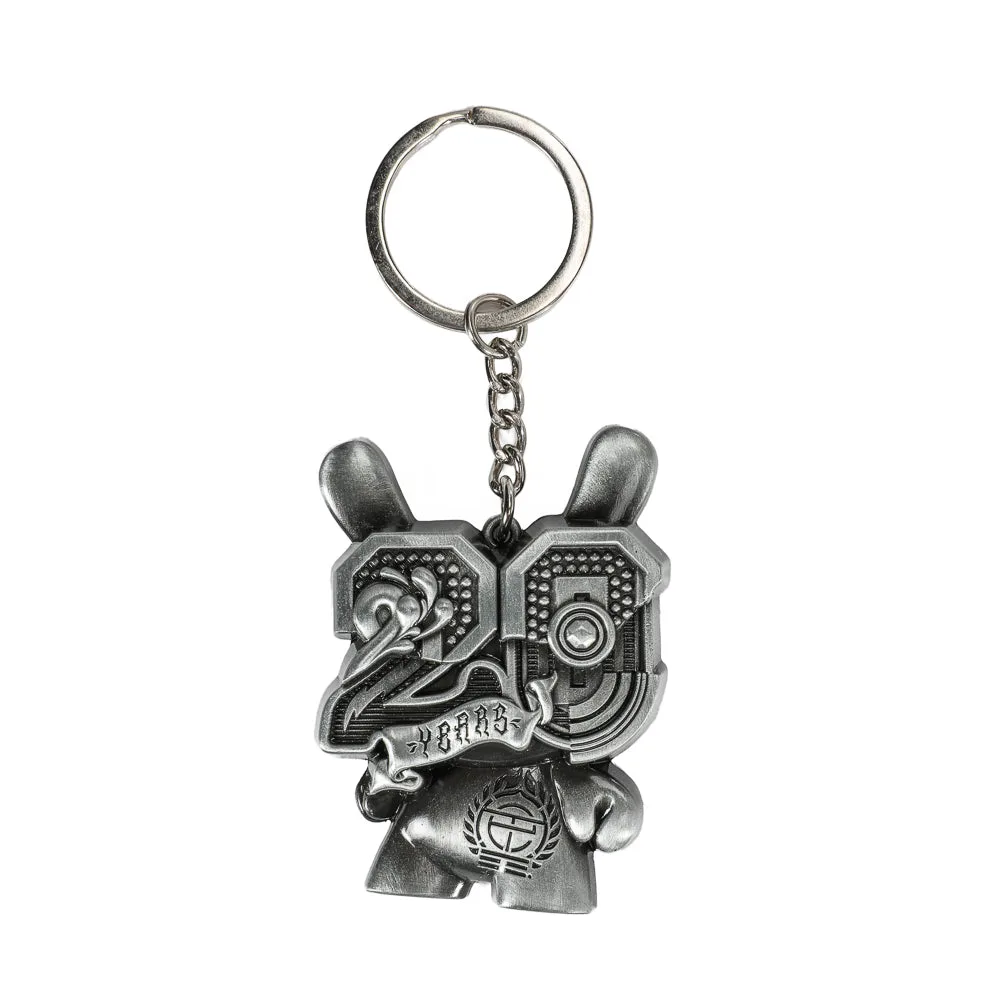
- 20th Anniversary Solid Metal Dunny Keychain - "Silverchrome" by Tristan Eaton (Limited Edition of 200): Limited edition of 200 worldwide, designed by Tristan Eaton, with the Dunny head sculpted as a multi-faceted number 20 and made of solid metal. A numbered limited edition is the opposite of a blind box gamble: you know exactly what you are getting, and the edition size is the scarcity signal.
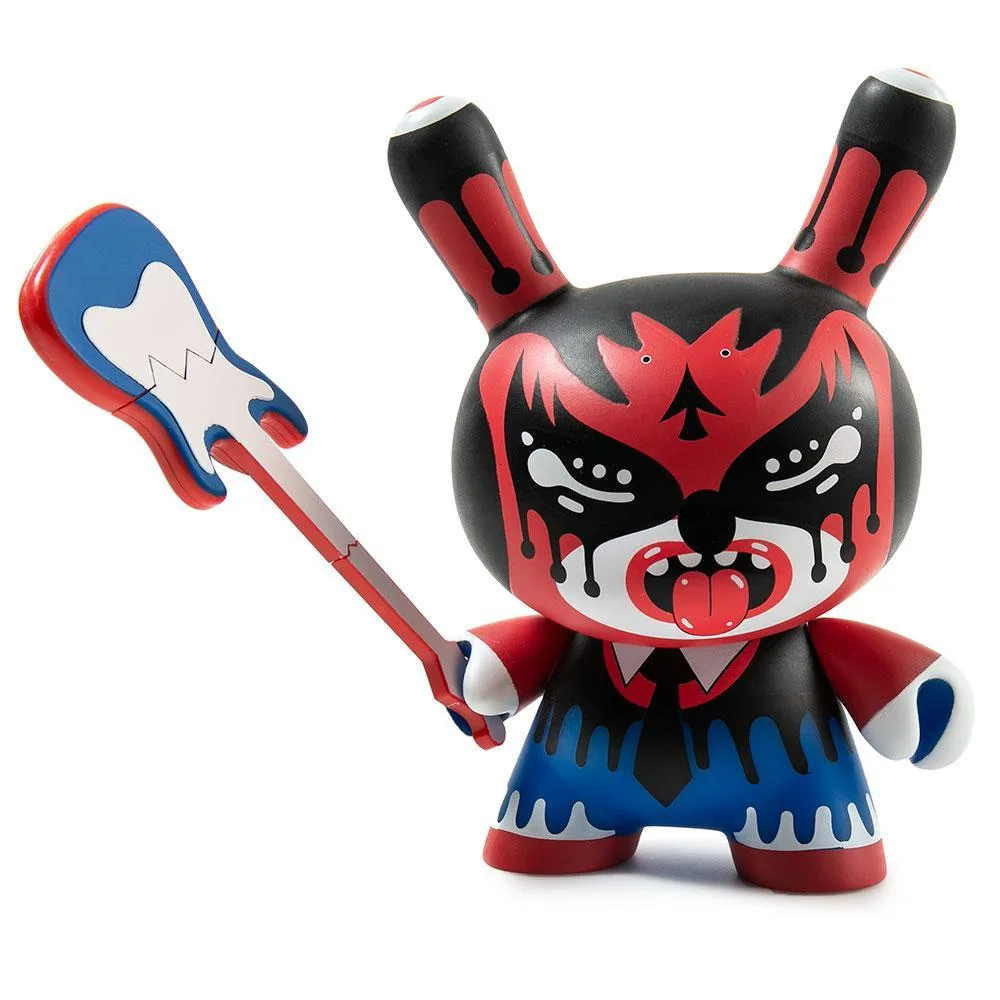
- Zmirky 5" Dunny Art Figure by Roman Klonek: Zmirky 5" Dunny Art Figure by Roman Klonek, a 5-inch designer art toy translating the artist's woodwork aesthetic into vinyl. An open, artist-specific Dunny lets you buy the exact sculpt and artist you want rather than hoping a blind box yields a comparable piece.
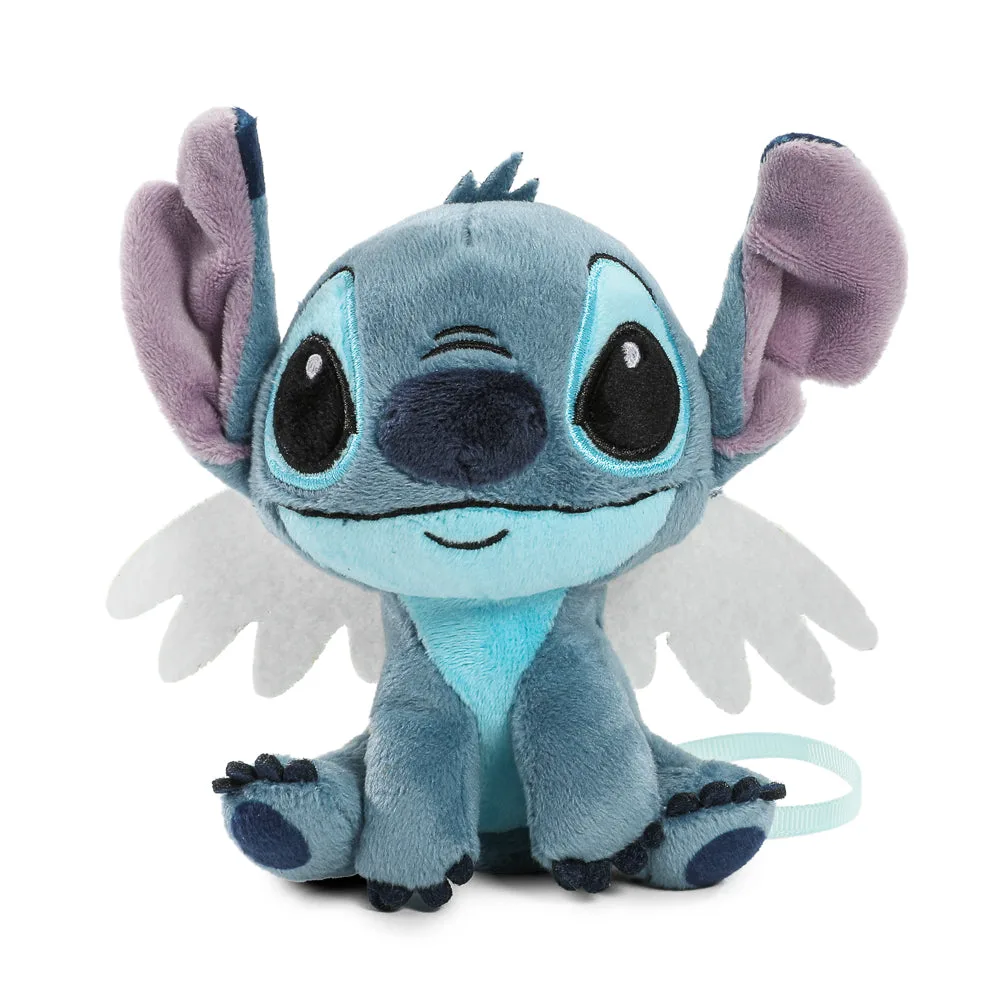
- Disney Lilo & Stitch - Angel Stitch Plush Shoulder Phunny: Angel Stitch Plush Shoulder Phunny with white angel wings that wrap around the plush, inspired by the character from Disney's Lilo & Stitch. When the character itself is the point, an open listing removes the risk of pulling a figure you did not want.
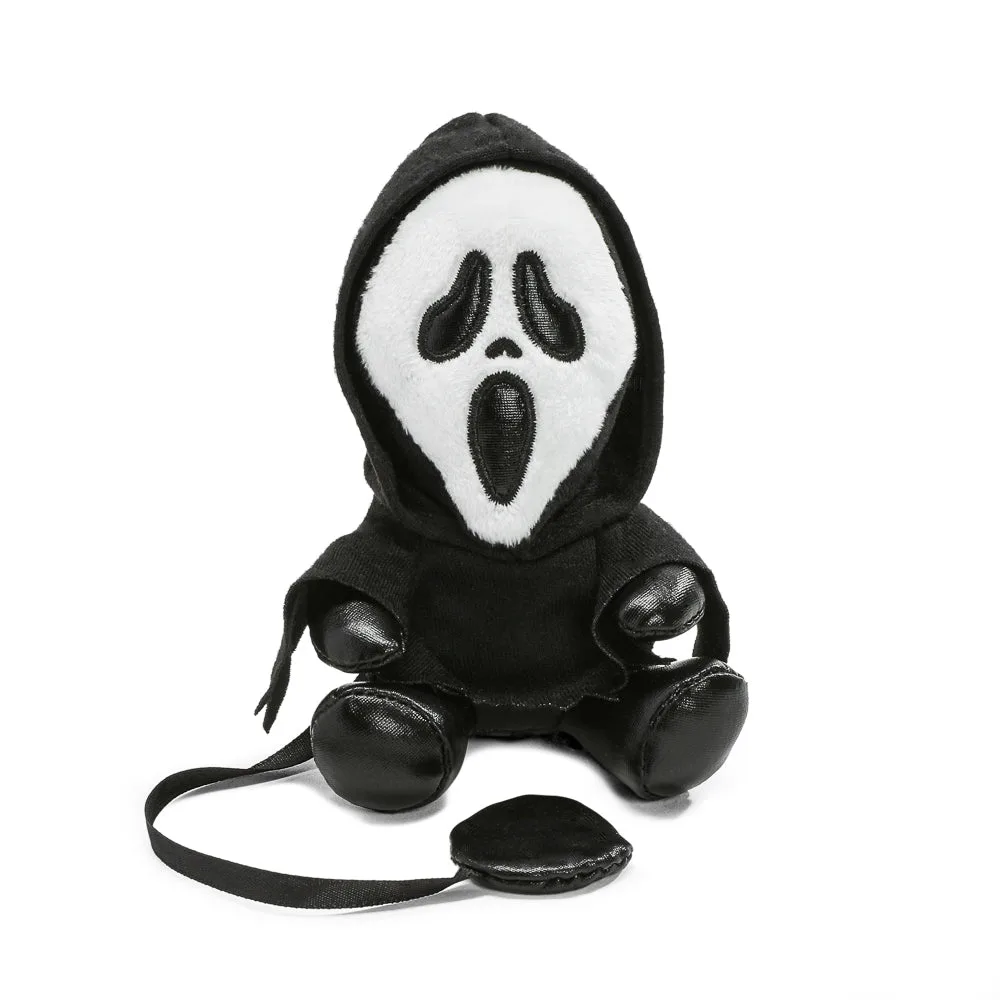
- Ghost Face Plush Shoulder Phunny: Ghost Face Plush Shoulder Phunny measuring 4.5 inches, using a magnet patch beneath clothing to stay in place. A named, wearable collectible is a good example of buying for a known outcome rather than for surprise.
Which should you buy?
Blind boxes are best for
- Collectors who enjoy the surprise and the series as a whole
- Buyers who are happy to trade or gift duplicates
- Shoppers exploring a new artist or lineup without a specific target
Blind boxes are not for
- Collectors who need one specific character
- Buyers who dislike paying for figures they did not choose
- Shoppers who want to inspect paint and sculpt before purchase