Quick answer
Buy blind boxes when you enjoy the surprise and want a low-cost entry into a series; buy open edition figures when you want a guaranteed character, a larger scale, or a display-ready piece. If you have a specific character in mind, open editions are the safer buy. If you love the thrill of the unboxing and trading, blind boxes deliver more excitement per dollar.
What you are actually buying: sealed odds vs visible product
A blind box is a sealed package where the figure inside is unknown until you open it. The assortment usually includes common figures and at least one rarer chase or secret figure, and the odds are set by the manufacturer. You are paying for the chance at a specific character, not a guarantee. An open edition, by contrast, shows you exactly what you will receive. The product page, photos, and dimensions all describe the actual item that ships. There is no mystery and no odds chart, because the figure is not randomized.
How chase figure odds change the math
Chase figures are the rare variants in a blind box series. Their odds are printed on the box or shared by the brand, often expressed as a ratio like 1 in 24 or 1 in 48. That ratio applies to the whole production run, not to a single case you buy. If you purchase one box, your chance of a chase is the same as the printed odds. If you buy a full case, you are usually guaranteed the common set but not necessarily the chase. Open editions have no chase odds because every unit is identical. The trade-off is clear: blind boxes offer a lottery-like upside, while open editions give you certainty for a higher upfront price on larger or limited pieces.
Price, scale, and materials: where the value sits
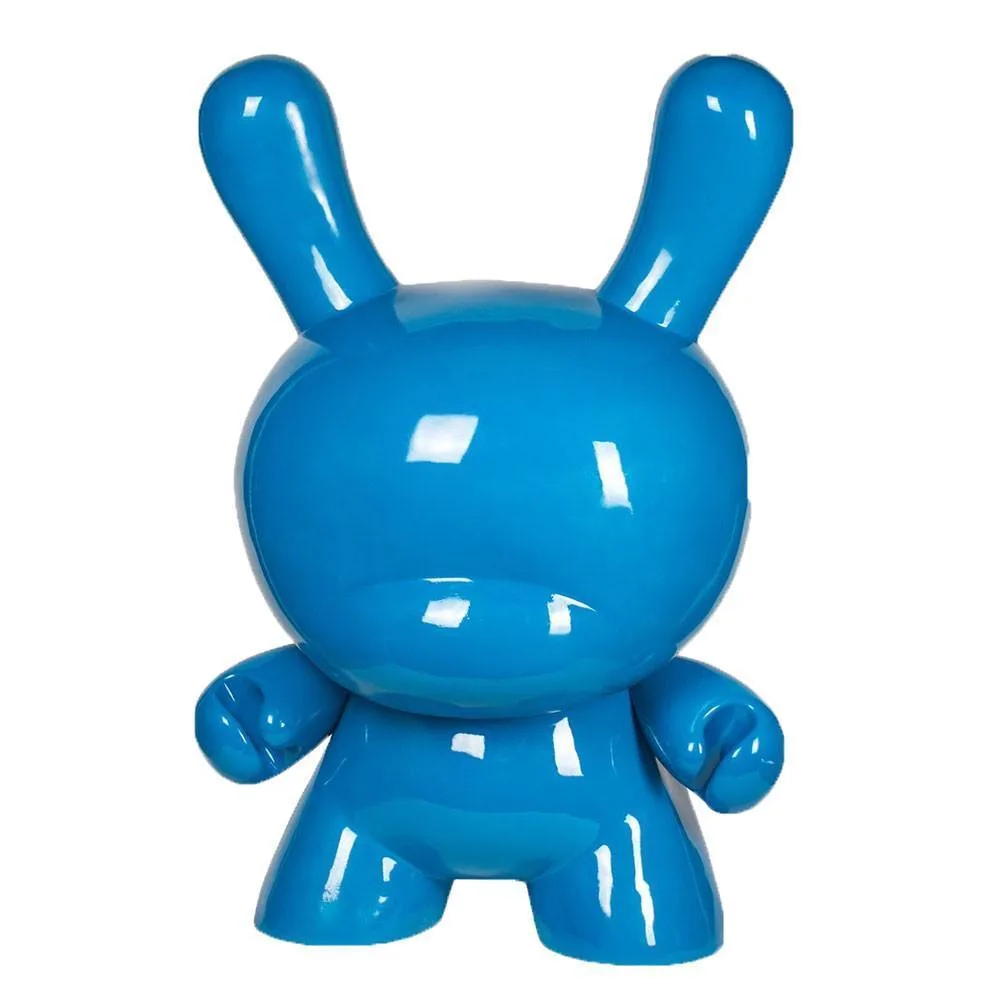
Blind box figures are typically small, around 2 to 4 inches, and priced low enough to buy several at once. Open edition art figures often run larger, from 6 to 8 inches or more, and use more vinyl or resin, which raises the price. Limited editions add a numbered run, which can push the price higher still. Neither format is automatically a better investment. A low-cost blind box with a popular chase can resell for many times its retail price, but most common figures resell for less than you paid. A larger open edition holds its display value and is easier to resell because buyers know exactly what they are getting. Check the catalog price and comparison price on the product page to see whether the open edition is currently discounted.
Display and collecting strategy for each format
Blind box collectors often display full series on risers or shelves, grouping by color or character family. The small scale makes it easy to build a dense, colorful display without much space. Open edition collectors usually give each figure more room, because the larger size and detailed sculpt deserve a dedicated spot with good lighting. A practical approach is to use blind boxes for variety and open editions for a focal point. If you want to start a collection without committing to a large piece, buy one or two blind boxes from a series you like. If you already know the character you want on your desk, go straight to the open edition version.
Trade-offs: blind box vs open edition at a glance
- Certainty vs surprise: Open editions show the exact figure; blind boxes hide it until you open the package. Choose open editions if you have a specific character in mind.
- Chase odds vs guaranteed design: Blind boxes may include a rare chase at printed odds; open editions never have chase odds because every unit is the same. If you dislike gambling on odds, skip blind boxes for that character.
- Scale and display presence: Blind box figures are usually small (2–4 inches); open edition art figures often run 6–8 inches or more. Match the format to your shelf space and whether you want a focal point or a full series.
- Resale and scarcity: Limited open editions (like a numbered run of 600) can hold value through scarcity, while blind box commons often resell below retail. Buy limited editions for collecting, not as a guaranteed investment.
Two real examples that show the difference
- Disney Mickey Mouse "Sailor M." 8-inch Collectible Vinyl Figure by Pasa: This 8-inch collectible vinyl figure is an open edition with a visible design: Mickey Mouse in a vintage sailor outfit with red button shorts and yellow shoes. You know exactly what arrives, and the 8-inch scale makes it a display centerpiece rather than a shelf filler.
- Disney Mickey Mouse "Sailor M." Collectible Vinyl Figure by Pasa - Exclusive Black and Gold Edition: This 8-inch Sailor M. figure is an exclusive Black and Gold Edition, categorized under St. Paddy's Day. Exclusive colorways often have smaller production runs than standard open editions, so they can be harder to find later. The trade-off is a higher price and no mystery about the design.
- Hello Kitty® Gold Electroplate 3" Vinyl Figure (Limited Edition of 600) - Kidrobot.com Exclusive: This Hello Kitty gold electroplate vinyl figure is a limited edition of 600, 3 inches tall, and exclusive to Kidrobot.com. A numbered limited edition sits between blind box and standard open edition: you see the figure, but the low piece count creates scarcity. If you want it, buy sooner rather than later.
Which should you buy?
Best for
- Collectors who enjoy the surprise of unboxing and trading duplicates
- Budget-conscious buyers who want to sample a series before committing to a large figure
- Fans who want to build a colorful, dense display of small figures
Not for
- Buyers who need a specific character and do not want to gamble on odds
- Collectors who prefer larger, display-ready art pieces with a visible design
- Anyone shopping for a numbered limited edition where the exact figure is known