Quick answer
For most newborns, a plain sink bath is the safer default because you control the water depth, keep one hand on your baby at all times, and never rely on a soft surface to hold them. A Blooming Bath-style flower tub can be a good fit if you want extra cushioning and a contained shape, but only when it sits securely in your sink or a larger tub and you still keep a hand on your baby. Whichever you choose, the safety rules are the same: shallow warm water, constant hands-on support, and never leaving your newborn alone.
How the two setups actually differ
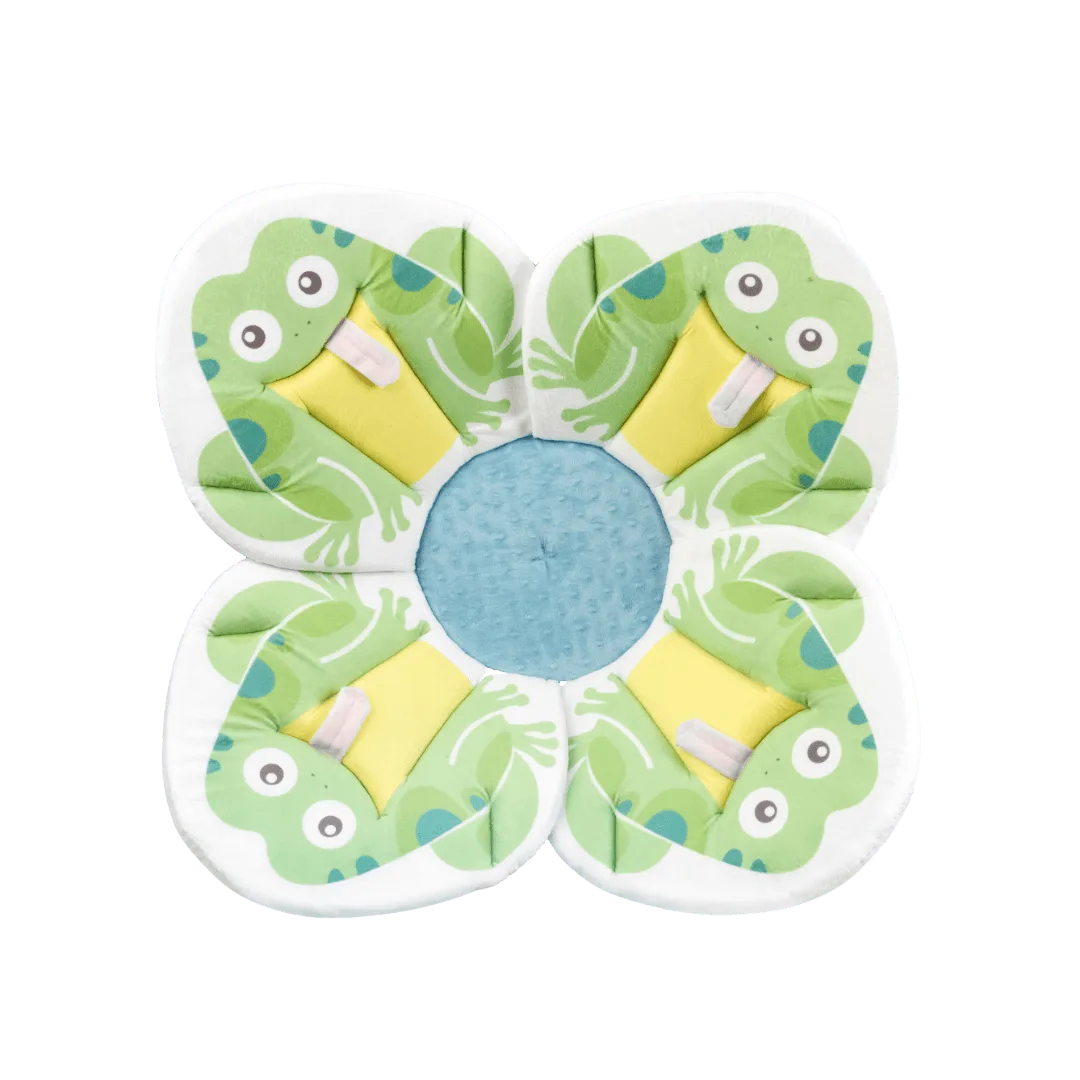
A Blooming Bath-style tub is a soft, plush flower shape that you press into a sink or bathtub. It cradles your baby on a cushiony surface and keeps them in a contained, familiar spot. A sink bath is simply a clean sink filled with a few inches of warm water, sometimes with a folded towel or a small support under your baby. The sink itself is the tub.
The practical differences come down to support, water control, and cleanup. A flower tub gives more padding and a defined shape, which can feel reassuring for a wiggly newborn. A sink gives you the most direct control over water depth and temperature because you can see and feel everything at once. A flower tub needs to be rinsed and dried thoroughly after each use, while a sink just needs a quick clean. Neither setup replaces your hand: a newborn can slip or roll in either one.
Newborn bath safety rules that apply to both
Safe newborn bathing is less about the tub and more about how you use it. The American Academy of Pediatrics recommends keeping water shallow and warm, supporting your baby's head and neck at all times, and never leaving them unattended for even a second. That means gathering everything you need before you start: a soft washcloth, mild baby wash, a hooded towel, and a clean diaper. If the phone rings or someone knocks, wrap your baby in a towel and take them with you.
Water temperature matters in both setups. Aim for lukewarm water, roughly 100°F (37.8°C), and test it with your wrist or elbow before your baby goes in. Keep the room warm, and limit bath time to about five to ten minutes so your newborn does not get cold. In a sink, fill only two to three inches of water. In a flower tub, fill only to the level that supports your baby without covering their chest, and never add water while your baby is in the tub.
Sink bath pros and cons
The biggest advantage of a sink bath is control. You can see exactly how much water is in the basin, adjust the temperature quickly, and keep your baby at a comfortable height so you are not bending over a deep tub. Sinks are also easy to clean and take up no extra storage space. For many parents, a sink bath is the simplest option for the first few weeks.
The trade-offs are real, though. Sinks are hard and unforgiving, so you need a towel or a small support to keep your baby comfortable. Faucets and handles can be a hazard if your baby kicks or squirms, so keep them turned away or covered. Some sinks are too small or too deep for a comfortable position, and a slippery sink bottom can make your baby slide. If your sink has a sprayer or a sharp edge, a sink bath may not be the best fit.
Blooming Bath-style flower tub pros and cons
A flower tub gives your newborn a soft, cushioned place to lie, which can make bath time feel calmer for both of you. The raised petals help keep your baby centered, and the shape fits into many kitchen sinks and bathtubs. If you have a baby who startles easily or seems uncomfortable on a hard surface, the extra padding can help.
The trade-offs are that a soft tub can give a false sense of security. It does not restrain your baby, and a newborn can still roll or slide, so your hand stays on them the whole time. You also need to make sure the tub sits securely in your sink and does not tip when you press on one side. After each bath, rinse and dry it completely to prevent mildew, and check the manufacturer's instructions for weight and age limits. A flower tub also takes up more storage space than a sink.
When to move on from newborn bath setups
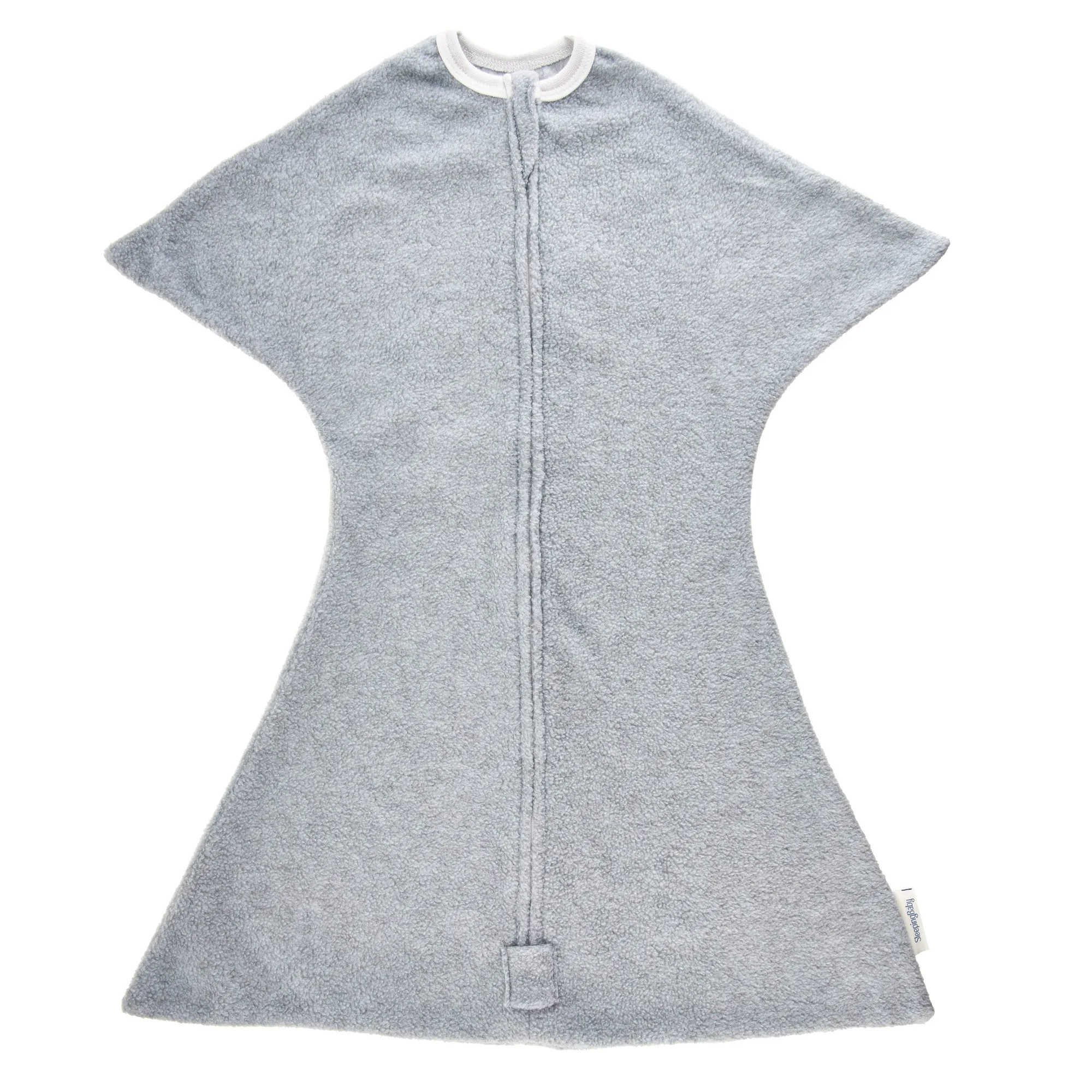
Most babies outgrow a sink or a small flower tub somewhere between three and six months, or sooner if they start sitting up, rolling, or splashing hard. At that point, a larger baby tub or a transition sleep product can make the routine easier. For example, the Zipadee-Zip swaddle transition is designed for babies who are wiggling and rolling, and it can be part of a calm bedtime routine after bath time. It is intended for sleeping only, not for the bath itself.
If your baby is already rolling, stop using any bath support that relies on them staying still. A bath seat or a larger tub with a non-slip base is a better choice once your baby has more movement. The same hands-on rule applies: never leave your baby alone in the water, even for a moment.
Trade-offs at a glance
- Control vs. cushioning: A sink gives you the most direct control over water depth and temperature. A flower tub gives more cushioning and a contained shape, but you still need to keep a hand on your baby. Choose the sink if control matters most; choose the flower tub if your baby seems uncomfortable on a hard surface.
- Cleanup and storage: A sink needs only a quick rinse. A flower tub must be rinsed and dried thoroughly after every bath and takes up more storage space. If you have limited counter or cabinet space, the sink is the simpler option.
- Safety margin: Neither setup restrains your baby. A newborn can slip or roll in either one, so the safety margin comes from your hands-on support, shallow water, and never leaving the room. No tub or support replaces constant supervision.
Products that pair with a newborn bath routine
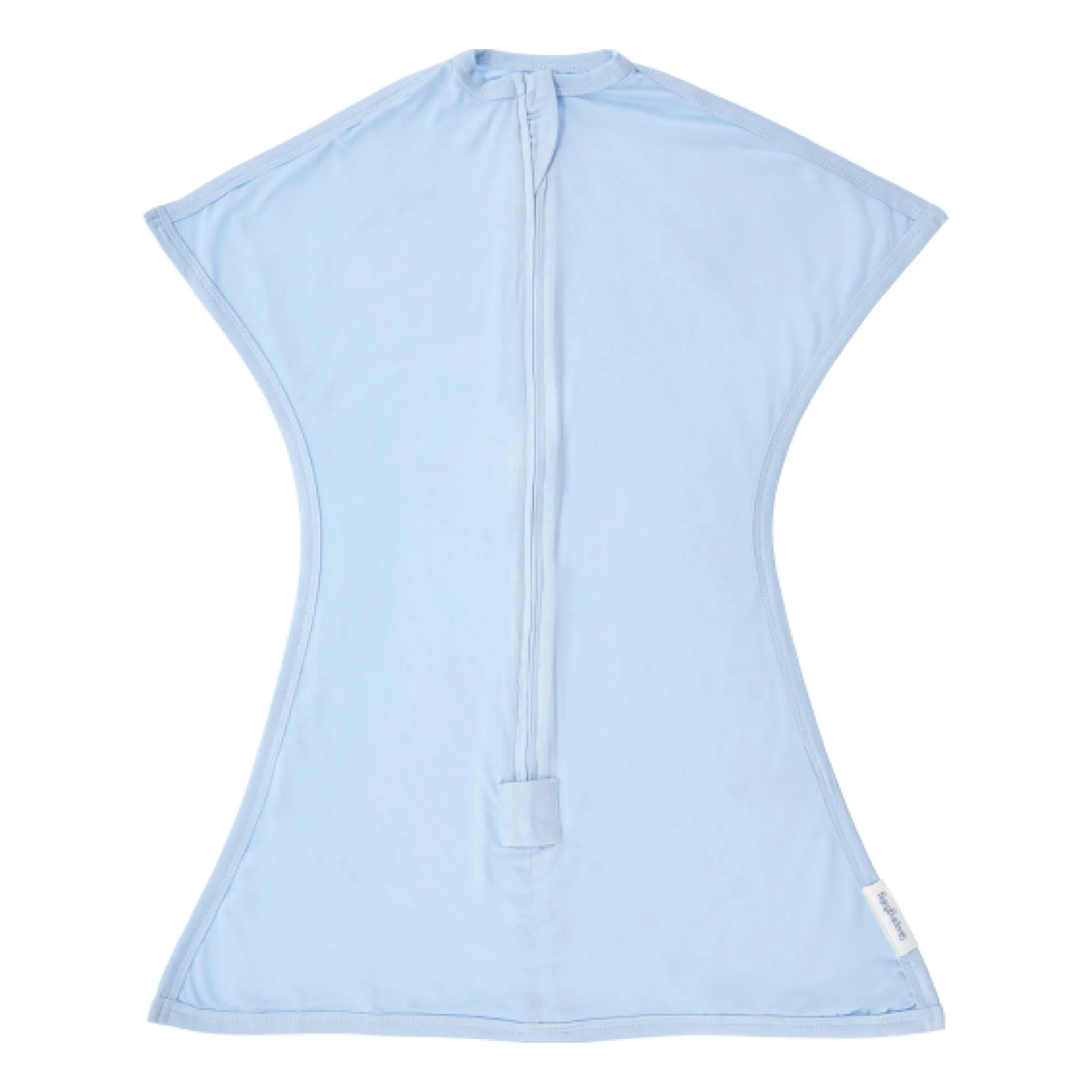
- Sleeping Baby EverSoft™ Bamboo Zipadee-Zip Swaddle Transition (Peach Fuzz): Made with natural bamboo fabric that is lightweight, perfect for any weather and great for delicate skin, with a double-zipper for late-night diaper changes. After bath time, a lightweight bamboo layer is easy to put on a warm, clean baby and helps avoid overheating during sleep.
- Sleeping Baby Pink Poppy Zipadee-Zip Swaddle Transition - Fleece: The Zipadee-Zip's starfish design provides the cozy, secure feeling of a swaddle without limiting baby's range of motion, and it is suitable for little ones 3 months–3 years. For babies who have outgrown the sink or flower tub and are starting to roll, this gives them freedom to move while staying covered during sleep.
- Sleeping Baby Blue & Red Stars Zipadee-Zip Swaddle Transition - Lightweight: The Zipadee-Zip's starfish design provides a secure feeling without limiting range of motion, and it is intended for sleeping only. A good reminder that sleep products belong in the crib, not the bath, and that bath-time safety rules still apply even as your baby grows.
Which setup fits your newborn?
Best for
- Parents who want the simplest, most controllable setup for the first few weeks
- Small bathrooms or kitchens where storage space is limited
- Babies who are comfortable on a towel-lined sink bottom
Not for
- Babies who are already rolling or sitting up (move to a larger tub or bath seat)
- Sinks with exposed sharp edges or a sprayer that cannot be turned away
- Parents who want a soft, cushioned surface and are willing to clean and dry it after every bath