Quick answer
For a blue diamond, carat weight affects size, color saturation, and presence. Focus on the shape and dimensions (in mm) rather than just carat number—a 0.52ct round may look smaller than a 1.47ct pear, but both offer distinct visual impact.
Carat weight vs. face-up size
Carat weight is a measure of weight, not size. Two blue diamonds of the same carat can look very different depending on their shape and cut. A round cut often appears smaller face-up than a pear or heart shape of the same weight because the shape spreads the weight differently. Always check the millimeter dimensions (length x width) to understand how the stone will look in a setting.
For example, the 0.52ct round blue diamond (5.2mm diameter) will appear as a compact, brilliant sparkler, while the 1.96ct heart shape (8×8.1mm) offers a larger, more romantic silhouette. The 1.47ct pear (8.2×6.7mm) balances a longer profile with moderate width.
Color saturation and carat weight
Blue diamonds are colored by trace elements (usually boron) during formation. Larger stones may show deeper, more even color, but this is not guaranteed. A smaller, intensely saturated blue diamond can be more striking than a larger, paler one. Since color is a personal preference, request videos or detailed photos to judge the hue before buying—especially for stones like the 1.47ct pear, which the seller notes photos can't fully capture.
How to choose the right blue diamond carat size
- Check the millimeter dimensions, not just carat weight: Always look at the length and width (in mm) to understand the actual face-up size. A 0.52ct round (5.2mm) is smaller than a 1.47ct pear (8.2×6.7mm), but both are beautiful in different settings. Request the exact mm measurements from the seller if not listed.
- Match the shape to your setting: Round cuts are classic and fit most standard ring settings. Heart and pear shapes require specific settings (e.g., the Heart ring for the 1.96ct heart). Ensure your chosen setting accommodates the stone's shape. Ask if the diamond fits a specific ring or pendant setting before purchasing.
- Consider color saturation over size: A smaller, intensely blue diamond can be more visually striking than a larger, paler one. Since blue diamonds vary in saturation, prioritize color depth if that matters more to you than carat weight. Request a video to evaluate the color in natural light.
Blue diamond examples in this size guide
-
Blue Diamond 0.52ct – SOLD: Blue Diamond round 0.52ct (5.2mm) – described as dreamy like a scenic winter in Lapland. This compact round cut is ideal for a solitaire ring or pendant where you want a brilliant, classic look without a large face-up size.
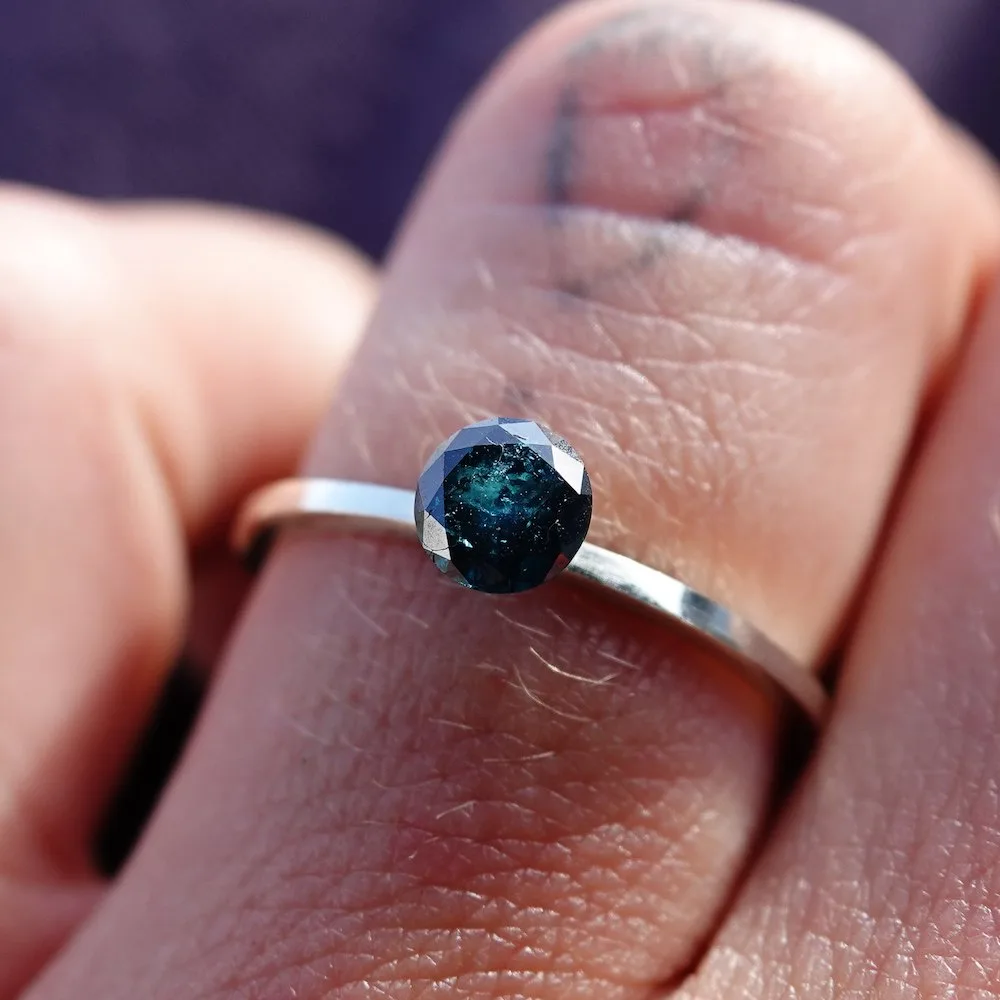
Blue Diamond 0.52ct – SOLD
-
Blue Diamond 1.96ct – SOLD: Blue Diamond heart 1.96ct (8×8.1mm) – fits the Heart ring and is noted as a very impressive sweetie-looking diamond. The heart shape offers a larger face-up area and a romantic silhouette, perfect for a statement ring or a special occasion piece.
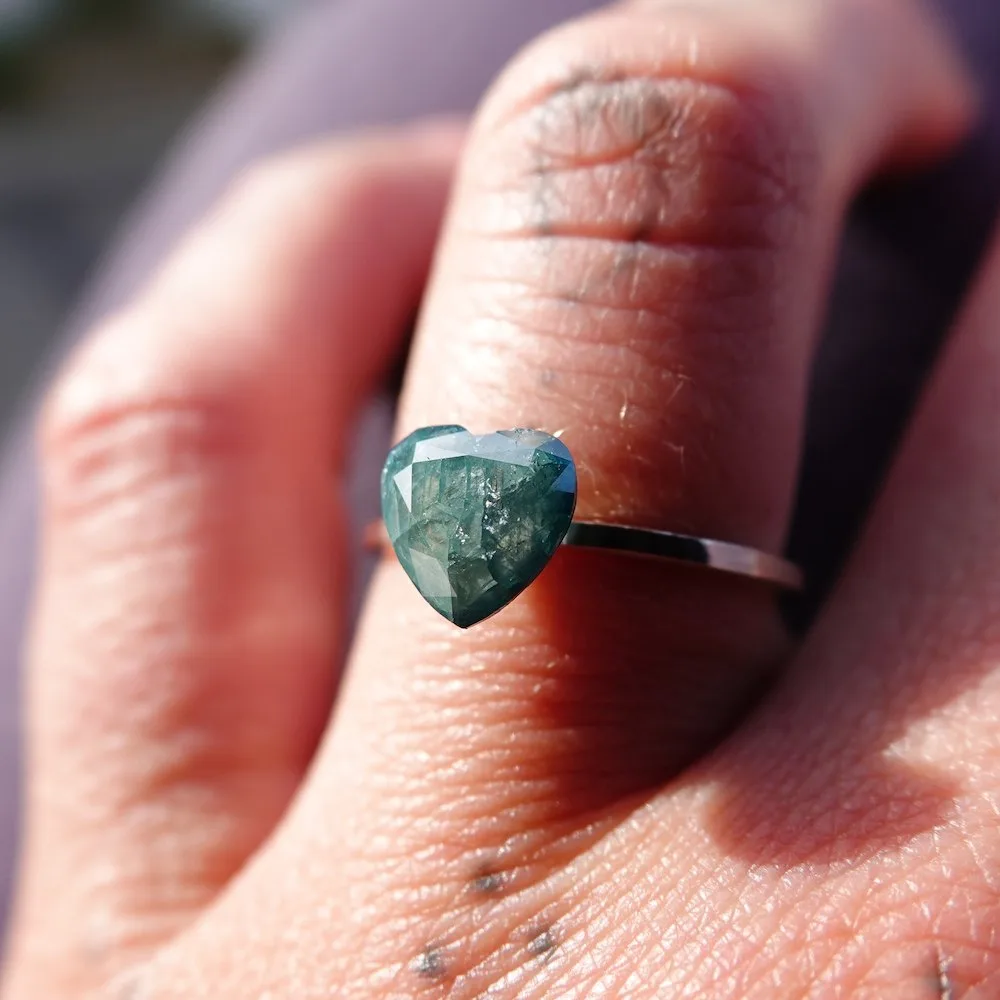
Blue Diamond 1.96ct – SOLD
Which blue diamond carat size is right for you?
Best for
- Collectors or buyers who want a brilliant, compact stone for a solitaire ring or pendant – choose a round cut like the 0.52ct.
- Romantic or statement jewelry lovers who want a larger face-up size and a distinctive shape – choose a heart or pear cut like the 1.96ct or 1.47ct.
Not ideal for
- Those seeking the largest possible face-up size for the lowest carat weight – round cuts are less efficient in face-up area per carat than fancy shapes.