Quick answer
If you want a caffeine-free, visually stunning tea with a neutral, earthy flavor, blue pea flower tea is your pick. If you prefer a mild grassy taste, a gentle caffeine lift, and proven antioxidant support, regular green tea is the better everyday choice. Neither is 'healthier' overall—they serve different needs, so choose based on your caffeine tolerance and flavor preferences.
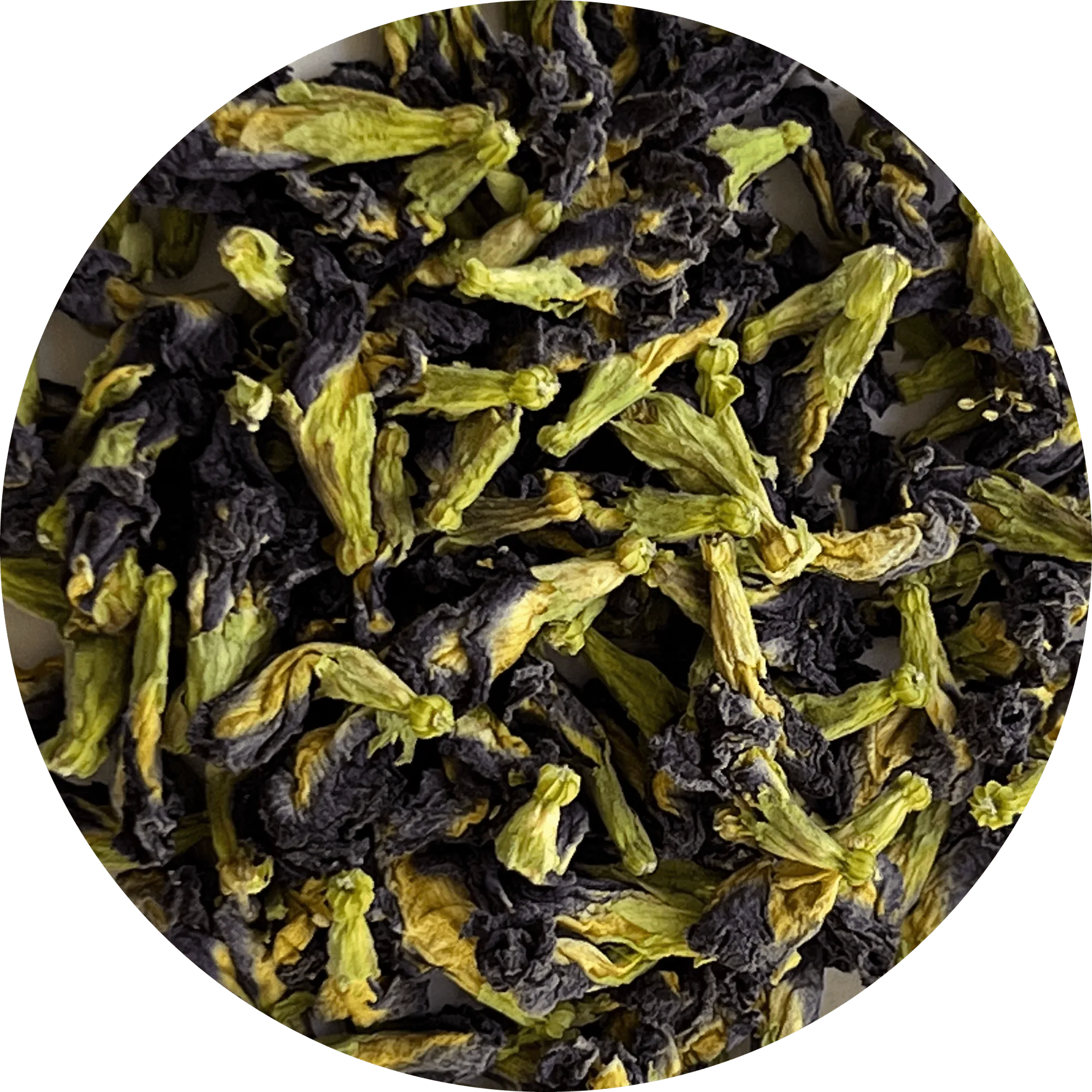
blue pea flower tea
Blue pea flower tea and regular green tea are both beloved for their health benefits, but they are fundamentally different drinks. Blue pea flower (also called butterfly pea) is a caffeine-free herbal infusion with a striking blue color, while green tea comes from the Camellia sinensis plant and contains natural caffeine along with a distinct grassy flavor. Understanding these differences helps you pick the right cup for your morning routine, afternoon break, or evening wind-down.
In this comparison, we'll look at taste, caffeine, antioxidants, brewing methods, and how each fits into a healthy lifestyle. We'll also highlight real green tea blends from Swachh Tea that show how versatile green tea can be, and explain why blue pea flower tea is a category of its own.
Taste and appearance
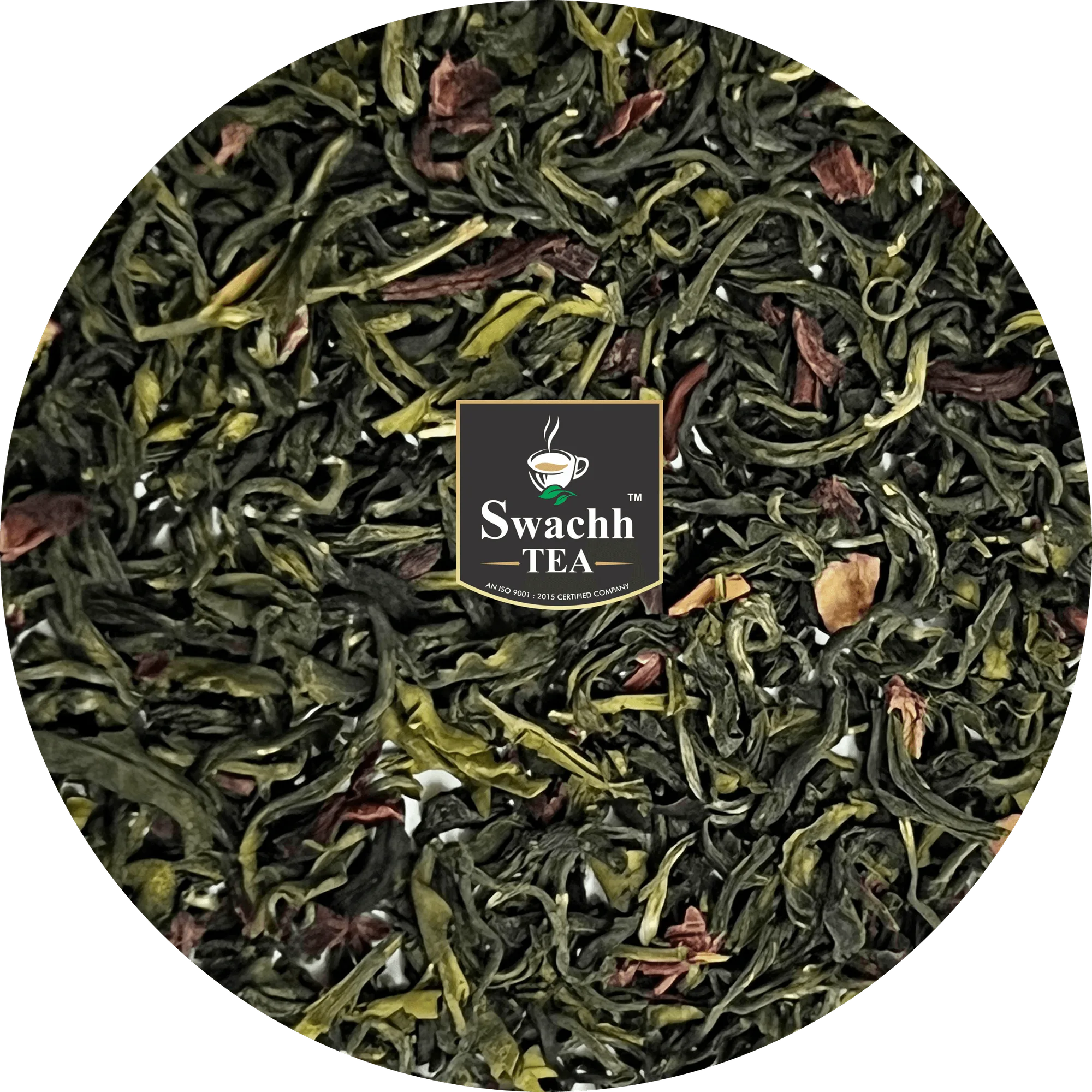
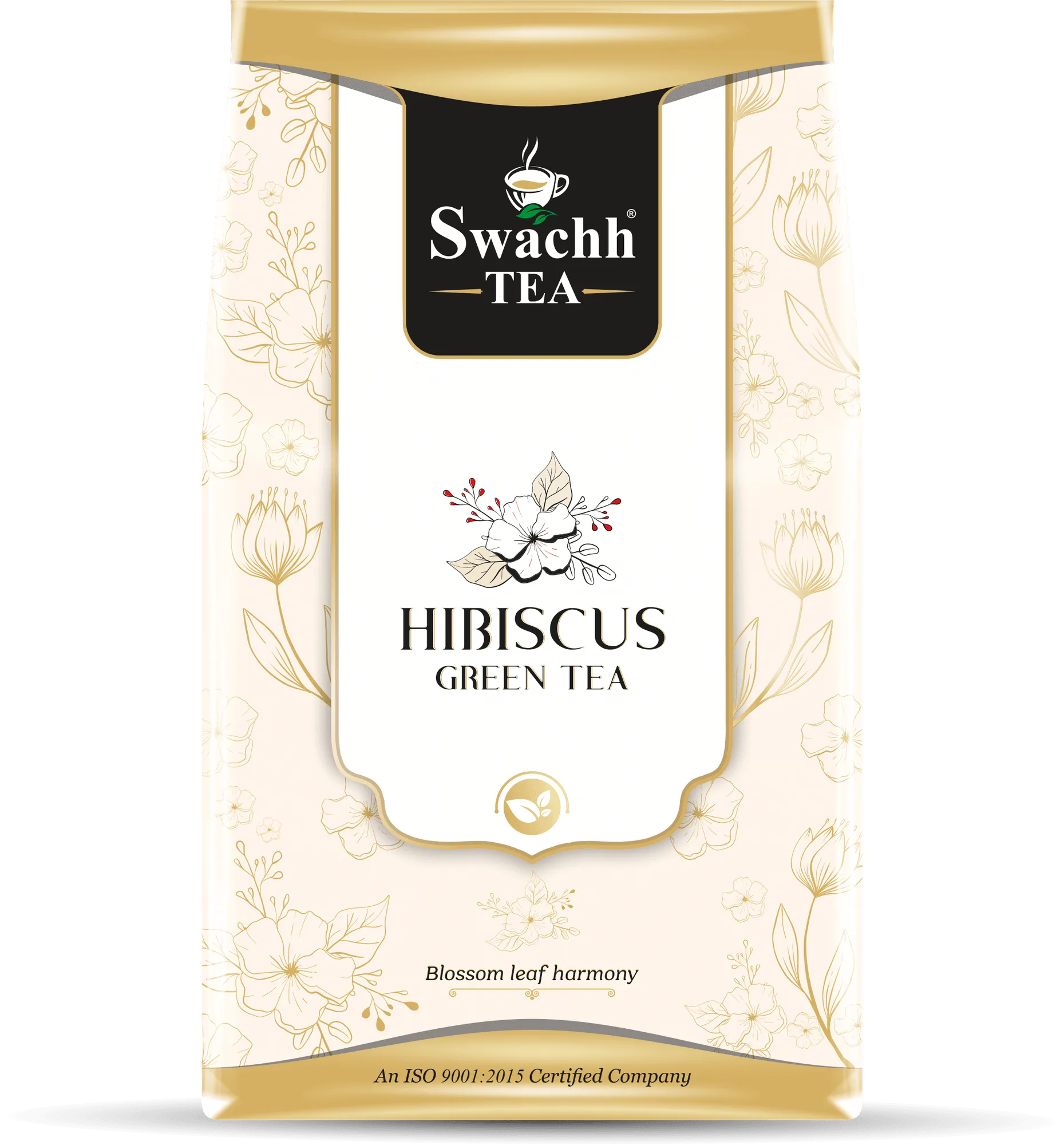
Blue pea flower tea is famous for its brilliant blue color, which shifts to purple when you add lemon or lime. The flavor is mild, earthy, and slightly woody—there's no bitterness, making it a gentle evening drink. Regular green tea, on the other hand, has a fresh, grassy, and sometimes slightly astringent taste that tea lovers appreciate. If you're new to green tea, start with a flavored blend like https://swachhteayc.com/products/hibiscus-green-tea-b3720b68155e10fd689e4cbb-780975Hibiscus Green Tea, which adds tangy floral notes to soften the grassy edge.
The visual difference matters too. Blue pea tea is a showstopper in iced drinks and cocktails, while green tea is more about subtlety and tradition. If you're brewing for guests or creating a café-style drink, blue pea's color is a fun conversation starter. For daily sipping, green tea's familiar taste is easier to pair with food.
- Blue pea tea: caffeine-free, earthy, color-changing with citrus.
- Green tea: grassy, slightly bitter, pairs well with mint, ginger, or hibiscus.
Caffeine and energy
The biggest practical difference is caffeine. Blue pea flower tea contains no caffeine, so it won't keep you awake or cause jitters. It's a great choice for the evening, for people sensitive to caffeine, or for anyone who wants a warm, soothing drink without stimulation. Regular green tea has a modest amount of caffeine—less than coffee but enough to provide a gentle lift and improve focus.
If you're replacing your morning coffee, green tea is the closer match. If you're looking for a bedtime tea or a caffeine-free alternative to your afternoon soda, blue pea is the winner. Be aware that green tea's caffeine can disrupt sleep if you drink it late in the day.
- Blue pea tea: zero caffeine, ideal for any time of day.
- Green tea: contains caffeine, best enjoyed in the morning or early afternoon.
Antioxidants and wellness benefits
Both teas are rich in antioxidants, but they contain different types. Green tea is packed with catechins, especially EGCG, which are linked to metabolism support, heart health, and cellular protection. Blue pea flower contains anthocyanins—the pigments that give it its blue color—which are also powerful antioxidants. However, research on blue pea's health effects is less extensive than the decades of studies on green tea.
That doesn't mean blue pea is inferior. It's a caffeine-free way to add plant compounds to your day, and many people drink it for its calming, stress-relieving reputation. Green tea's benefits are more documented, so if you're looking for evidence-based wellness support, green tea is the safer bet. For a caffeine-free antioxidant boost, blue pea is a great option.
- Green tea: well-studied catechins, supports metabolism and heart health.
- Blue pea: anthocyanins, less studied but a good caffeine-free antioxidant source.
Brewing and versatility
Both teas are easy to brew, but they have different rules. Blue pea flower tea is forgiving—steep it in hot water for 5-7 minutes, and it won't turn bitter. It's excellent hot or cold, and you can add honey, lemon, or mint. Green tea is more delicate: water that's too hot (above 175°F) or steeping too long (beyond 2-3 minutes) makes it bitter. That's why many green tea blends add other ingredients to balance the flavor.
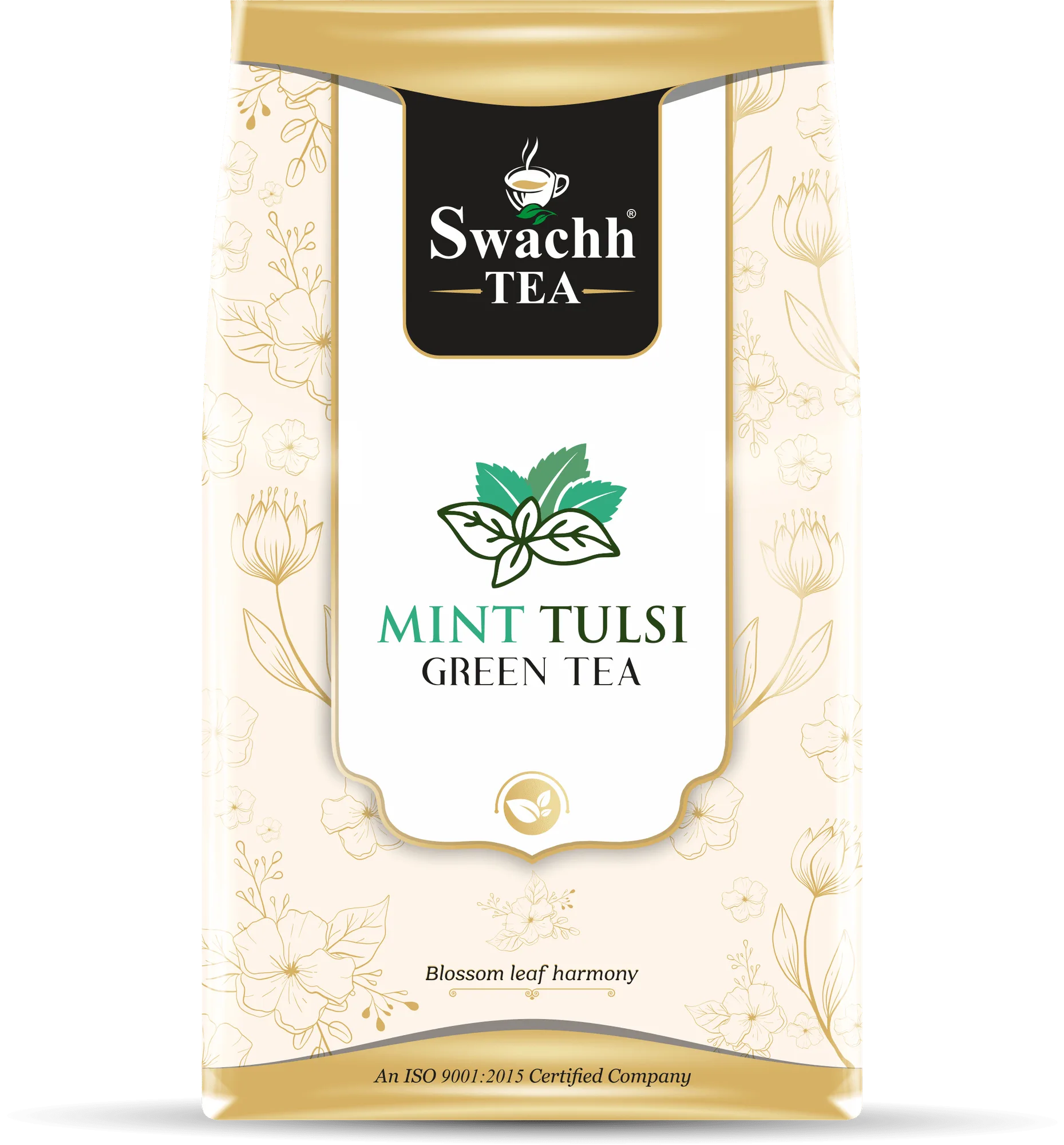
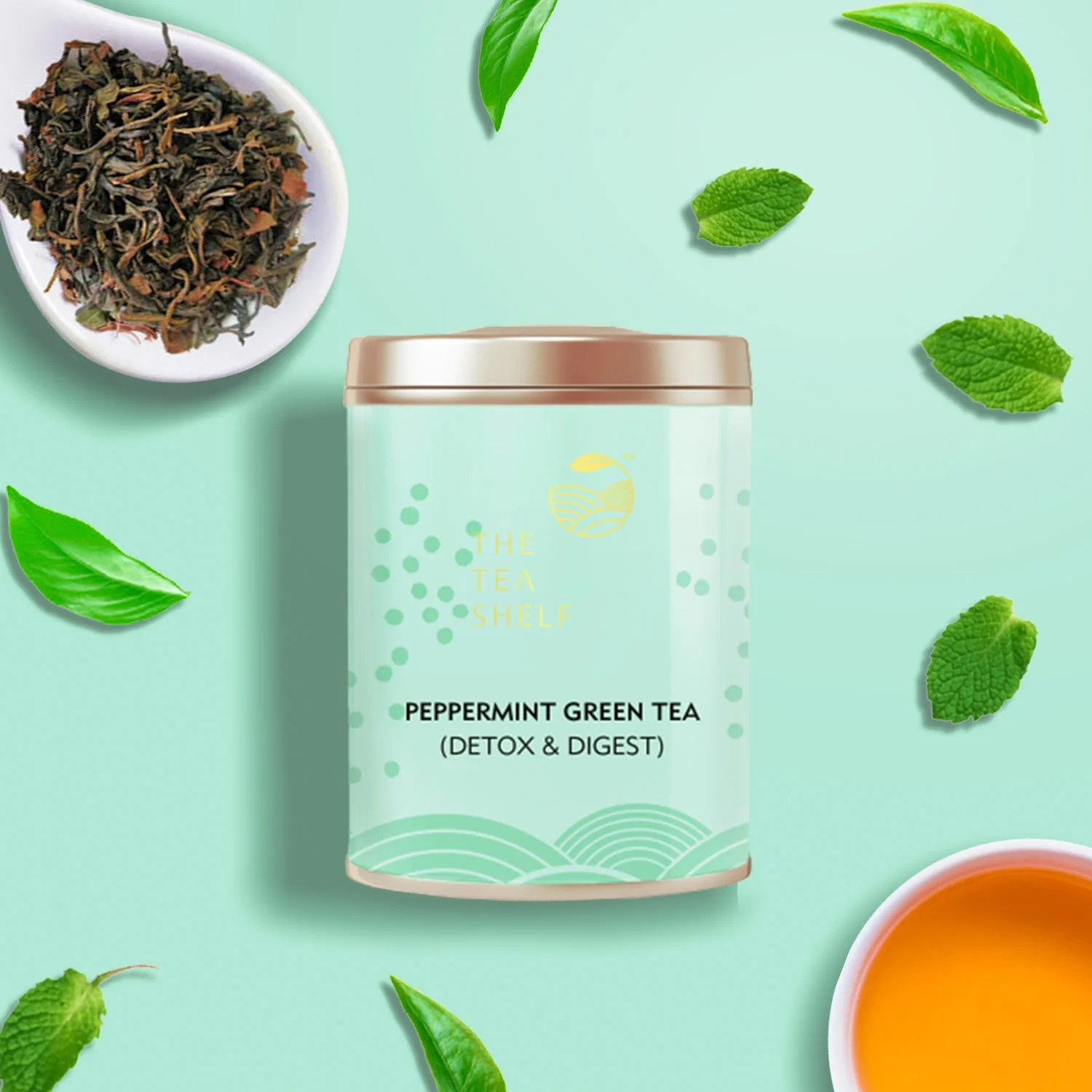
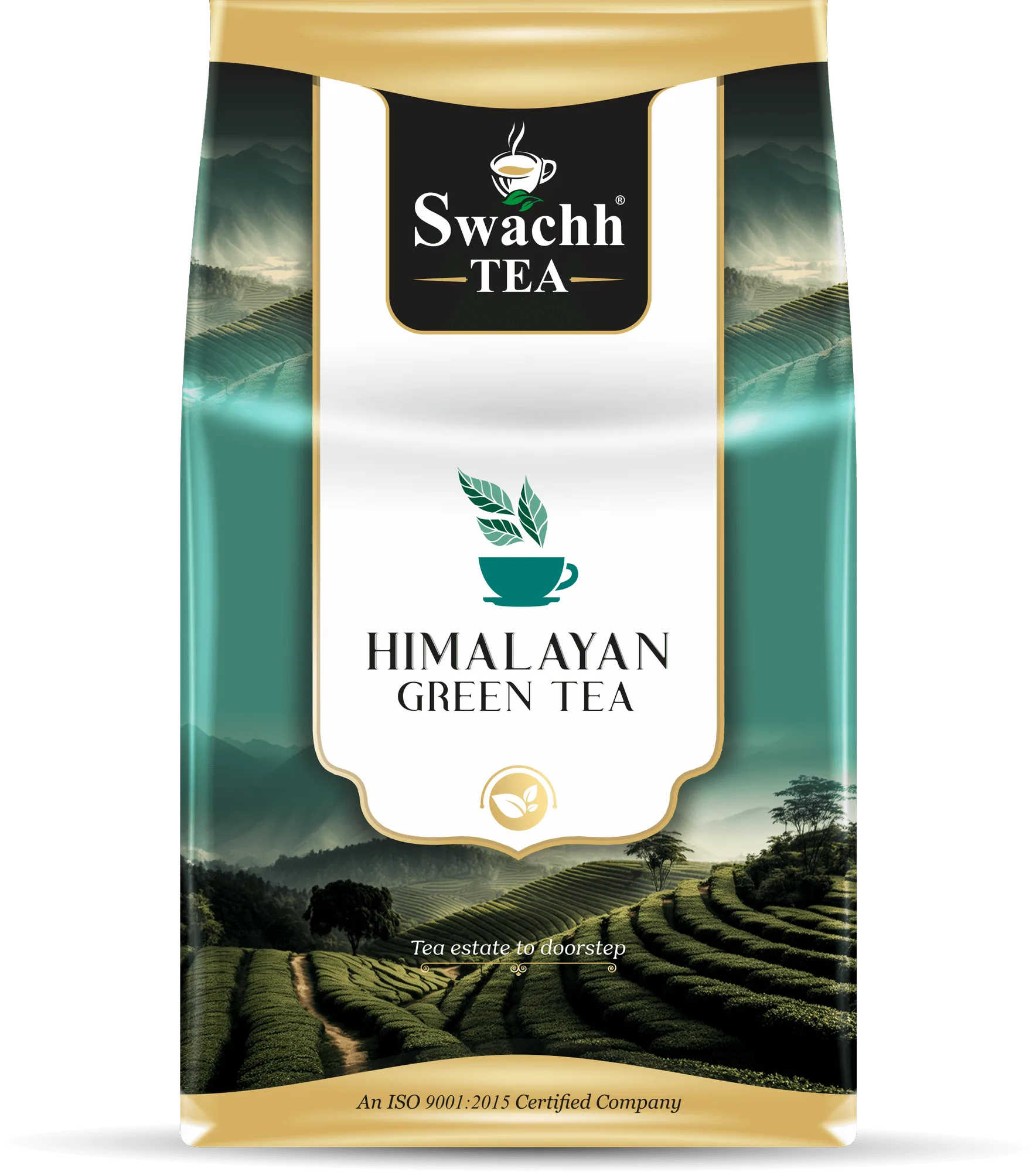
Swachh Tea offers several green tea blends that make brewing easier and more enjoyable. Ginger Green Tea pairs the earthy green tea with spicy dry ginger for a warming cup, while Mint Tulsi Green Tea combines green tea with tulsi (holy basil) and mint for a refreshing, soothing infusion. These blends are great if you find plain green tea too bitter or want extra flavor without adding sugar.
- Blue pea: steep 5-7 minutes, never bitter, great for iced tea.
- Green tea: use cooler water and shorter steeps; blends add flavor and forgiveness.
Trade-offs at a glance
- Caffeine trade-off: Blue pea is caffeine-free; green tea has a gentle lift. Choose blue pea for evenings or if you're sensitive; choose green tea for a morning or afternoon boost. Match the tea to the time of day.
- Flavor trade-off: Blue pea is mild and earthy; green tea is grassy and can be bitter if over-brewed. Flavored blends like Hibiscus or Ginger Green Tea soften the bitterness. If plain green tea is too harsh, try a blend.
- Health evidence trade-off: Green tea has extensive research on antioxidants and metabolism; blue pea has less but still offers anthocyanins. If you want proven benefits, green tea is the safer choice. Prioritize evidence if that matters to you.
Green tea blends worth trying
- Hibiscus Green Tea: Hibiscus Green Tea combines the antioxidant depth of green tea with the vivid colour and tangy notes of dried hibiscus. Served hot or cold, it makes an eye-catching café menu item—especially effective as a summer iced tea specialty. If you want a green tea that's also visually striking (like blue pea) and refreshing, this blend offers a ruby-red color and tart flavor—great for iced tea without needing blue pea.
- Ginger Green Tea: Our Ginger Green Tea combines the earthy goodness of green tea with the zesty kick of ginger, creating a soothing and revitalizing infusion. The spicy ginger adds warmth and a natural kick, making it a comforting choice for cooler days or when you want a caffeine boost with extra flavor.
- Mint Tulsi Green Tea: Our Mint Tulsi Green Tea combines the earthy goodness of green tea with the sacred tulsi (holy basil) leaves and the refreshing essence of mint. Tulsi and mint add a calming, aromatic layer—ideal for a caffeine-containing tea that still feels relaxing, a nice middle ground between blue pea and plain green tea.
Which should you choose?
Best for
- People who want a caffeine-free, calming tea for the evening or before bed.
- Those who enjoy visually stunning drinks and want a natural, color-changing tea for iced beverages.
Not for
- Anyone seeking a morning energy lift—blue pea won't provide it.
- Those who prefer a traditional tea taste with documented health research—green tea is a better fit.
Both blue pea flower tea and regular green tea have a place in a healthy routine. If you want a caffeine-free, colorful infusion that's perfect for relaxation and iced drinks, go with blue pea. If you want a well-studied antioxidant boost and a gentle energy lift, stick with green tea—and consider a flavored blend like Hibiscus or Ginger Green Tea to make the switch easier. Ultimately, the best tea is the one you'll enjoy drinking every day.