Quick answer
Choose the blue tang figure if you want a compact, colorful fish that adds motion and contrast to a coral-reef diorama. Choose the bottle nose dolphin figure if you need a larger, familiar marine mammal as a centerpiece for play or display. Both work as sea animal figures, but they solve different scene problems.
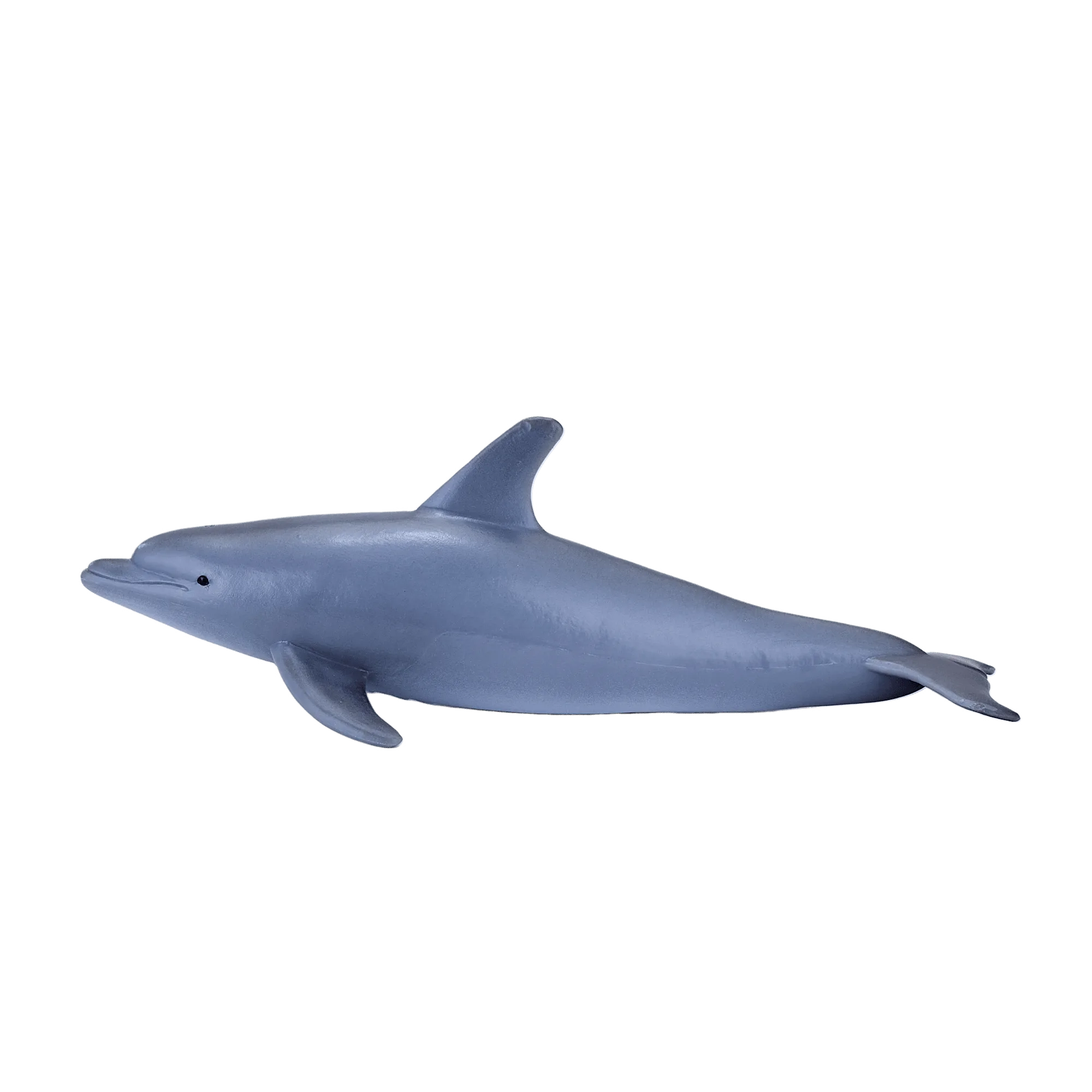
bottle nose dolphin
A blue tang and a bottle nose dolphin figure look like they belong in the same ocean scene, yet they ask different things of your shelf, your playroom, and your budget. One is a reef fish with a flat, side-to-side profile. The other is a marine mammal with a long body and a recognizable beak.
This comparison uses the facts available in the Mojo Fun USA catalog to explain where each figure fits. It also notes what the records do not say, so you can decide without guessing about size, material, or age range.
What each figure brings to an ocean scene
The blue tang is a reef fish, so it naturally sits close to coral, rock, or a cleaning station in a diorama. Its flat body reads well from the side, which makes it a strong choice for a shelf display where viewers see the scene straight on. In a play scene, it can dart between larger animals without taking up much room.
The bottle nose dolphin is a mammal, not a fish, and that difference shapes how you use it. Dolphins surface to breathe, so a figure works best near the top of a water scene or breaching above the surface. It also draws the eye as a centerpiece because of its size and familiar silhouette.
- Place the blue tang at mid-water or near coral for a natural reef look.
- Place the dolphin near the surface or above it to suggest breathing or jumping.
Scale, detail, and display trade-offs
The supplied catalog records do not list dimensions or scale for either figure, so you cannot compare them by exact measurements. That absence matters: if you are building a strict-scale diorama, request the measurements before you buy. If you are building a playful scene or a child's collection, relative size matters less than how the figures look together.
Detail is also not specified in the records. What the records do give you is behavior and anatomy. The blue tang's flat, reef-dwelling shape and the dolphin's mammal body are the reliable differences you can plan around. Use those traits to decide which figure anchors the scene and which one supports it.
- Ask for length and height if scale accuracy is essential.
- Use body shape, not assumed size, to plan the composition.
Play value and durability questions
Neither record states an age rating, material, or durability claim, so treat both figures as collectible models unless the product page says otherwise. That is a decision limitation, not a flaw. For gentle play, the dolphin's larger body may be easier for small hands to grip, while the blue tang's flatter shape can be harder to pick up from a smooth surface.
If the figures will live on a desk or shelf, both work well. If they will travel in a bag or bin, consider a small storage pouch and keep them away from heavy toys that could scratch the finish. The catalog facts do not confirm whether either figure is waterproof or painted with a specific finish.
- Check the product page for age and material details before buying for young children.
- Store flat fish figures separately to avoid bending or scratching.
How to combine them without a mismatched scene
A blue tang and a bottle nose dolphin can share a scene if you respect their habitats. Put the dolphin near the surface and the blue tang near the reef. That separation keeps the scene readable and avoids the common mistake of placing a reef fish at the same height as a surfacing mammal.
You can also use the pair to teach a simple ocean lesson: fish versus mammal, reef versus open water, gills versus lungs. The catalog facts for the blue tang and the dolphin do not include diet or range, so keep the lesson to the traits you can verify from the figures themselves.
- Use a two-level composition: surface for the dolphin, reef for the blue tang.
- Label the figures if the scene is for a classroom or homeschool shelf.
Trade-offs to weigh before you choose
- Scene role: The blue tang works as a supporting reef fish, while the bottle nose dolphin works as a surface-level centerpiece. Pick the role first, then the figure.
- Known versus unknown specs: The records give behavior and anatomy but not size, scale, material, or age rating for either figure. Confirm missing specs on the product page if they affect your decision.
- Play versus display: The dolphin's larger, familiar body suits gentle play and shelf display; the blue tang's flat shape suits detailed reef scenes. Match the figure to how it will be handled, not just how it looks.
Catalog facts behind the comparison
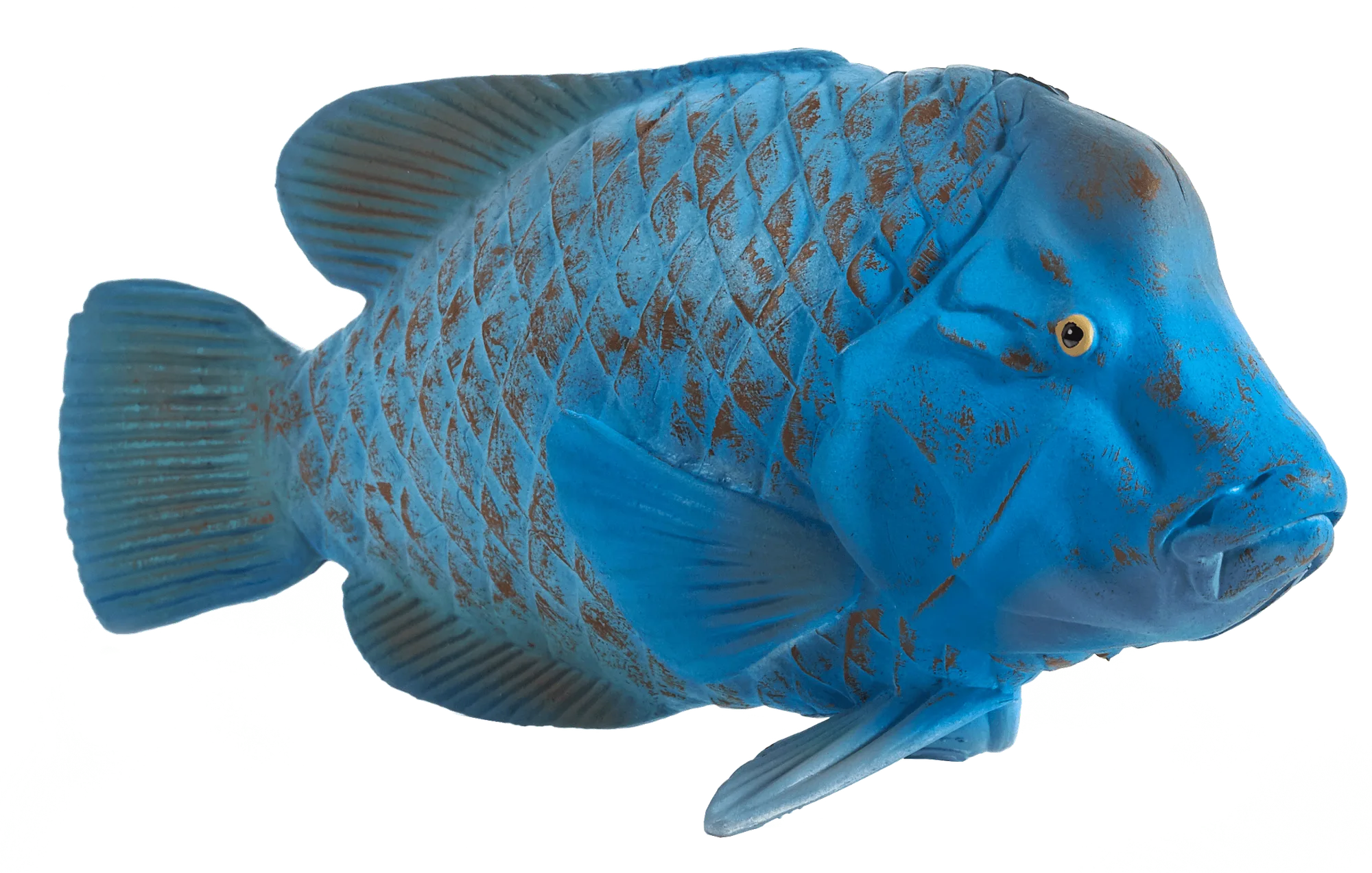
- Blue Groper: All blue gropers begin life as females, then go through an initial phase before developing adult colouring and reaching the terminal phase. If you want a reef fish figure with a life-cycle story, this one gives you a concrete fact to build a lesson or diorama label around.
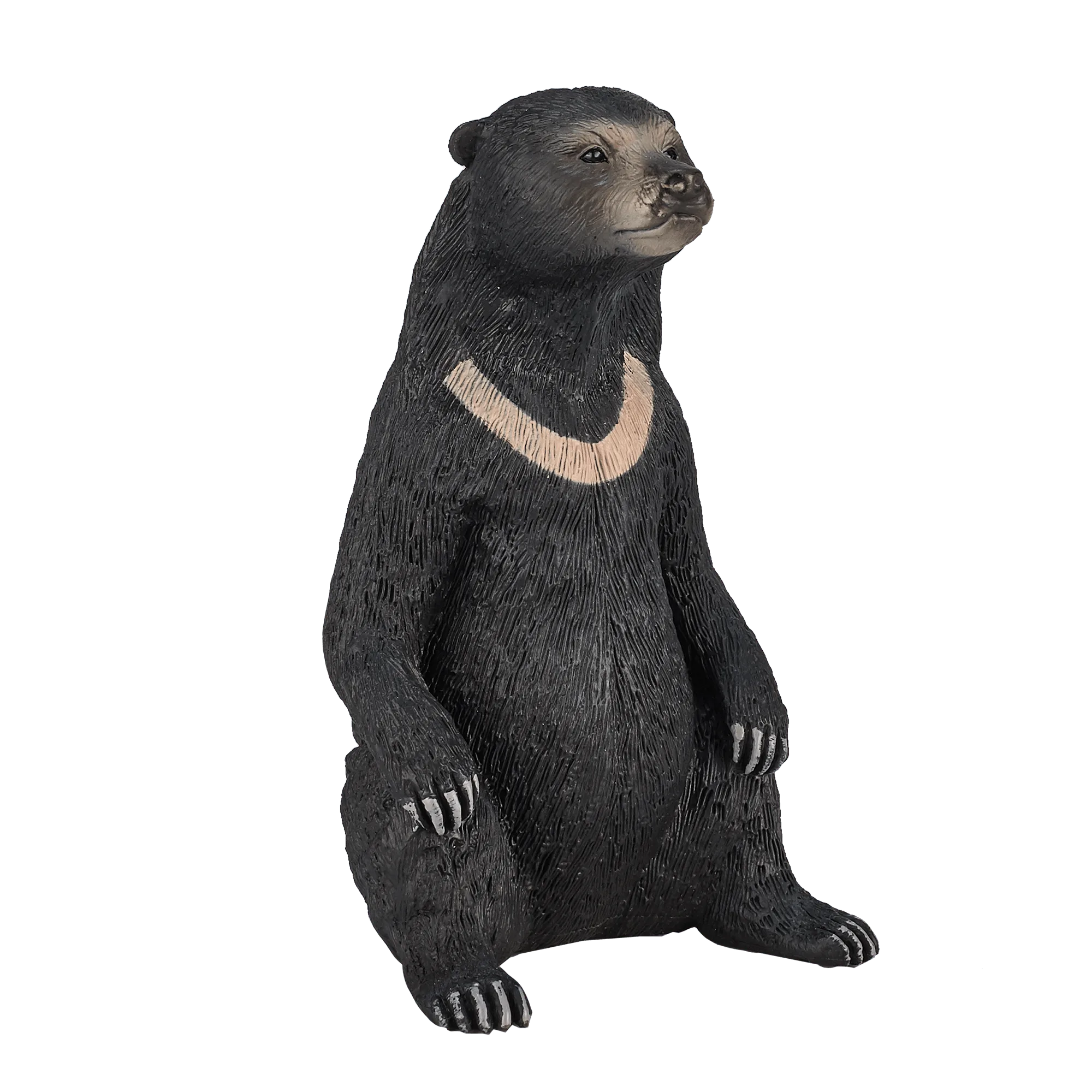
- Sun Bear: Unlike a number of the other eight bear species around the world, the Sun Bear does not hibernate. A useful contrast if your ocean scene grows into a broader animal collection: not every mammal follows the same seasonal pattern.
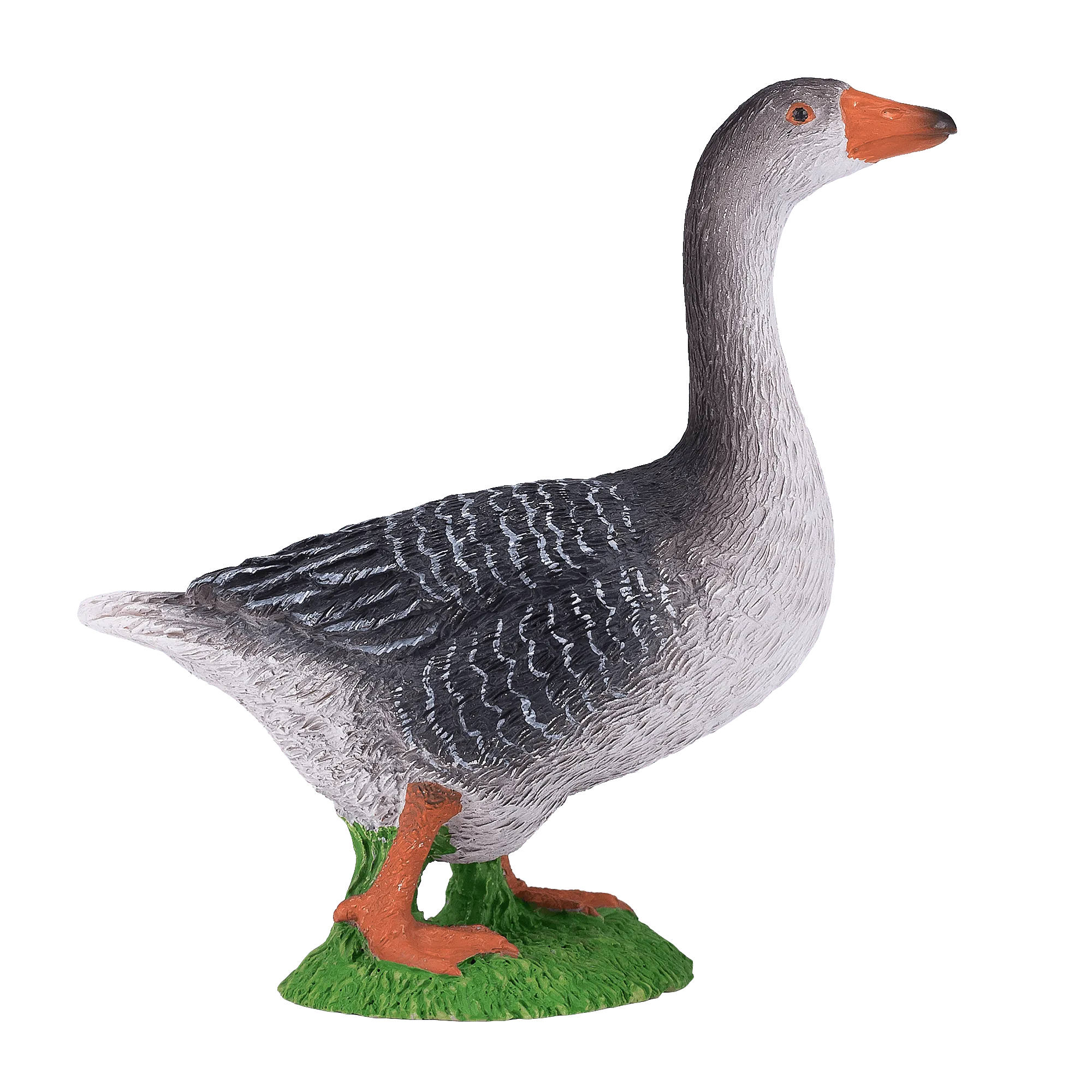
- goose-white-21ddb6b0e147367889e67b5f-1558935">Goose White: This ultra-realistic toy figure is designed as a lifelike addition to a collection. Shows the catalog's general approach to realism, which helps you set expectations for finish and detail on other figures.
Which figure fits your plan
Best for
- Building a coral-reef diorama that needs a colorful, compact fish
- Adding a recognizable marine mammal as a play or display centerpiece
- Teaching a simple fish-versus-mammal comparison in a homeschool or classroom setting
Not for
- Buyers who need exact scale or dimensions confirmed before purchase
- Children who still mouth toys, unless the product page confirms a suitable age rating
- Anyone expecting a waterproof or outdoor-rated figure without checking the listing
Choose the blue tang for reef detail and the bottle nose dolphin for a surface-level focal point. If you want both, place the dolphin high and the blue tang low, and confirm any missing size or age details on the product page before you buy.