Quick answer
Look for sturdy construction, rounded corners, and high-contrast illustrations. Choose a book that matches your baby's age and interests, and consider interactive elements that encourage participation.
Why board books are a smart first choice
Board books are built with thick, durable pages that can withstand chewing, drooling, and enthusiastic page-turning. Their sturdy construction makes them a safe and long-lasting option for babies and toddlers who are still exploring the world with their mouths and hands.
The best board books also engage little ones with bold colors, simple stories, and sometimes interactive elements. They help build early language skills, introduce concepts like colors or emotions, and create a positive association with reading from the very beginning.
Safety and durability: what to check first
Before you focus on content, make sure the book is physically safe for your baby. Look for rounded or padded corners to prevent injury during inevitable drops and tosses. The pages should be thick enough that they won't tear easily, and the binding should be secure so pages don't come loose.
Also check that the book is free from small parts that could become choking hazards. Most board books from reputable publishers meet these standards, but it's always worth a quick inspection.
Engagement matters more than reading level
At this age, the goal isn't to teach reading—it's to spark curiosity and joy. A book that invites your baby to point, touch, or mimic actions will hold their attention far longer than one that simply tells a story. Look for books with high-contrast illustrations, simple repetitive text, and opportunities for interaction.
For example, a book that asks your child to wiggle along with a character or identify a familiar object like a watermelon slice turns reading into a shared game. That kind of engagement builds vocabulary and social connection at the same time.
How to choose a board book: decision rules
- Check the build quality first: Pick a book with thick, rigid pages and a secure binding. Rounded corners are a must for babies under 12 months. Avoid books with thin pages that can tear or small flaps that might come off.
- Match the content to your baby's interests: If your baby loves bright colors, choose a book focused on color recognition. If they respond to silly sounds and movement, go for an interactive or rhyming story. The more the book reflects what your baby already enjoys, the longer they'll stay engaged.
- Look for interactive or sensory hooks: Books that encourage pointing, clapping, wiggling, or repeating sounds offer more than just a story. They turn reading into a two-way activity that builds language and social skills. If your baby is easily distracted, an interactive board book can help refocus their attention on the shared experience.
- Consider the price and longevity: Board books can range from under $5 to over $15. A more affordable option is fine for a first book, but a slightly pricier one with richer illustrations or a beloved character may be worth it if your child will revisit it often.
Board books that fit the bill
-
Penguin Random House LLC - The Colors of Summer Board Book: The Colors of Summer board book uses bright, seasonal illustrations to introduce babies to color recognition and seasonal changes. High-contrast images of familiar objects like a yellow sun or a red watermelon make it easy for your baby to connect words with real-world sights.
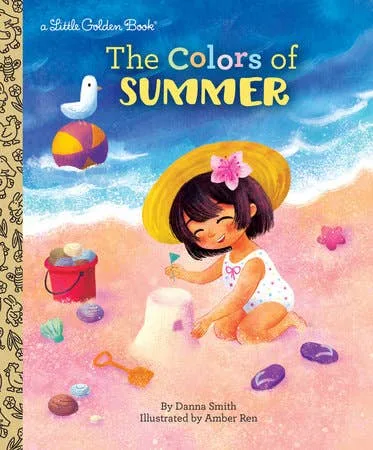
Penguin Random House LLC - The Colors of Summer Board Book
-
Penguin Random House LLC - Unicorn's Wobbly Bottom: Unicorn's Wobbly Bottom is an interactive board book that invites infants and toddlers to copy the unicorn's wobbly dance moves. The physical participation turns storytime into a playful activity that builds motor skills and keeps even the wiggliest reader engaged.
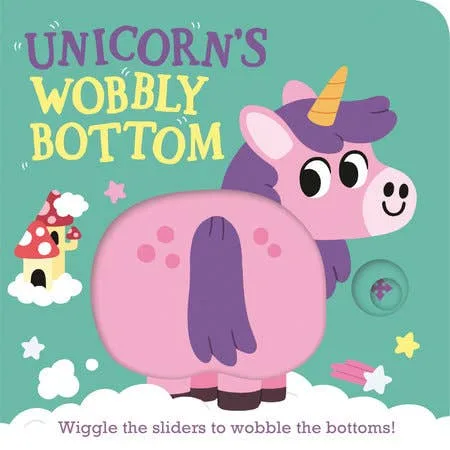
Penguin Random House LLC - Unicorn's Wobbly Bottom
Which board book is right for your baby?
Best for
- Babies 6–18 months who are just discovering the joy of books and need a durable, engaging first title
- Parents who want a book that encourages interaction and builds early vocabulary through sensory play
Not for
- Older toddlers (24+ months) who are ready for longer stories with more complex plots
- Parents who prefer soft cloth or fabric books for the newborn stage