Quick answer
Buy a component upgrade only when it fixes a specific friction you already feel during play. For most collections, the highest-value first purchases are a neoprene playmat for a game you play often and card sleeves for the decks that get shuffled most. Promo cards and cosmetic extras come later, once the practical upgrades are in place.
Component upgrades are easy to buy on impulse and hard to buy well. The question is not whether a playmat or a pack of sleeves looks nicer than what came in the box, but whether it removes a real annoyance at the table. If you cannot name the annoyance, you probably do not need the upgrade yet.
This board game upgrade guide walks through the categories you are most likely to consider, explains what each one actually changes about play, and gives decision rules you can apply before you check out. It focuses on upgrades that change how a game feels in your hands, not on collecting for its own sake.
Start with the upgrade that touches the table most
A playmat is the upgrade most players notice immediately because it changes the surface every component sits on. Cards pick up more cleanly, dice stop sliding, and the table edge stops eating your pieces. If you play the same game weekly, a mat for that game usually earns its place before any other accessory.
The tradeoff is storage and cost. Mats are bulky, they do not fold flat like a board, and they often ship separately because of their size. If your shelf space is tight or you rotate through a dozen games a month, a single mat may sit unused more often than you expect.
- Buy a mat for the one game that hits your table most often, not for every game you own.
- Measure your table before ordering; oversized mats can crowd player areas.
Sleeves: buy for the decks you actually shuffle
Sleeves protect cards, but their real value is shuffle feel and consistent wear. A sleeved deck shuffles more evenly and hides the difference between a heavily played card and a fresh one. That matters most in games where card backs are hidden information or where a marked card could change the outcome.
You do not need to sleeve everything. Sleeve the decks that get shuffled every session, and leave the ones that sit on the table untouched. Buying sleeves for a whole collection at once is the most common way people overspend on this category.
- Check the sleeve dimensions against your card sizes before buying; a mismatched sleeve is worse than no sleeve.
- Buy one pack first, sleeve a single deck, and shuffle it for a week before committing to the rest.
Promo cards and small extras: the last upgrade, not the first
Promo cards add variety, but they rarely fix a problem. They are best treated as a finishing touch for a game you already love and already play often. If a promo pack costs less than a coffee, it can be a low-risk way to refresh a familiar deck, but it should not be your first upgrade purchase.
The same logic applies to cosmetic extras. A new token or a themed card back changes how a game looks, not how it plays. That is a legitimate reason to buy, as long as you are honest that you are buying for the look rather than for a mechanical improvement.
- Only buy promos for games you have played enough to know you will keep.
- Check whether a promo is already included in a larger bundle before buying it separately.
How to judge whether a component upgrade is worth it
Run every potential upgrade through three questions. Does it solve a problem you have actually experienced? Will you use it at least monthly? Does it cost less than replacing the game itself? Two yeses is usually enough to buy; one or zero means you should wait.
It also helps to separate upgrades that protect your investment from upgrades that improve your experience. Sleeves and mats protect cards and components, so their value compounds over years of play. Promo cards and cosmetic pieces improve a single session. Both are fine, but they should not compete for the same budget line.
- If you cannot describe the problem the upgrade solves in one sentence, skip it for now.
- Prioritize protection upgrades for out-of-print or hard-to-replace games.
Decision rules for buying component upgrades
- If you play one game weekly: Buy a playmat for that specific game before anything else. A mat changes the surface you touch every turn, which is the most consistent improvement per dollar. One mat for your most-played game beats three mats for games you rarely open.
- If your cards are showing wear: Sleeve the decks that get shuffled most, and buy one pack first to confirm the fit. Sleeves protect hidden information and keep shuffle feel consistent over years of play. Sleeve the shuffled decks only; leave the static cards bare.
- If you are buying for variety, not protection: Promo cards and cosmetic extras are fine purchases, but only for games you already know you will keep. Check whether the promo is already included in a larger bundle first. Buy promos last, and only for games you have played enough to love.
Component upgrades worth knowing
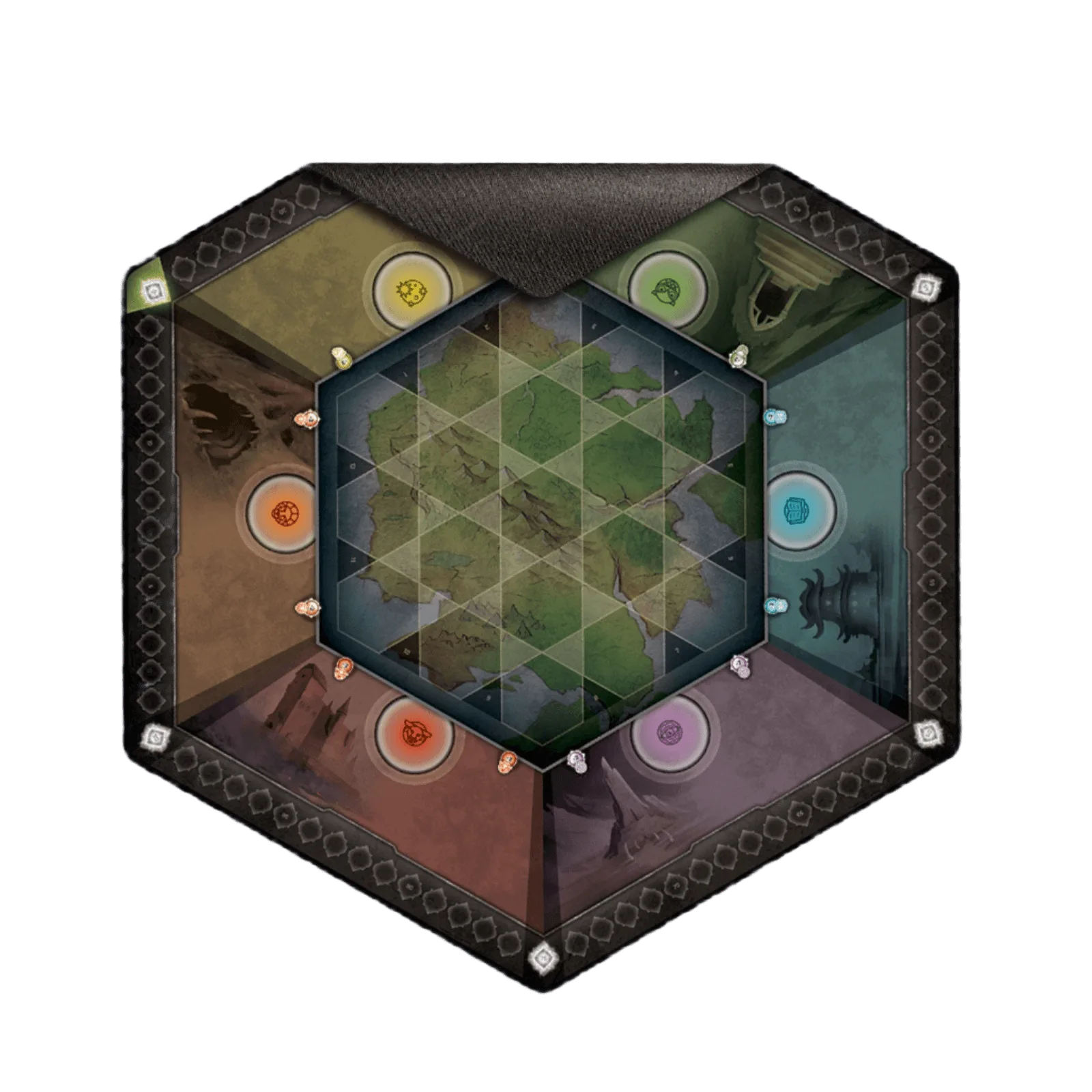
- Vindication® Neoprene Playmat: This thick, stitched-edge playmat can replace the Vindication® Hexagonal game board. Vindication® Base Game is required for play, and because of its unique shape and size it may ship separately with rates calculated accordingly. If you already play Vindication® regularly, this replaces the board with a surface that lies flat and keeps components in place. The separate shipping is a real cost consideration, so factor it in before ordering.
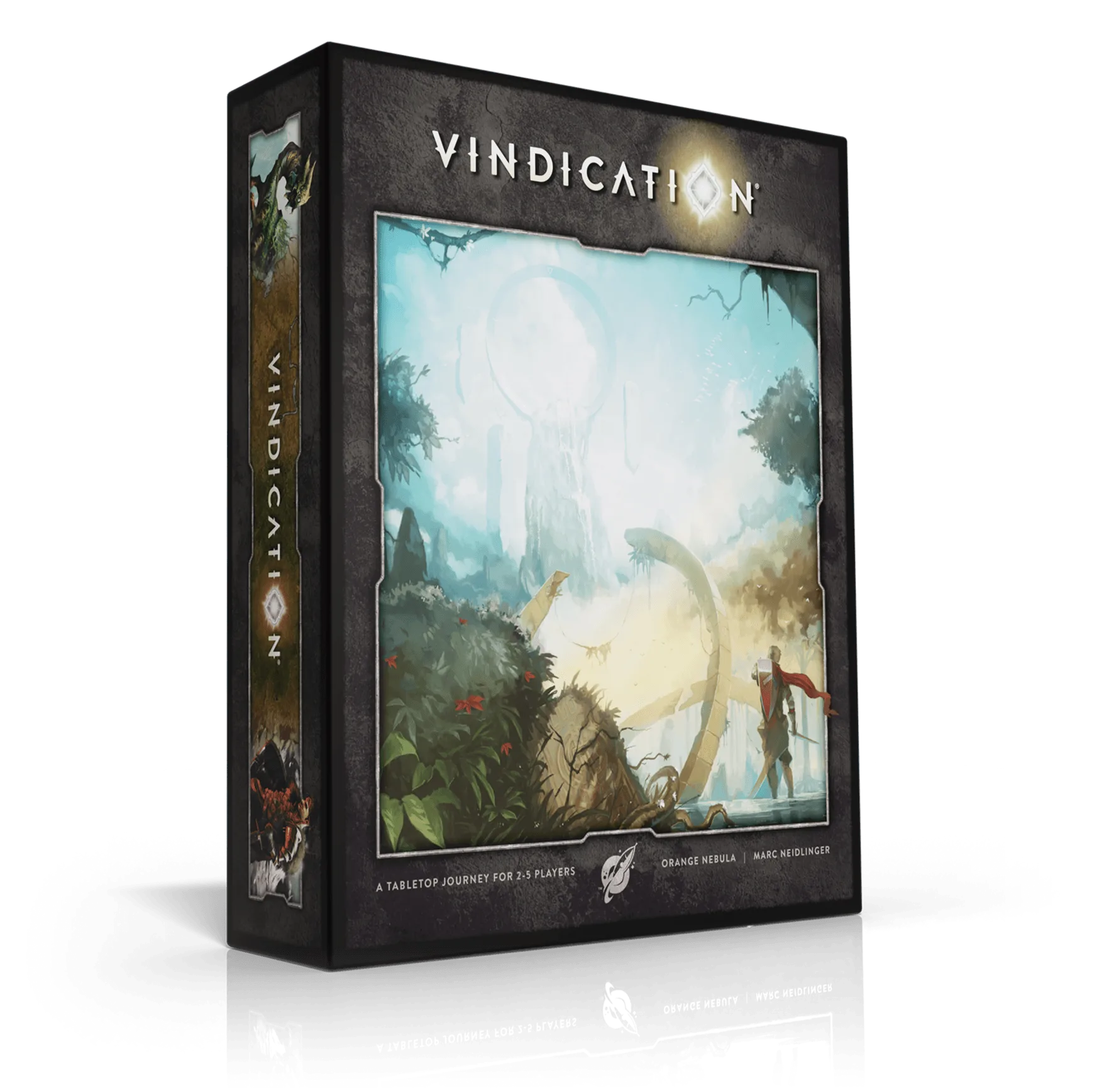
Vindication® Base Game
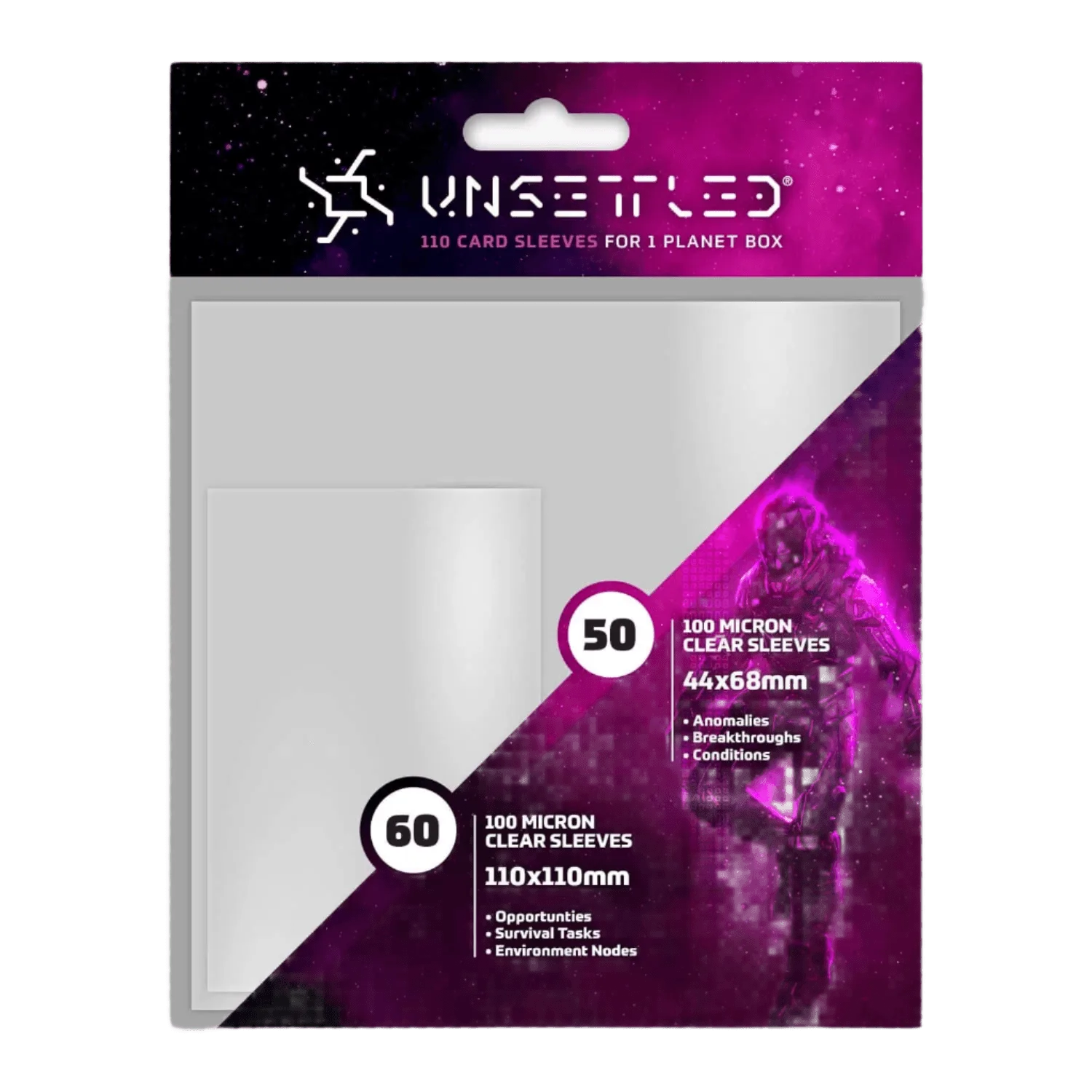
- Unsettled® Sleeves: Each pack contains enough sleeves for one planet plus extras: 60 sleeves at 110x110mm for Opportunities, Survival Tasks, and Environmental Nodes, and 50 sleeves at 44x68mm for Anomalies, Breakthroughs, and Conditions. They are crystal clear at 100 micron thickness. Because the pack is sized to one planet, you can sleeve only the content you are currently playing instead of buying sleeves for the entire game at once. That makes it a low-commitment way to test whether sleeving changes your experience.
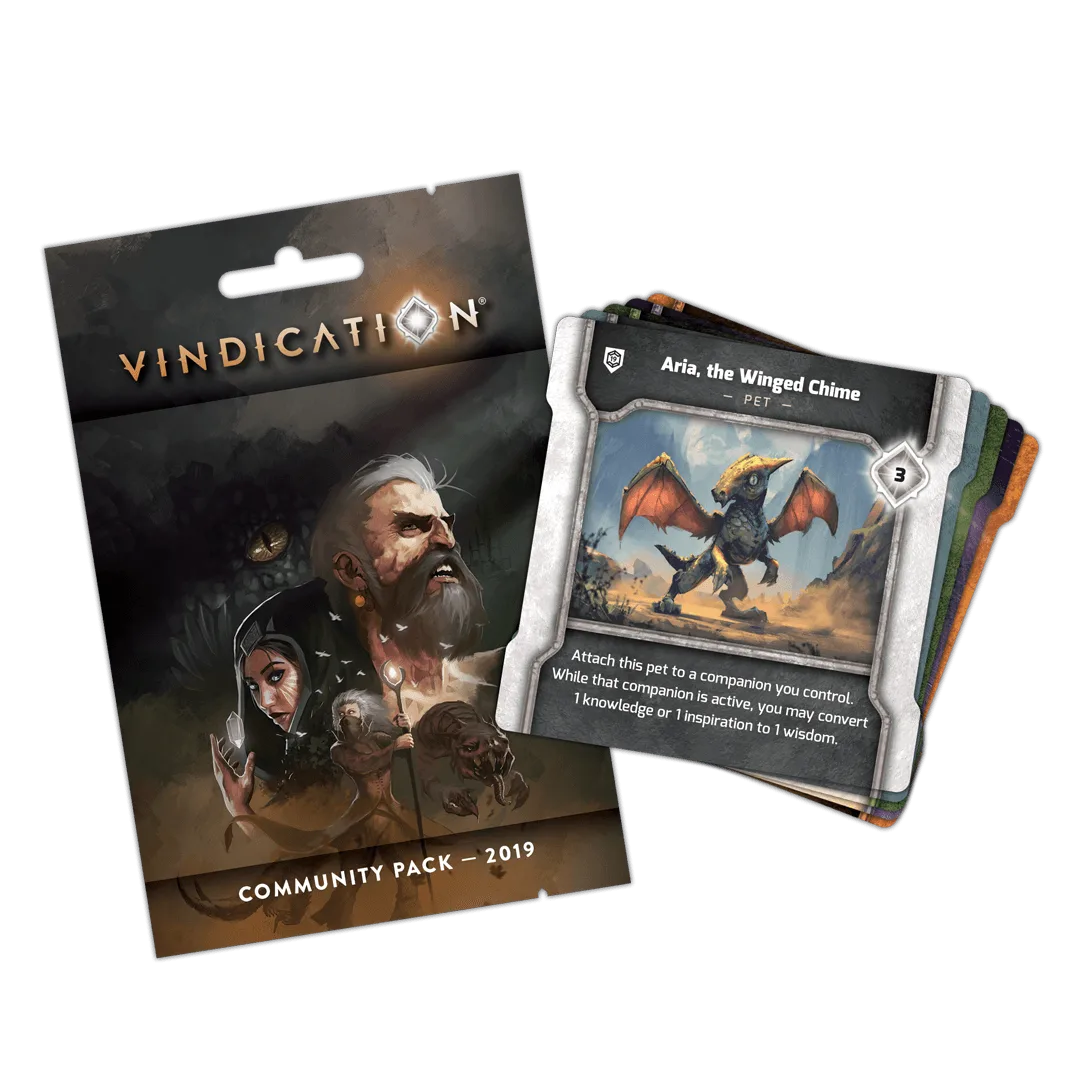
- Vindication® Community Card Pack (2019): This pack adds 12 new cards inspired by concepts from the Vindication® community, originally released as part of the Leaders & Alliances Kickstarter in 2019. Vindication® Base Game is required for play. This is a variety upgrade rather than a protection upgrade. It makes sense once you have played the base game enough to want new card interactions, and it is also included in the fully loaded Archive of the Ancients.
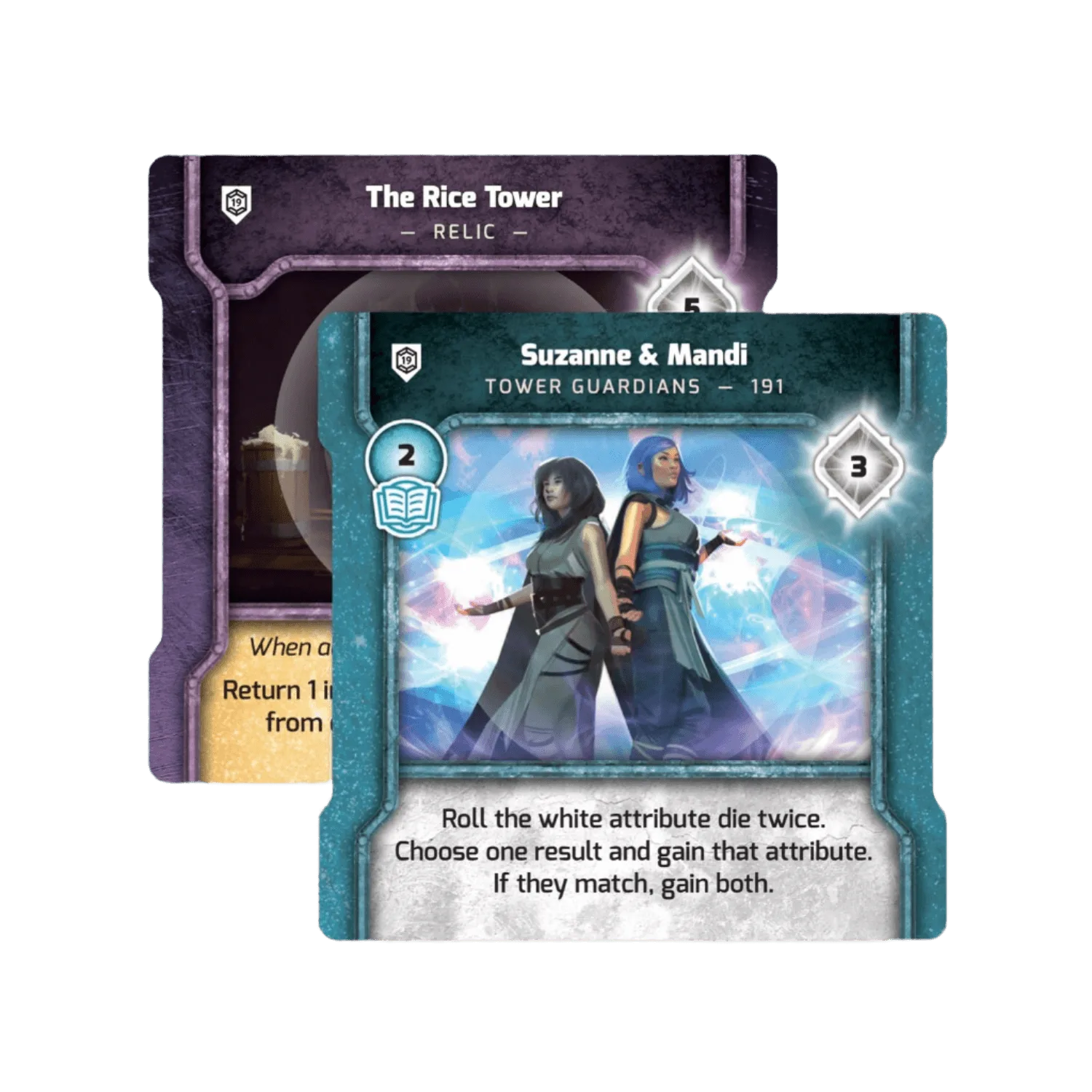
- Vindication® Dice Tower Promo Pair (2019): Two Vindication promo cards based on Dice Tower, originally available as part of the Dice Tower Kickstarter. This is part of an ongoing promo pair series developed in support of the gaming media community, and it is included in the fully loaded Archive of the Ancients. A small, low-cost addition for players who already enjoy Vindication® and want a couple of extra cards. If you own the Archive of the Ancients, check before buying because it is already included there.
Who should buy component upgrades
Best for
- Players who own a small number of games and play them often enough to notice table friction
- Groups that want to protect out-of-print or hard-to-replace cards from wear
Not for
- Collectors who rotate through many games and rarely replay the same title
- Players looking for a rules change or a new game experience rather than a component improvement
Component upgrades pay off when they solve a problem you already have. Start with the game you play most, fix the surface or the shuffled decks, and add promos only once the practical upgrades are in place. That order keeps your spending aligned with how you actually play.