Quick Answer
When choosing a board game expansion, focus on how it changes the core rules, whether it adds meaningful variety, and if it fits your group's size and play style. Check component quality and price, and read the rulebook preview to avoid surprises.
Expansions can breathe new life into a game you love, but not every expansion is worth your shelf space. Some add game-changing mechanics; others just pile on more of the same. Before you hit buy, use this practical checklist to weigh the real value of an expansion pack.
This guide breaks down the key factors—rule changes, player count, component quality, and price—so you can decide with confidence. We'll also show you how to apply these criteria to real expansions from IV Studio.
1. How It Changes the Core Rules
The best expansions introduce new mechanics that deepen the base game without overwhelming it. Ask: Does it add new actions, resources, or win conditions? Or does it just add more of the same? Look for expansions that offer a fresh twist, like new scoring paths or a new way to interact with other players.
For example, the https://ivstudiosed.com/products/veiled-fate-tribunal-expansion-3421bac5491121568bd90850-1121578Veiled Fate: Tribunal Expansion adds three separate modules that transform the deduction gameplay, including role cards that give one player a unique win condition. That's a significant change. In contrast, a simple card pack that adds more of the same might not be worth the money.
- Check if the expansion introduces new mechanics or just extends the base game.
- Read the rulebook preview to see how much new rules overhead is added.
2. Player Count and Group Fit
Consider who you play with most. Does the expansion support your typical group size? Some expansions increase the player count, but they might also slow down the game or make it less interactive. Others are designed for smaller groups and might not shine with five players.
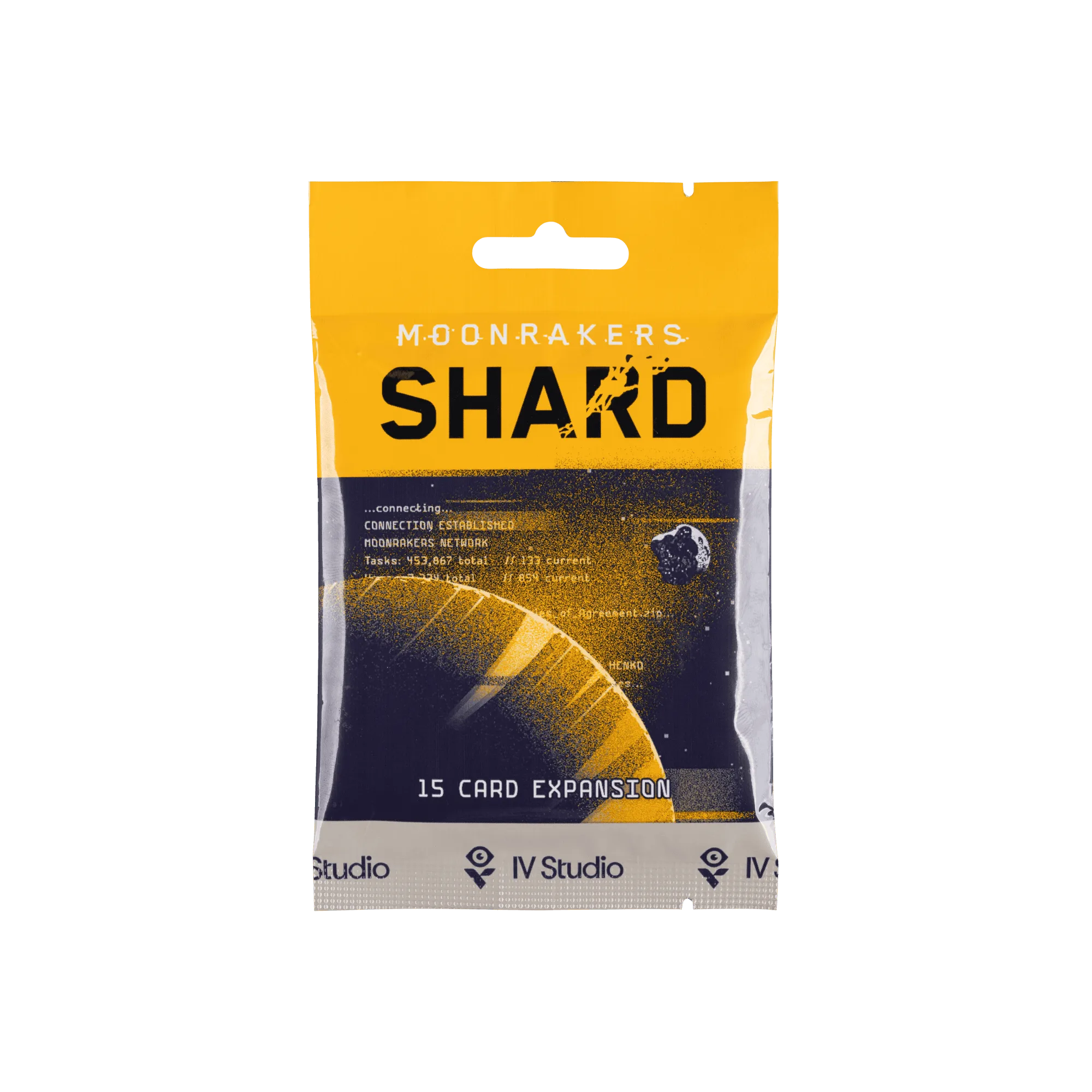
For instance, Veiled Fate: Tribunal Expansion raises the player count from 8 to 9, which is great for larger gatherings. On the other hand, Moonrakers: Nomad Expansion is designed for the base game's player count (2-5) and doesn't change it, but it adds a navigation board that lets players travel to contracts that suit their ship—a nice fit for groups that enjoy asymmetric strategies.

Moonrakers: Nomad Expansion
- Match the expansion's player count to your usual group size.
- Think about play time: some expansions add significant length.
3. Component Quality and Art Consistency
Expansions should feel like a seamless part of the base game. Check if the components match the original quality—cardstock, token material, and art style. Poorly produced expansions can stick out like a sore thumb and reduce the game's immersive feel.
Look for expansions that use similar materials and artwork. For example, the Mythic Mischief Layout Cards are designed to be used with the existing game's walls and clutter, so they're a practical add-on that doesn't introduce mismatched components. If an expansion uses thinner cards or cheap tokens, it might not be worth the price.
- Compare component quality with the base game before buying.
- Check if the art style matches the original game.
4. Replayability and Variety
A good expansion should increase replayability by offering new combinations or variable setups. Does it add new cards that mix with the base deck? Does it include modules that can be swapped in and out? More variety means more reasons to return to the game.
For example, Veiled Fate: Providence Micro-expansion adds 30 new fate cards with new abilities and some with dual-alignment, giving you more options each game. That's a low-cost way to boost replayability. On the other hand, an expansion that adds only a few new options might not be enough to justify the purchase.
- Look for expansions that add modular content or variable setups.
- Consider how many plays you'll get before the novelty wears off.
5. Price and Value
Finally, evaluate the price against the content. A micro-expansion that costs $5 but adds 30 cards can be a great value, while a $30 expansion that adds only a few components might not be. Check the price per component or per added play session.
Also, consider the original game's price. If the expansion costs half as much as the base game, it should offer a comparable amount of content. For example, Moonrakers: Nomad Expansion is priced at $20, which is reasonable for a full expansion that reinvents the contract system. In contrast, a simple layout card pack at $5 is a quick, cheap add-on.
- Calculate the cost per new component or module.
- Compare the expansion's price to the base game's price.
Your Expansion Decision Rules
- Rule Change Rule: If the expansion adds new mechanics or win conditions, it's more likely to refresh the game. If it just adds more of the same, it might not be worth it. Look for expansions that introduce new decisions, not just more components.
- Player Count Rule: Check if the expansion supports your typical group size. If it increases the player count, make sure the game still plays well with that many. If you play with 5 players, an expansion that only adds content for 2-4 might not be a good fit.
- Component Quality Rule: Compare the expansion's components with the base game. If they don't match in quality or art style, it might affect your enjoyment. When in doubt, look for expansions from the same publisher or that use similar materials.
- Replayability Rule: Does the expansion offer modular content or variable setups? If you can mix and match, you'll get more value. Choose expansions that add variety without adding too much setup time.
- Price Value Rule: Evaluate the price per component or per added play session. Micro-expansions can be great value if they add meaningful content. A $5 micro-expansion that adds 30 cards might be a better deal than a $30 expansion with only a few new pieces.
Real Expansion Examples
- Veiled Fate: Tribunal Expansion: Tribunal introduces three powerful expansions (in a single boxed collection) that each transform the core deduction gameplay of Veiled Fate. Bonus: you can play the game with up to 9 players using Tribunal! (up from 8) Celestials adds seven dramatic role cards, giving one player a unique win condition that reshapes the table, while also supporting games with up to nine players. Servants brings three roaming... This expansion offers modular content and significant rule changes, making it ideal for groups that want to customize their experience and play with up to 9 players.
- Moonrakers: Nomad Expansion: Nomad reinvents the contract system for Moonrakers to ensure players can always find contracts that suit their ship. Through the introduction of a navigation board, players can travel around the galaxy to sectors that have contracts aligned with their abilities. Nomad also introduces global events to the game, which can have isolated effects or change entire rules. It's an expansion that has the capability to make... This expansion adds a new navigation board and global events, providing fresh strategic depth and variety for groups that enjoy evolving gameplay.
- Veiled Fate: Providence Micro-expansion: Adds 30 more fate cards, featuring new abilities and some with dual-alignment (both scorpions and feathers to choose from). A low-cost way to increase replayability by adding more card combinations and strategic choices to each game.
- Mythic Mischief Layout Cards: Tired of flipping in the rulebook to find the layout page or your friend making ridiculously bad wall designs? This card pack is for you! Includes 20 layouts of walls and clutter to use with either Vol. I or Vol. II. This is a practical accessory that saves time and ensures fair and balanced layouts, perfect for players who want to streamline setup and avoid disputes.
Is an Expansion Right for You?
Best for
- Groups that have played the base game many times and want a fresh challenge.
- Players who enjoy modular content that can be added or removed to change the experience.
Not for
- Those who are new to the base game and haven't mastered the core mechanics yet.
- Players who prefer a streamlined experience and don't want extra rules overhead.
Use this checklist to evaluate any expansion before you buy. Focus on how it changes the rules, whether it fits your group, and if it offers real value for the price. With these criteria, you'll choose expansions that enhance your favorite games without cluttering your shelf.