Quick answer
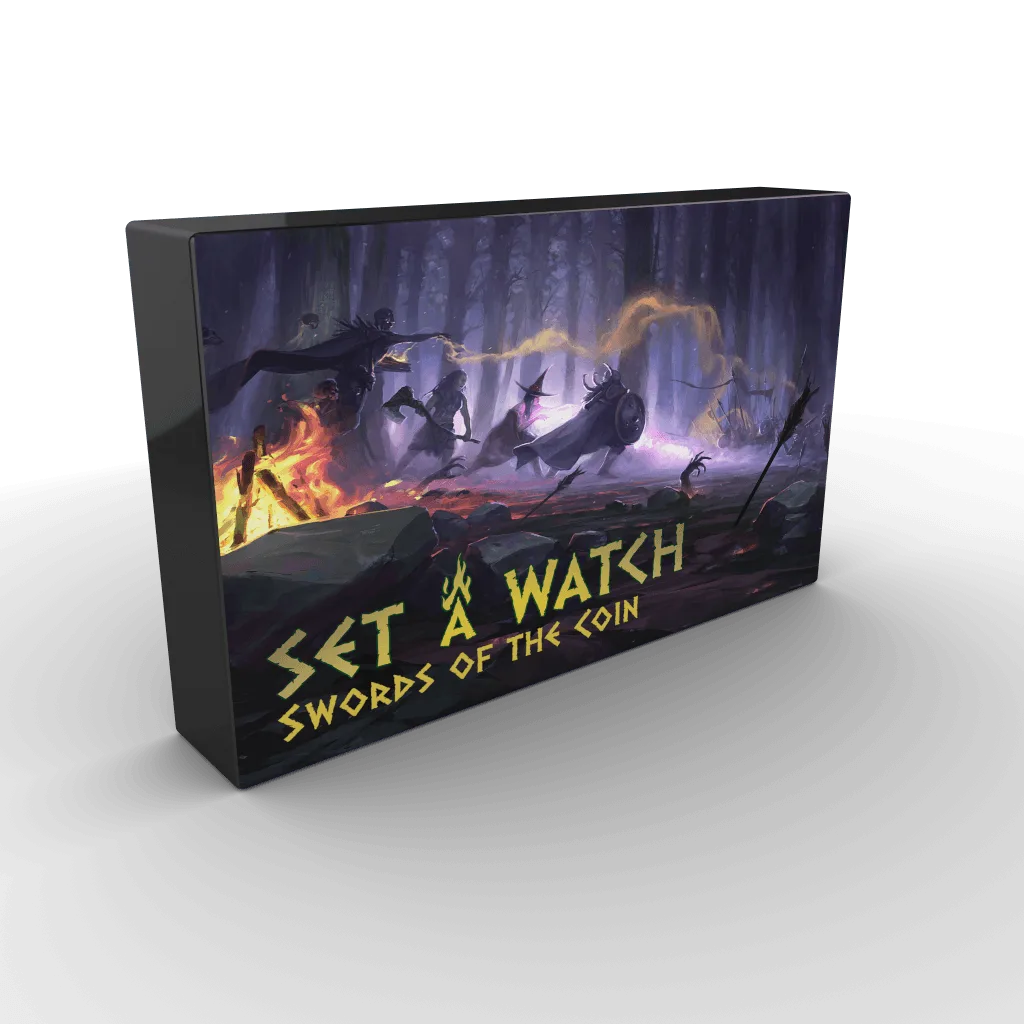
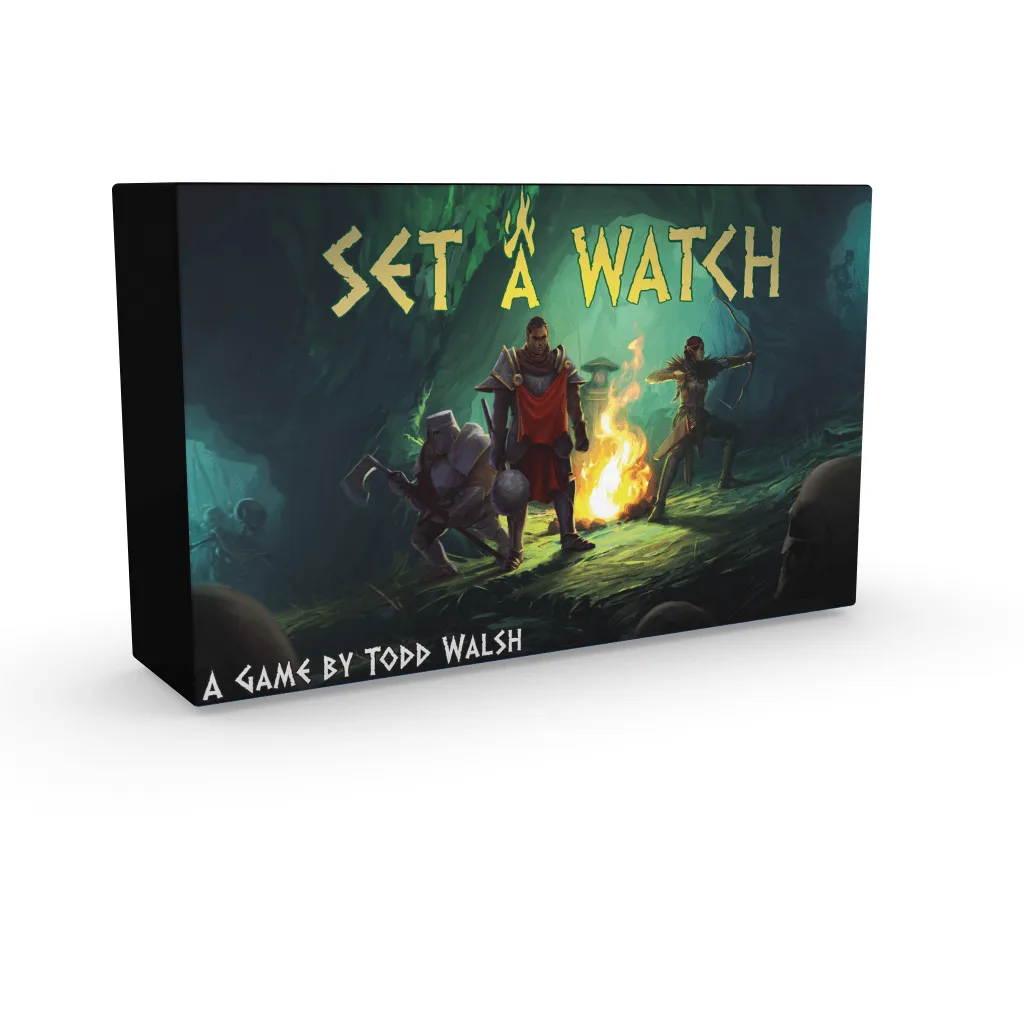
Check three things before buying any expansion: whether it requires a base game you own, whether it plays at your group's player count, and whether it changes the setup or rules enough that your table will actually use it. If a product page doesn't state a requirement, treat that as unknown rather than assuming it's compatible. Standalone expansions like https://rockmanorgamesdz.com/products/set-a-watch-swords-of-the-coin-e16ad370c1b18d94fab81574-1730833Set a Watch: Swords of the Coin can be played on their own; add-on expansions like Maximum Apocalypse: Kaiju Rising cannot.
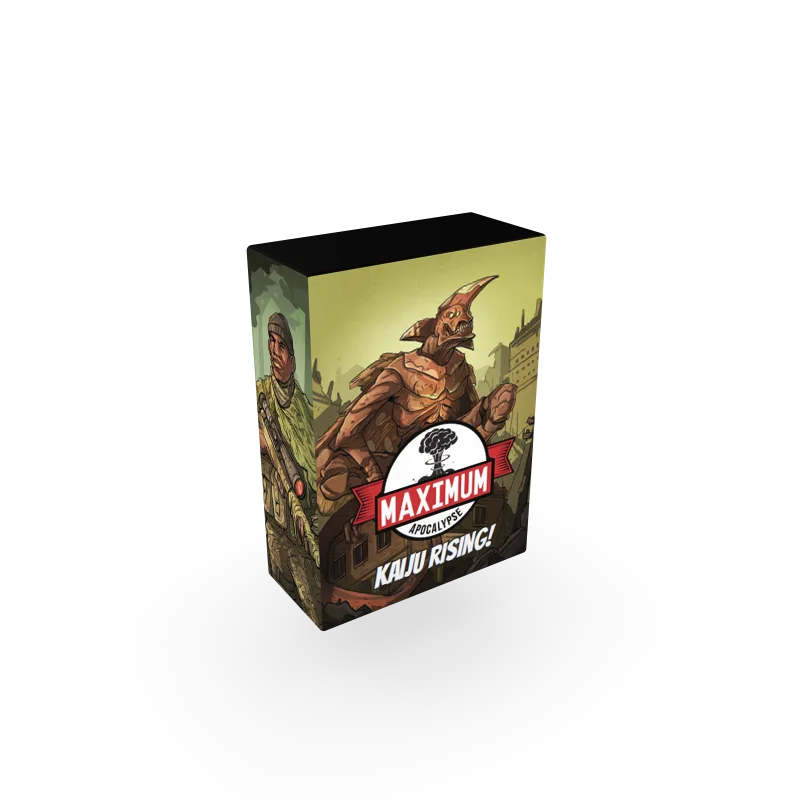
Maximum Apocalypse: Kaiju Rising
Expansion listings are often written for players who already know the base game, which leaves new buyers guessing about what's actually in the box and what they need on the shelf first. The questions below cover the compatibility checks that matter most before you spend money.
Each answer stands on its own, so you can jump to the one that matches your situation. Where a product page doesn't list a requirement, that's a gap to verify with the publisher rather than a signal that anything goes.
Does this expansion need a base game I already own?
Most expansions are add-ons: they assume you own the core box and supply only new cards, characters, scenarios, or boards. If you don't own the base game, the expansion alone usually can't be played. Check the product page for phrases like "requires the base game" or "expansion for." If nothing is stated, look at the publisher's own listing or rulebook PDF before buying.
Some products are deliberately standalone. Set a Watch: Swords of the Coin is described as a stand-alone expansion, which means it can be played without the original while remaining fully compatible with it. That's a meaningful distinction: a standalone expansion is a valid entry point, while a pure add-on is not.
- Search the product page for the words "requires" and "base game" before adding to cart.
- If the listing is silent, check the publisher's rulebook download rather than guessing.
What's the difference between a standalone expansion and an add-on?
A standalone expansion contains everything needed to play on its own, and it can usually be mixed with the original game's content. An add-on expansion assumes the base game and adds to it. The practical difference is who can buy it: a standalone works for a new player, while an add-on only makes sense for someone who already owns the core box.
Set a Watch: Swords of the Coin sits in the standalone category, and its content can be mixed with the original game's creatures, locations, and characters. Maximum Apocalypse: Kaiju Rising sits in the add-on category: it adds two survivor characters and a new Kaiju apocalypse deck, which only matters if you already have a Maximum Apocalypse core set to play them with.
- Standalone: playable alone, and usually mixable with the original.
- Add-on: requires the core box; skip it if you don't own that box.
How do I check compatibility when the product page is vague?
Start with the box's own wording, then work outward. Publisher product pages, rulebook PDFs, and the game's board game database entry usually list requirements more precisely than a retail listing. If a listing names a required base game, match that exact edition or printing, because revised editions sometimes change card backs or component counts.
When a specification simply isn't supplied, treat it as a decision limitation rather than a green light. Ask the retailer or publisher directly: "Does this require the base game, and which edition?" A one-line answer resolves most compatibility doubts before you order.
- Rulebook PDFs are the most reliable source for requirements.
- Match the exact edition or printing named in the requirement.
Will it work with my player count?
Expansions frequently shift the supported player count, sometimes widening it and sometimes narrowing it to a specific mode. Check the expansion's own player count rather than the base game's, because the two can differ. If your group is usually two players, an expansion that only adds content for larger counts may sit unplayed.
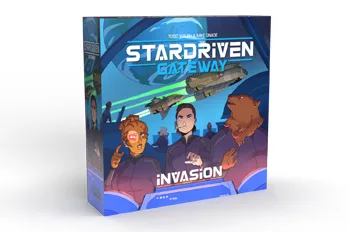
As an example, https://rockmanorgamesdz.com/products/stardriven-gateway-invasion-ink-wash-upgrade-00e9b29d111653c443da1638-1730805StarDriven: Gateway - Invasion INK-WASH Upgrade adds three cooperative scenarios for 1-4 players, with adjustable difficulties. That's a clear, stated range you can compare against your table. If a listing doesn't state a player count for the expansion itself, ask before assuming it inherits the base game's range.
- Compare the expansion's stated player count to your usual group size.
- Cooperative and solo modes are often added separately from competitive play.
Do expansions change the rules enough to relearn the game?
Some expansions bolt on a new deck or character and slot straight into the existing rules. Others introduce a new subsystem, like a merchant economy or a scenario structure, that you'll need to teach alongside the base game. Neither is better, but the second type raises the cost of getting a game to the table.
Set a Watch: Swords of the Coin adds twists centered on collecting coin and buying items from a merchant, which is a new layer on top of the same core gameplay. StarDriven: Gateway - Invasion INK-WASH Upgrade adds three distinct cooperative scenarios with different objectives, so each one is its own setup and rules reminder. Read the expansion's description for verbs like "adds," "introduces," or "replaces" to gauge how much teaching is involved.
- "Adds characters or cards" usually means light rules overhead.
- "Introduces scenarios or a new economy" means plan for a teaching session.
Should I buy the expansion or a different game instead?
Buy the expansion if you already play the base game regularly and want more of the same systems with fresh content. Buy a different game if your group has cooled on the base game, because an expansion rarely fixes a game you've stopped enjoying. Expansions reward familiarity; new games reward novelty.
A useful test: count how many times you played the base game in the last three months. If the answer is zero or one, an expansion is likely to sit on the shelf. If you've played it several times and still want more variety, the expansion is the cheaper path to that variety than a new core box.
- Expansion: more of a game you already play often.
- New game: better when the base game has lost your group's interest.
Can I mix expansion content with the base game freely?
Sometimes yes, sometimes only in specific combinations. Set a Watch: Swords of the Coin is described as fully compatible with the original game, with creatures, locations, and characters that can all be mixed. That's the most flexible kind of expansion, because you can blend content to taste.
Other expansions are structured as separate scenarios or decks that you choose between rather than combine. Maximum Apocalypse: Kaiju Rising adds a new Kaiju apocalypse deck, which reads as an alternative threat deck rather than an addition to an existing one. When mixing rules aren't stated, play each piece separately first and combine only after you know both work at your table.
- Look for the phrase "fully compatible" to indicate free mixing.
- When unsure, play expansion content separately before combining.
What should I check in the box when the expansion arrives?
Confirm the component list against the rulebook before your first play, especially card counts and any miniatures or trays. Expansions often include a small number of unique pieces that are easy to overlook, and a missing card can stall a scenario mid-game. Do this check while the packaging is still around, since returns are easier before the box is recycled.
Also verify the edition matches your base game. If the expansion was printed for a revised edition and you own the original, card backs or component sizes may not match even when the rules are compatible. If something is missing or mismatched, contact the retailer promptly with photos.
- Count cards and unique components against the rulebook list.
- Check the edition or printing matches your base game before mixing.
Expansion compatibility checklist
Base game requirement
Find the words "requires" or "base game" on the listing, or check the publisher's rulebook PDF if the listing is silent. No stated requirement means verify before buying, not assume compatibility.
Standalone or add-on
Standalone expansions play without the original and usually mix with it; add-ons supply only new content for a core box you already own. New to the game? Buy standalone. Already own the base? Either works.
Player count and rules load
Compare the expansion's own player count to your group, and note whether it adds characters and cards or introduces a new scenario or economy subsystem. A scenario-based expansion means planning a teaching session before game night.
Expansion examples and what they tell you
- Set a Watch: Swords of the Coin: A 60-90 minute cooperative adventure puzzle game for 1-4 players, described as a stand-alone expansion that is fully compatible with the original game, with creatures, locations, and characters that can all be mixed. This is the rare expansion that works as a first purchase: you can play it alone and still mix its content into the base game later.
- Maximum Apocalypse: Kaiju Rising: Adds two new survivor characters, the Army Ranger and Scientist, plus a new Kaiju apocalypse deck. A pure add-on: its value depends entirely on owning a Maximum Apocalypse core set to play the new characters and deck with.
- StarDriven: Gateway - Invasion INK-WASH Upgrade: Adds 3 distinct cooperative scenarios to the starship simulation game StarDriven: Gateway, each highly replayable for 1-4 players with different objectives and adjustable difficulties. The stated 1-4 player range and scenario structure tell you both the group size it supports and how much new rules teaching to expect.
Compatibility questions are cheap to answer before checkout and expensive to discover at the table. Confirm the base game requirement, the player count, and how much new rules the expansion adds, then buy with confidence.