Quick answer
Buy a board game insert when setup and teardown time is the main reason a game stays on the shelf, and buy component upgrades when the original pieces slow down play or wear out. Skip both if you rarely play the game, if the box already organizes cleanly, or if the insert does not explicitly fit your edition and expansions.
A board game insert is worth buying when it removes a specific friction point: long setup, loose components, or a box that will not close once expansions are added. It is not worth buying just because the game is a favorite. The upgrade has to change how often you actually get the game to the table.
This guide gives you decision rules rather than a list of things to buy. It covers fit, storage, component wear, and the honest trade-offs between inserts, foam, and doing nothing at all.
Start with the friction, not the game
Before you shop, name the problem. Is setup taking longer than the first turn? Are cards sleeved and no longer fitting the original tray? Does the lid lift because an expansion box is stacked on top? Each problem points to a different purchase, and some are solved by a few baggies or a cheap deck box instead of a full insert.
If you cannot name a friction point, you probably do not need an insert yet. A game that already sets up in two minutes and stores cleanly is a poor candidate, even if it is one of your favorites.
- Time the setup once. If it is under five minutes, an insert rarely pays for itself in saved table time.
- Check whether the box closes flat today. If it does, storage is not your problem.
Fit is the whole purchase
An insert only works if it fits your exact edition, box size, and expansion mix. Publishers revise boxes, change tray depths, and release expansions that add new components. A generic insert that claims to fit a game line may not fit the printing you own.
Read the fit language carefully. If a listing says it stores the base box or the deluxe box and a named expansion, treat that as the supported configuration. If your collection includes an expansion that is not named, assume it will not fit until you confirm otherwise.
- Measure your box interior before buying, especially if you store games vertically.
- Sleeved cards take more space than unsleeved cards. Plan for the thickness you actually use.
Insert vs foam: pick based on how you move the game
Foam is best when the game travels and miniatures need protection. It cushions irregular shapes and keeps painted figures from knocking together in transit. The trade-off is that foam usually takes more volume than a modular plastic insert, so it can push a game into a larger box or force you to leave an expansion at home.
Modular inserts are better for home storage and fast setup. They separate components into removable trays you can lift straight to the table. They offer less shock protection than foam, so if you carry the game to a store or convention, pair the insert with a bag that keeps the box from sliding around.
- Choose foam for transport and painted miniatures.
- Choose a modular insert for setup speed and shelf storage.
Component upgrades: replace what slows play
Upgrade components when the original pieces create handling problems, not when they merely look plain. Thin cards that shuffle poorly, tokens that are hard to pick up, or dials that slip mid-turn are real play issues. A nicer finish on a component you touch twice per game is a cosmetic purchase, which is fine as long as you call it that.
Prioritize upgrades by how often your hands touch the piece. Cards, player boards, and frequently moved tokens earn an upgrade before decorative pieces do. If a game already has sturdy cards and readable boards, spend the money on storage instead.
- Count how often a component is handled in a typical turn.
- Upgrade the most-touched pieces first, and only if the originals actually underperform.
When an insert is not worth it
Skip the insert if the game is played once or twice a year, if you are still deciding whether to keep it, or if you plan to sell or trade it soon. Inserts are tied to a specific box and edition, so they do not transfer well when your collection changes.
Also skip inserts that duplicate organization you already have. If your current trays, bags, and deck boxes get the game to the table quickly, adding another layer of storage mostly adds cost and shelf space. The best organization upgrade is the one that solves a problem you can describe.
- Do not buy an insert for a game you are still evaluating.
- Do not buy an insert that only improves how the shelf looks.
Budget order for organization upgrades
If you have a limited budget, spend in this order: protection first, then setup speed, then appearance. Sleeves, bags, and a reliable deck box protect the components you already own. A modular insert comes next because it saves time every session. Cosmetic upgrades come last because they change how the game feels, not how often it reaches the table.
This order keeps you from buying a premium insert for a game whose cards are already wearing out. Fix the wear problem first, then organize what is left.
- Protect components before you reorganize them.
- Buy setup-speed inserts before cosmetic upgrades.
Decision rules for buying inserts and upgrades
- Rule 1: Name the friction: Write down the exact problem: setup time, lid lift, loose tokens, or worn cards. If you cannot name it, do not buy an insert. No named friction means no purchase.
- Rule 2: Confirm the fit: Match the insert to your exact edition, box, and expansion list. Treat unnamed expansions as unsupported until you verify otherwise. If the fit language does not name your setup, assume it will not fit.
- Rule 3: Choose insert or foam by use: Pick a modular insert for home setup speed and shelf storage. Pick foam for transport and miniature protection. Travel and paint protection point to foam; table time points to a modular insert.
- Rule 4: Upgrade the most-touched components first: Spend on cards, boards, and frequently moved tokens before decorative pieces. Replace components that slow play, not components that merely look plain. If the original works fine in play, keep it.
- Rule 5: Protect before you organize: Buy sleeves, bags, and deck boxes before a premium insert. Protection preserves value; organization saves time. Fix wear first, then improve setup.
Examples from the catalog
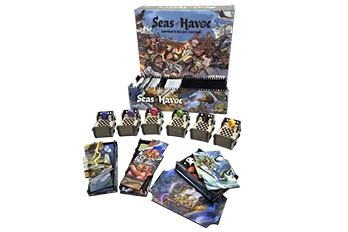
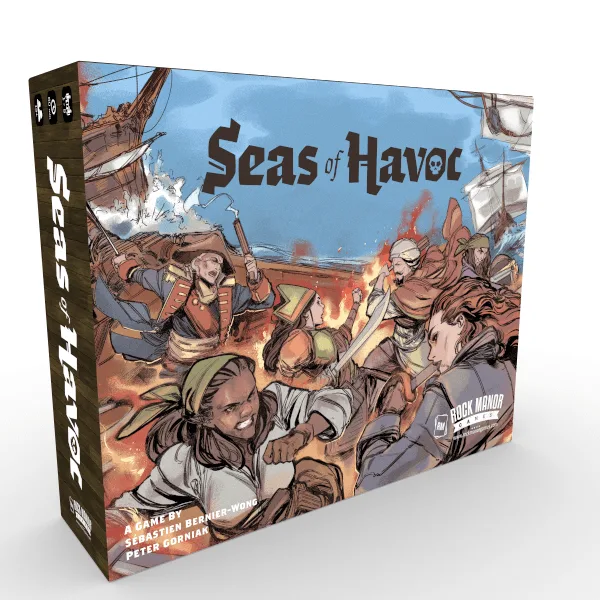
- https://rockmanorgamesdz.com/products/seas-of-havoc-premium-insert-e348a921e3c48b945cc426dc-1730721Seas of Havoc: Premium Insert: A premium illustrated modular insert that stores all gameplay content in the Captain's Deluxe or base box, including the First Mates expansion. This is a clear fit case: if you own the base or deluxe box and the First Mates expansion, the insert is designed for your configuration. If you own a different expansion, do not assume it fits.
- Seas of Havoc: Captain's Deluxe Edition: A naval skirmish game for 1-5 players where each player uses a unique deck of movement options and a chosen captain with special abilities. Games with per-player decks and unique captains create more small, player-specific components. That is exactly the kind of game where a modular insert reduces setup time, because each player's pieces can be stored and handed out as a unit.
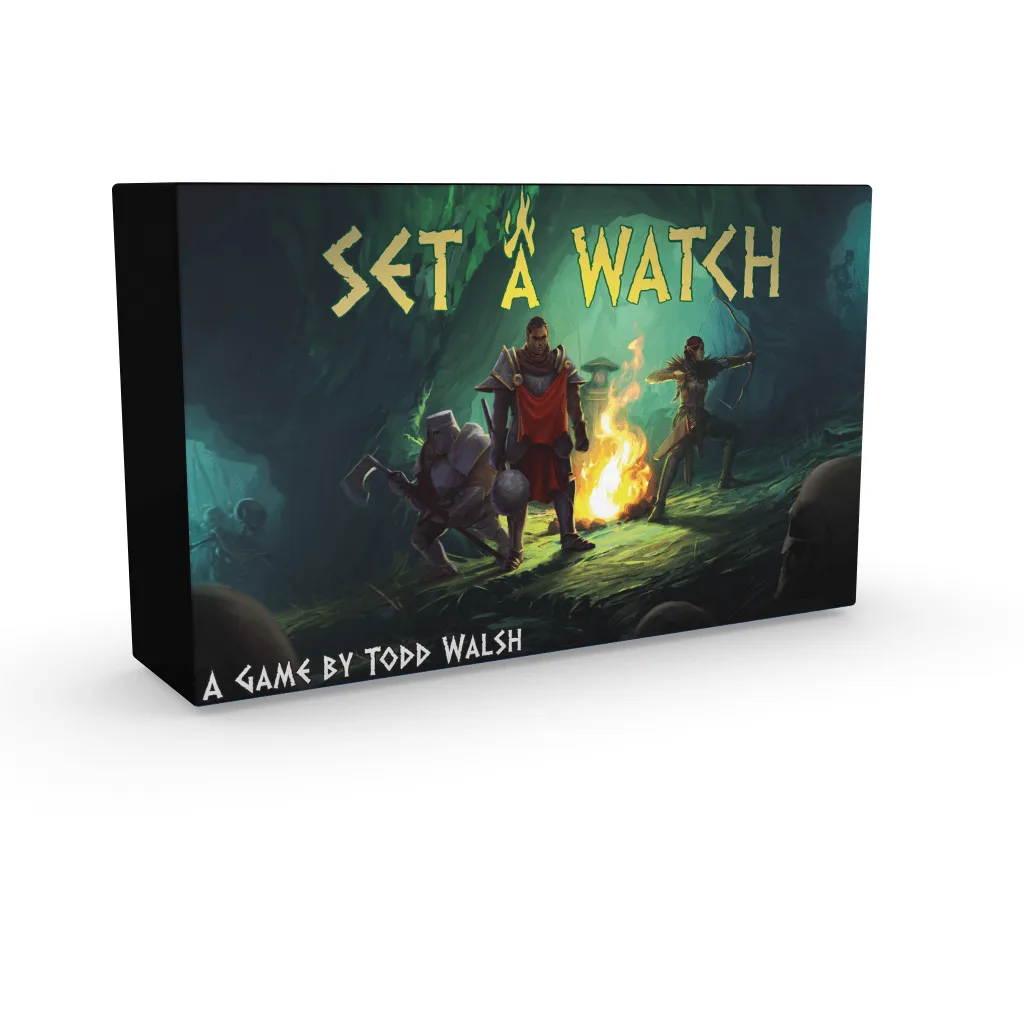
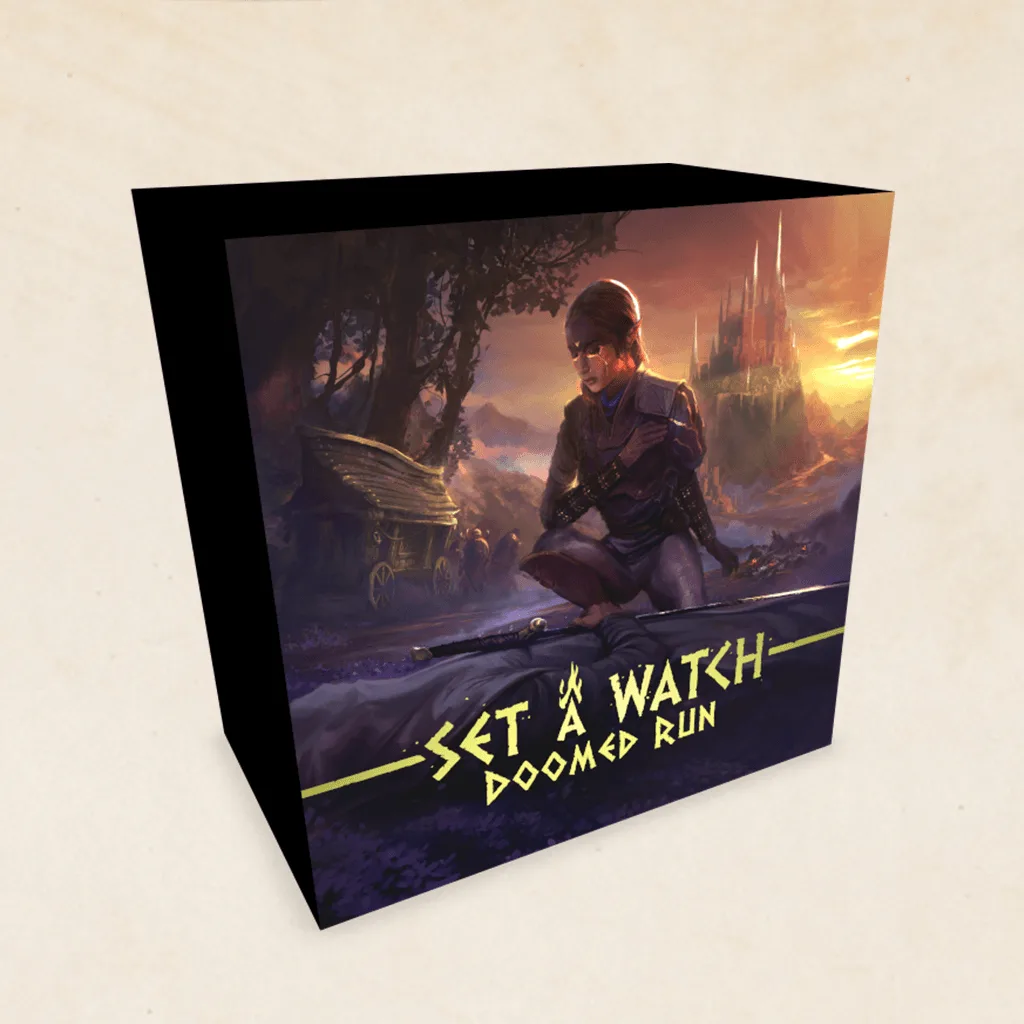
- https://rockmanorgamesdz.com/products/set-a-watch-doomed-run-da14922f3c903aff376504f4-1730819Set a Watch: Doomed Run: A big box storage solution and replayable campaign across the seven realms, and it requires ownership of Set a Watch (Deluxe or retail), Outriders, and Swords of the Coin to enjoy a complete run as written. This is a storage product with a hard ownership requirement. If you do not already own the required Set a Watch games, the storage and campaign value does not apply to you yet.
Who should buy an insert or upgrade
Best for
- Players who skip a game because setup and teardown take too long
- Owners of a specific box and expansion combination that an insert explicitly supports, such as the Seas of Havoc Premium Insert with the base or Captain's Deluxe box and First Mates expansion
- Groups that transport games and need foam or a fitted storage solution to protect components
Not for
- Players who are still deciding whether to keep a game
- Collections where the original box already stores and sets up the game cleanly
- Anyone whose expansion mix is not named in the insert's fit description
Buy the insert or upgrade that solves a problem you can describe, fits the edition you actually own, and gets the game to the table more often. If it only makes the shelf look better, you can safely keep your money and your shelf space.