Quick answer
Sleeve the cards you shuffle most or can't replace, skip sleeves for cards you rarely touch, and add dividers only when a box holds enough distinct decks that setup time actually bothers you. Buy thin sleeves for big decks and thicker ones only for a handful of hero or leader cards. Storage accessories are worth it when they cut setup time or prevent damage you couldn't fix later.
Most accessory advice starts from the assumption that more protection is always better. In practice, sleeves, dividers, and inserts only pay off when they solve a specific problem in your collection. A deck you shuffle every week is a different case from a stack of cards you touch twice a year.
This guide gives you decision rules rather than a shopping list. You'll work out whether sleeves are worth the cost and bulk, when card dividers storage actually saves time, and how to tell a useful board game storage accessory from one that just adds weight to the shelf.
Start with replacement risk, not with protection
Before buying anything, ask one question: if this card got marked or torn, could you replace it? Cards from a currently printed game are easy to replace, so sleeves are optional. Cards from a limited or out-of-print run are hard or impossible to replace, which makes protection a much stronger case. That single question sorts most of your collection faster than any sleeve-size chart.
The second question is handling frequency. A game that hits the table weekly wears far faster than one that comes out at holidays. Sleeve the high-frequency, hard-to-replace cards first, and leave the rest bare until you notice actual wear. This keeps your spending tied to real risk instead of a vague fear of damage.
- High frequency plus hard to replace: sleeve first.
- Low frequency plus easy to replace: skip sleeves.
- Shuffled heavily but cheap to replace: sleeves are a comfort purchase, not a necessity.
Sleeve thickness and fit: what the numbers mean
Card sleeves are usually sold by outer dimensions and by thickness, often described in microns. Thicker sleeves feel sturdier and shuffle with more body, but they add noticeable height to a stack. Thin sleeves protect the edges and face while keeping decks compact. For a 100-card deck, that difference changes whether the cards still fit in the original insert.
Fit matters more than brand. A sleeve that is too tight bows the card and can split at the corners; one that is too loose lets cards slide and catch. Measure a card with a ruler rather than trusting a category label, because card sizes vary between publishers even within the same genre.
- Measure one card from the game before ordering any sleeves.
- Thin sleeves for large decks, thicker sleeves for a small number of frequently handled cards.
- Buy one pack first and test the fit before committing to a full set.
Sleeving changes box fit, so plan the storage together
Sleeved cards are taller and wider than bare ones, and a full deck can grow by a noticeable percentage. That extra bulk often means the original insert no longer closes flat or the lid lifts. If you plan to sleeve a whole game, plan the storage at the same time, or accept that the insert may need to come out.
This is where board game storage accessories earn their keep. A box that holds sleeved cards in labelled rows is easier to set up than a loose stack, especially for games with multiple decks. If you only sleeve a handful of cards, keep the original insert and skip the upgrade entirely.
- Sleeve a full deck, then check whether the lid still sits flush.
- If the insert fails, store decks in rows rather than one deep stack.
- Keep unsleeved cards in the original insert when only a few are protected.
Dividers: buy them for setup speed, not for looks
Dividers solve one problem: finding a specific card or deck without sorting through a pile. That matters most in games with many distinct card types, separate market decks, or scenario-specific cards. In a game with a single deck, dividers add almost nothing. Count how many separate piles you actually search through during setup before deciding.
Vertical storage makes dividers far more useful, because cards stand in rows and labels stay readable. If your boxes lie flat, dividers still help but you'll be flipping through them. Whichever way you store, label by the name you use at the table, not by the publisher's internal terminology.
- Count your setup piles: three or more is where dividers start paying off.
- Label dividers with table language, not rulebook jargon.
- Skip dividers for single-deck games and very small boxes.
Card game accessories: what else is worth the space
Beyond sleeves and dividers, the useful card game accessories are the ones that replace something you already improvise. A playmat stops cards from sliding on a smooth table. Deck boxes keep a constructed deck together between sessions. Token trays keep small pieces from scattering. Each one should map to a problem you've actually had, not a problem you imagine.
The honest tradeoff is space. Every accessory adds volume, and a shelf of inserts and trays takes up more room than the games alone. If your collection is already tight, prioritise the accessories that let you store more games in the same footprint, such as thin sleeves and labelled rows, over items that only look tidy.
- Buy an accessory only after you've hit the problem it solves.
- Playmats help on glass and bare tables; they matter less on felt.
- Token trays are most useful in games with many small components.
When an upgrade pack beats buying new accessories
Sometimes the best storage decision is content, not containers. If you own a retail version of a game and the deluxe content is what you're missing, an upgrade pack can add components you'd otherwise never get, and those components often change how the box stores. Check what the pack actually contains before assuming it replaces an insert.
The same logic applies to expansions. A stand-alone expansion can add new decks and locations that need their own storage, so plan shelf space before it arrives. If you're already short on room, adding content without a storage plan is how collections end up in a pile of loose boxes.
- Confirm what an upgrade pack includes before buying storage for it.
- Stand-alone expansions may need their own dividers and rows.
- Plan shelf space before content, not after.
Decision rules for buying storage accessories
- Replacement risk rule: If a damaged card could be replaced easily, don't sleeve it yet. If it couldn't, sleeve it before anything else in the collection. Protection spending should follow replacement difficulty.
- Shuffle frequency rule: Sleeve decks you shuffle most often and leave rarely touched cards bare. Wear comes from handling, not from sitting in a box. Frequency beats sentiment.
- Fit check rule: Measure one card from the game and buy a single pack to test before ordering sleeves for the whole box. One test pack prevents a wasted full set.
- Divider threshold rule: Add dividers when setup means searching through three or more separate piles. Below that, the box is already fast enough. Dividers are a setup-time purchase.
- Space budget rule: Sleeves and dividers add volume. If shelf space is tight, favour thin sleeves and labelled rows over bulky inserts. Measure the shelf before the shopping cart.
Catalog examples that show the decision in practice
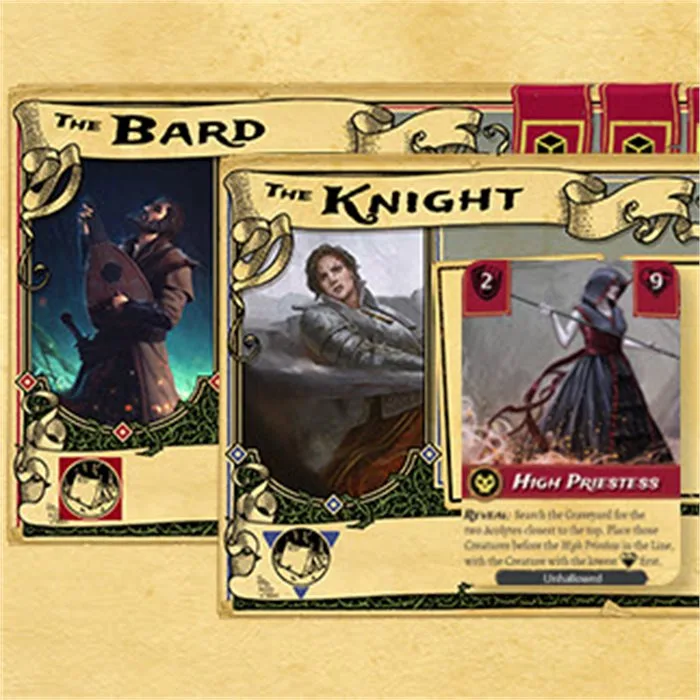
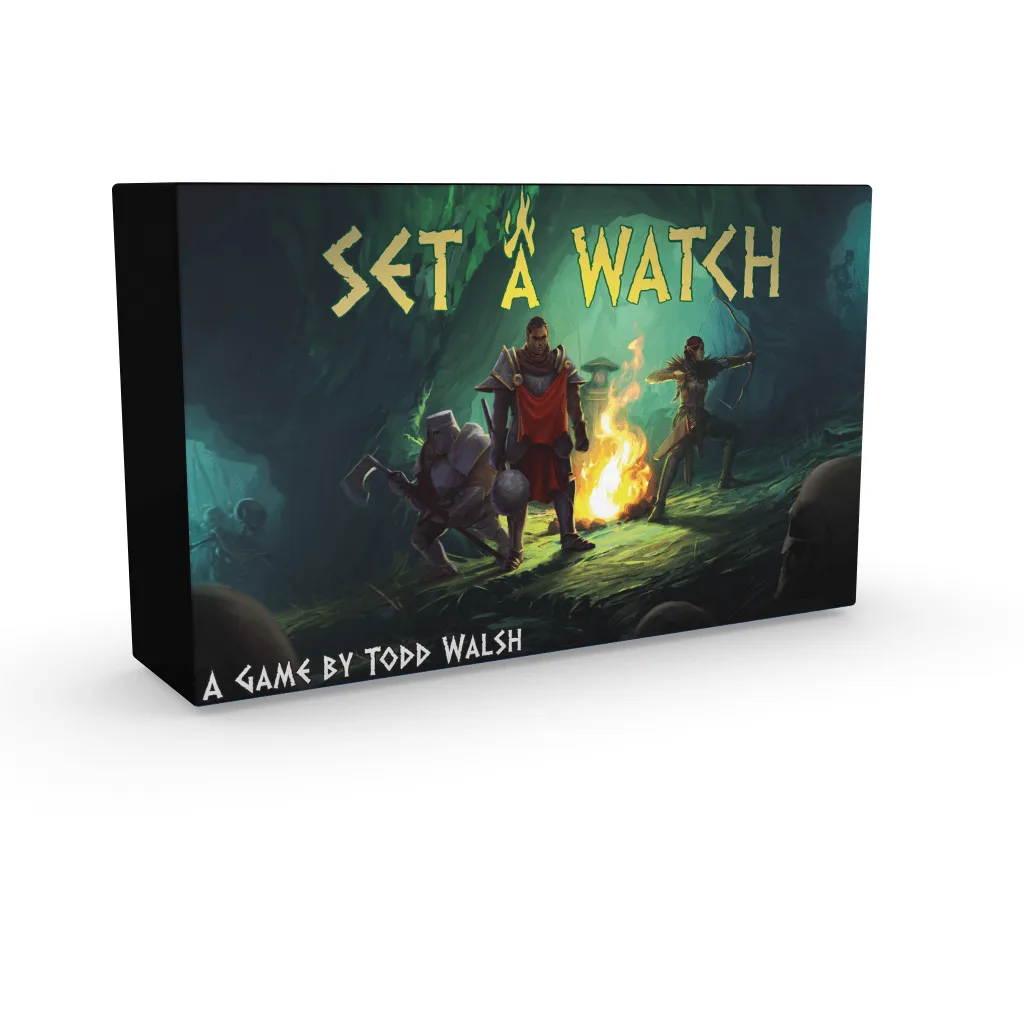
- https://rockmanorgamesdz.com/products/set-a-watch-upgrade-pack-470172540c15a2a170135fe2-1730791Set a Watch: Upgrade Pack: The upgrade pack is only for people who discovered Set a Watch and bought the retail version, and it provides the extra content from the deluxe version that was not included at retail. If you own the retail copy, this is content you can't get elsewhere, and the added components may change how the box stores. Check your version before buying storage sized for the deluxe contents.
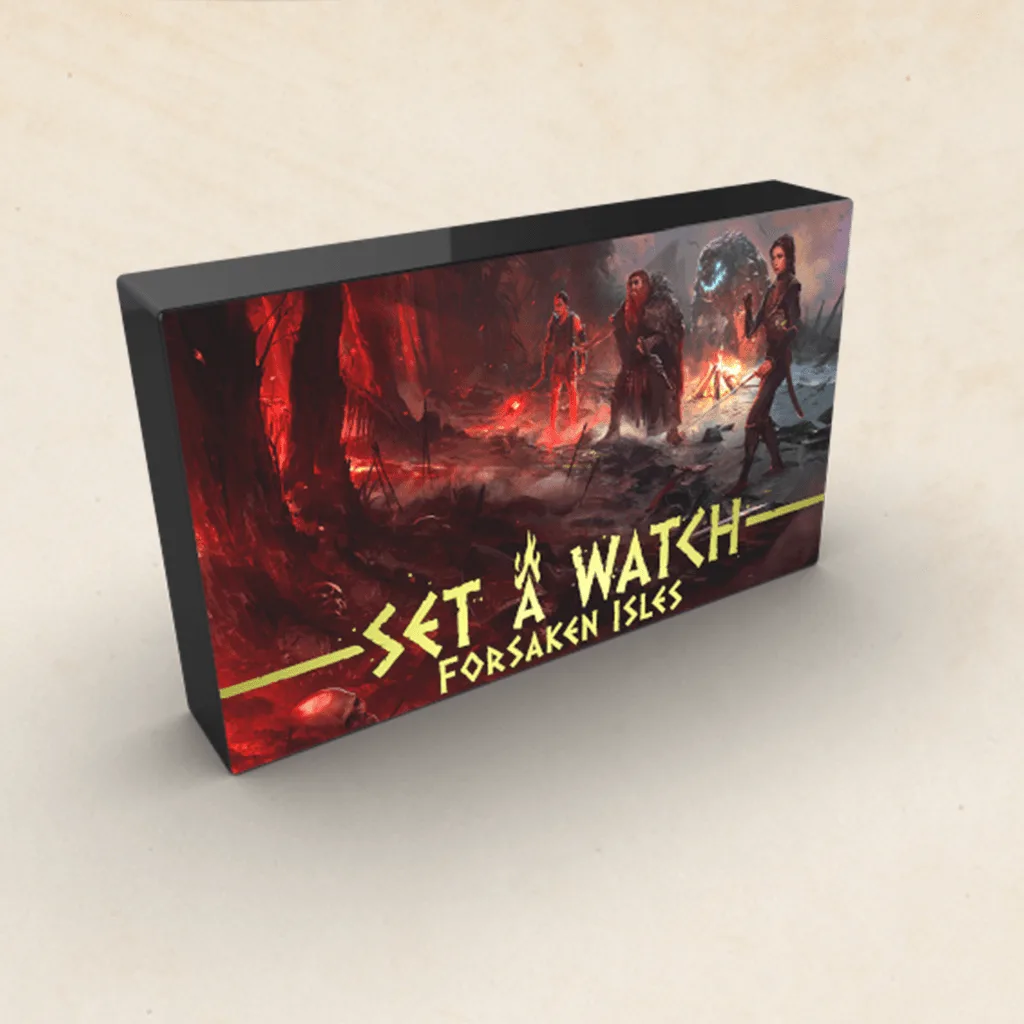
- Set a Watch: Forsaken Isles: Forsaken Isles is a stand-alone expansion with a new Doom mechanic and a short game mode, and it introduces new locations, creatures, items and at least four new Adventurer classes with their own dice, abilities and mechanics. More locations and items mean more distinct piles to sort, which is exactly the situation where labelled dividers and rows save real setup time.
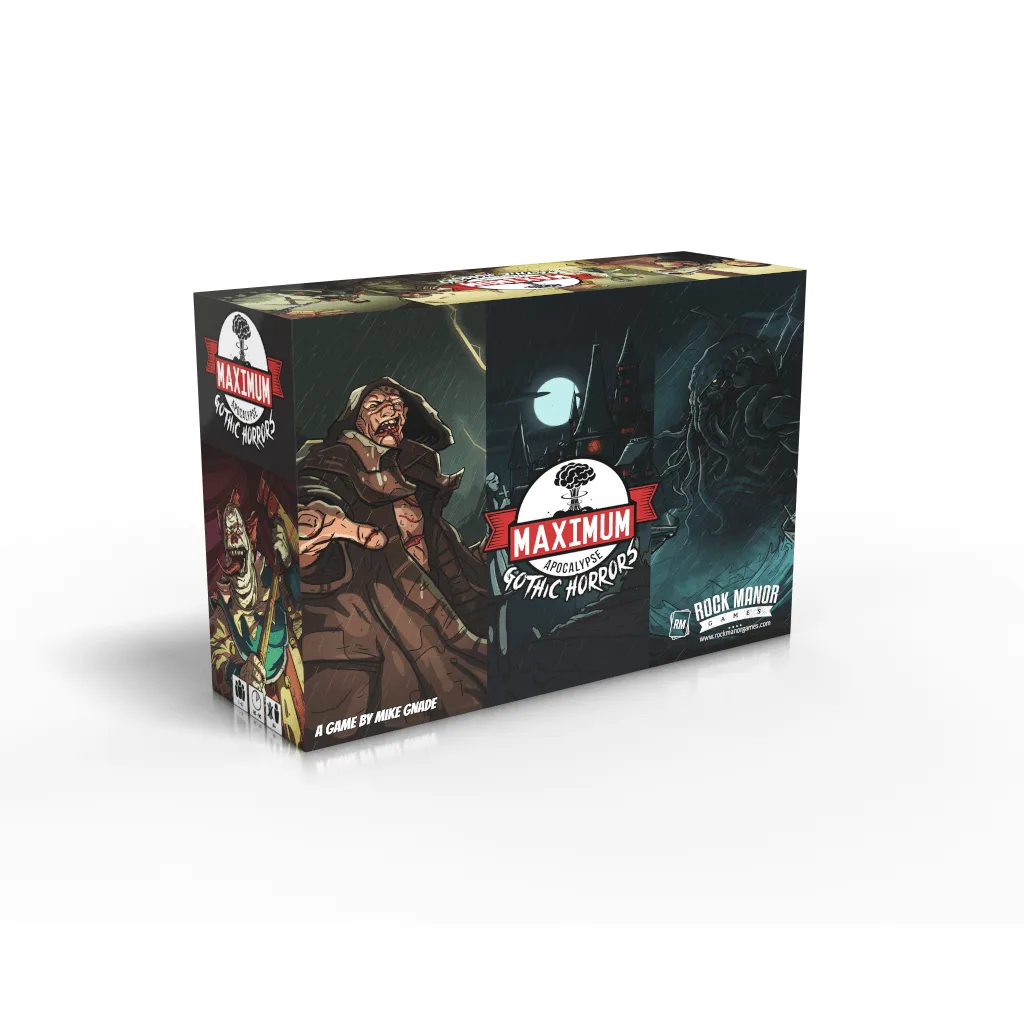
- https://rockmanorgamesdz.com/products/maximum-apocalypse-gothic-horrors-2e-bcfbc7b847d01361ca29ecea-1730806Maximum Apocalypse: Gothic Horrors 2E: Maximum Apocalypse: Gothic Horrors 2nd Edition is a revised stand-alone game that collects several elements, with vampires, cultists and summoned creatures in the mix. A stand-alone game with multiple enemy and card types benefits from separated storage, so plan rows or dividers rather than one deep stack.
Who should buy storage accessories, and who should skip them
Best for
- Players with out-of-print or hard-to-replace games they play often
- Groups whose setup involves sorting through several distinct decks
- Collectors who want a game to stay table-ready between sessions
Not for
- Players with a small collection of easily replaced, lightly played games
- Anyone short on shelf space who would rather store more games than protect a few
- Single-deck games where dividers add sorting work without saving setup time
Buy storage accessories to solve problems you've actually hit: worn cards you can't replace, or setup that drags because everything lives in one pile. Start with one test pack of sleeves, add dividers where the piles multiply, and measure your shelf before anything else arrives.