Quick answer
Store games vertically or in a snug box insert, keep them away from heat, sunlight, and damp basements, and sleeve only the cards that get shuffled most. If a card is already warped or water-damaged, no storage trick reverses it, so replace that component or accept a marked card rather than risk a ruined game.
Match the symptom to the likely cause
Card problems rarely come from one bad night. They come from repeated pressure, moisture swings, or loose storage. Before buying inserts or sleeves, identify which pattern fits your game. A deck that curves like a taco usually sat in a humid room or was stored under heavy boxes. Cards that stick together or smell musty likely absorbed damp air. Scuffed edges and white corners come from shuffling on a hard table or storing cards loose in a bag. Missing cards usually mean the box was stored on its side without a lid that holds components in place.
Fix the storage environment first
Most card damage is environmental, not mechanical. Aim for a stable indoor spot with low humidity and steady temperature. A closet shelf inside a living space works better than a garage, attic, or basement. Keep boxes off the floor and away from exterior walls that sweat in seasonal changes. If you live in a humid climate, a small rechargeable dehumidifier in the game shelf area does more for board game shelf life than any sleeve. Direct sunlight fades card faces and warps boards, so avoid windowsills and sunrooms.
Store boxes so components stay put
Vertical storage saves shelf space and keeps lids from bowing, but only if the insert holds cards snugly. If cards slide when you tilt the box, add a foam block, a folded cloth, or a small zip pouch to fill the gap. For games with many loose cards, keep decks in a lidded deck box or a tuck box inside the main box. Horizontal storage is fine for heavy boxes that would crush cards underneath, but stack light games on top of heavy ones, never the reverse.
Sleeve with a purpose, not by default
Sleeves protect edges and make shuffling easier, but they add thickness and can make a full deck no longer fit in the original insert. Sleeve the cards that get handled every turn, and leave rarely touched cards bare. Use the same sleeve brand and thickness for a single deck so shuffling stays even. For card sleeve storage tips, store sleeved decks in a deck box sized to the sleeved thickness, not the bare card count. If a sleeved deck no longer fits the box, that is your signal to move it to a separate deck box rather than force the lid.
Handle cards so they age slowly
Shuffle on a playmat or a clean tablecloth, not directly on wood or stone. Riffle shuffling bends cards over time, so use pile shuffling or mash shuffling with sleeves for games you play often. Keep drinks on a side table, not the play area. After a session, count any cards that were separated from the deck before they go back in the box. A two-minute count prevents the slow discovery of a missing card three weeks later.
Know when to stop repairing
If a card is warped, water-stained, or has a crease that makes it identifiable from the back, it is a marked card. In a competitive game, that changes the game. Do not try to flatten it under books for weeks; the result is usually still visible. Instead, contact the publisher for a replacement component, use a proxy card if your group allows it, or retire that copy for casual play. Storage and care prevent damage, but they do not reverse it.
Diagnosis: what is actually wrong with your cards
- Warped or curved cards: Likely cause: humidity swings or storage under heavy boxes. Move the game to a stable indoor shelf, add a dehumidifier nearby, and store the deck flat with light pressure, not under a stack of heavy games. If the curve remains after two weeks in a dry, stable spot, treat the card as marked and seek a replacement.
- Sticky, musty, or clumped cards: Likely cause: damp air or a spill that was not fully dried. Separate the deck, air it out in a dry room away from sun, and replace any card that still smells or feels tacky. Do not sleeve damp cards; you will trap moisture against the card face.
- Scuffed edges and white corners: Likely cause: shuffling on a hard surface or storing cards loose. Shuffle on a playmat or cloth, and sleeve the cards that get shuffled every game. Sleeves slow future wear but do not hide existing scuffs.
- Cards missing after a session: Likely cause: no end-of-game count and a box stored on its side. Count cards before closing the box and store the box so the lid holds components in place. If a card is truly lost, contact the publisher for a replacement rather than substituting a different card.
Games built for repeated play and storage
- 3D Game Bundle: Bloomchasers + Tiny Laser Heist Base Games + Expansions!: This bundle includes the Bloomchasers base game and its expansion, plus the Tiny Laser Heist base game and its expansion, all published by Very Special Games. Two base games and two expansions mean more components to store. Keep each game's cards and pieces in their own box or insert so expansions do not get mixed into the wrong base game.
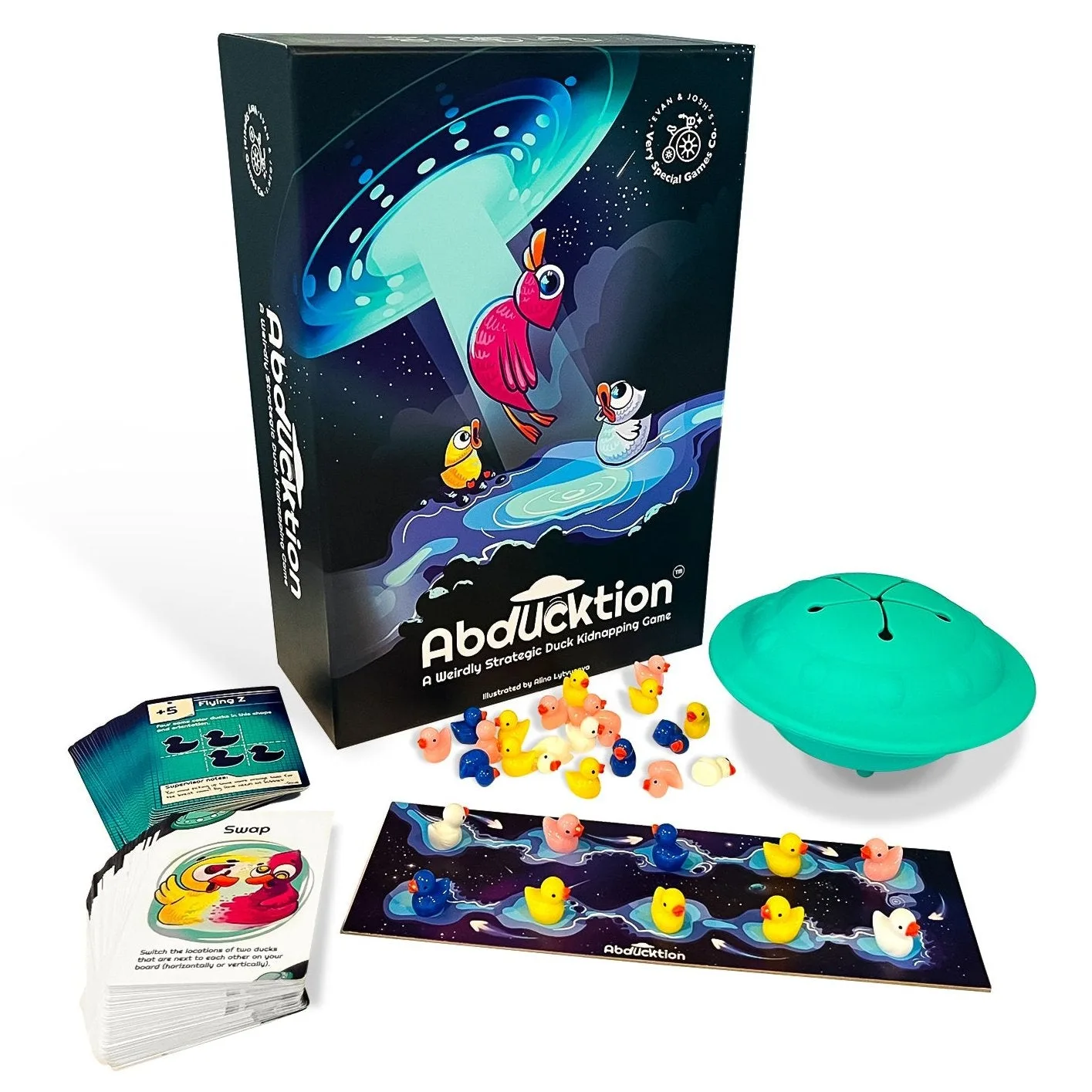
- Abducktion: A Weirdly Strategic Game of Duck Kidnapping: Abducktion is a 15-minute light strategy game for adults that uses duck matching, a UFO, and Tetris-like logic, with cards collected in specific formations. A short game with frequent setup and teardown benefits from a dedicated deck box or insert. If the cards are stored loose, the formations you need are harder to sort quickly.
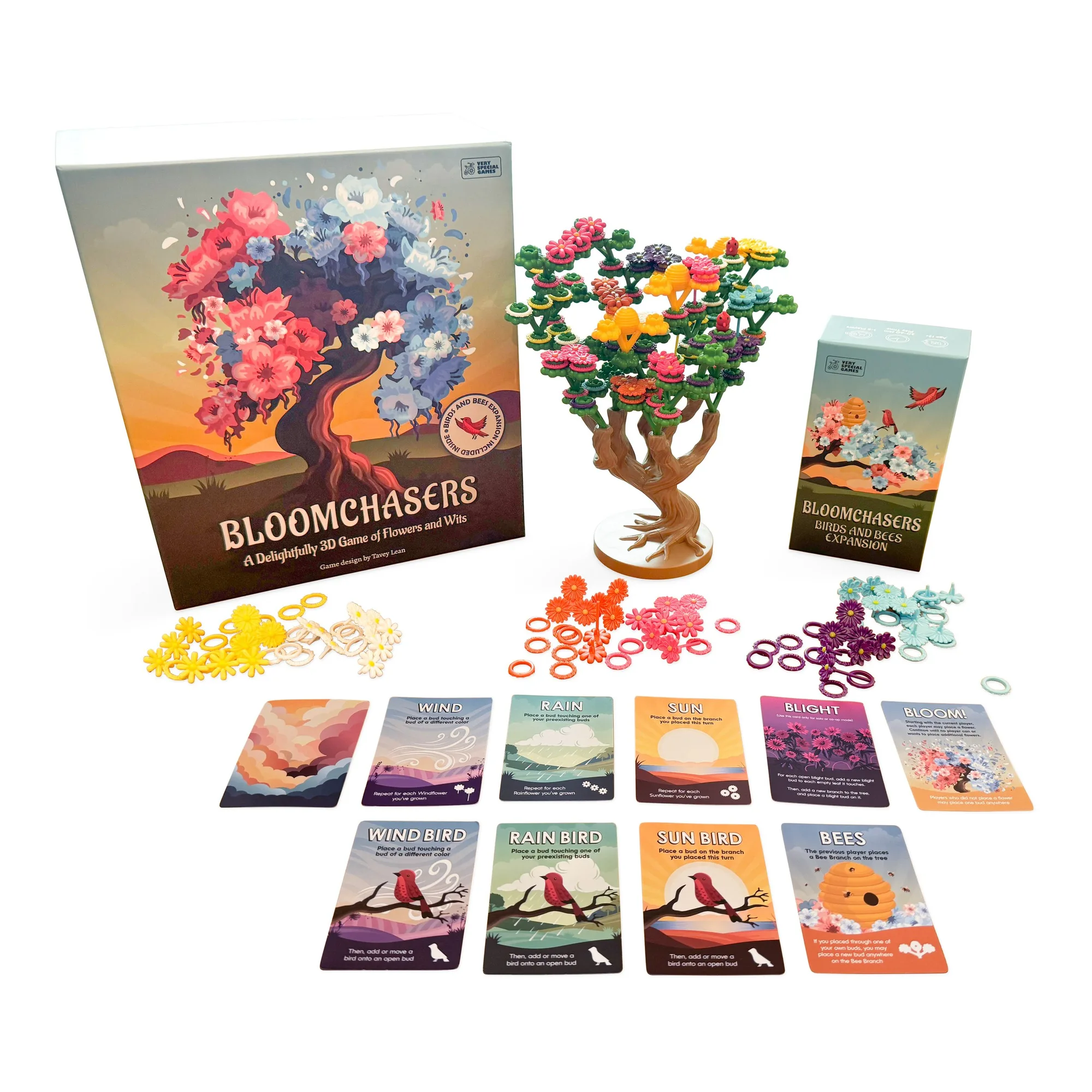
- Bloomchasers: Base Game + Full Expansion: The Bloomchasers base game is playable on its own, and the Birds and Bees Expansion Pack adds deeper strategy and higher scores. If you own both, store the expansion separately or clearly marked. Mixing expansion cards into the base deck can make the base game harder to set up for new players.