Quick answer
For most collections, horizontal storage is the safer default because it distributes weight evenly and reduces stress on box corners and seams. Vertical shelving saves space, looks tidy, and improves access, but it can cause components to shift and put pressure on box edges. The best approach is often a hybrid: store heavy or fragile boxes horizontally, and use vertical storage for lighter, sturdier games or when space is tight.
You've built a board game collection you're proud of. Now the question is how to store it without causing damage or turning your shelf into a game of Tetris. The vertical vs. horizontal debate is about more than aesthetics—it affects box condition, component security, and how easily you can grab a game for game night.
There's no single right answer, but there are clear trade-offs. This comparison breaks down how each method performs in real-world conditions, so you can decide what works for your space, your games, and your habits.
How vertical storage affects your games
Vertical storage means standing boxes on their side, like books. It's space-efficient and makes it easy to read spines and pull a game without unstacking others. For collections with many similar-sized boxes, it can look clean and organized. However, standing a box vertically puts the weight of components against one side or edge. Over time, this can warp the box, stress corners, and cause internal dividers to bend. Cards and tokens may shift and settle at the bottom, and if the box isn't full, components can rattle around during handling.
The risk is higher for heavy games with large boards or many miniatures. If the box is stored vertically for months or years, the lid may start to bow outward or the bottom may sag. Storing games long term this way requires extra care: use internal inserts or bags to keep components in place, and avoid stacking too many vertical boxes side-by-side, which can squeeze and deform them.
- Use vertical storage for light card games, small boxes, or games with snug inserts.
- Keep heavy boxes with loose components horizontal to prevent shifting and warping.
- If you store vertically, ensure boxes are full or add packing material to reduce movement.
How horizontal storage affects your games
Horizontal storage means laying boxes flat, one on top of another. This is the traditional method and generally the safest for box integrity. Weight is distributed across the entire face of the box, so corners and seams experience less stress. Components stay put, and the lid is less likely to bow. For long-term storage, horizontal is often the better choice, especially for heavy or oversized games.
The downsides are access and space. To reach a game at the bottom of a stack, you have to lift off everything above it. That can be annoying during game night and may discourage you from playing games buried in the middle. Horizontal stacks also take up more vertical space per game, so you may need more shelves. And if you stack too high, the bottom boxes bear a lot of weight, which can crush thinner boxes over time.
- Limit stacks to 3–4 games high to avoid crushing the bottom boxes.
- Place heavier games at the bottom of the stack and lighter ones on top.
- Use shelf dividers or bookends to keep stacks from toppling.
Space efficiency and access compared
Vertical storage wins on space efficiency. You can fit more games per shelf because you're using height rather than depth. It also makes games easier to browse and retrieve, which can lead to more frequent play. If your shelf space is limited or you have a large collection, vertical is often the practical choice. But you'll need to manage the risks to box condition with inserts and careful packing.
Horizontal storage uses more shelf space per game but offers better protection. It's ideal for collectors who prioritize preservation over density. If you have the room, horizontal storage for your most valuable or fragile games and vertical for the rest can be a smart compromise. Consider how often you play each game: if you reach for it weekly, vertical access might be worth the trade-off; if it's a rare treasure, horizontal is safer.
- Measure your shelf depth: vertical boxes need enough depth to stand without overhang.
- For horizontal stacks, use a label or sticker on the side to identify games without lifting.
- Rotate games periodically to avoid prolonged pressure on any one box.
Protecting boxes and components in either orientation
No matter which way you store games, a few habits prevent damage. Keep shelves out of direct sunlight and away from heat sources, which can warp cardboard and fade colors. Control humidity to avoid mold and warping. Use baggies or small containers for loose tokens and cards so they don't scatter when the box is moved. For games with miniatures, foam inserts or custom storage solutions keep delicate pieces safe.
If you store vertically, consider adding a thin piece of foam or cardboard at the bottom of the box to absorb pressure and keep components from sliding. For horizontal stacks, place a sturdy board or tray between layers to distribute weight. And always stack boxes of similar size together to avoid uneven pressure that can dent lids.
- Avoid storing games in attics, basements, or garages with extreme temperature swings.
- Use silica gel packets in humid climates to reduce moisture inside boxes.
- Check your collection every few months for signs of warping or component damage.
Trade-offs at a glance
- Space efficiency: Vertical storage fits more games per shelf by using height; horizontal storage uses more depth per game and may require additional shelving. Choose vertical if shelf space is tight; horizontal if you have room to spread out.
- Box protection: Horizontal storage distributes weight evenly and reduces stress on corners and seams; vertical storage can warp boxes and cause components to shift over time. Store heavy or fragile games horizontally; reserve vertical for light, sturdy boxes.
- Access and play frequency: Vertical storage makes games easy to browse and pull out; horizontal stacks require lifting and can bury games. If you play a game often, vertical access may outweigh the risks; for rare plays, prioritize protection.
Product facts that support better storage
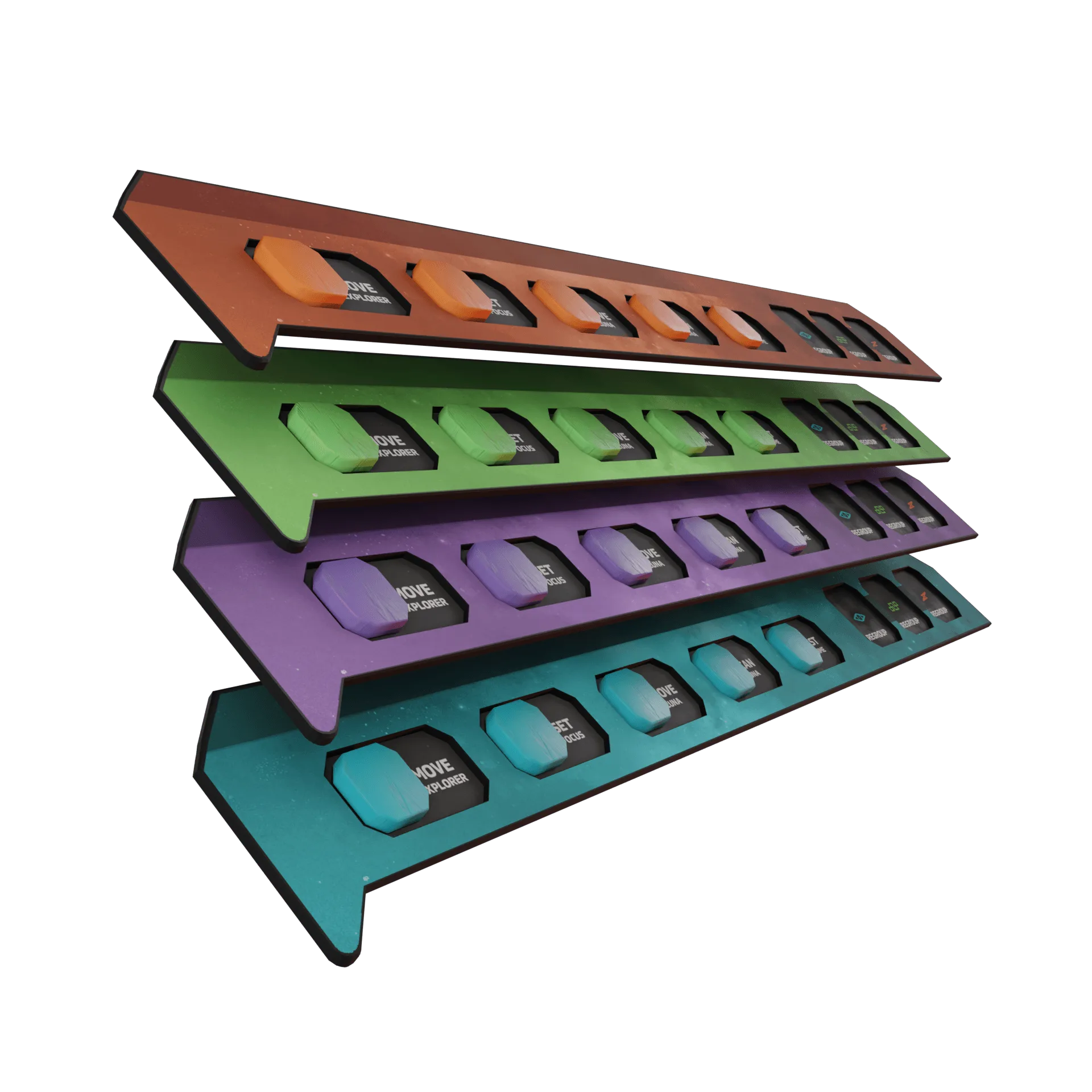
- Unsettled® Action Trackers: These player dashboard extensions help you remember what you have and have not done on your turn, with 5 togglable slots for standard actions (MOVE, SET FOCUS, MOVE LUNA, SCAN WITH LUNA) and a bonus slot. When stored vertically, loose components like trackers can shift and get lost. Keeping them in a dedicated insert or bag keeps them organized and ready for play, regardless of shelf orientation.
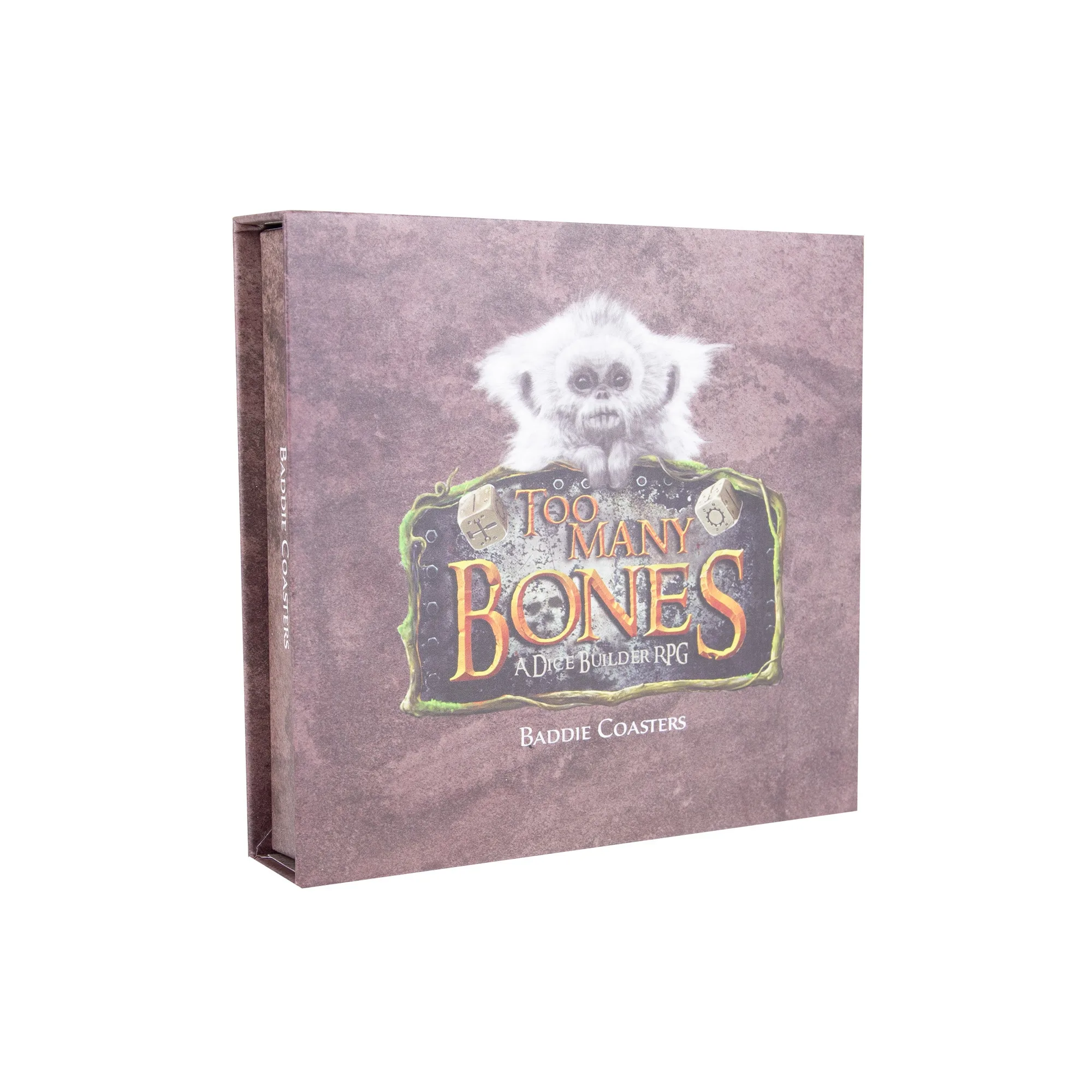
- Vindication® Metal Threshold Medallions: These metal markers are handy if memory isn't your strongest trait, and they are included in the fully loaded Archive of the Ancients. Small metal pieces are heavy and can damage box corners if they slide around during vertical storage. Store them in a secure tray or bag to prevent dents and scratches.
Which storage method fits your collection?
Best for
- Collectors with limited shelf space who need to maximize capacity
- Collections of light-to-medium weight games with sturdy boxes and inserts
- Players who frequently browse and retrieve games from their shelves
Not for
- Heavy games with many loose components or miniatures that can shift and damage easily
- Valuable or out-of-print games where long-term preservation is the top priority
- Collections stored in environments with high humidity or temperature swings
There's no universal winner in the vertical vs. horizontal storage debate—only trade-offs that depend on your space, your games, and how you play. Use horizontal storage for your most precious or heavy games, and vertical where you need efficiency and easy access. With a few protective habits, either method can keep your collection in great shape for years of game nights.