When you think about social gaming, two giants come to mind: board games and trading card games (TCGs). Both promise fun with friends, but they deliver social interaction in very different ways. Whether you’re planning a game night or looking to join a community, understanding these differences helps you choose the right fit.
In this comparison, we’ll explore the social dynamics of board games versus TCGs, from the intimacy of a tabletop session to the buzz of a tournament. We’ll also highlight some popular products from Super Anime Store that can enhance your experience, whether you’re a board game enthusiast or a card duelist.
The Social Core of Board Games
Board games are inherently social. They bring people together around a table, face-to-face, with no screens or intermediaries. The core of board gaming is shared experience: you laugh, negotiate, and sometimes betray each other, all in real time. Games like Catan or Ticket to Ride thrive on player interaction, where reading reactions and building alliances are as important as strategy.
The board game community is built on this foundation. Local game stores host open game nights, where strangers become friends over a shared love of cardboard. Online forums and social media groups organize meetups, and many players host regular game nights at home. The barrier to entry is low—you just need a game and a few willing participants.
- Board games encourage face-to-face communication and non-verbal cues.
- Game nights are easy to organize with friends or family.
- The community is welcoming to newcomers, with many stores offering demo copies.
The Social Dynamics of Trading Card Games
Trading card games, like Magic: The Gathering or Dragon Ball Super Fusion World, offer a different kind of social experience. The social aspect is twofold: playing the game and trading cards. Playing a TCG involves direct competition, often one-on-one, which can be intense and strategic. But it’s also a conversation—each card played is a statement, and each counter is a reply.
The TCG community is vibrant and structured. Weekly tournaments at local game stores create regular social hubs, and large events like Grand Prix or regional championships draw hundreds of players. Trading is a social ritual in itself, where you negotiate, show off rare cards, and build connections. Many players find lifelong friends through the shared passion for the game.
- TCGs offer structured social events like tournaments and prereleases.
- Trading and deck-building discussions foster deep connections.
- Online communities are active, but in-person play remains the heart.
Comparing Interaction and Accessibility
When it comes to interaction, board games often win on player count. Most board games support 3-6 players, creating a lively, multiplayer dynamic. TCGs are typically two-player, which can be more focused but less chaotic. If you enjoy group banter and multiplayer mayhem, board games are your go-to. If you prefer intense one-on-one duels, TCGs shine.
Accessibility also differs. Board games can be learned in minutes and played immediately. TCGs require an investment in learning rules and building a deck, which can be daunting for newcomers. However, TCGs offer a deeper, long-term engagement that many find rewarding. Starter decks, like the Dragon Ball Super Fusion World STARTER DECK -VEGETA(MINI)- [FS07], are designed to ease new players into the game.
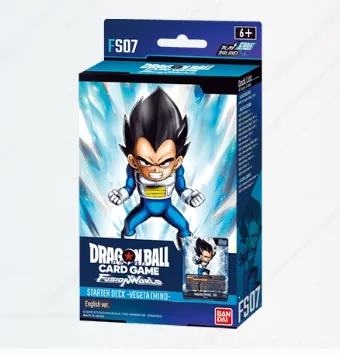
Dragon Ball Super Fusion World STARTER DECK -VEGETA(MINI)- [FS07]
- Board games are easier to pick up and play with a group.
- TCGs have a steeper learning curve but offer strategic depth.
- Starter decks and demo games lower the entry barrier for TCGs.
Community and Events: Where to Find Your People
Both communities are active, but they differ in structure. Board game communities often revolve around casual meetups and conventions. Events like Gen Con or local board game cafes are social hubs. The focus is on trying new games and enjoying the experience together.
TCG communities are more competitive and organized. Weekly tournaments, league nights, and set releases create a rhythm of events. Players gather to test their skills, trade cards, and share strategies. The social aspect is tied to progression—you improve together, and rivalries become friendships. For example, opening an Attack on Titan [UE10BT] Union Arena Booster Pack at a game night can spark discussions about new cards and decks.
- Board game meetups are casual and game-focused.
- TCG events are structured and competitive.
- Both communities welcome newcomers with open arms.
Which Is More Social for You?
The answer depends on your social style. If you love large groups, casual banter, and the joy of discovery, board games are more social. They’re perfect for game nights with friends and family, where the game is a vehicle for connection.
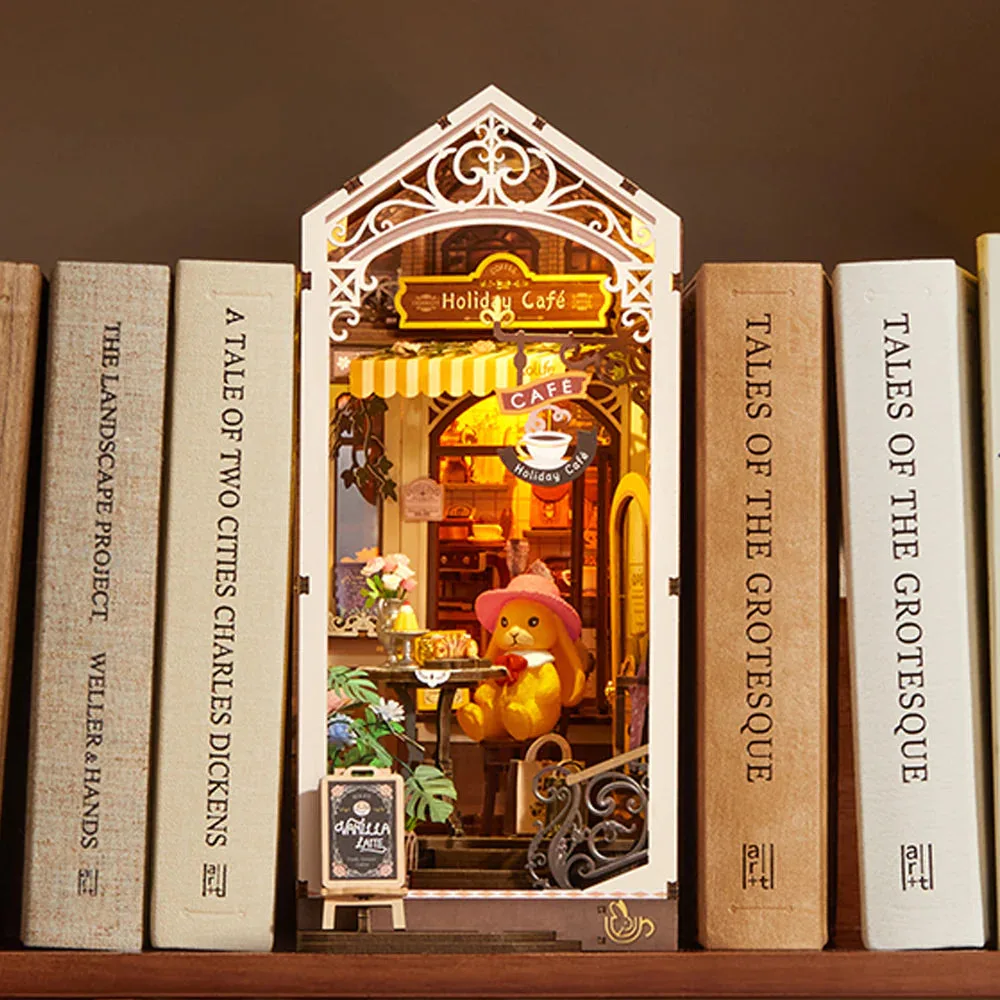
If you prefer structured competition, deep strategy, and a community that grows with you, TCGs offer a unique social experience. The trading and deck-building aspects create bonds that go beyond the game. You might even enjoy both—many players do. For a great entry into board gaming, consider the Rolife Holiday Cafe DIY Book Nook Kit, which combines crafting and display, perfect for a game room. For TCG fans, the Dragon Ball Super Fusion World STARTER DECK -VEGETA(MINI)- [FS07] is a solid starting point.
- Consider your preferred group size and interaction style.
- Both hobbies offer welcoming communities.
- You can enjoy both for a well-rounded social gaming life.
Ultimately, both board games and trading card games are deeply social, but they cater to different social appetites. Board games offer immediate, group-oriented fun, while TCGs provide a competitive, evolving community. Why not try both? Visit Super Anime Store to explore a wide range of board games and TCG products, and find your perfect social gaming match.