Quick answer
Choose a board game when your group has mixed ages or enjoys turn-based strategy and shared storytelling. Choose a trivia game when players are similar in age or knowledge and you want fast, laugh-filled rounds. For the smoothest family game night, keep one of each on the shelf and match the format to the mood, not the other way around.
Family game night works best when the game fits the people at the table. Board games and trivia games ask different things from players: one rewards planning and patience, the other rewards quick recall and a thick skin for wrong answers. Knowing which format suits your group prevents the mid-game meltdowns that turn a fun evening into a chore.
This comparison looks at how each format handles player count, age range, and attention span, using real examples from our catalog. You will also find a simple decision guide to help you pick the right game for your next gathering.
How board games and trivia games differ in play
Board games usually give every player the same starting position and a set of rules to navigate. Turns are structured, and progress is visible on a board or track. That structure helps younger players learn to wait, plan, and recover from setbacks. Trivia games, by contrast, are often question-and-answer rounds where knowledge decides the winner. They move faster and need less setup, but they can expose gaps in what each player knows.
The trade-off is between fairness and speed. Board games level the field through mechanics, so a ten-year-old can sometimes beat an adult. Trivia games reward what you already know, which can feel unfair in mixed-age groups but keeps rounds short and lively.
- Board games: turn-based, strategic, often longer setup and play time.
- Trivia games: question-driven, fast rounds, minimal setup, knowledge-based.
Player count and age range: what each format handles well
Board games often specify a player range, and many work best with three or four players. Some, like the Tumblemaze Game, are solo puzzles that one person can enjoy quietly. That flexibility is useful when family members drift in and out. Trivia games tend to scale better for larger groups because teams can form and rotate, but they usually need players who can read or recognize answers at a similar level.
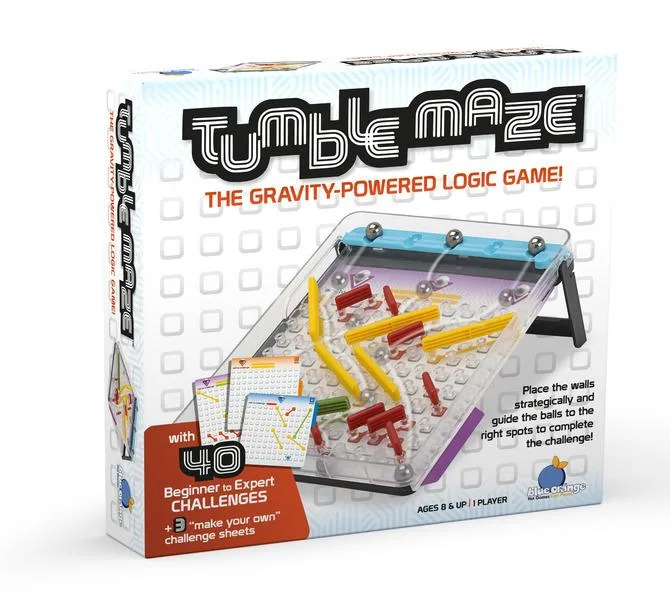
Tumblemaze Game
If your group spans toddlers to grandparents, a board game with simple rules and no reading requirement will keep everyone included. If your group is mostly adults or older kids, a trivia game can be the faster, funnier choice.
- Mixed ages: lean toward board games with visual or tactile play.
- Similar ages or knowledge levels: trivia games keep energy high.
Attention span and session length
Board games can run from ten minutes to over an hour. That range is a strength for families who want a longer activity, but a weakness when attention spans are short. Trivia games usually fit into shorter windows because each question is a self-contained round. You can stop after five questions or play until the scores are settled.
For weeknights, shorter is usually better. For rainy afternoons or holidays, a board game with a clear ending gives everyone something to work toward together.
- Weeknight: pick a trivia game or a short board game.
- Weekend or holiday: a longer board game can anchor the evening.
Skill-building and social dynamics
Board games often build dexterity, memory, math, logic, and cooperation. The Tumblemaze Game, for example, is a solo action gravity puzzle that challenges players to roll stainless steel balls into specific spots, which quietly trains patience and fine motor control. Trivia games build recall and quick thinking, and they can be a confidence boost for kids who know a lot about a specific topic.
The social trade-off matters too. Board games encourage negotiation and turn-taking. Trivia games can spark friendly competition, but they also risk embarrassing a player who does not know an answer. If your group is sensitive to that, choose a board game or a trivia game with team play.
- Cooperative mood: choose a board game with shared goals.
- Competitive mood: a trivia game with teams balances skill gaps.
Trade-offs to weigh before you buy
- Board games: fairness vs. time: Board games level the playing field through rules and turn order, so mixed ages can compete. But they often take longer to set up and play, which can lose younger players. Choose a board game when you have 30+ minutes and want everyone to feel included.
- Trivia games: speed vs. knowledge gaps: Trivia games are fast to start and easy to pause, but they reward existing knowledge. In mixed-age groups, a younger player may feel left out if questions are too hard. Choose trivia when players are similar in age or when you can form balanced teams.
- Solo vs. group formats: Some games, like Tumblemaze, are designed for one player. They are great for independent play but do not fill a family game night unless you rotate turns. Match the format to the number of people who will actually play at the same time.
Product facts that affect your choice
- Tumblemaze Game: Solo action gravity-powered puzzle game where you roll stainless steel balls into specific spots; published by Blue Orange Games, known for games that build dexterity, memory, math, logic, and cooperation. A good fit for one player who wants a quiet challenge, but not a group game night centerpiece unless players take turns.
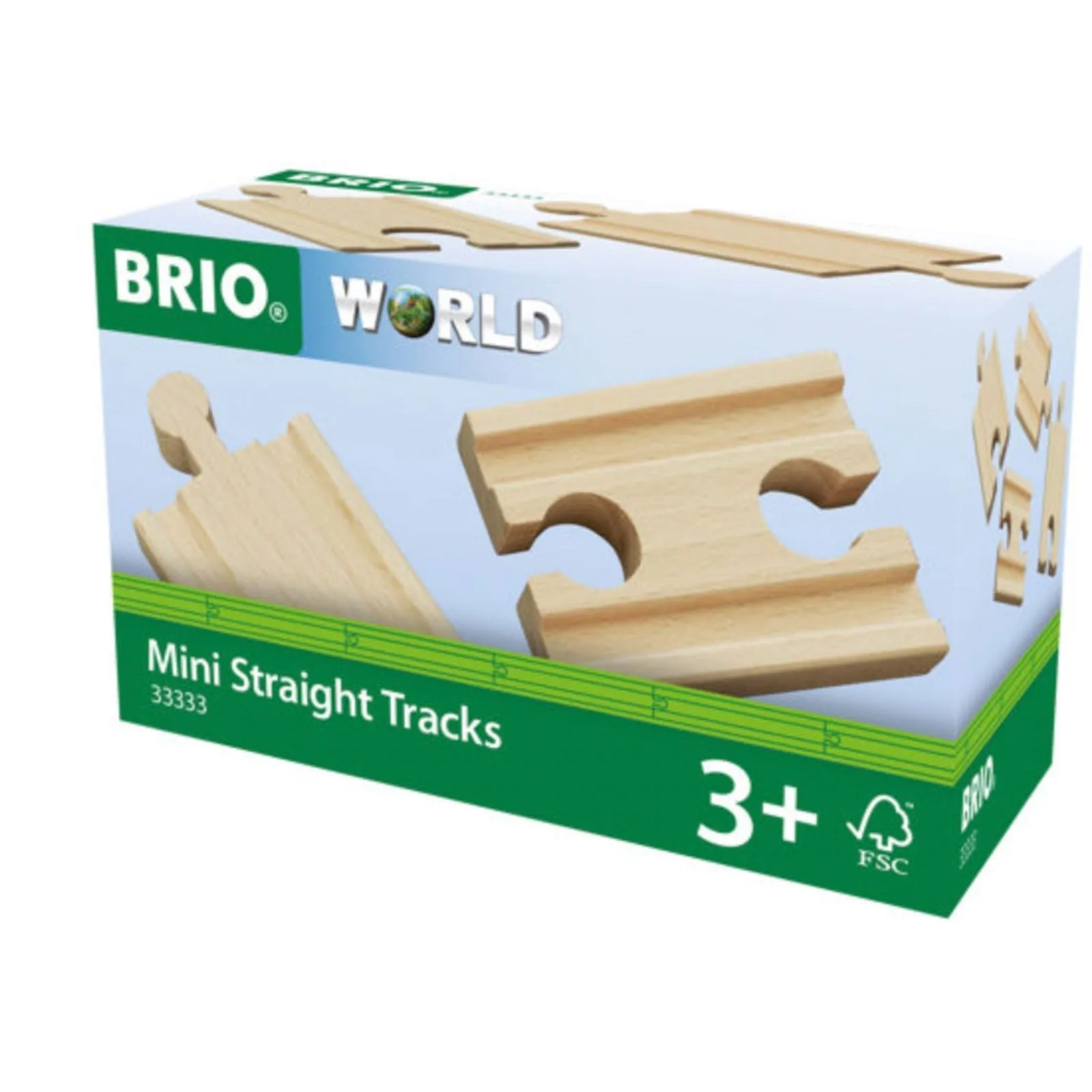
- Mini Straight Tracks: Compatible with all BRIO railway sets, these tracks let you create longer stretches and connect multiple layouts. A building toy that supports cooperative play and spatial planning, useful when younger children need a hands-on alternative to a question-based game.
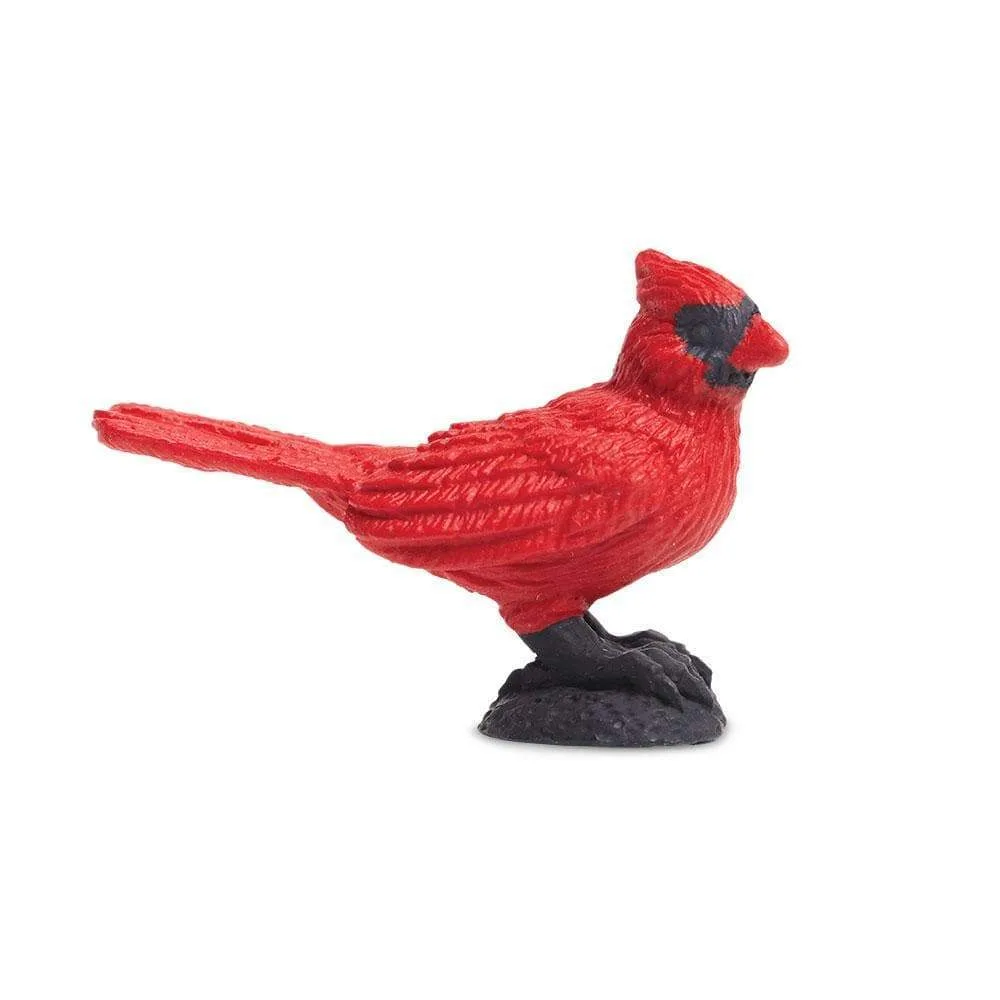
- Cardinals - 192 pcs - Good Luck Minis®: The North American cardinal is widely recognized for its bright color and sweet song; it lives year-round in the eastern United States and is the state bird of seven states. These mini figurines can be used as trivia tokens, prizes, or visual aids for a nature-themed quiz, blending trivia with hands-on play.
Which format fits your group?
Best for
- Families with mixed ages who want one activity everyone can join
- Groups that enjoy turn-based strategy, building, or cooperative play
- Parents looking for a game that builds patience and planning
Not for
- Groups with very short attention spans who want quick rounds
- Players who prefer fast, question-based competition
- Families who need a game that works for a single player only
There is no single winner in the board games vs. trivia games debate. The right format depends on who is playing, how much time you have, and whether your group prefers planning or quick recall. Keep one of each on hand, and you will always have a game night option that fits.