Quick answer
Choose a body polish if your skin is dry, sensitive, or easily irritated—the combination of physical exfoliants and nourishing oils or butters cleanses and conditions in one step. Choose dry brushing if you want a quick pre-shower ritual to stimulate circulation and temporarily smooth rough patches, and your skin tolerates friction well. For most people with dry or sensitive skin, a gentle body polish is the safer, more hydrating option.
How body polish and dry brushing actually work
A body polish—often a sugar scrub—uses a physical exfoliant suspended in a base of oils or butters. The sugar dissolves as you massage it over damp skin, so the abrasive action softens as you go. The oils or butters stay behind to moisturize, which is why a polish can double as a hydrating step. Dry brushing uses a firm-bristled brush on dry skin before you shower. The friction lifts dead cells and boosts circulation, but it offers no moisturizing benefit and can be too aggressive for delicate skin.
Key trade-offs: moisture, control, and skin barrier
Body polish wins on moisture and gentleness. The oil or butter base means you are not stripping the skin barrier; you are feeding it. That makes polish a strong fit for dry or sensitive skin. The trade-off is mess and time—you need a shower or tub, and you may need to rinse the tub afterward. Dry brushing wins on speed and cost. It takes two minutes, requires no water, and a single brush lasts months. The trade-off is that it provides no hydration and can cause micro-abrasions if you press too hard or brush too often, especially on sensitive skin. If your skin is already dry, dry brushing without a follow-up moisturizer can leave it feeling tighter.
How often to exfoliate with each method
For dry brushing, two to three times a week is plenty for most people. Start with light pressure and short strokes toward the heart. If your skin turns red and stays that way, you are overdoing it. For body polish, two to three times a week also works for many skin types, but sensitive skin may do better with once or twice a week. The key is to let your skin guide you: if it feels raw, tight, or stings, cut back. Always follow dry brushing with a moisturizer, and remember that a polish already contains conditioning oils, so you may not need a separate lotion afterward.
Natural body exfoliation: what to look for
If you prefer natural body exfoliation, check the ingredient list. A sugar scrub with plant oils and butters is a straightforward choice. For dry brushing, choose a brush with natural bristles and a handle you can grip comfortably. Avoid synthetic fragrances if your skin is reactive. With any method, patch-test first if you have known sensitivities.
Trade-offs at a glance
- Moisture: Body polish leaves oils and butters on the skin; dry brushing leaves nothing behind and can feel drying without a follow-up moisturizer. If dryness is your main concern, polish is the more hydrating choice.
- Speed and convenience: Dry brushing takes about two minutes before a shower and needs no water or rinsing. Body polish requires a shower or tub and may leave residue. Short on time? Dry brushing fits a busy morning; polish fits a slower weekend routine.
- Skin sensitivity: Dry brushing uses firm bristles that can irritate sensitive skin. Body polish with sugar and oils is generally gentler because the exfoliant dissolves as you massage. Sensitive skin should start with polish and patch-test first.
Products that fit each method
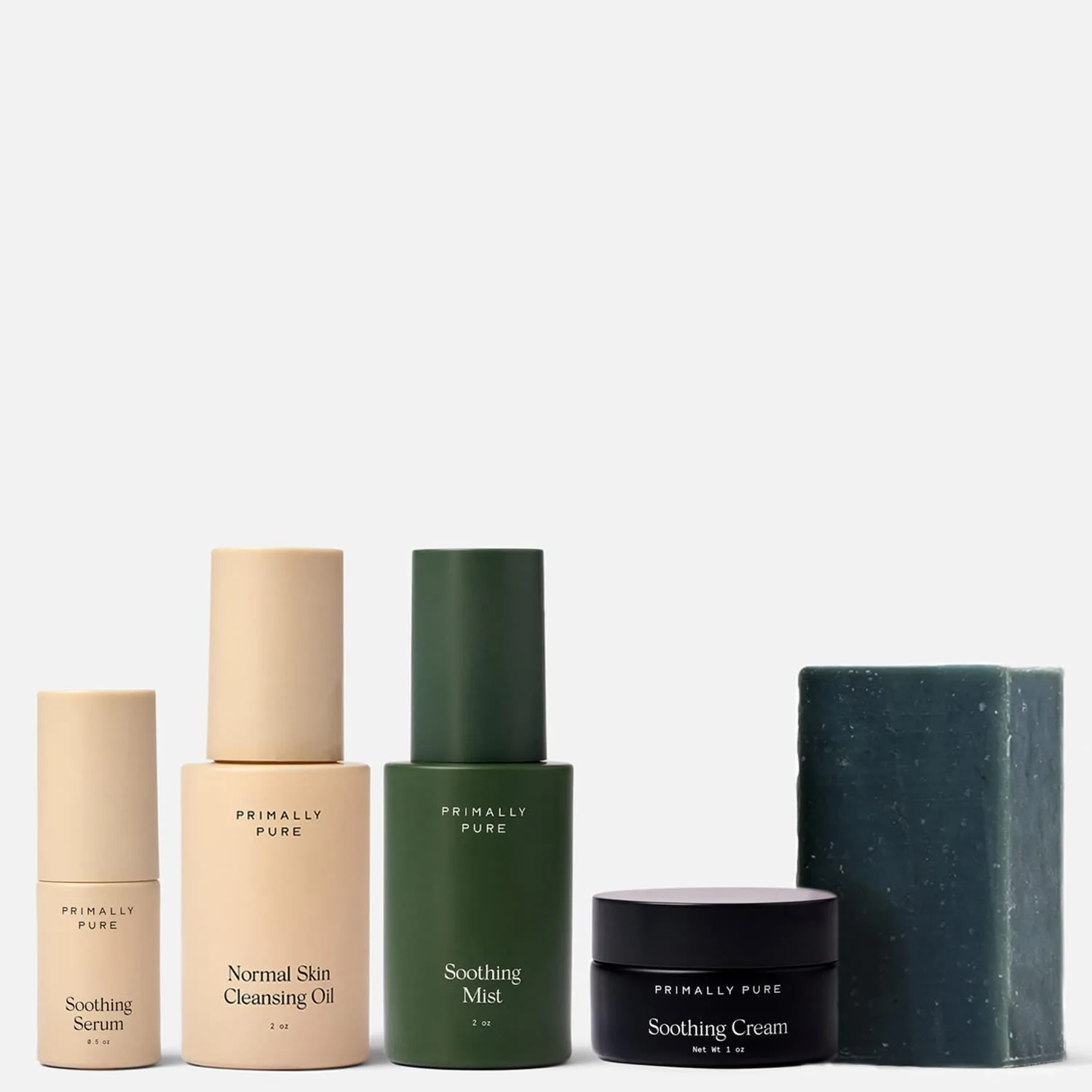
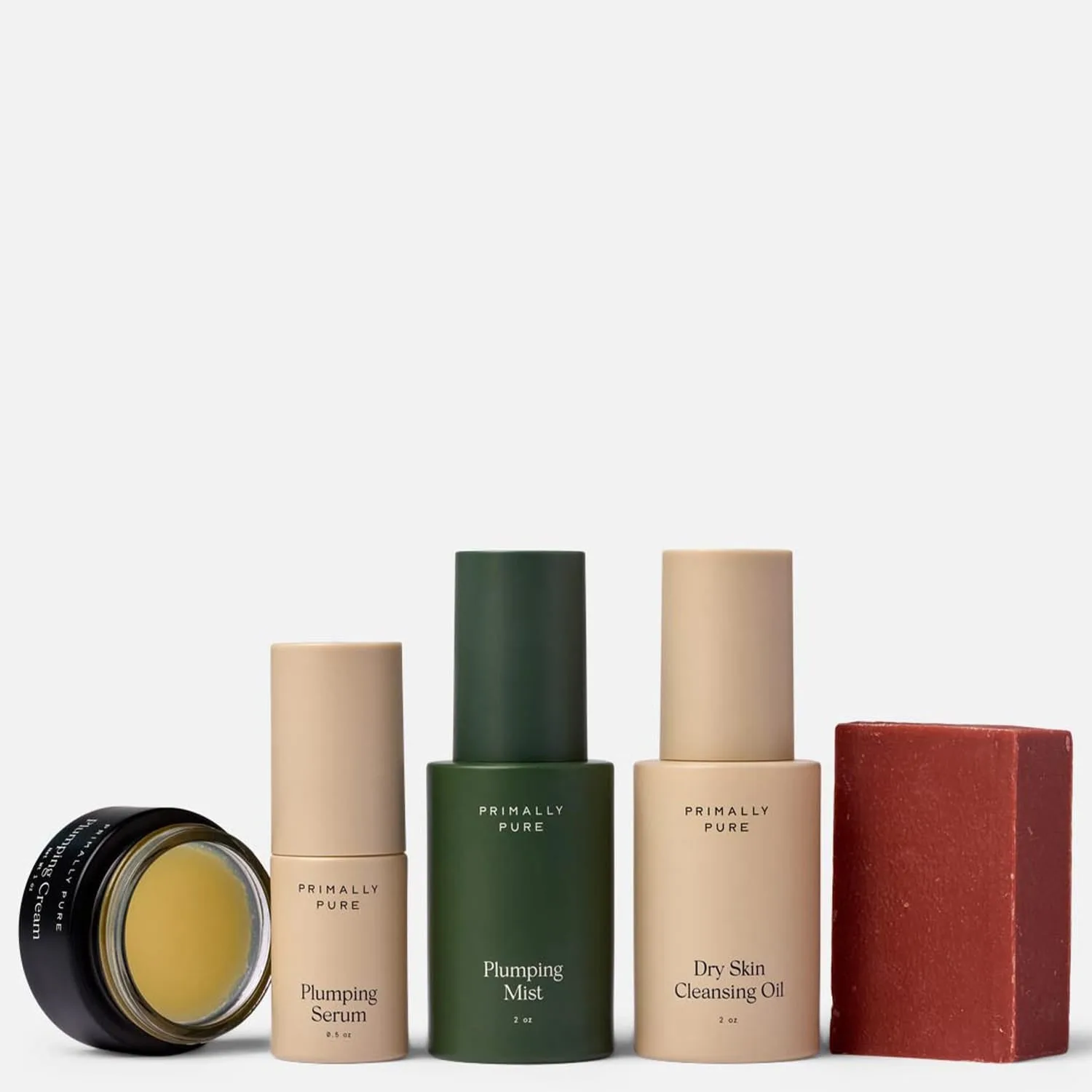
- The Routine: Dry Skin: The Routine: Dry Skin is a bundle that helps rebalance skin weekly by clearing buildup and restoring complexion to its natural baseline; biocompatible moisture and gentle plant actives restore hydration and support a resilient barrier. If you choose body polish for dry skin, this routine provides a structured way to exfoliate and nourish without stripping.
- Mini Almond + Vanilla Body Butter: Mini Almond + Vanilla Body Butter is a bioactive blend of vitamin-rich tallow, botanical butters, and therapeutic essential oils that melts into skin to rebuild moisture and balance the microbiome. Use it after dry brushing to offset the friction and add back moisture, or as a standalone hydrator when you skip exfoliation.
- Mini Body Wash Trio: Mini Body Wash Trio includes creamy, low-suds body cleansers that protect the skin’s delicate ecosystem while removing dirt and impurities; fewer suds, better skin barrier. A gentle cleanser is a smart follow-up to either exfoliation method, especially if you dry brush before showering.
Which method fits you?
Body polish is best for
- Dry or sensitive skin that needs hydration along with exfoliation
- Anyone who wants a one-step cleanse-and-moisturize routine in the shower
- People who prefer a gentler, dissolving exfoliant over firm bristles
Dry brushing is best for
- Very sensitive or reactive skin that reddens easily
- Anyone looking for exfoliation plus moisturization in one product
- People who dislike the mess or time of a shower-based scrub