Quick answer
Choose vinyl figures if you want tactile, dimensional pieces that sit on a shelf and can be rotated or handled; choose art prints if you want large-scale wall presence and lower per-piece cost. For most new collectors, a small vinyl figure plus one framed print covers both display styles without overcommitting.
How vinyl figures and art prints differ in practice
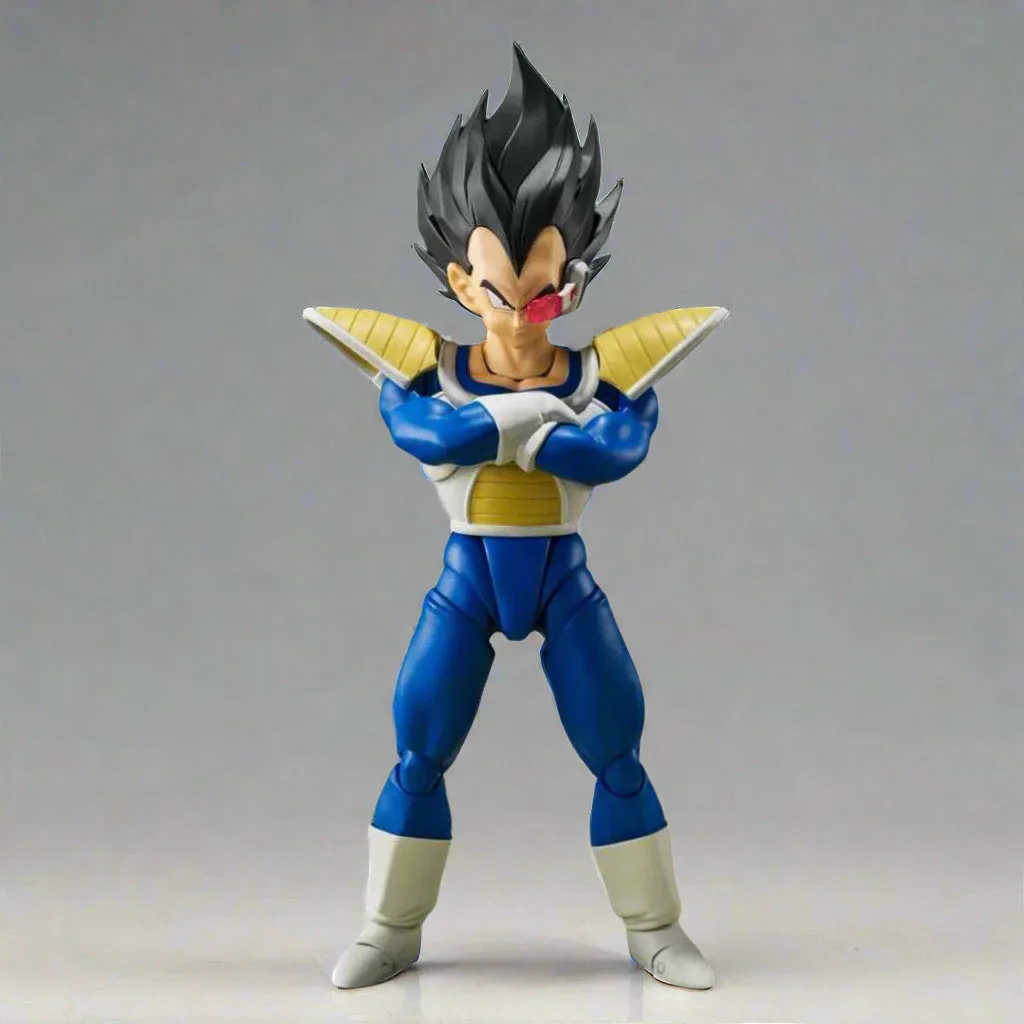
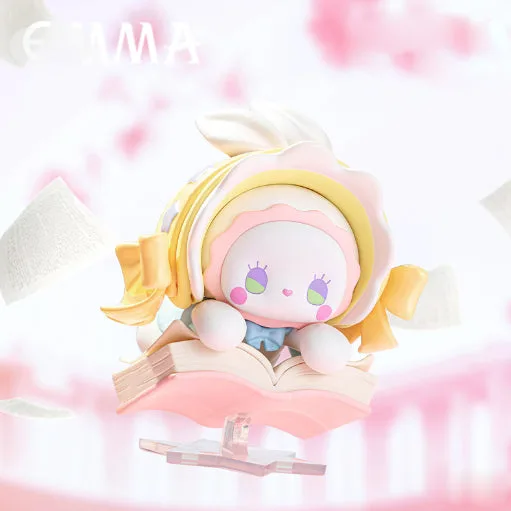
Vinyl figures are three-dimensional objects made from materials like sofubi vinyl, PVC, or resin. They occupy shelf or desk space and are viewed from multiple angles. Art prints are two-dimensional paper editions meant for framing and wall display. The practical difference shows up immediately in how you store, clean, and enjoy them: a figure collects dust on curved surfaces and can be knocked over, while a print needs a frame, mat, and a wall that avoids direct sunlight.
Cost per piece and edition size
Vinyl figures often carry higher per-piece prices because of sculpting, molding, and painting steps, but many are open editions or small runs. Art prints can be cheaper per piece, yet framing adds a separate cost that is easy to underestimate. If you are comparing a single figure against a single print, factor in the frame before deciding which is the better value for your budget.
Space and display demands
A shelf of vinyl figures grows outward and needs depth, while a wall of prints grows upward and needs width. Renters who cannot drill may find freestanding figures easier to place, while owners with open wall space can scale a print collection more dramatically. Neither format is inherently better; the constraint is your room.
Care and long-term condition
Vinyl figures resist fading better than paper but can yellow, warp in heat, or break if dropped. Art prints are vulnerable to UV light, moisture, and handling creases, so archival framing and away-from-window placement matter. If you want low-maintenance display, figures usually win; if you want archival longevity, prints with proper framing can outlast many toys.
Collecting style: hunters vs. curators
Blind box and designer toy collectors often enjoy the hunt, the surprise, and the community around releases. Art print collectors tend to focus on a single image, edition number, and artist signature. Your collecting style should decide the format more than any spec sheet.
Trade-offs at a glance
- Vinyl figures: tactile and dimensional: You get a 360-degree object you can pick up, rearrange, and group on a shelf. The trade-off is dusting, breakage risk, and often a higher price per piece. Best if you enjoy handling and rotating your display.
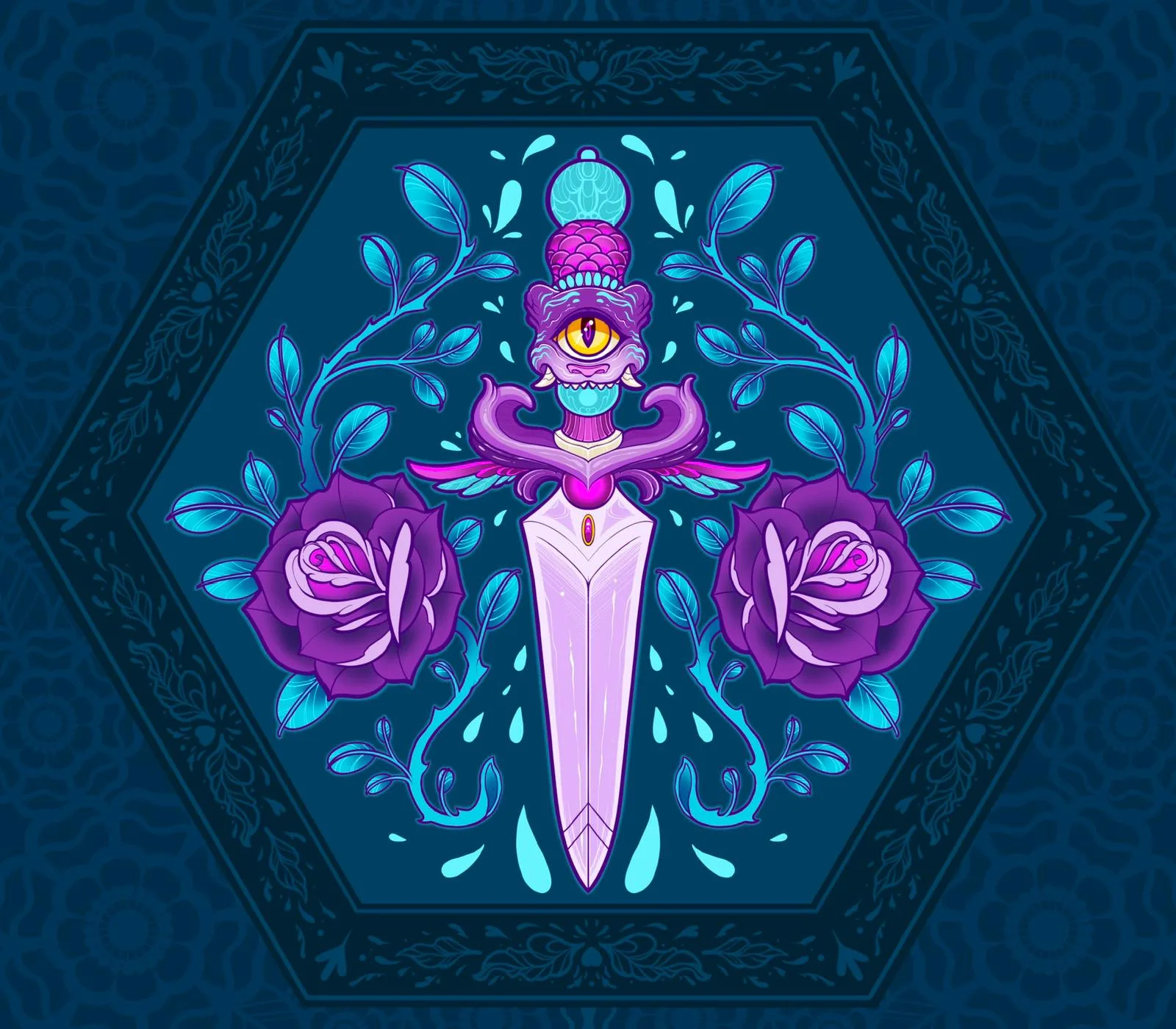
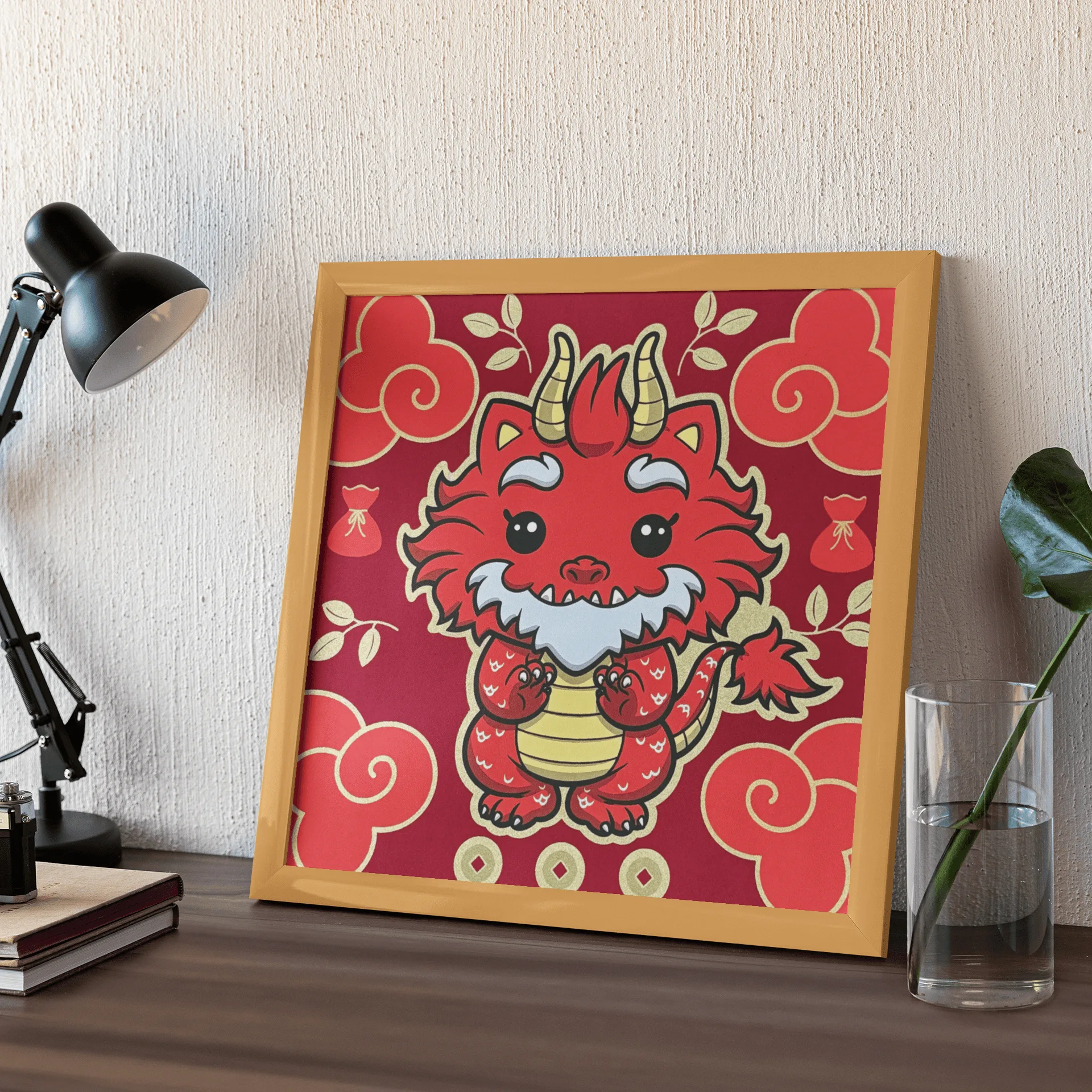
- Art prints: wall impact and lower entry cost: Prints cover large visual area for less money per piece, but they require framing, wall space, and protection from light and moisture. Best if you have open wall space and want a curated gallery look.
- Blind box vs. open edition: Blind boxes add surprise and chase figures but can lead to duplicates. Open-edition prints let you choose the exact image, though popular runs may sell out. Decide whether you value the hunt or the guarantee.
Two figures that show the range
- Giant Isopod Artic Sea by Only Creatures: Sofubi vinyl construction with a glow-in-the-dark effect, compact 7.8cm scale, inspired by the giant isopod. A small, durable figure that adds a playful surprise without needing much shelf depth.
- Demon Slayer: Kimetsu no Yaiba Birth Flower Series Figures: Blindbox series with 12 regular designs and 1 secret figure; available as a single box or a full case of 12. Lets you choose between the surprise of one box or a complete set, which changes both cost and display outcome.
- City of Twilight and Night - Hell version by ODOM: Vinyl/PVC figure measuring about 6.8cm tall and 9cm long, limited to 300 pieces worldwide. A small limited edition that appeals to collectors who value scarcity and a defined display footprint.
Which should you buy?
Choose vinyl figures if you
- Want a tactile, three-dimensional collection you can handle and rearrange
- Have shelf or desk space but limited wall space
- Enjoy the surprise of blind boxes or the hunt for limited editions
Choose art prints instead if you
- Prefer large-scale wall art and a gallery-style display
- Want lower per-piece cost and are willing to budget for framing
- Need a collection that stores flat and moves easily