Quick Answer
Rinse your bodyboard leash with fresh water after every session, let it dry completely out of direct sunlight, and store it loosely coiled in a cool, dry place. This routine prevents salt crystals from abrading the urethane and keeps the Velcro and swivel working smoothly.
A bodyboard leash is a simple piece of gear, but it takes a beating. Saltwater, sand, and UV rays work together to break down the urethane cord, corrode the swivel, and clog the Velcro. With a few minutes of care after each session, you can significantly extend its life and avoid mid-session failures.
Dakine bodyboard leashes are built to handle rough conditions, but no leash is indestructible. Regular maintenance not only saves you money but also ensures your leash performs when you need it most. Here’s a practical, step-by-step guide to caring for your leash.
Why Bodyboard Leash Care Matters
Saltwater is the biggest enemy of your bodyboard leash. When saltwater dries, it leaves behind tiny crystals that can abrade the urethane cord and corrode the metal or plastic components. Over time, this can cause the leash to weaken and snap at the worst possible moment.
Sand is another culprit. It gets into the Velcro and the swivel, causing them to wear out faster. UV rays from the sun can also degrade the urethane, making it stiff and brittle. Regular cleaning and proper storage address all these issues, keeping your leash flexible and reliable.
- Always rinse with fresh water after saltwater use.
- Avoid leaving your leash in direct sunlight for extended periods.
- Check the leash for wear before each session.
Signs Your Leash Needs Replacement
Even with the best care, leashes eventually wear out. Look for fraying or nicks in the urethane cord, a swivel that doesn’t rotate freely, or Velcro that no longer holds securely. If you notice any of these signs, it’s time to replace your leash.
A good rule of thumb is to replace your bodyboard leash every season if you ride regularly. If you notice any cracks or stiffness in the cord, don’t wait—replace it before it fails in the water.
Step-by-Step Bodyboard Leash Care
- Rinse with fresh water: After each session, rinse the entire leash with fresh water. Pay special attention to the Velcro strap and the swivel. Use a gentle stream to flush out sand and salt. Don't use hot water or soap—it can strip natural oils and damage the urethane.
- Dry thoroughly: Lay the leash flat on a towel in a shaded, well-ventilated area. Let it air dry completely. Avoid direct sunlight, as UV rays can degrade the material. Drying can take a few hours; make sure it's fully dry before storing to prevent mildew.
- Inspect for wear: Check the cord for nicks, fraying, or stiffness. Test the swivel for smooth rotation and the Velcro for a secure hold. Look for any cracks in the cuff or rail saver. If you see any damage, replace the leash before your next session. Better safe than sorry.
- Store properly: Coil the leash loosely and store it in a cool, dry place away from direct sunlight. Avoid hanging it by the cord, as this can stretch it over time. Use a dry bag or tote to keep it clean. Proper storage prevents kinks and protects the leash from environmental damage.
Gear That Makes Leash Care Easier
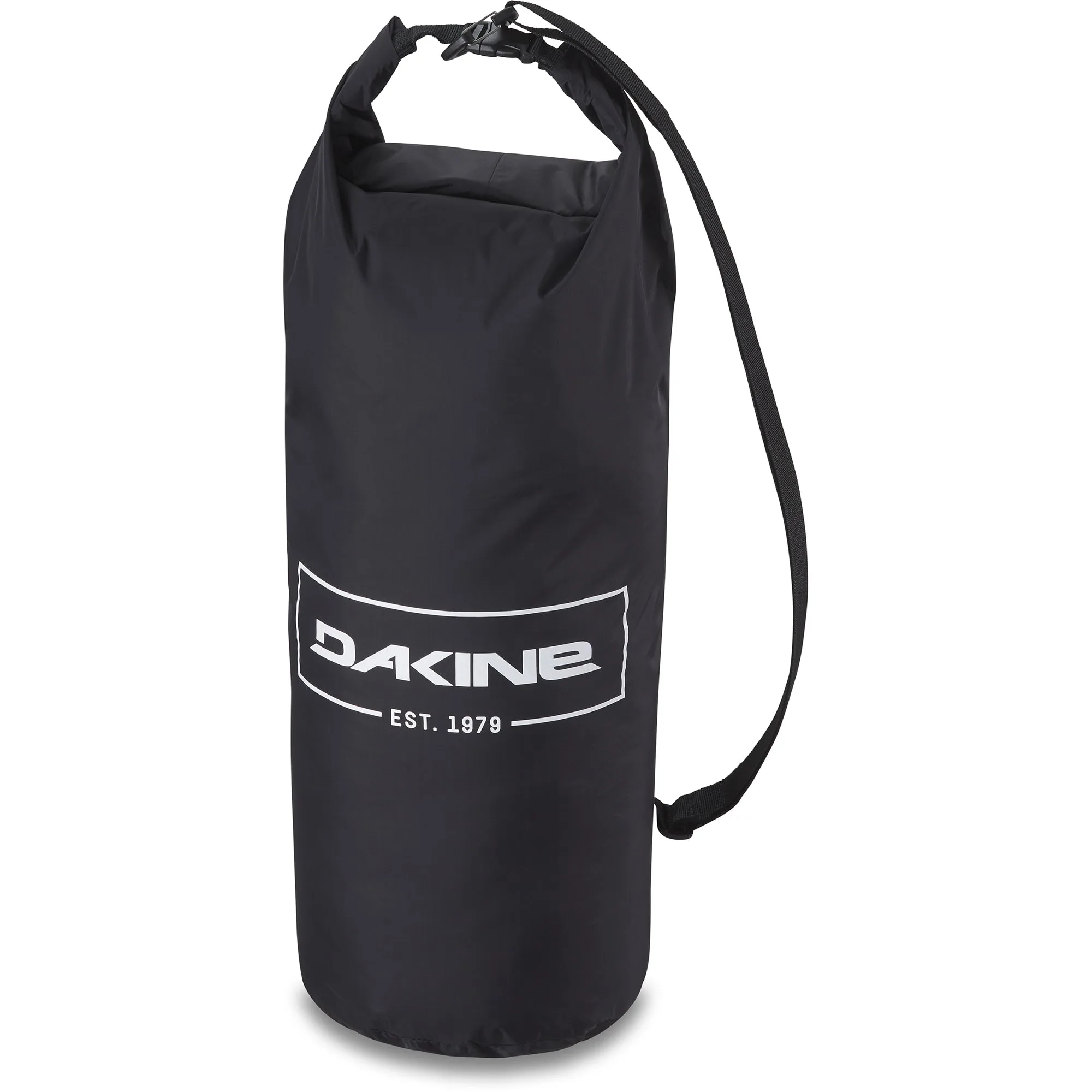
- Packable Wet/Dry Rolltop Bag 20L - Black: A 20-liter waterproof rolltop dry bag, ideal on its own or in a pack. Sling this Packable Rolltop Dry Bag over your shoulder, or toss it in a pack, to keep the sog in or out. After rinsing your leash, store it in this dry bag to keep your car or backpack free from sand and moisture. The rolltop closure keeps damp gear contained, and the crossbody strap makes it easy to carry separately.
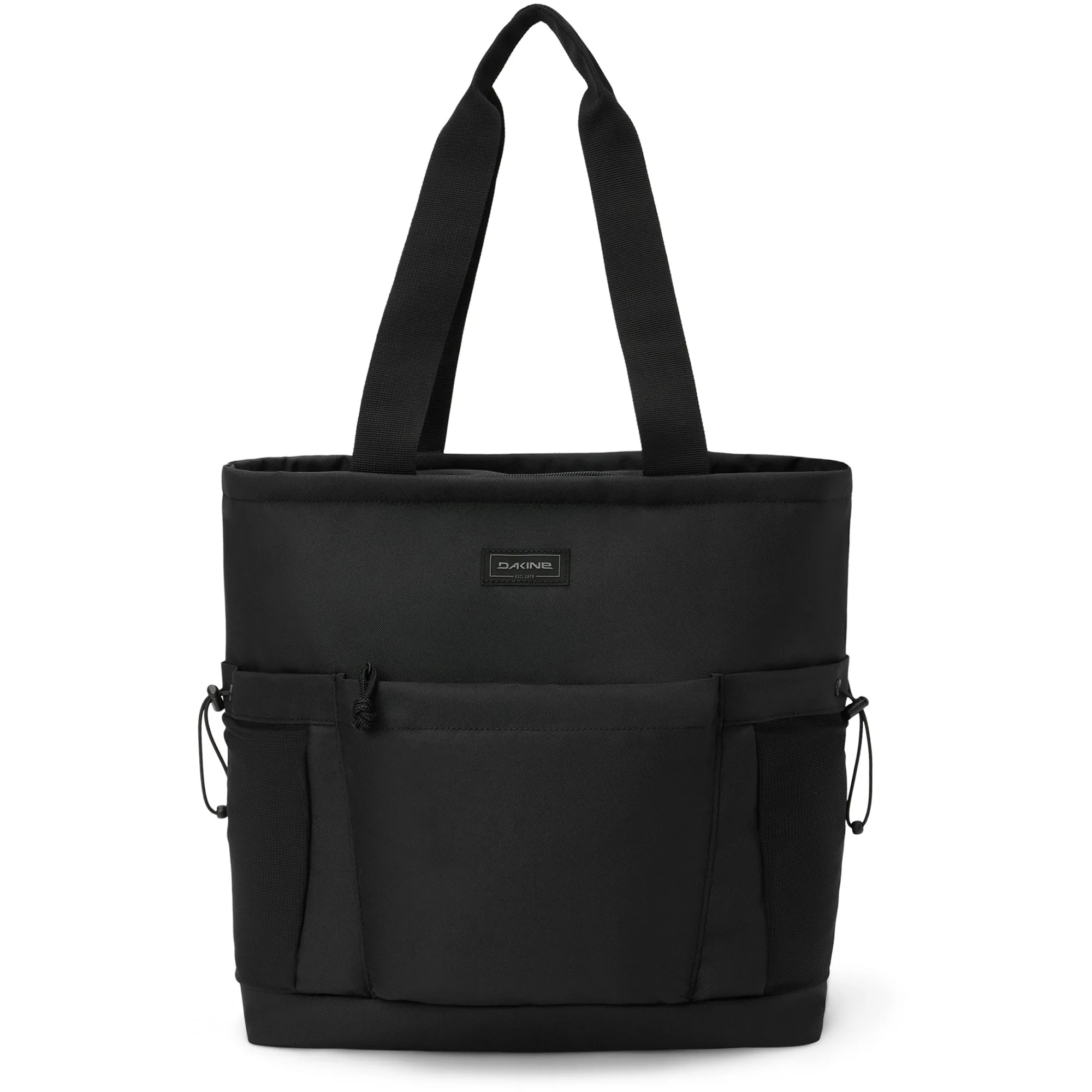
- Beach Tote: Beach Tote split 100% POLYPROPYLENE split 21.65 x 15.35 x 5.91in [ 55.00 x 39.00 x 15.00cm ] 0.88 lbs [ 0.40 kgs ] split Features Exterior center front slide in pocket Web shoulder straps Interior snaphook for attachments. Use the Beach Tote to carry your bodyboard and leash to the shore. The interior snaphook can secure your leash, and the exterior pocket is perfect for storing small care items like a fresh-water spray bottle.
Caring for your bodyboard leash takes just a few minutes but pays off in reliability and longevity. By rinsing, drying, inspecting, and storing correctly, you’ll ensure your leash is ready for every wave. And when it’s time to replace it, you’ll know exactly what to look for.