Quick answer
A bodysuit is a fitted top that fastens at the crotch and usually ends at the hips; a body is a full one-piece garment that covers the torso and often extends to the legs. For daily wear, choose a bodysuit when you want a smooth tucked-in top without bulk, and choose a body when you want a single-piece base layer for warmth or shaping. DIM's range includes supportive bras and cotton-rich basics that work well with either option.
If you have ever stood in front of your drawer wondering whether to reach for a bodysuit or a body, you are not alone. The two terms get used interchangeably, but they solve different problems in a daily wardrobe. A bodysuit is essentially a top that stays put: it fastens at the crotch and gives you a clean line under trousers or skirts. A body is a full one-piece garment, closer to a leotard, that covers your torso and sometimes your legs. The right pick depends on what you need it to do—layer, smooth, or simply keep you comfortable from morning to evening.
What is a body garment, and how is it different from a bodysuit?
A body garment is a one-piece that covers your torso and fastens at the crotch. It can have short, long, or no sleeves, and some styles extend into shorts or full legs. Think of it as a base layer that stays smooth under clothing. A bodysuit, by contrast, is usually a top: it ends around the hip and is designed to be worn as a visible layer or tucked in. Both prevent ride-up, but a body offers more coverage and often more compression, while a bodysuit focuses on a clean top line.
When you shop DIM, you will find both categories represented in different ways. For example, the Soutien-gorge emboîtant en microfibre et tulle Rose Generous is a bra, not a bodysuit, but its flat finishes and soft cups make it a comfortable foundation under a fitted bodysuit or body. The key is to match the base layer to the outer layer: a smooth bra under a close-fitting body, or a cotton-rich bodysuit over a simple bra for everyday errands.
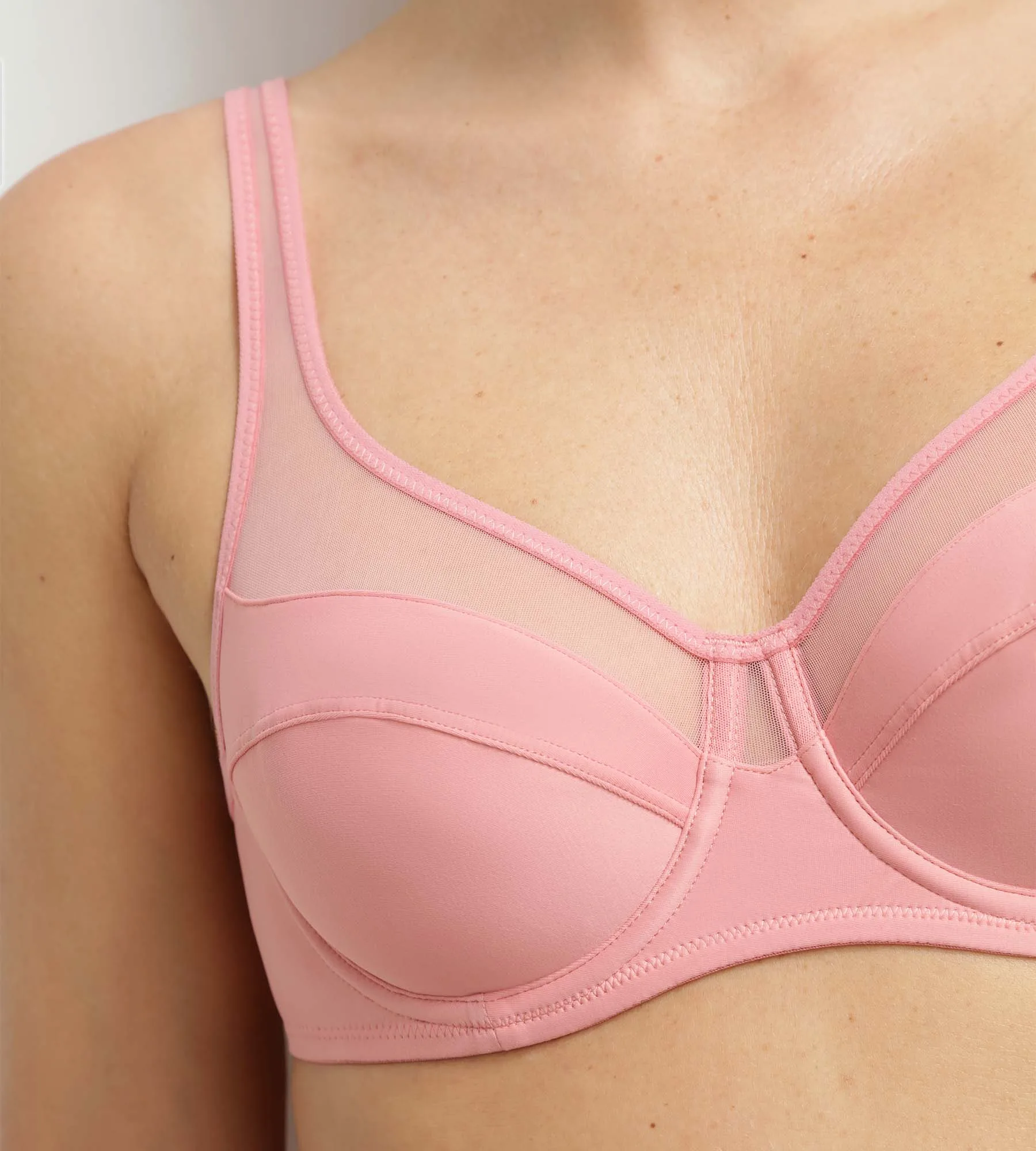
Soutien-gorge emboîtant en microfibre et tulle Rose Generous
- Check the crotch closure: a bodysuit almost always has snaps; a body may have snaps or a hook-and-eye.
- Look at the leg opening: a body that extends to the legs will show under short hemlines.
- Consider the neckline: a bodysuit with a deep V can replace a camisole under a blazer.
Bodysuit vs body: comfort, layering, and daily routines
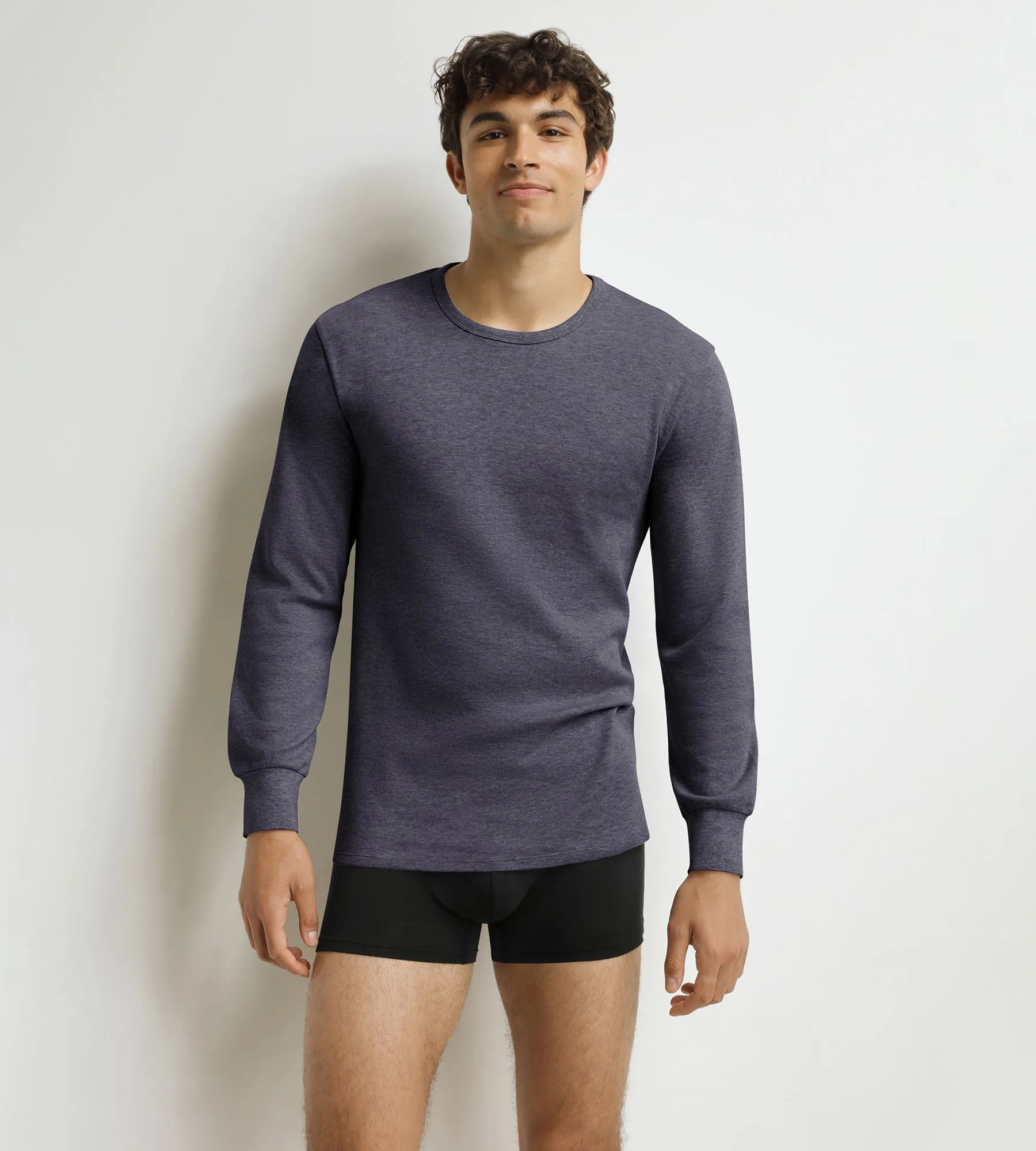
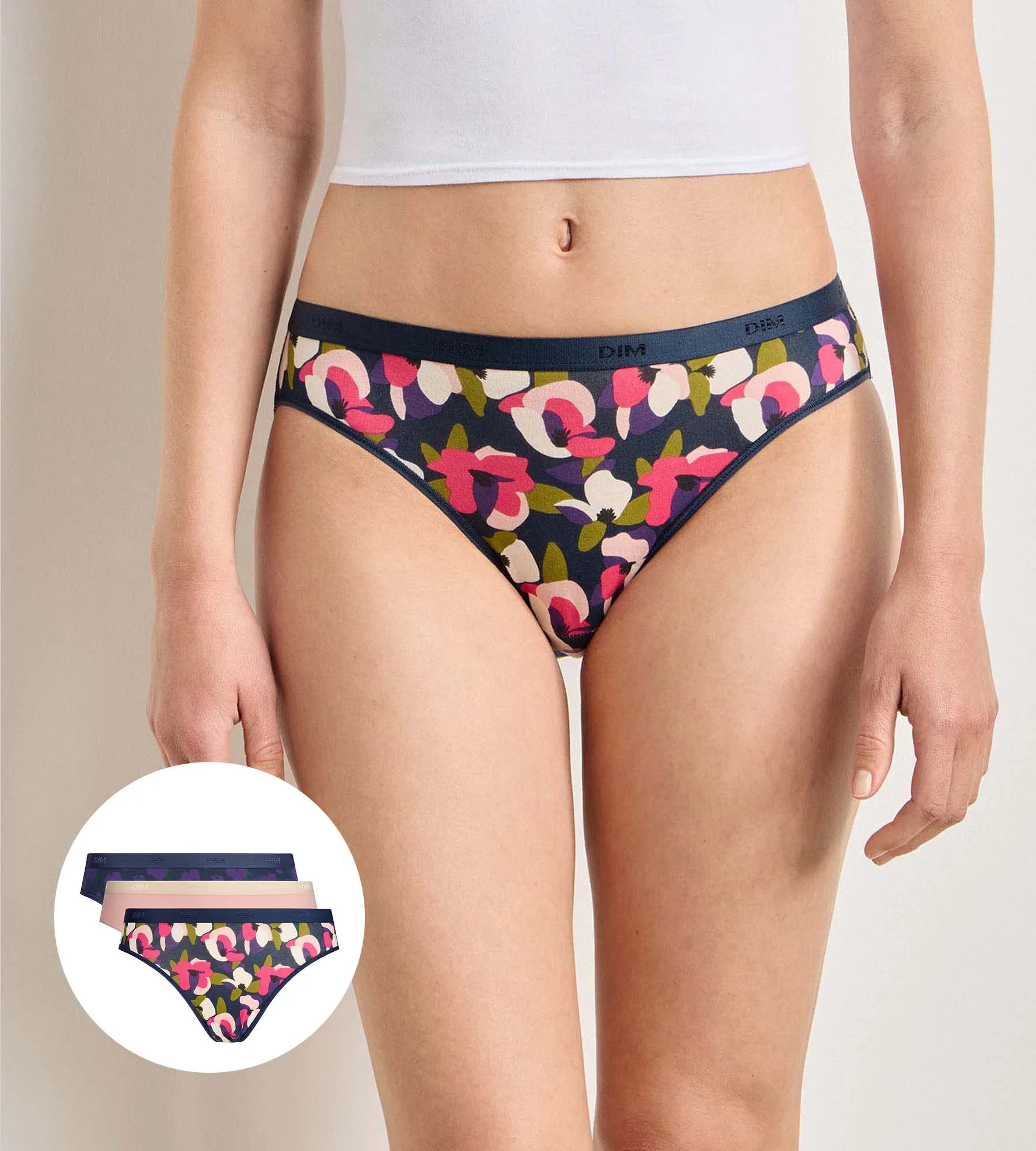
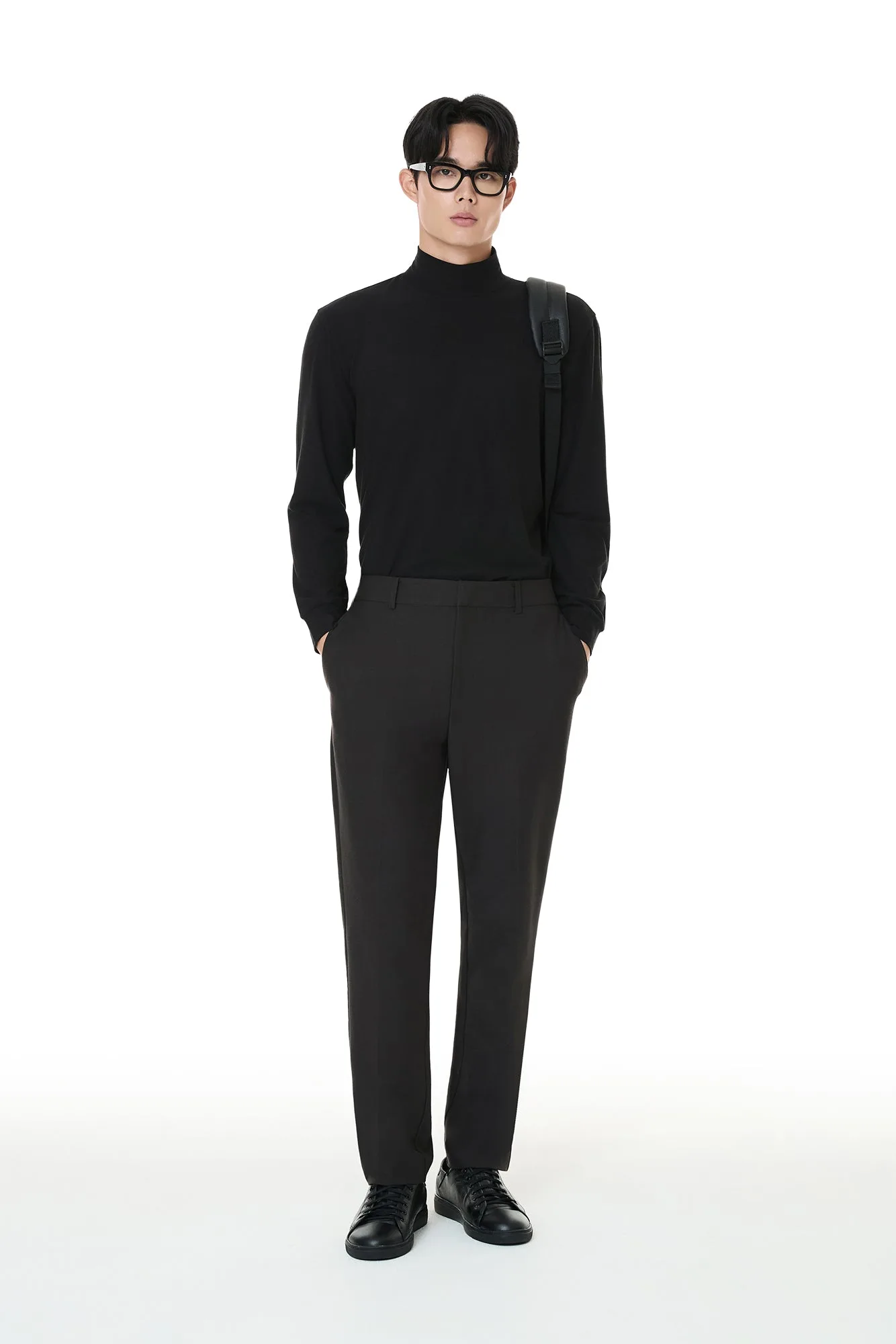
For daily wear, comfort usually comes down to fabric and fit. A bodysuit in cotton stretch feels soft and breathable, making it a good choice for long days at a desk or running errands. A body in microfibre or a cotton blend can feel smoother under tight dresses and may offer light shaping. If you tend to overheat, a cotton-rich bodysuit like the Lot de 3 culottes floral chic Les Pockets Coton (worn as a separate bottom) pairs well with a breathable bra. If you want warmth without bulk, a thermal top such as the T-shirt homme en coton gris bleuté Dim Thermal can be layered under a body for extra insulation.
Layering matters too. A bodysuit is easier to wear with high-waisted trousers because it stays tucked without adding volume at the waist. A body can be trickier to layer if it has a high neckline or long legs—you may need to choose outerwear that accommodates the extra fabric. For a smooth look under a slip dress, a body with a low back and a seamless finish is often the better choice. For a casual outfit with jeans, a bodysuit in a neutral tone is simpler and more versatile.
- Test the snap closure: if it digs in when you sit, size up or choose a different style.
- Wash both garments in a mesh bag to protect the elastane and extend their life.
- If you wear a body under a tight dress, check that the leg openings do not create ridges.
Shapewear bodysuit vs everyday bodysuit: what changes
A shapewear bodysuit is designed with firmer panels to smooth the tummy, waist, or thighs. It is usually made from a higher-elastane blend and may feel snugger than an everyday bodysuit. An everyday bodysuit prioritises breathability and softness, often in cotton or a cotton-modal blend. If you want light smoothing without a restrictive feel, look for a bodysuit with targeted panels rather than full compression. If you simply want a top that stays put, a standard cotton bodysuit is enough.
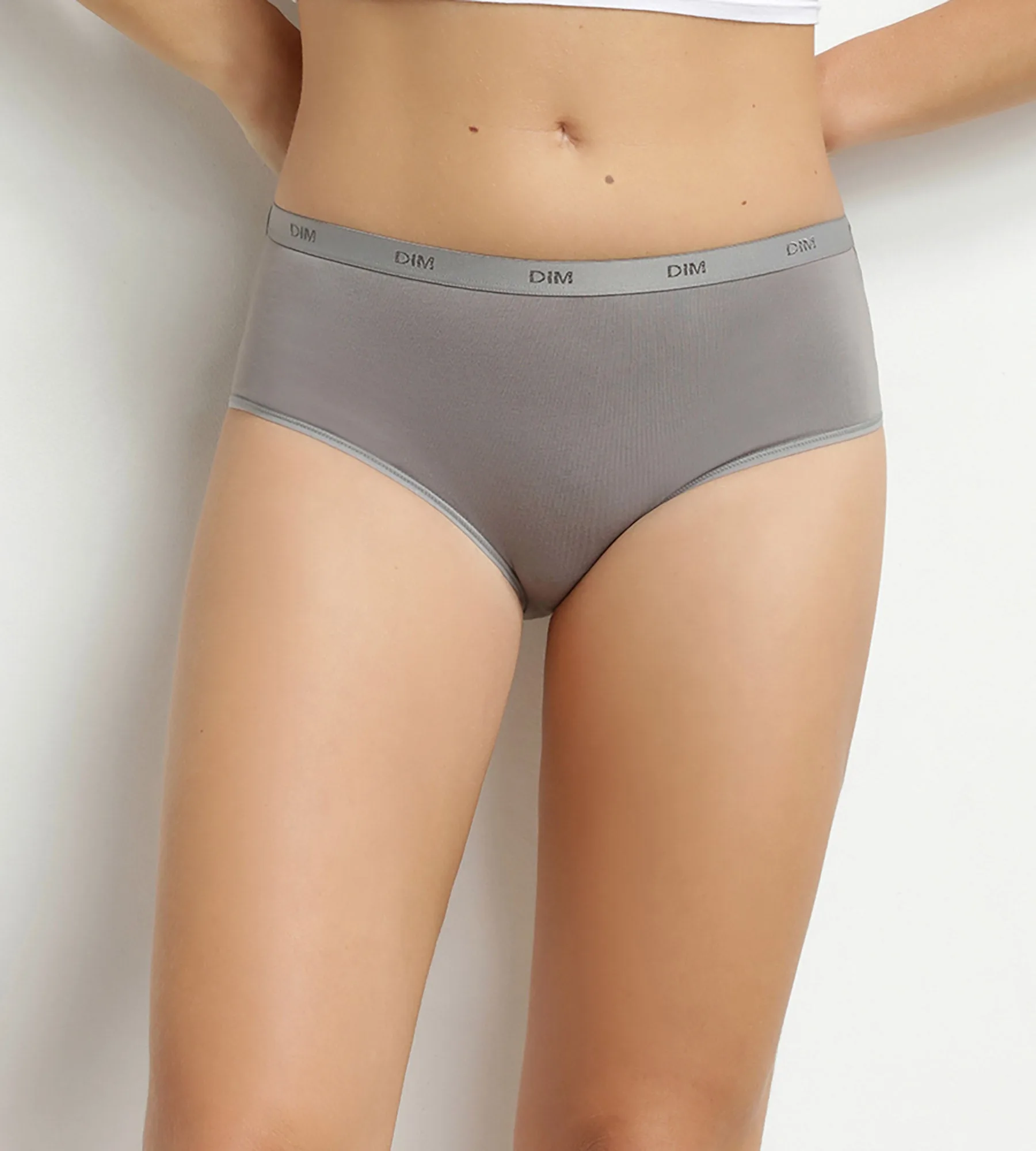
DIM's product range includes supportive bras and cotton-rich bottoms that can work alongside either type. For instance, the Lot de 3 boxers femme coton stretch Gris Jaune Les Pockets Ecodim offers a soft, breathable base that can be worn under a body or as a separate bottom. The choice between shapewear and everyday comes down to how much compression you want and how long you plan to wear it. For all-day wear, a lighter touch is usually more comfortable.
- Shapewear bodysuits often have adjustable straps and a reinforced crotch for comfort.
- Everyday bodysuits may have a simpler construction and a lower price point.
- If you are between sizes, size up in shapewear to avoid pinching.
Fit guidance: how to choose the right size and style
Fit is the deciding factor between a bodysuit and a body you love and one that stays in the drawer. Start with your torso length: if you have a long torso, look for bodysuits with adjustable straps or a higher rise. For a body, check the torso measurement in the size chart—too short and it will pull at the shoulders; too long and it will bunch at the waist. Next, consider your bust: a bodysuit with a built-in bra can simplify layering, but if you prefer your own bra, choose a bodysuit with a scoop neck that hides the bra line. The Soutien-gorge emboîtant en microfibre et tulle Rose Generous has flat finishes that stay invisible under close-fitting garments, making it a good partner for a bodysuit.
Finally, think about the rest of your outfit. If you wear a lot of high-waisted jeans, a bodysuit with a thong back avoids visible lines. If you wear dresses, a body with a smooth finish and no leg seams is more flattering. And if you want a cosy layer for colder days, the T-shirt homme en coton gris bleuté Dim Thermal can be worn under a body for extra warmth without adding bulk. Always try both options with the clothes you plan to wear them with—what works under a blazer may not work under a slip dress.
- Measure your torso from shoulder to crotch to find your ideal length.
- Check the return policy if you are unsure between two sizes.
- Look for flat seams and covered elastic if you have sensitive skin.
Trade-offs: bodysuit vs body at a glance
- Coverage: A bodysuit typically covers the torso and ends at the hip; a body covers the torso and may extend to the legs. Choose a body if you want more coverage or warmth; choose a bodysuit if you want a lighter layer.
- Layering ease: Bodysuits tuck smoothly into trousers and skirts; bodies can add bulk under tight outerwear. For high-waisted bottoms, a bodysuit is usually easier; for slip dresses, a seamless body works better.
- Compression and shaping: Shapewear bodysuits offer targeted smoothing; everyday bodysuits and bodies prioritise comfort and breathability. If you want light shaping, look for a shapewear bodysuit; for all-day comfort, choose cotton-rich options.
- Bathroom breaks: Both usually have a crotch closure, but bodies with more coverage can be fiddlier to manage. Try a bodysuit first if you prioritise convenience; practice with a body before wearing it for a long day.
DIM pieces that work with bodysuits and bodies
- Soutien-gorge emboîtant en microfibre et tulle Rose Generous: Microfibre veloutée, bonnets souples et couvrants, finitions plates et invisibles sous les vêtements. Its flat finishes and soft cups make it a comfortable, invisible base layer under a fitted bodysuit or body.
- Lot de 3 culottes floral chic Les Pockets Coton: Coton stretch doux au quotidien, forme culotte facile à porter, matière souple et agréable. These cotton-rich briefs are breathable and comfortable for everyday wear, whether you choose a bodysuit or a body on top.
- T-shirt homme en coton gris bleuté Dim Thermal: Coton isolant, doux au toucher et naturellement chaud, coupe couvrante et cintrée. A thermal base layer like this can be worn under a body for extra warmth on cold days without adding bulk.
Which should you choose?
Best for
- Anyone who wants a smooth, tucked-in top under jeans or trousers without bulk.
- Layering under blazers or cardigans where a clean line matters.
- Everyday wear in breathable cotton stretch fabrics.
Not for
- Those who need full torso-to-leg coverage or extra warmth—choose a body instead.
- People who prefer a looser, untucked silhouette.
- Situations where you need firm, all-over shaping—look for a dedicated shapewear bodysuit.
There is no single winner in the bodysuit vs body debate—it depends on your daily routine, your outfit, and how much coverage you want. Start with one bodysuit in a neutral tone and one body in a smooth fabric, then see which you reach for more often. With DIM's range of comfortable bras and cotton-rich basics, you can build a base layer that works for you.