Quick Answer
The main difference lies in intent: a leotard is athletic wear designed for movement, while a bodysuit is a fashion garment meant to be worn as a top. Leotards typically have a higher cut leg and no closures, while bodysuits often feature snaps or hooks for convenience. Choose a leotard for dance or workouts, and a bodysuit for everyday styling.
If you've ever shopped for fitted one-piece garments, you've likely seen both bodysuits and leotards and wondered what sets them apart. They look similar at first glance, but they serve very different purposes. Understanding these differences can help you make a purchase that fits your lifestyle, whether you're dressing for a night out or heading to a dance class.
In this guide, we'll compare bodysuits and leotards on fit, closures, fabric, and styling. We'll also look at how bodysuits differ from unitards, another close relative, and offer practical advice on choosing between them.
What Is a Leotard?
A leotard is a skin-tight, one-piece garment that covers the torso but leaves the legs free. It originated as athletic wear for dancers, gymnasts, and acrobats, designed to allow maximum range of motion while keeping the body streamlined. Leotards typically have a high-cut leg opening that extends to the hip, which prevents bunching and allows for easy movement.
Leotards are usually made from stretchy, moisture-wicking fabrics like nylon and spandex. They rarely have closures like snaps or hooks; instead, they pull on over the head. This design keeps them smooth under costumes or workout clothes, but it can make bathroom breaks inconvenient. Some leotards have low backs or long sleeves for performance, but the basic silhouette remains athletic.
- High-cut leg opening for movement
- Pull-on style, no snaps or hooks
- Made for dance, gymnastics, and workouts
What Is a Bodysuit?
A bodysuit is also a one-piece garment that covers the torso and snaps or hooks at the crotch, but it's designed primarily as a fashion top. Bodysuits are meant to be tucked into pants, skirts, or shorts to create a sleek, seamless look. They come in a wide range of styles, from basic cotton to luxurious lace, and often feature adjustable straps, deep necklines, or decorative details.
Unlike leotards, bodysuits prioritize style and convenience. The snap or hook closure at the gusset makes bathroom breaks easier, which is a practical advantage for all-day wear. Bodysuits can also vary in leg coverage: some have a thong back, while others offer full coverage. The fabric choices are broader, including mesh, lace, and ribbed knits, depending on the intended use.
- Snap or hook closure at the crotch for convenience
- Designed as a top to be tucked in
- Wide variety of styles and fabrics for fashion
Bodysuit vs. Leotard: Key Differences
The most obvious difference is the presence of closures. Leotards typically lack snaps, making them less practical for everyday wear. Bodysuits, on the other hand, almost always have a snap or hook closure, which makes them more convenient for bathroom trips and layering.
Fit also differs. Leotards have a higher leg cut to facilitate movement, while bodysuits often have a lower cut or a thong back to remain invisible under clothing. Fabric choices reflect their purposes: leotards use performance materials that wick sweat and stretch in multiple directions, while bodysuits may use delicate fabrics like lace or mesh that are less durable but more stylish.
In terms of styling, leotards are rarely worn as outerwear in everyday fashion, though some designers have incorporated them into streetwear. Bodysuits are versatile fashion staples that can be dressed up or down. A lace bodysuit can serve as a chic top for a night out, while a basic ribbed bodysuit works for casual looks.
It's also helpful to distinguish a bodysuit from a unitard. A unitard covers the torso, legs, and often the feet, resembling a full-body suit. Leotards and bodysuits leave the legs free, but unitards are typically used in dance or as shapewear. If you're considering a unitard for fashion, you'll likely find it less practical for everyday wear due to its full coverage.
- Closures: Leotards pull-on; bodysuits have snaps/hooks
- Leg cut: Leotards high-cut; bodysuits vary, often thong
- Fabric: Leotards performance; bodysuits fashion-forward
- Unitards cover legs, unlike both leotards and bodysuits
How to Choose Between a Bodysuit and a Leotard
Your choice should depend on your primary activity. If you're a dancer, gymnast, or athlete, a leotard is essential for training and performances. Its high-cut leg and sweat-wicking fabric support movement and comfort. For yoga or Pilates, a leotard can also be a good option, though some may prefer a bodysuit with snaps for convenience.
If you're looking for a fashionable top to wear with jeans or a skirt, a bodysuit is the better choice. It offers the same sleek, tucked-in look without the bulk, and the snap closure makes it practical for all-day wear. Bodysuits also come in a wider range of styles, allowing you to express your personal taste.
Consider the level of convenience you need. If you dislike the hassle of unsnapping and resnapping, a leotard might seem simpler, but you'll need to undress completely for bathroom breaks. For most people, the snap closure of a bodysuit is a worthwhile trade-off for style and practicality.
- For dance or sports: choose a leotard
- For fashion and everyday wear: choose a bodysuit
- If you prioritize convenience: bodysuit with snaps
- If you prioritize movement: leotard with high-cut legs
Trade-Offs at a Glance
- Leotard for Performance: High-cut legs and pull-on design maximize movement and prevent bunching during dance or workouts. Best for athletes and dancers who prioritize function.
- Bodysuit for Fashion: Snap closures and varied styles make bodysuits practical and stylish for everyday outfits. Best for fashion-forward individuals who want versatility.
- Convenience vs. Streamlined Look: Bodysuits with snaps are easier for restroom breaks, but a closed gusset design (like the Smokin Mirrors Bodysuit) offers a smoother silhouette under clothing. Decide whether ease of use or a seamless look matters more.
Bodysuits from Thistle and Spire
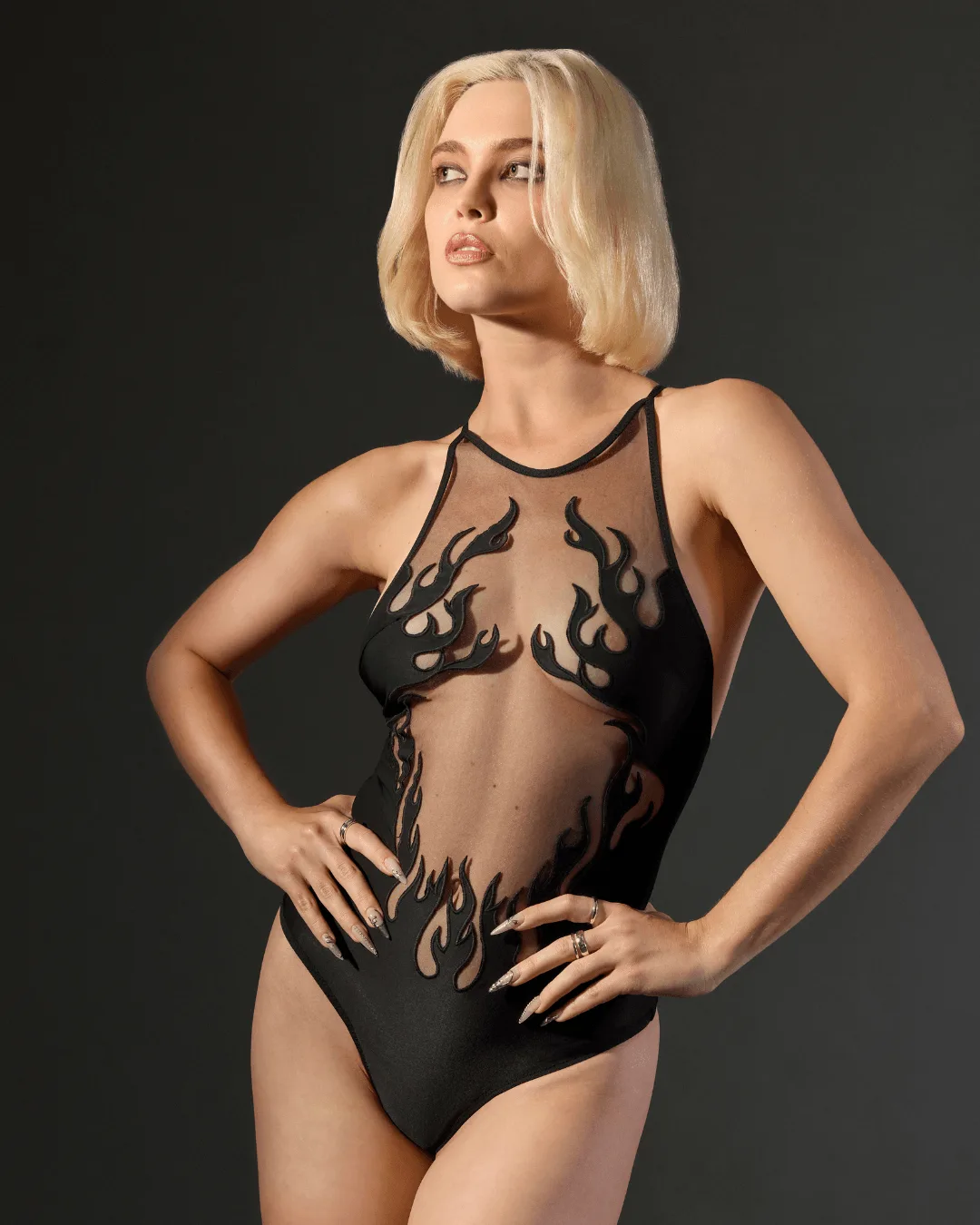
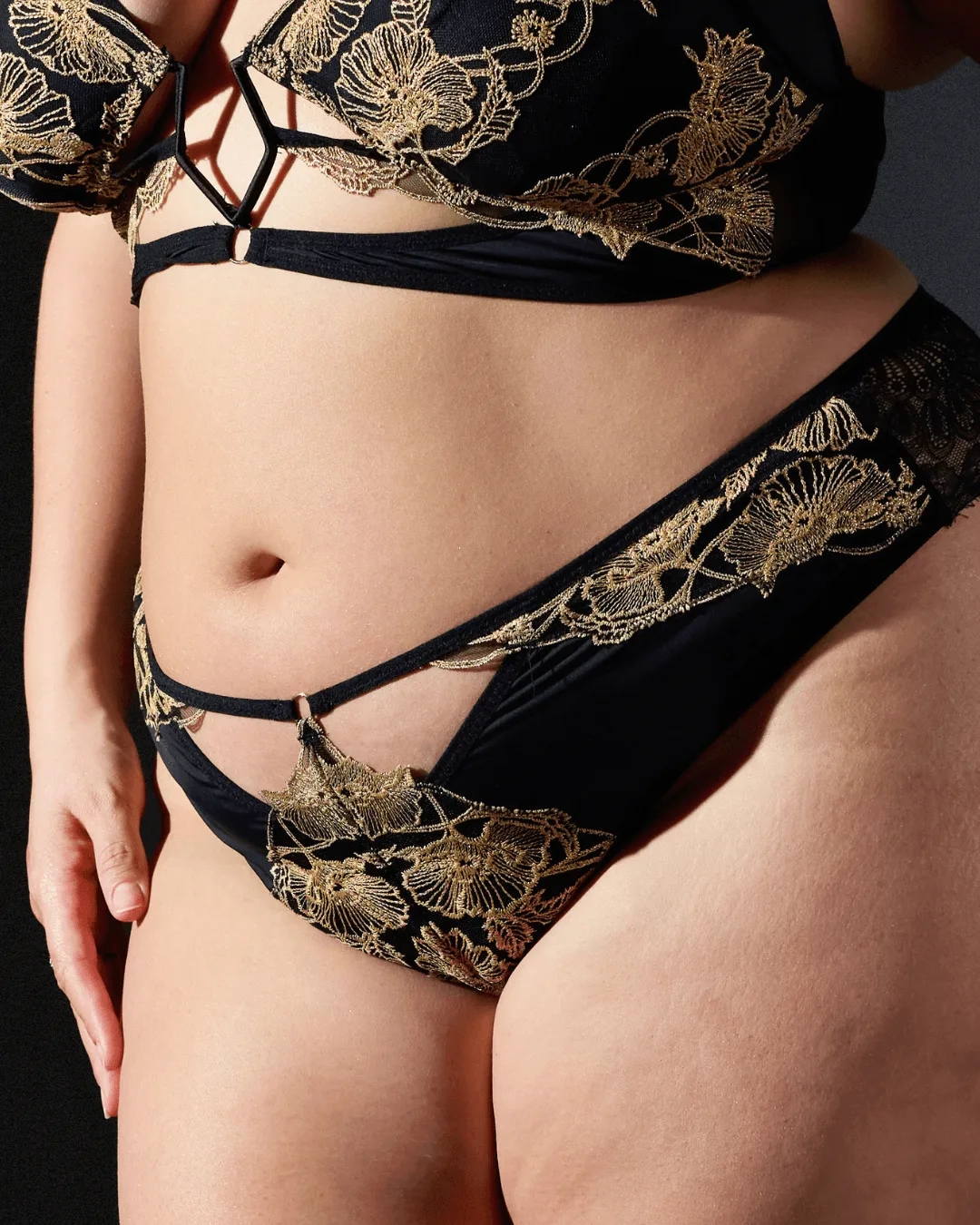
- Smokin Mirrors Bodysuit: Black bodysuit with fire embroidery and thong back. No snaps at gusset. Stretch mesh, elasticated adjustable back straps, closed gusset (move aside for easy access). This bodysuit shows that not all bodysuits have snaps; some use a closed gusset design for a sleek look. The thong back and adjustable straps make it a stylish choice for evenings, but you'll need to move the gusset aside for restroom visits.
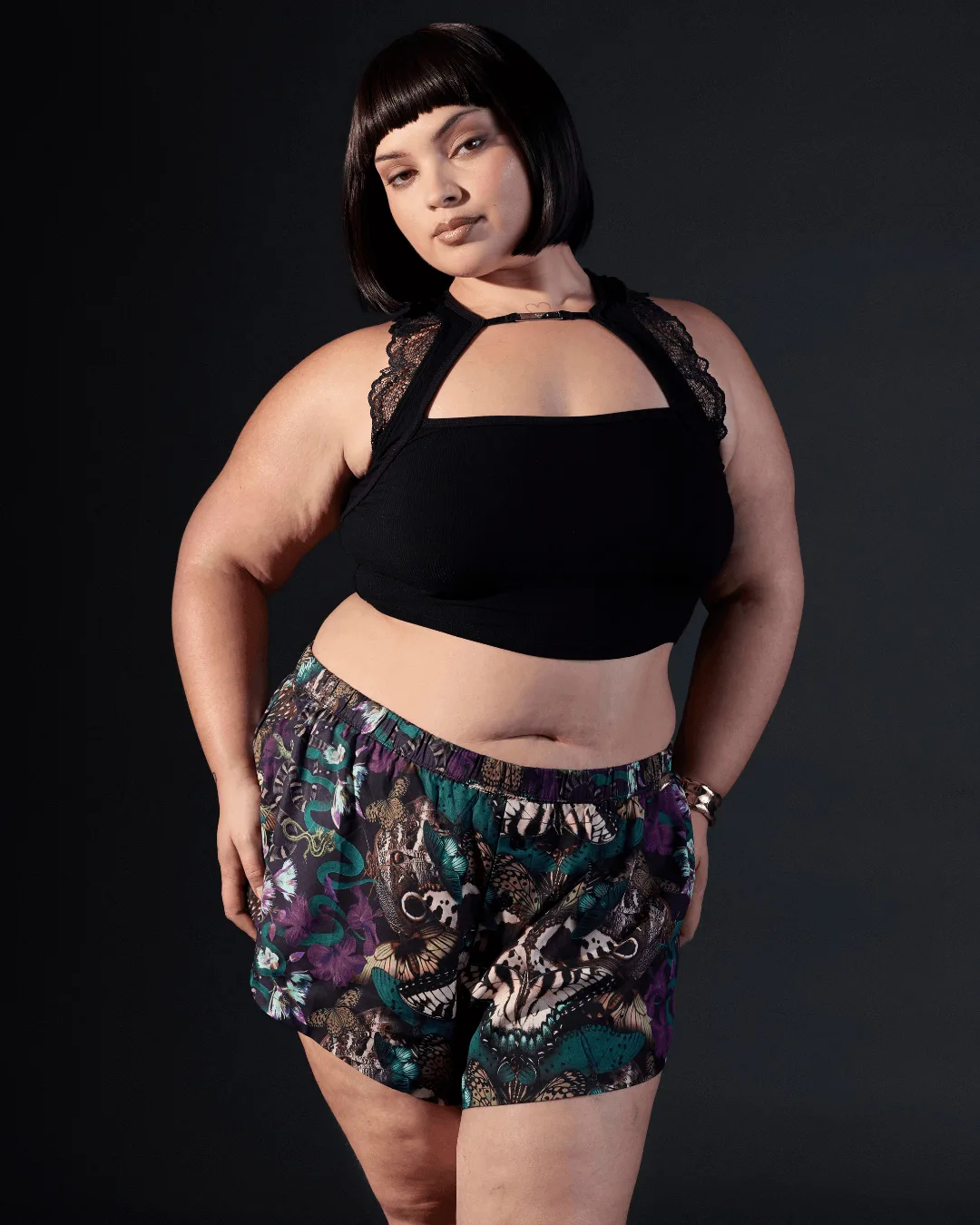
- Kane Cropped Tank & Boxer Short Set - Menagerie: Unisex cropped rib knit scoop neck tank top with classic Kane lace accents and cutouts. Relaxed boxer shorts with elasticated waistline. If you're looking for a two-piece alternative that offers the comfort of a bodysuit without the one-piece hassle, this set provides a relaxed fit and easy wear. It's a versatile option for lounging or styling as a coordinated outfit.
Which Should You Choose?
Best for
- Dancers, gymnasts, and athletes who need a garment that moves with them
- Fashion lovers who want a sleek top that stays tucked in and offers easy restroom access
Not for
- Those who dislike the feel of a one-piece garment or prefer separates
- Anyone looking for full-leg coverage, which would be a unitard instead
In the end, the choice between a bodysuit and a leotard comes down to your intended use. If you're hitting the studio or the gym, a leotard's athletic design will serve you best. If you're curating a stylish wardrobe, a bodysuit offers the perfect blend of form and function. Consider your priorities—movement, convenience, or style—and you'll find the right fit.