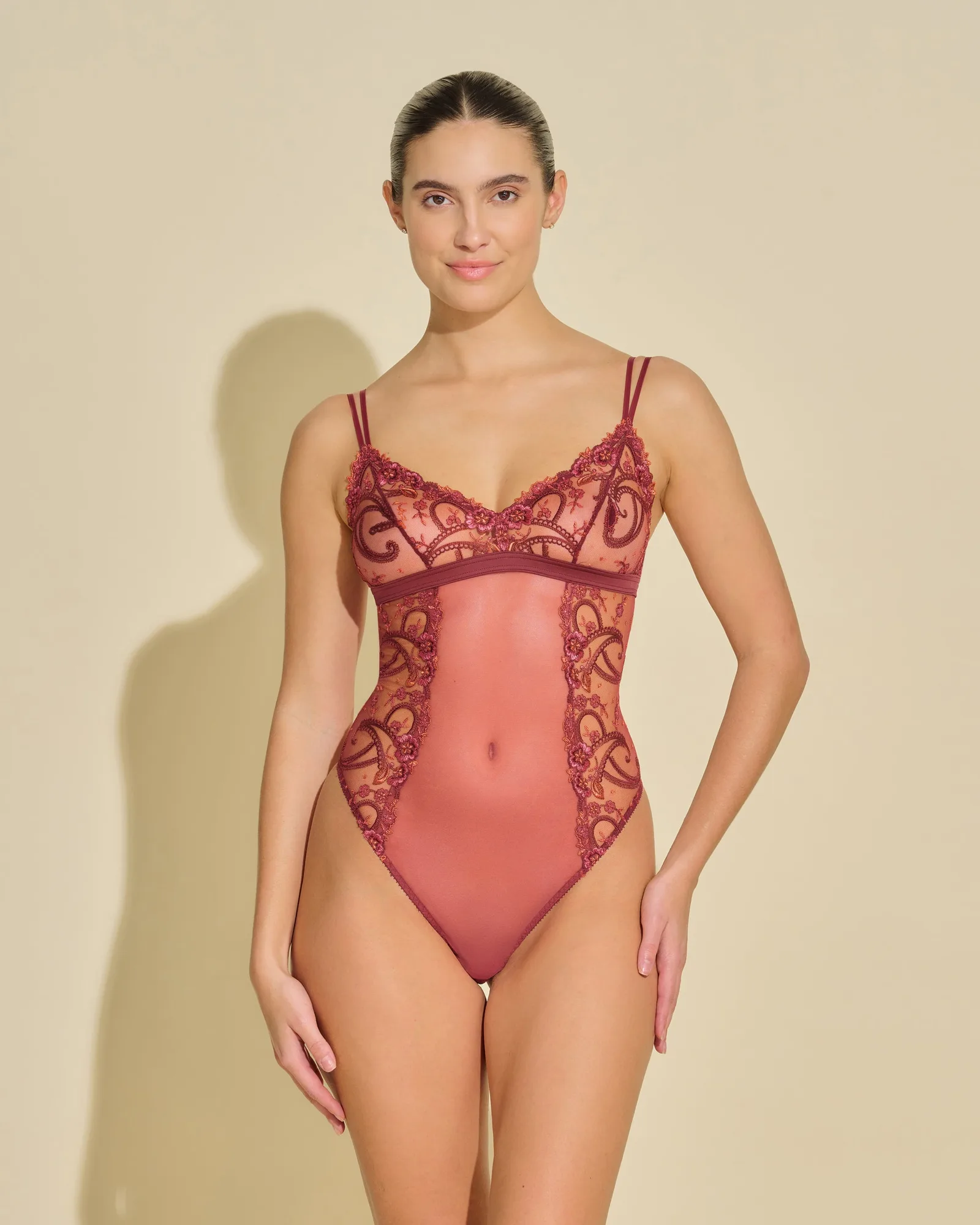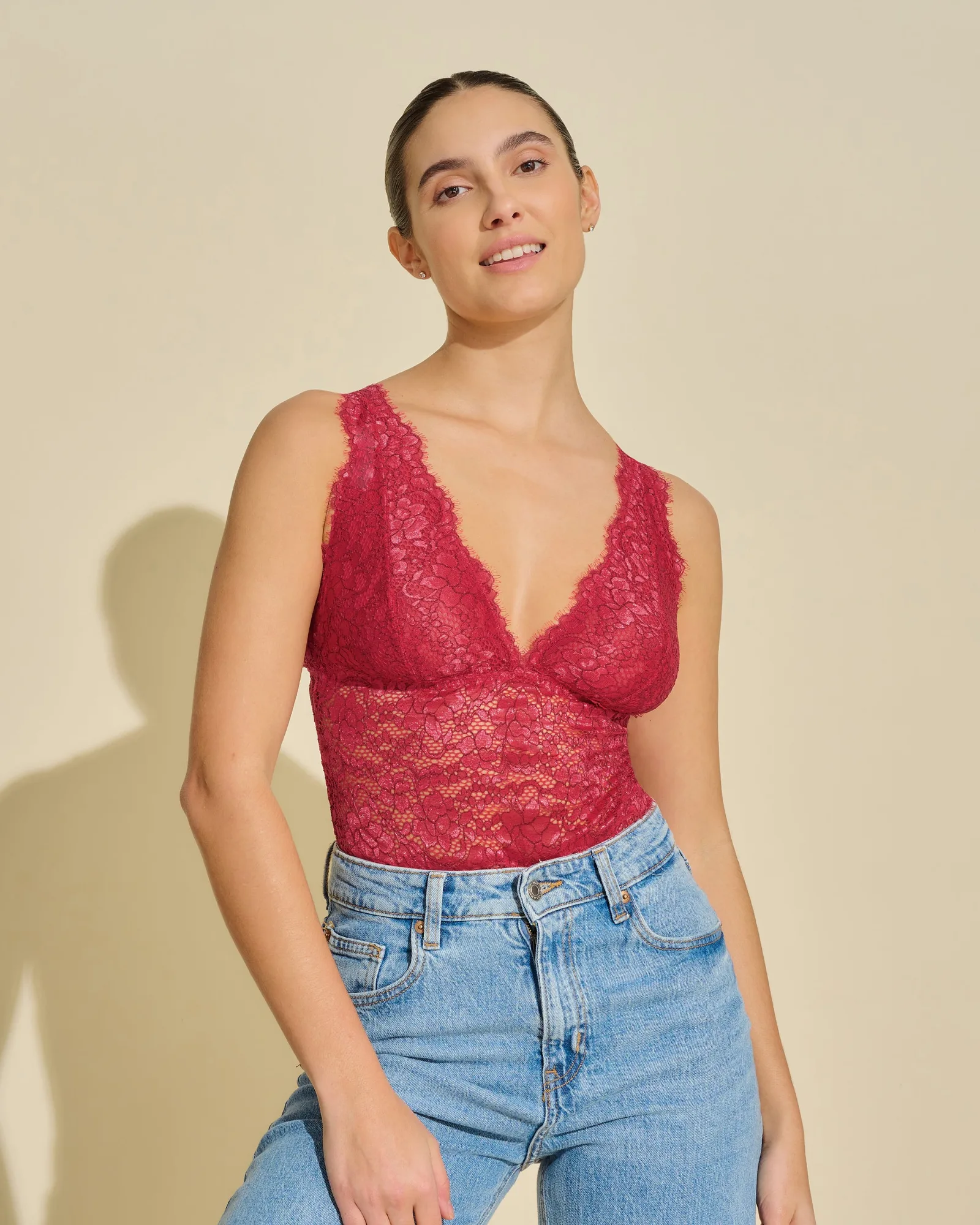
Quick Answer
While bodysuits and one-piece swimsuits share a similar silhouette, they are not interchangeable for most activities. Bodysuits are designed for layering and intimate wear, using fabrics that may not withstand chlorine or saltwater. One-piece swimsuits are engineered with quick-drying, water-resistant materials. For lounging by the pool or a beach cover-up, a bodysuit-velluto-en-2211ef0ff265503ba0eafa59-930036">bodysuit-black-celestial-en-1200134fdfb651d086492f70-930014">bodysuit-ibisco-passiflora-en-fb140f10a7fde9b0a7cd3f26-929641">bodysuit-fontana-en-cbaacc68b6deec92ebafa204-929580">bodysuit can work, but for actual swimming, choose a swimsuit.
Bodysuits and one-piece swimsuits often look alike at first glance—both are one-piece garments that cover the torso. But their intended purposes and construction differ significantly. Understanding these differences helps you make the right choice for your wardrobe and activities.
In this comparison, we'll break down the key factors: fabric, coverage, support, and care. We'll also look at specific bodysuit styles and how they compare to swimwear, so you can decide when to reach for each.
Fabric and Construction: The Core Difference
The most critical distinction between a bodysuit and a swimsuit is the fabric. Swimsuits are made from materials like nylon and spandex that are chlorine-resistant, quick-drying, and designed to hold their shape in water. Bodysuits, on the other hand, often feature delicate laces, cotton blends, or other fabrics that are not meant for prolonged water exposure.
For example, the Avventura Bodysuit from Cosabella is crafted from a blend of polyester and polyamide with a cotton-lined gusset. While this fabric is soft and stretchy, it lacks the water-repellent properties of swimwear. Similarly, the Romanza Sleep Romper uses a Turkish cotton blend lace, which is breathable for sleep but would absorb water and become heavy when wet.
- Check the fabric content: if it includes cotton or delicate lace, it's likely not meant for swimming.
- Look for swim-specific features like quick-dry lining or chlorine resistance.
Coverage and Support: Style vs. Function
Bodysuits and swimsuits also differ in coverage and support. Bodysuits often feature plunging necklines, thong backs, or minimal rear coverage—designed for intimate wear or layering. Swimsuits, while they can be cheeky, usually offer more structured support and coverage suitable for public wear and active movement.
Consider the Never Say Never Balconette Bra: it provides underwire support and a refined silhouette, but it's a bra, not a full bodysuit. Meanwhile, the Avventura Bodysuit has a thong back with minimal coverage, which might be too revealing for a beach setting. For a swimsuit, you'd want something with more rear coverage and secure straps.
- Think about the activity: swimming, sunbathing, or lounging?
- Consider the level of coverage you're comfortable with in public.
Care and Durability: Water Exposure Risks
Another practical difference is care. Swimsuits are designed to withstand frequent wetting and drying, but bodysuits often require delicate hand washing and should not be exposed to chlorine or saltwater. For instance, the Armonia Pajama Pant is made of cotton jersey and should be hand washed in cold water—imagine wearing that in a pool.
Even the Bodysuit from Avventura, which has a snap closure and cotton gusset, is not meant for swimming. The lace and polyamide fabric may degrade with chlorine exposure. Always check the care label: if it says 'hand wash' and 'do not dry in dryer,' it's not swimwear.
- Avoid wearing bodysuits in pools or hot tubs to prevent fabric damage.
- If you accidentally get a bodysuit wet, rinse it in cold water and hang to dry immediately.
Trade-offs to Consider
- Fabric suitability: Bodysuits use fabrics like lace, cotton, and polyamide that are not water-resistant. Swimsuits use quick-dry, chlorine-resistant materials. If you plan to swim, a bodysuit will not hold up. Choose a swimsuit for water activities.
- Coverage and style: Bodysuits often have plunging necklines and thong backs, which may be too revealing for a beach. Swimsuits offer more coverage and support for active movement. Consider your comfort and the setting.
- Care and longevity: Bodysuits require delicate hand washing and cannot withstand chlorine. Swimsuits are designed for frequent wetting and drying. Wearing a bodysuit in water will shorten its lifespan. Reserve bodysuits for dry wear.
Product Facts: Bodysuits and Loungewear
- Bodysuit: Bralette shape wireless teddy style. Featuring iconic Cosabella legacy logo charm. Pull on style. Adjustable straps with hook and eye closure. Thong back with minimal rear coverage, cotton lined gusset and snap closure. Hand wash, do not dry in dryer. Lace: 100% polyester Body: 80% polyamide, 20% elastane Gusset: 93% cotton, 7% elastane This bodysuit is designed for intimate wear, not swimming. The polyester lace and cotton gusset would absorb water and lose shape, and the thong back offers minimal coverage unsuitable for public beaches.
- Sleep Romper: Sleep Romper with deep V plunge neckline designed for sleep and lounge. Crafted from Turkish cotton blend stretch lace with cording, offering a unique vintage look, soft handfeel, and extra breathability for every day wear. Pull on style with adjustable straps. V-neckline with button detailing at front. Moderate rear coverage. Hand wash in cold water and hang to dry. Lace: 34% polyamide, 31% cotton, 27% viscose, 8%... This sleep romper is meant for lounging, not swimming. Its cotton and viscose blend would become heavy and uncomfortable when wet, and the delicate lace is not chlorine-resistant.
Which Should You Choose?
Best for
- Bodysuits: layering under clothing, date nights, or lounging at home.
- One-piece swimsuits: swimming, beach activities, and pool parties.
Not for
- Bodysuits are not for swimming or water exposure.
- One-piece swimsuits are not for everyday wear as a top or bodysuit.
While bodysuits and one-piece swimsuits may look similar, they serve different purposes. Bodysuits are perfect for intimate wear and layering, but they are not designed for water. For swimming, always choose a swimsuit. If you love the look of a bodysuit, consider wearing it as a cover-up or for a beachside photoshoot—just keep it dry.