Quick Answer
Bodysuits are designed for layering and everyday wear, while one-piece swimsuits are made for water. The main differences are fabric, support, and intended use. If you want a versatile piece for workouts and outfits, choose a bodysuit; for swimming, pick a swimsuit.
Bodysuits and one-piece swimsuits may look similar at first glance, but they serve very different purposes. Understanding these differences helps you choose the right garment for your wardrobe and activities.
In this comparison, we'll break down the key distinctions between bodysuits and swimsuits, including fabric, support, and intended use, so you can make an informed decision.
Fabric and Construction
The most significant difference lies in the fabric. Bodysuits are typically made from materials like cotton, nylon, or spandex blends designed for everyday wear, layering, and light activity. They are not intended for prolonged exposure to water, chlorine, or salt, which can degrade the fabric and affect its shape.
One-piece swimsuits are constructed from specialized swimwear fabrics that are chlorine-resistant, quick-drying, and designed to maintain their fit in water. These fabrics are engineered to withstand the harsh effects of pool chemicals and sun exposure.
If you wear a bodysuit for swimming, it may become heavy, lose elasticity, or become see-through when wet. Always check the care label and fabric content before submerging any garment.
- Bodysuits: everyday fabric, not water-resistant.
- Swimsuits: chlorine-resistant, quick-dry materials.
- Avoid wearing bodysuits in water unless labeled swimwear.
Support and Intended Use
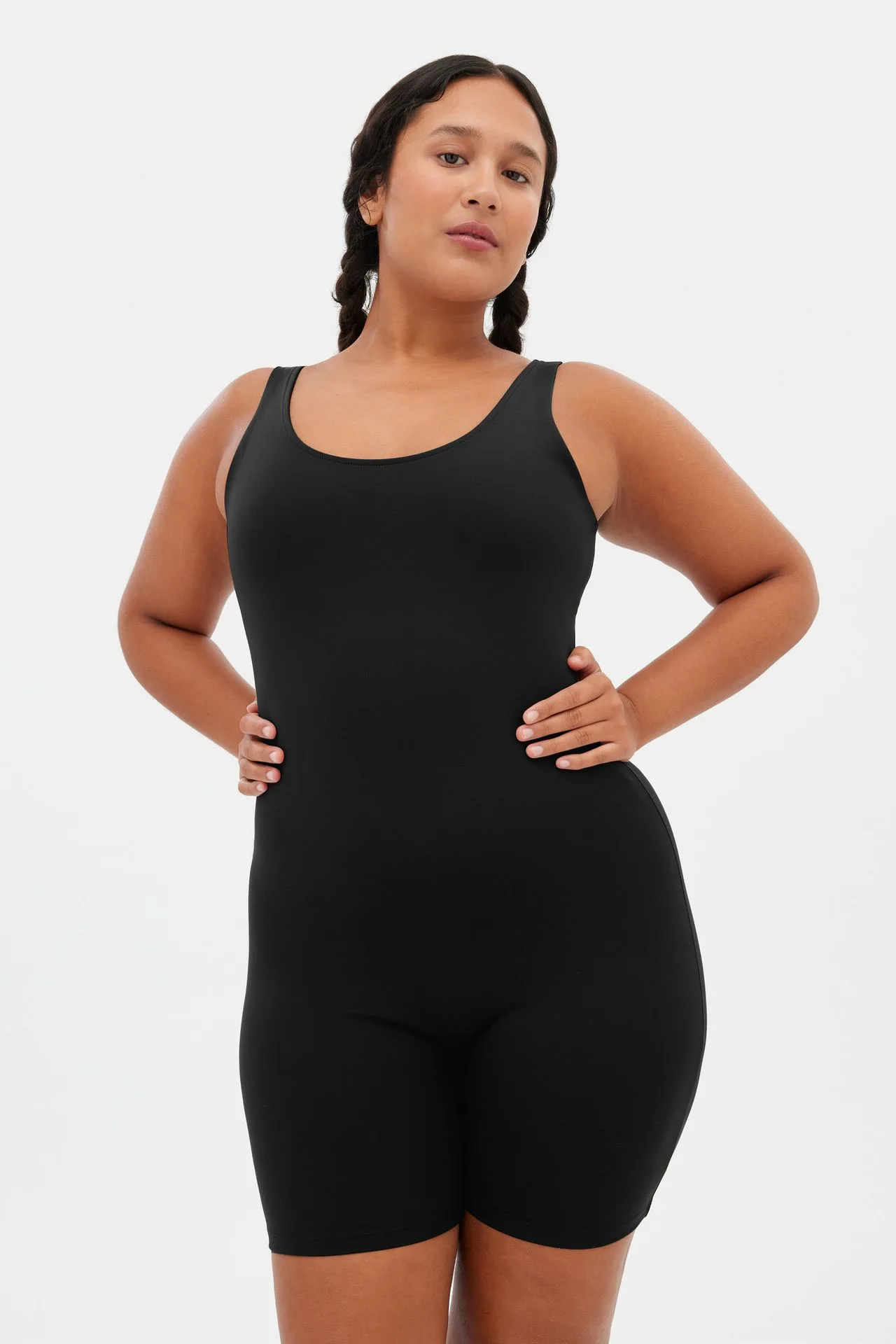
Bodysuits often include features like built-in bras or compressive fabrics for support during movement. For example, the Terrace Bike Unitard from Girlfriend Collective is a compressive one-piece with a built-in bra, designed for workouts and low-impact activities. It provides coverage and support for exercise, not for swimming.
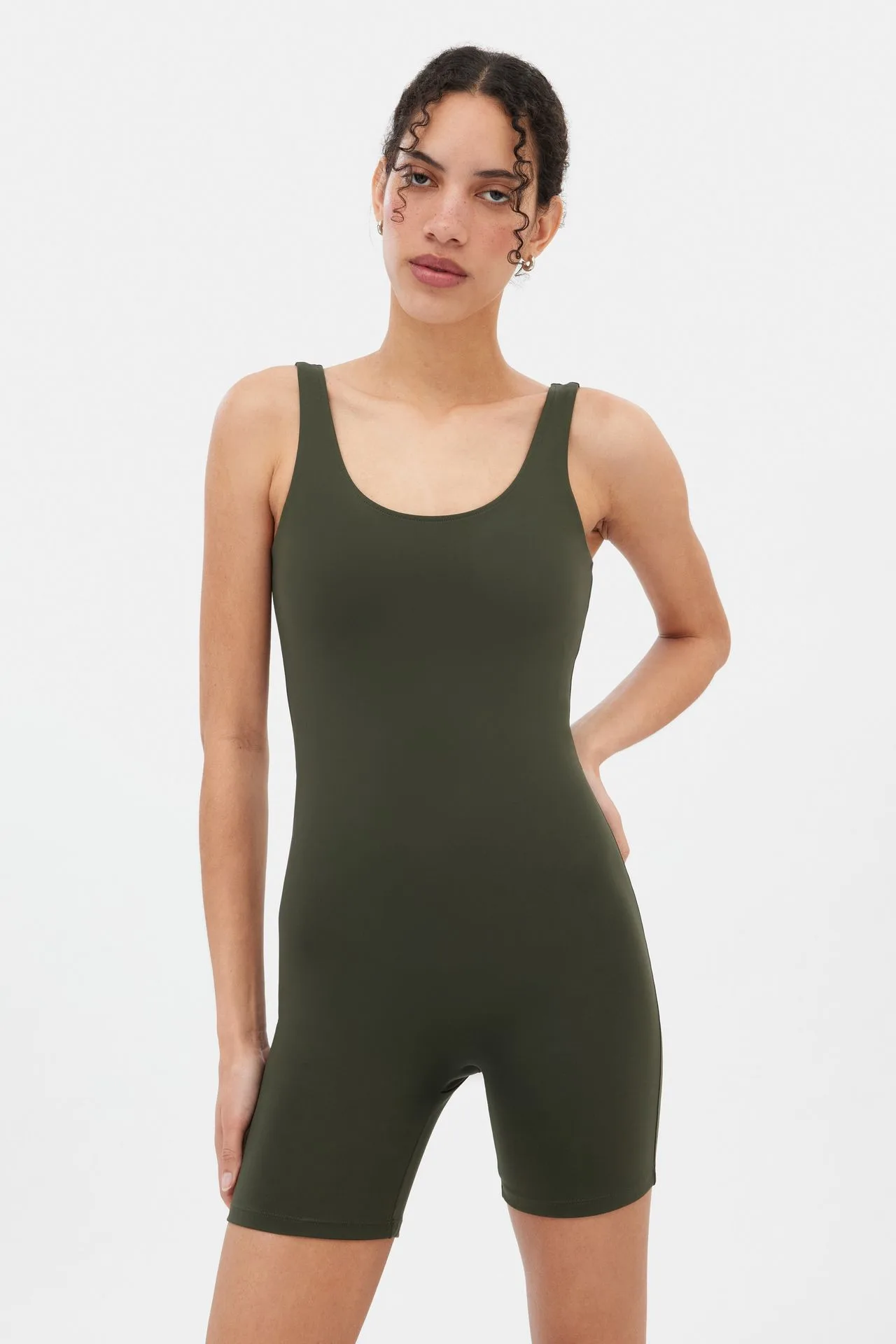
Terrace Bike Unitard
One-piece swimsuits, on the other hand, are specifically designed for water activities. They offer support for swimming, diving, or lounging by the pool, with features like adjustable straps, molded cups, or high-cut legs for mobility.
If you're looking for a garment to wear to the gym or as a stylish top with jeans, a bodysuit is the better choice. For a day at the beach, a swimsuit is essential.
- Bodysuits: ideal for workouts, layering, and fashion.
- Swimsuits: designed for water sports and sunbathing.
- Consider your primary activity when choosing.
Versatility and Style
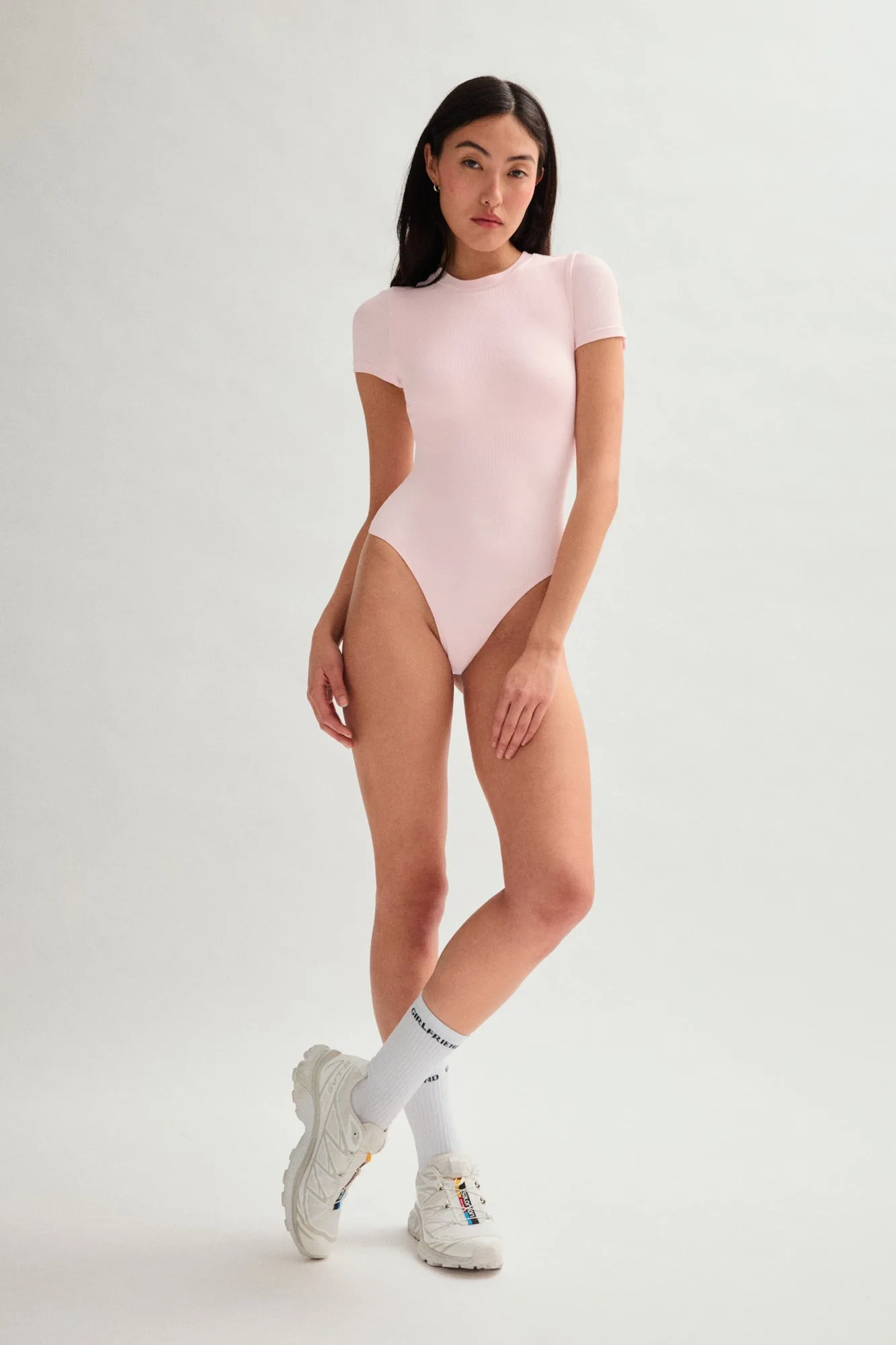
Bodysuits are incredibly versatile. They can be worn as a top with skirts, pants, or shorts, and are perfect for tucking in without bunching. Many bodysuits, like the Black Katie Crew Bodysuit from Girlfriend Collective, feature a classic crew neck and are made from ultra-soft fabric, making them a wardrobe staple for everyday wear.
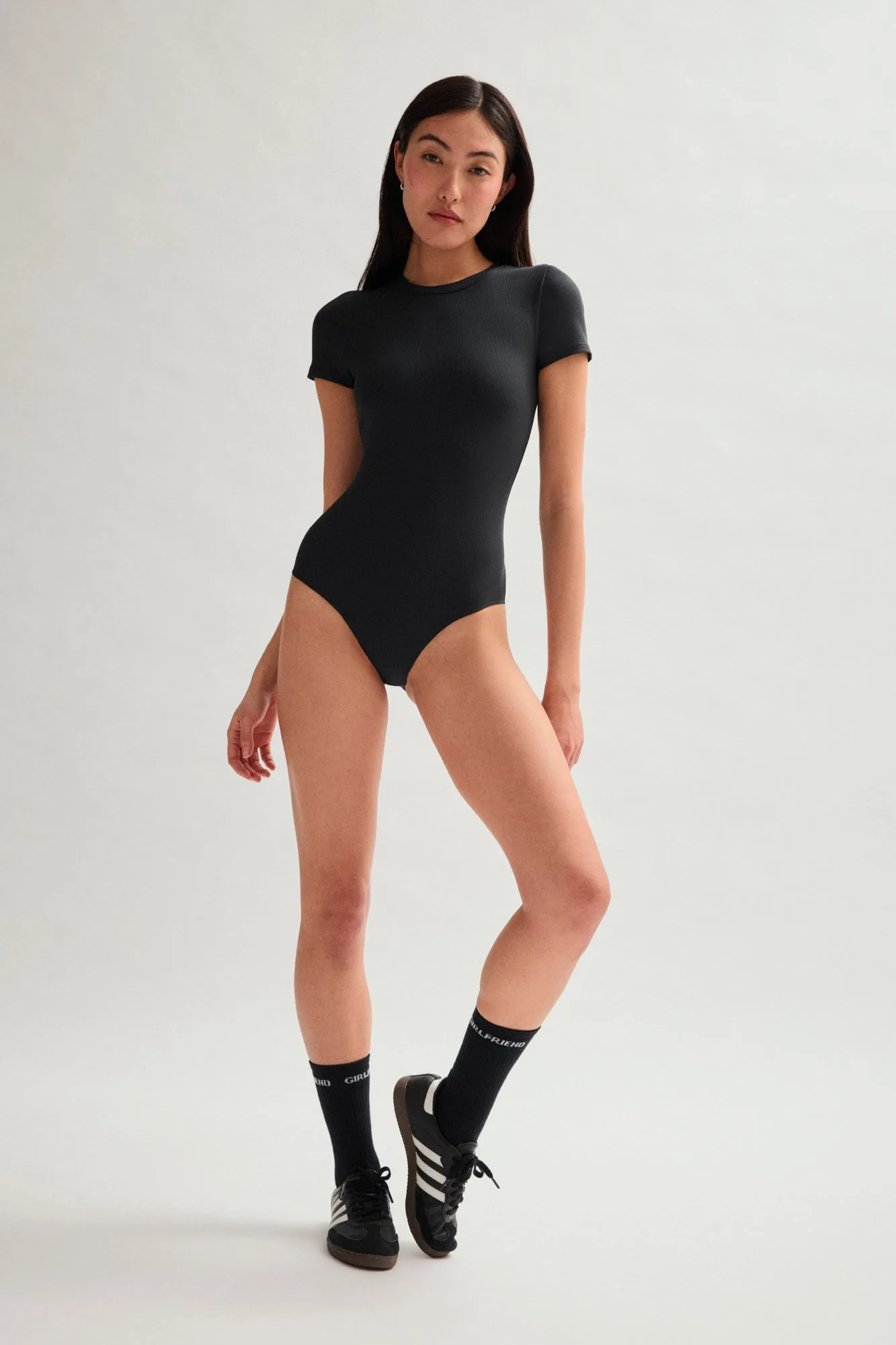
Black Katie Crew Bodysuit
One-piece swimsuits have become more fashion-forward, with styles that can double as bodysuits for a night out. However, their swim-specific fabric and construction often make them less breathable for all-day wear outside of water.
If you're seeking a piece that transitions from gym to street, a bodysuit is more practical. If you want a statement piece for vacation that can also be worn to a beach party, a stylish swimsuit might work.
- Bodysuits: easy to layer and style for various occasions.
- Swimsuits: designed for water, but some can be worn as tops.
- Think about how often you'll wear it beyond swimming.
Trade-Offs to Consider
- Fabric Durability: Bodysuits use everyday fabrics that may degrade in water, while swimsuits are made to withstand chlorine and salt. If you plan to swim, invest in a true swimsuit.
- Support Features: Bodysuits may have built-in bras or compression for workouts, but swimsuits offer specific support for water activities. Choose based on your primary activity: gym or pool.
- Versatility: Bodysuits are more versatile for daily wear and styling, while swimsuits are limited to water settings. If you want a multi-purpose piece, go with a bodysuit.
Product Comparison
- Terrace Bike Unitard: The Terrace Bike Unitard from Girlfriend Collective is a compressive one-piece designed for movement. It features a bike-short length, a scoop neck, a low back, and a built-in bra for support. This unitard offers support and coverage for workouts, making it a great alternative to a swimsuit for active days, but it is not meant for swimming.
- Black Katie Crew Bodysuit: Our most versatile top to date: an everyday crew neck bodysuit that’s supportive, stretchy, and made with the ultra-soft and flattering FLOAT Rib. This bodysuit is perfect for layering under jeans or skirts, providing a smooth silhouette for everyday fashion, but it lacks the water resistance of a swimsuit.
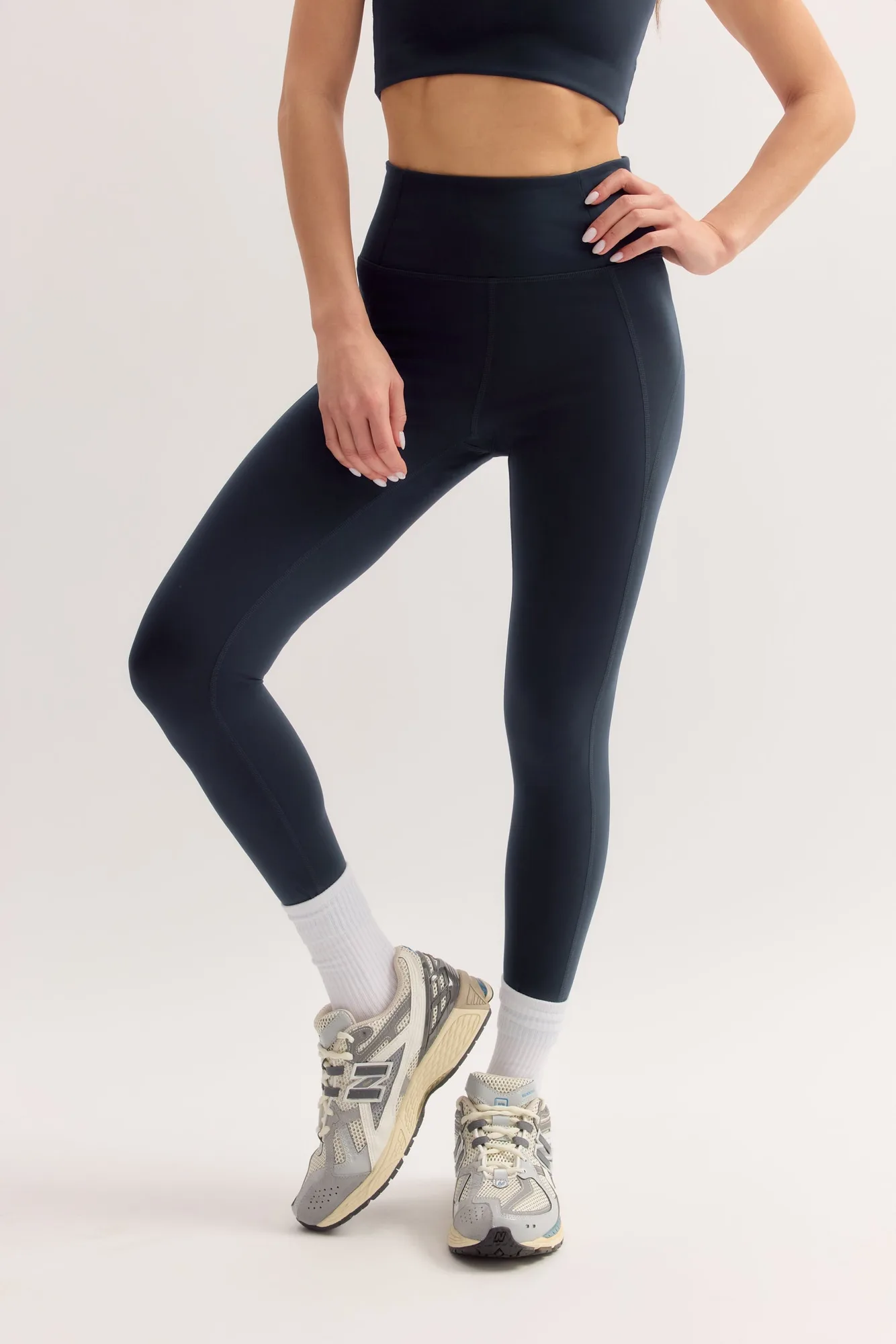
- Black Compressive High-Rise Legging: The Black Compressive High-Rise Legging offers a compressive, squat-proof fit with an ultra-high rise, crafted from sustainable materials made from 25 recycled water bottles. While not a one-piece, this legging pairs well with a bodysuit for a coordinated athletic look, but it is not suitable for swimming.
Which Should You Choose?
Best for
- Everyday wear and layering under clothes
- Workouts and low-impact activities
- Creating sleek, tucked-in outfits
Not for
- Swimming or water sports
- Extended sun exposure without swimwear fabric
In summary, bodysuits and one-piece swimsuits serve different purposes. Bodysuits are versatile wardrobe staples for everyday fashion and workouts, while swimsuits are essential for water activities. Consider your lifestyle and intended use to make the right choice.