Quick Answer
Bondage tape is the go-to for beginners and quick sessions because it sticks to itself, removes easily without pulling hair, and requires no knots. Rope offers more intricate ties and a traditional aesthetic but demands skill and safety knowledge. Choose tape for convenience and rope for artistic or prolonged play.
When stepping into bondage, one of the first decisions is choosing your restraint material. Bondage tape and rope are two popular options, each with distinct advantages. Understanding their differences helps you pick the right fit for your experience level and play style.
This comparison breaks down the key factors—ease of use, safety, feel, and versatility—so you can make an informed choice. We'll also highlight products that exemplify each material's strengths.
Ease of Use: Tape Wins for Quick Setup
Bondage tape is renowned for its simplicity. It sticks to itself, so you don't need to tie knots or learn complex wraps. Just wrap it around wrists or ankles, and it holds securely. Removal is just as easy—cut it off with safety scissors. This makes it ideal for spontaneous play or beginners who want to focus on sensation rather than technique.
Rope, on the other hand, requires learning knots and understanding tension. A poorly tied knot can tighten unexpectedly, leading to discomfort or injury. While rope allows for more elaborate ties, it has a steeper learning curve. If you're new to bondage, tape lets you enjoy restraint play without the frustration of fumbling with rope.
- For quick sessions or travel, tape is more convenient—no need to carry extra tools like rope cutters.
Safety and Comfort: Know the Risks
Safety is paramount in bondage. Bondage tape's non-stick design means it doesn't pull body hair or leave sticky residue, as noted in our product facts. It's also water-resistant and wipe-clean, making hygiene simple. However, tape can be too tight if applied carelessly, so always ensure two fingers can slip underneath.
Rope can cause rope burn or nerve damage if tied incorrectly or left on too long. It requires knowledge of safe zones and proper tension. With rope, you must have safety shears nearby at all times. Tape is generally more forgiving for beginners, but both materials demand respect and vigilance.
- Always keep safety scissors within reach, regardless of your material choice.
Feel and Aesthetics: Rope Offers Tradition, Tape Offers Modernity
Rope, especially shibari rope, carries a rich cultural and artistic heritage. The texture and patterns of rope ties can be visually stunning and add to the sensory experience. Many enthusiasts appreciate the ritual and skill involved in rope bondage.
Bondage tape, meanwhile, provides a sleek, modern look. It's available in various colors, like black, pink, red, and clear, allowing for creative expression. Tape can also be used to create makeshift blindfolds or gags, adding versatility. If you prioritize aesthetics and tradition, rope may appeal more; if you value convenience and modern style, tape is a strong contender.
- Experiment with different colors of tape to match your mood or outfit.
Versatility: Tape's Surprising Range
Bondage tape is not just for restraints. Its self-adhesive nature makes it perfect for binding, gagging, blindfolding, and even creating lingerie, as our product facts highlight. It's reusable with careful use, making it a cost-effective option. You can easily adjust tightness by adding or removing layers.
Rope is also versatile but requires more skill to adapt. You can create harnesses, suspension ties, and intricate patterns, but these take practice. For most casual play, tape offers a broader range of immediate applications with less preparation.
- Try using tape to create a quick blindfold—just wrap around the head, avoiding the eyes.
Trade-offs at a Glance
- Learning Curve: Tape is nearly instant; wrap and go. Rope requires practice to tie safe, comfortable knots. If you're a beginner, start with tape to build confidence.
- Safety: Tape is generally safer for novices because it's easier to remove and less likely to cause nerve damage if applied loosely. Rope demands knowledge of anatomy and safe tying practices. Always have safety shears handy, no matter your choice.
- Feel and Aesthetic: Rope offers traditional, artistic ties with a tactile texture. Tape provides a modern, sleek look and can be color-coordinated. Choose based on the mood you want to create.
- Reusability: Tape is reusable with careful use, but can lose stickiness over time. Rope, if well-maintained, can last for years. Consider long-term costs and maintenance.
Product Spotlight
- 25 Meters Electrical Bondage Tape, Semi-Translucent PVC Tape: This tape is non-stick, sticks to itself, doesn't pull body hair, and leaves no sticky residue. It's versatile for binding, gagging, blindfolding, and more, and is reusable with careful use. Available in black, pink, red, and clear, with a length of 25 meters. This tape exemplifies the convenience of bondage tape: easy to apply, remove, and reuse. Its versatility makes it a great starter tool for exploring different types of play.
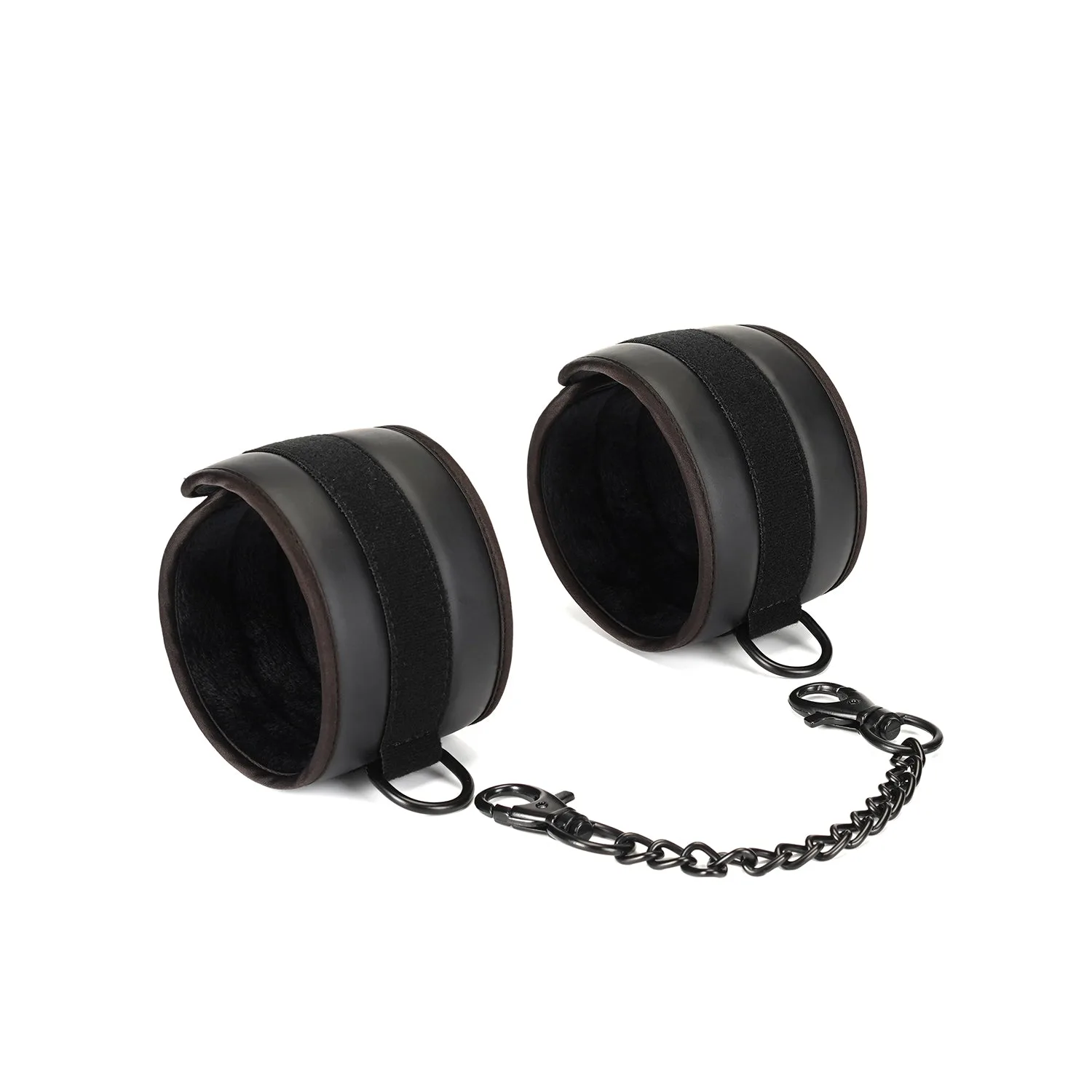
- Vegan Fetish: Faux Leather Ankle Cuffs: These ankle cuffs are made from ultra-smooth polyurethane, are water-resistant, and wipe clean. They emulate the luxury of supple leather without animal products. If you prefer a more structured restraint than tape, these cuffs offer a comfortable, adjustable fit. They're a great complement to tape or rope, providing a different sensation and aesthetic.
Which Should You Choose?
Best for
- Beginners who want a low-friction introduction to restraint play.
- Quick, spontaneous sessions where setup and cleanup are a priority.
- Travel or play away from home, thanks to tape's portability.
Not for
- Those seeking intricate, artistic ties and the ritual of rope bondage.
- Sessions requiring prolonged wear where breathability of rope is preferred.
Both bondage tape and rope have their place in a well-rounded toy box. Tape is your friend for ease, safety, and versatility, while rope rewards those who invest time in learning. Consider your experience, goals, and comfort, and don't hesitate to try both to discover your preference.