Collagen is the most abundant protein in your body, providing structure for your skin, joints, bones, and more. As we age, our natural collagen production declines, which is why many people turn to supplements. Two popular options are bone broth collagen and https://ancientnutritionve.com/products/multi-collagen-protein-445448https://ancientnutritionve.com/products/multi-collagen-protein-multi-collagen-protein-vanilla-445456https://ancientnutritionve.com/products/multi-collagen-protein-multi-collagen-protein-chocolate-445457https://ancientnutritionve.com/products/multi-collagen-protein-multi-collagen-protein-powder-pure-100-servings-445459multi collagen protein. But what's the difference, and which one is right for you?
In this comparison, we'll break down the sources, benefits, and potential drawbacks of each, so you can make an informed choice for your wellness routine.
What Is Bone Broth Collagen?
Bone broth collagen is derived from simmering animal bones and connective tissue. This traditional food has been used for centuries for its rich nutrient profile. The slow cooking process extracts collagen, gelatin, and other beneficial compounds like glucosamine, chondroitin, and minerals.
Bone broth collagen is typically sold as a powder or in liquid form. It contains primarily Type I and Type III collagen, which are most abundant in skin, bones, and tendons. Because it's made from whole bones, it also provides a broader spectrum of nutrients that support joint and gut health.
- Rich in amino acids like glycine and proline
- Contains naturally occurring glucosamine and chondroitin
- Supports skin elasticity, joint comfort, and digestive health
What Is Multi Collagen Protein?
Multi collagen protein is a supplement that combines several types of collagen—typically Type I, II, III, V, and X—to provide a full-spectrum approach. These types are sourced from different animals, including bovine, chicken, fish, and eggshell membrane.
This variety means multi collagen can target different areas: Type I for skin and hair, Type II for joints, Type III for organs and blood vessels, and Types V and X for additional structural support. Many people prefer this comprehensive approach for overall wellness.
- Contains five types of collagen for broad benefits
- Sourced from multiple animals for a diverse amino acid profile
- Often includes added nutrients like vitamin C for enhanced absorption
Key Differences at a Glance
The main difference lies in the collagen types and nutrient profile. Bone broth collagen is limited to Types I and III, while multi collagen provides a broader range. Additionally, bone broth collagen is more of a whole food, offering naturally occurring compounds, whereas multi collagen is a concentrated supplement.
If you're looking for a simple, traditional option that also provides minerals and gelatin, bone broth collagen might be ideal. If you want comprehensive coverage for skin, joints, and more, multi collagen protein could be the better choice.
- Bone broth collagen: Types I & III, whole-food source, includes gelatin and minerals
- Multi collagen: Types I, II, III, V, X, concentrated and versatile
Which One Should You Choose?
Your choice depends on your specific wellness goals. If you're primarily concerned with skin, hair, and nail health, either option can work, but bone broth collagen's Type I and III are particularly beneficial. For joint support, multi collagen's Type II is a key advantage.
For digestive health, bone broth collagen's gelatin content can be soothing to the gut lining. If you prefer a more comprehensive approach that covers multiple areas, multi collagen protein is a convenient all-in-one solution.
- For skin and hair: bone broth collagen or multi collagen
- For joint support: multi collagen with Type II
- For gut health: bone broth collagen with gelatin
How to Incorporate Them into Your Routine
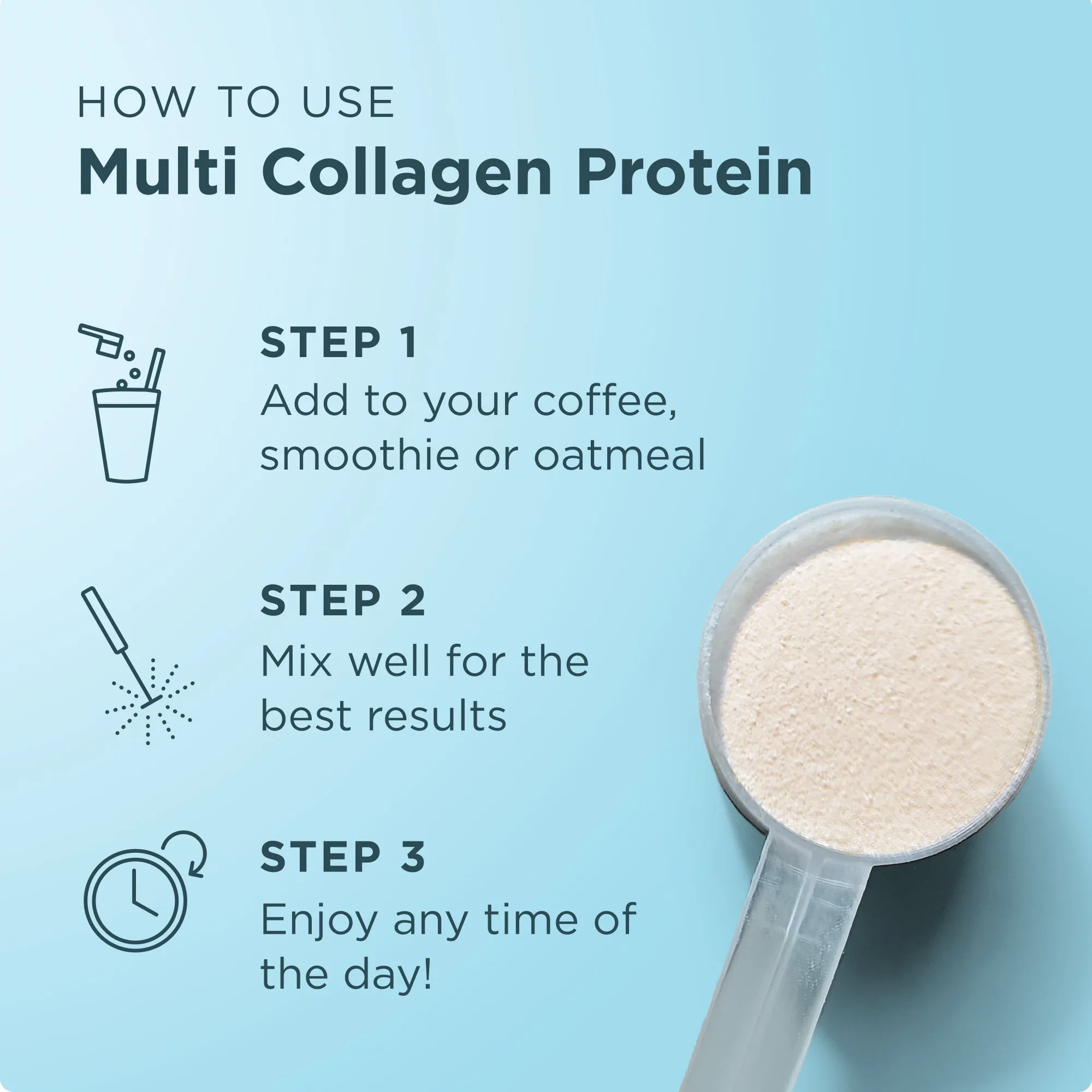
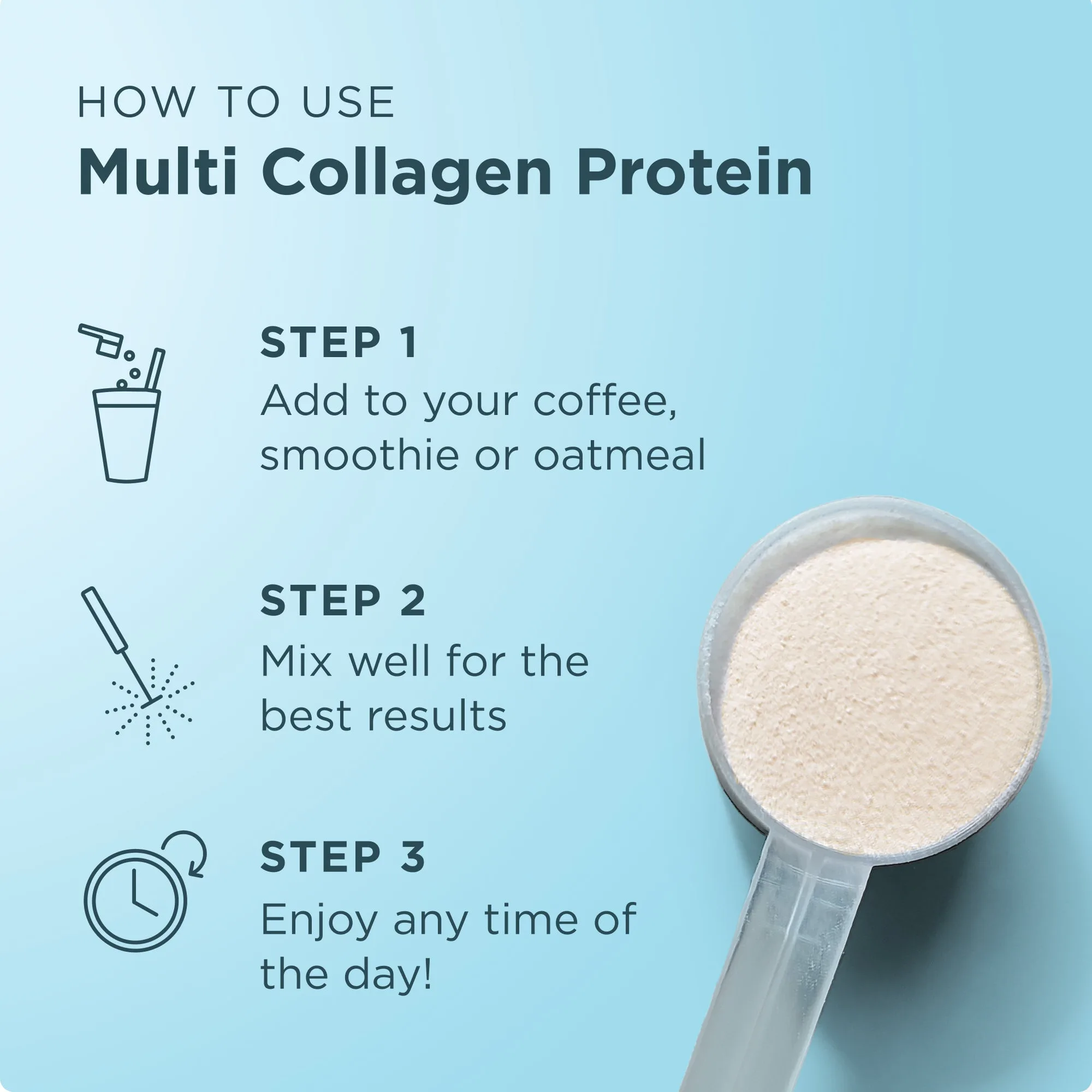
Both bone broth collagen and multi collagen protein can be easily added to your daily routine. They are typically flavorless and dissolve well in hot or cold liquids. You can mix them into coffee, tea, smoothies, soups, or even baked goods.
Start with a small serving and gradually increase to the recommended amount. Consistency is key—collagen supplements work best when taken daily over time.
- Add to morning coffee or tea
- Blend into smoothies or protein shakes
- Stir into soups or stews for extra nutrition
Ultimately, both bone broth collagen and multi collagen protein offer valuable benefits. If you're looking for a whole-food option with added minerals, bone broth collagen is a great choice. If you want comprehensive coverage for skin, joints, and more, multi collagen protein might be the better fit. Consider your goals and preferences to decide which one aligns with your wellness journey.